20 SUVs With Alarming Fatality Risk In America
You’d think bigger means safer, but not always. Some SUVs on American roads come with surprisingly high fatality rates. What’s behind the numbers? Weak safety features or maybe overconfidence? Let’s unpack 20 SUVs you might want to think twice about before driving off the lot.
Mitsubishi Mirage G4
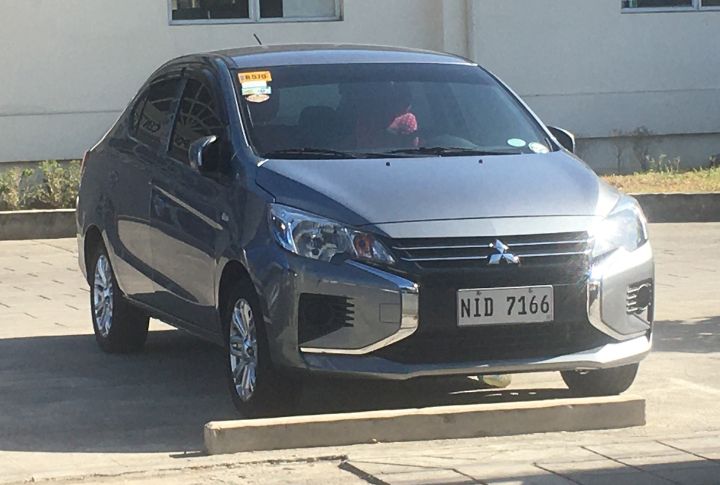
The Mirage G4 has a staggering driver fatality rate of 205 per million vehicle years, among the deadliest in the country. Its ultra-light frame offers little crash protection. Weak crash-test results and minimal standard safety features make this sedan one of the riskiest vehicles on American roads.
Honda CR-V Hybrid
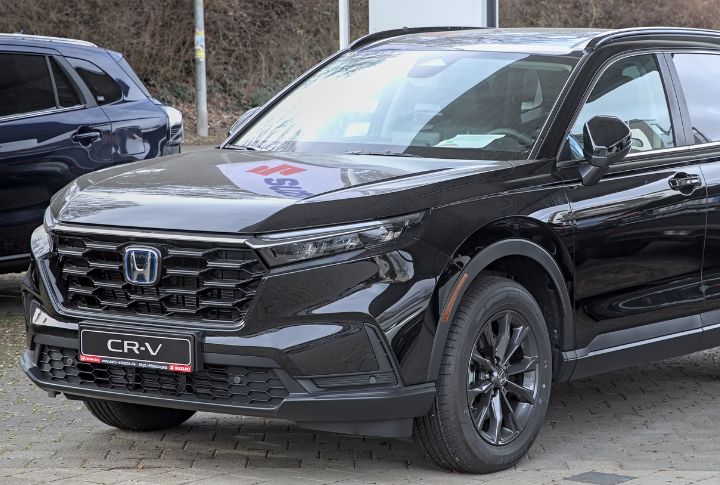
2018–2021 CR-V Hybrid trims lacked advanced lane-centering assistance. Although it scored well in crash tests, the hybrid battery raises rollover risk due to a higher center of gravity. The fatality rate for this car stands at 15 per million vehicle years, 4.5 times the average, which makes it a concerning anomaly.
Tesla Model Y
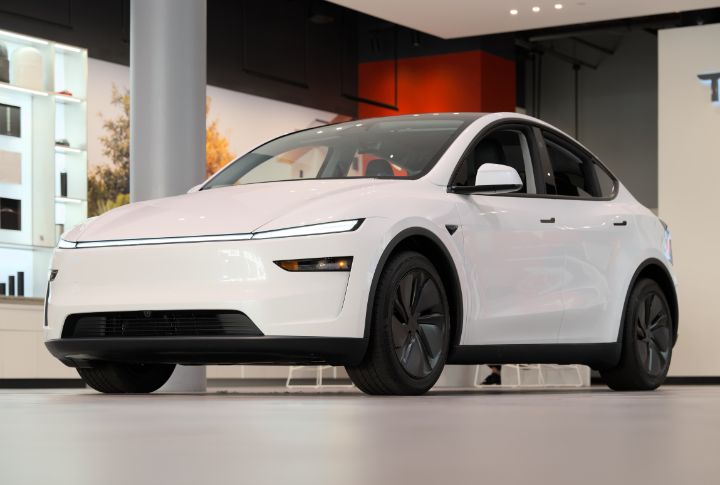
With a fatal accident rate of 10.6 per billion miles, the Model Y raises eyebrows. Despite earning strong crash-test scores, misuse of Autopilot and driver inattention fuel real-world risks. Phantom braking and overreliance on automation are noted in NHTSA complaints.
Buick Encore GX
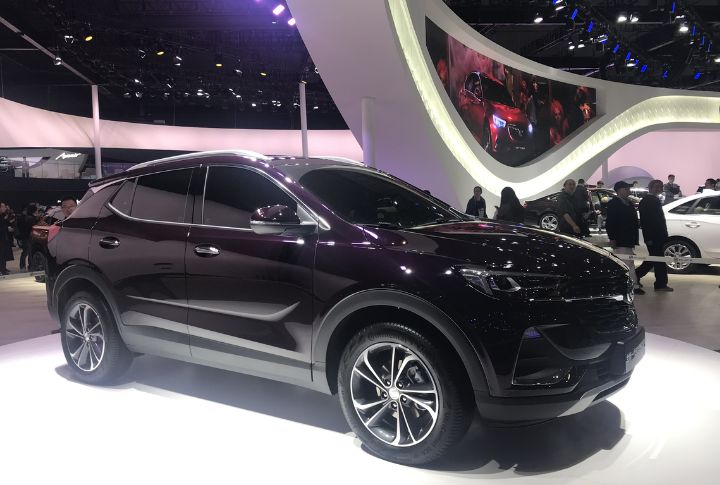
While exact fatality figures are scarce, the Encore GX appears on several danger rankings. Mixed crash-test results and limited crumple protection remain core concerns. Notably, side-impact vulnerability and the inconsistent presence of lane-keeping assist continue to highlight its overall shaky safety profile today.
Buick Envision
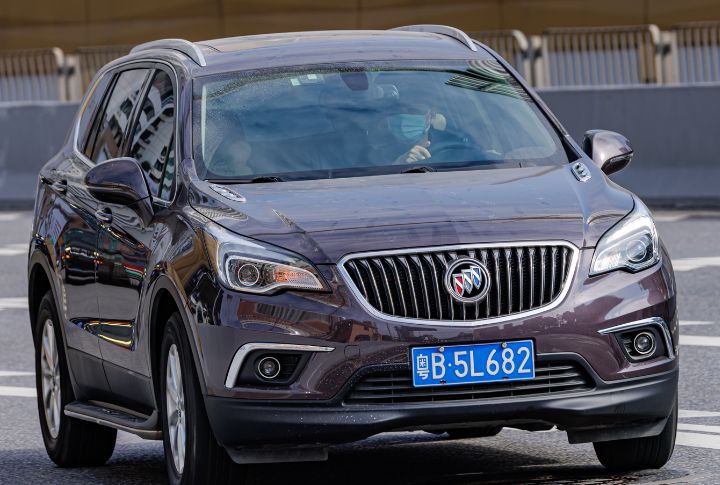
The Envision makes multiple lists of high-risk SUVs. Although it performs decently in crash tests, it lacks key safety features like rear automatic braking. IIHS awards only “acceptable” marks for some frontal crash scenarios, which leaves it behind top-performing peers.
Kia Seltos

Uneven safety features across trims remain a concern for the Seltos, even with its otherwise strong crash performance. The fatality rate isn’t widely publicized, yet issues flagged by updated IIHS side crash tests cast a shadow. Seltos earned only a marginal score, which raises red flags for cautious drivers.
Ford Bronco
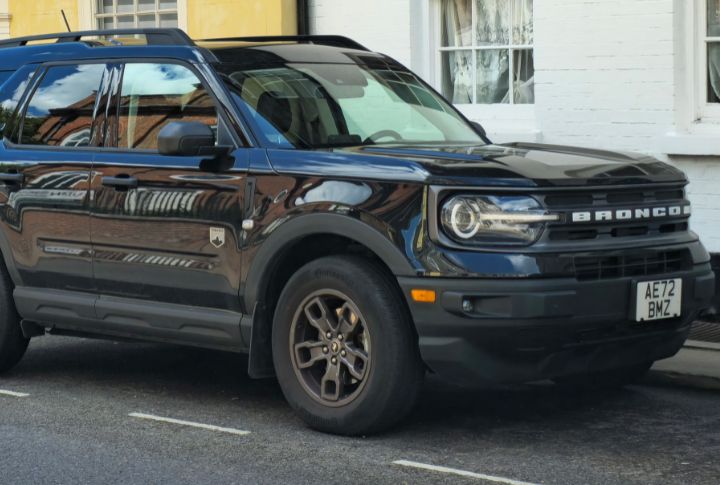
Though it performs well in crash testing, the Bronco’s off-road design and removable doors increase real-world risk. Side impacts, in particular, are a worry. While fatality rates are limited, its unconventional structure may not hold up as well on paved roads.
Kia Rio
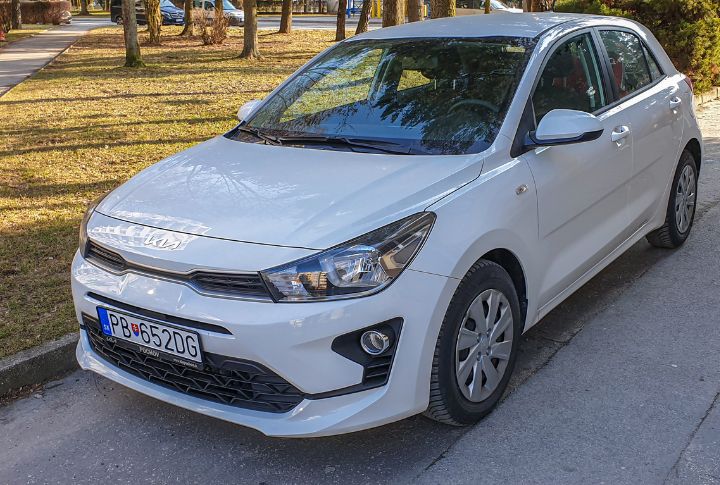
The Kia Rio has a driver mortality rate of 122 per million vehicle years, placing it poorly against safer alternatives. Bad crash-test scores and limited ADAS features make it a risky pick. It may be budget-friendly, but the trade-off in protection is steep.
Toyota Venza
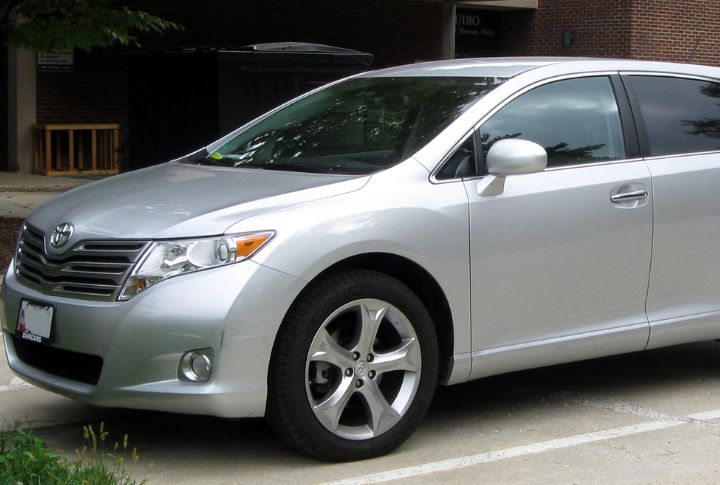
Older trims of the Venza lacked essential features like blind-spot monitoring, which was an omission for its class. Even after launching Toyota Safety Sense 2.0, its fatality rate of 5.6 per billion miles places it below its rivals. That legacy gap keeps it off the top tier of midsize SUVs.
Hyundai Kona
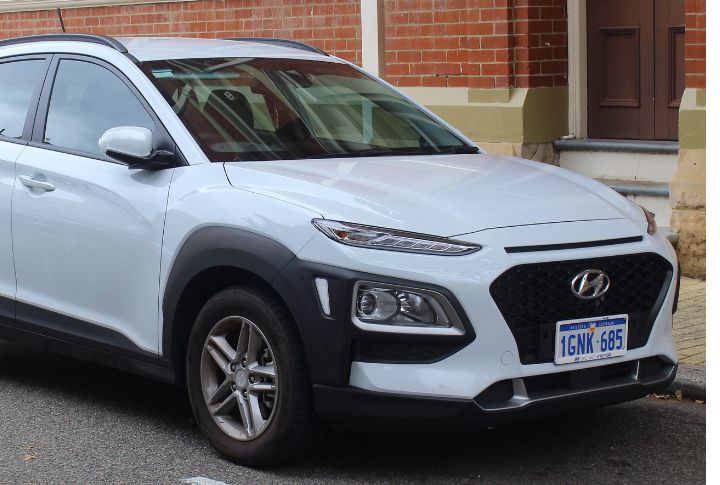
The Kona earned a Top Safety Pick+ from IIHS, including strong side-impact scores. However, its small size limits crash survival space, even though it held up well in testing. Its fatality rate of 5.1 per billion miles suggests the smaller size, not the build itself, is the concern.
Nissan Kicks
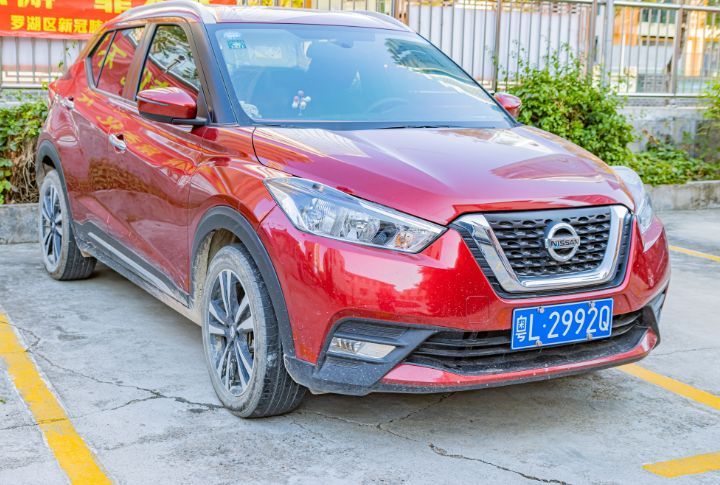
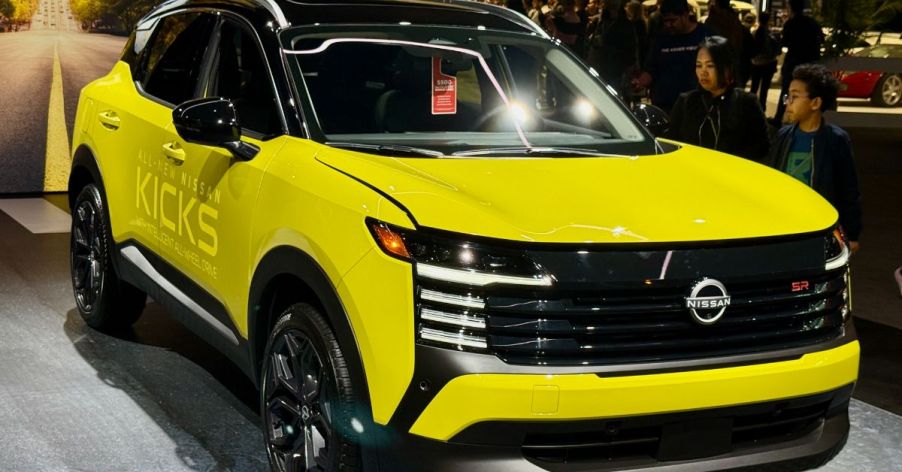
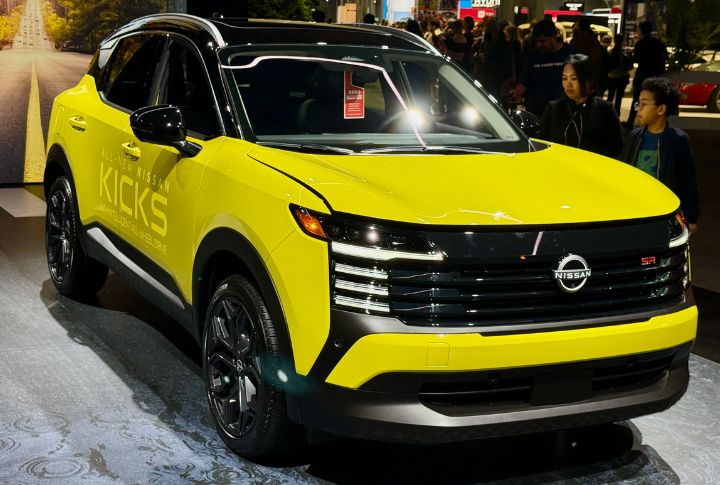
Regardless of recent safety enhancements, Kick’s lightweight construction may still be its Achilles’ heel. At the same time, its 2025 model earned a “Good” in updated IIHS side tests and includes blind spot detection as standard. Nonetheless, Kick’s fatality rate of 5.1 per billion miles continues to draw scrutiny.
Chevy Trailblazer

Though listed among vehicles with safety concerns, the Trailblazer’s fatality data is not widely cited. IIHS notes only marginal side crash protection. Anecdotal complaints cite erratic braking behavior, but this is more of a cautionary tale than a statistical outlier.
Mercedes-Benz G-Class
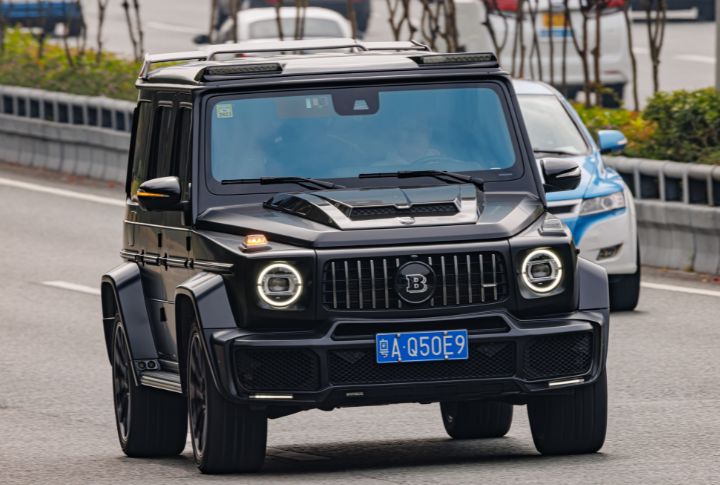
This SUV’s tall stance and rigid frame heighten rollover risk, a design trait that physics won’t forgive. Lawsuits linked to rollover injuries have already started questioning the real-world performance of the G-Class. It may be packed with tech, but that hasn’t shielded it from these structural concerns.
Hyundai Accent
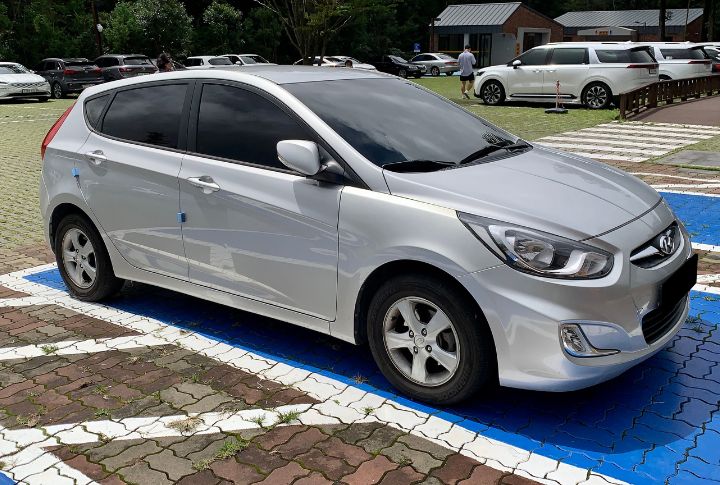
The Hyundai Accent has a driver mortality rate of 116 per million vehicle years. Its compact footprint, weak side-impact performance, and minimal crash-avoidance features put occupants at risk. Though economical and fuel-efficient, the Accent is far from a safe bet in serious crashes or highway collisions.
Nissan Versa
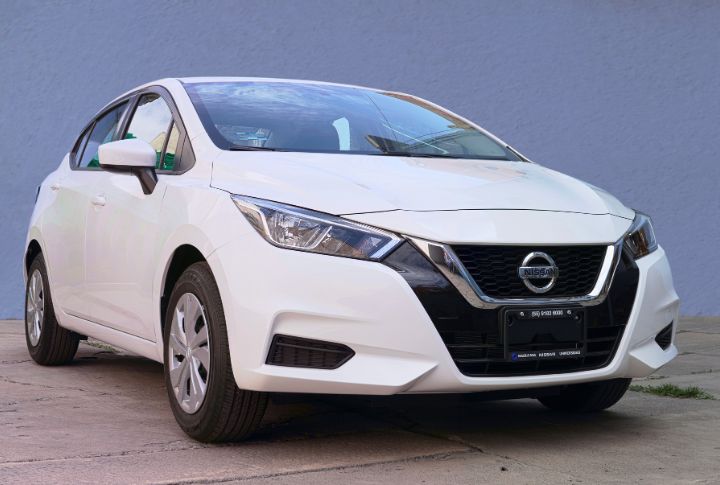
The Nissan Versa has a driver death rate of 98 per million vehicle years, putting it way behind many SUVs. Earlier trims lack modern crash mitigation systems and rely on outdated safety tech. For budget-conscious buyers, that makes the Versa an affordable but potentially hazardous choice.
Hyundai Tucson 2WD
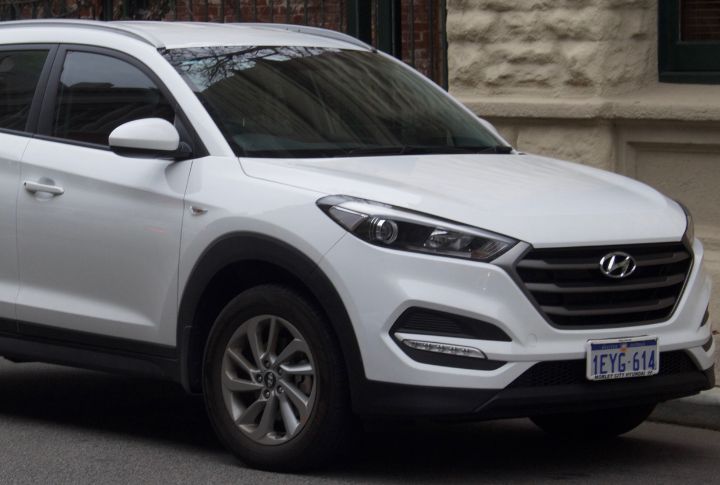
Older versions of the Tucson lacked frontal overlap strength, a flaw that undermines their crash resilience. While newer models show clear progress, those outdated trims still account for a 61-per-million mortality rate. The badge may be trusted, but its safety record has noteworthy gaps.
Chevrolet Spark
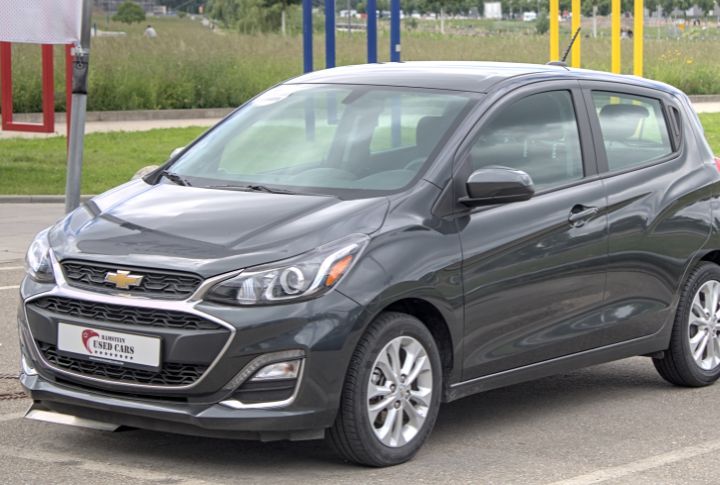
Small and light, the Chevy Spark often lacks modern crash prevention systems, which makes it especially vulnerable to high-speed collisions. Its driver death rate of 158 per million vehicle years speaks for itself—more than double the figure of the Patriot it replaced on this list.
Jeep Compass 2WD
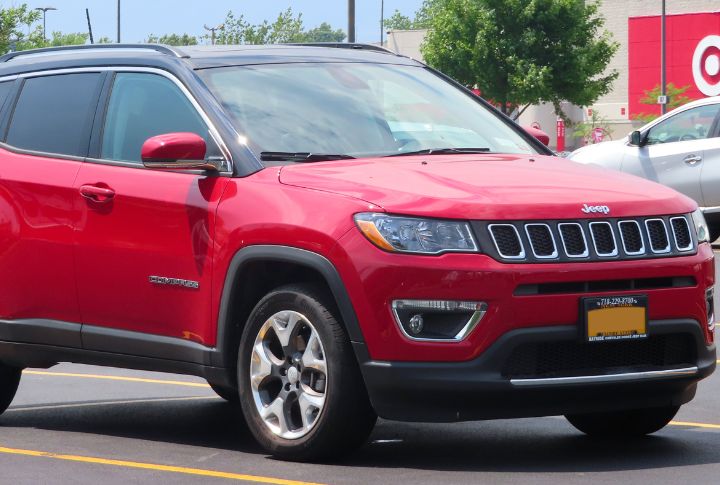
The Compass 2WD suffers from inconsistent safety performance, even with fair test ratings. Reports point to issues with Forward Collision Warning and Automatic Braking systems. With a driver mortality rate of 55 per million vehicle years, tech shortfalls make this compact SUV a highly unreliable choice.
Mitsubishi Outlander 2WD
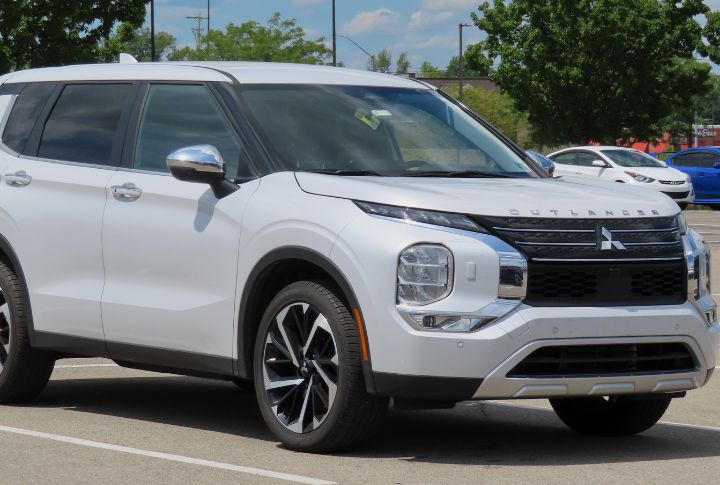
Earlier trims of the Outlander 2WD lacked key features that are now standard in rival models, leaving safety gaps that persist in older versions. Its fatality rate sits at 55 per million vehicle years. Even with MI-PILOT Assist, its track record keeps it from feeling genuinely secure.
Ford Expedition 2WD
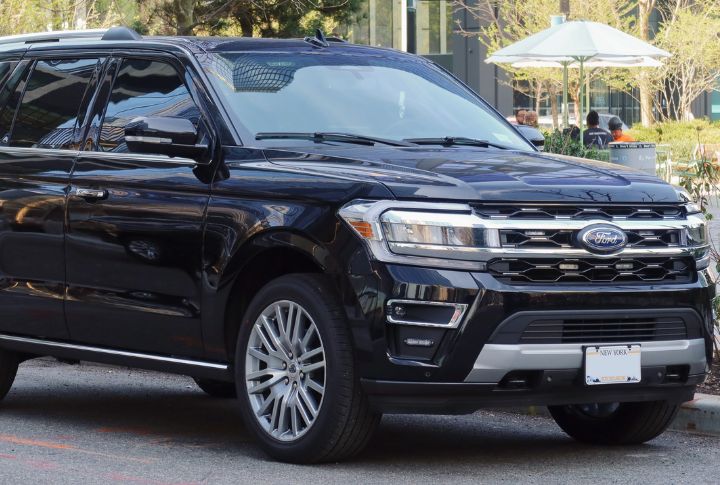
Surprisingly, the Expedition earns five-star NHTSA crash-test ratings. Still, it logs 55 driver deaths per million vehicle years. Why? It is likely due to mass and braking distance. It’s safe in theory, but those who push its limits face outsized consequences.