15 Surprising Drawbacks of Owning A Vintage Ride
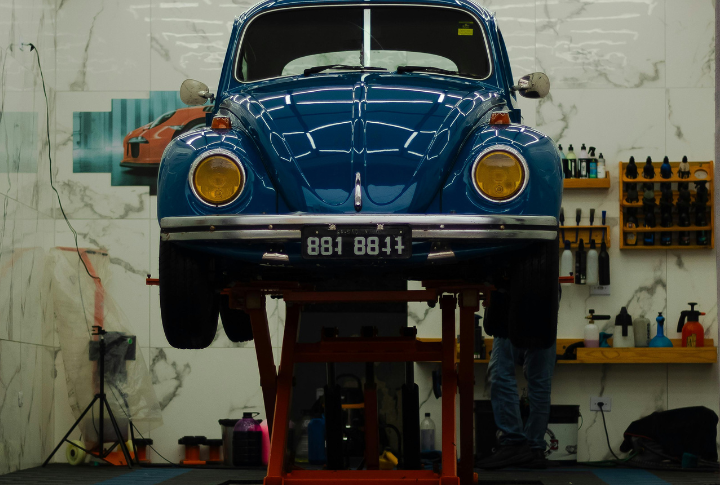
It is impossible not to love the feeling of nostalgia that comes with owning a classic car. There is also the pride of being the only one with a rare, vintage vehicle. However, there are several disadvantages to owning an old car that most people don’t think about. Read on to find out the inherent challenges of purchasing and maintaining a classic car.
High Initial Purchase Price

The initial cost of purchasing a classic can be pretty high, especially for rare or well-preserved models. Prices can be affected by the vehicle’s condition, provenance, and historical significance. Potential buyers see this high entry cost as a barrier.
High Maintenance Costs
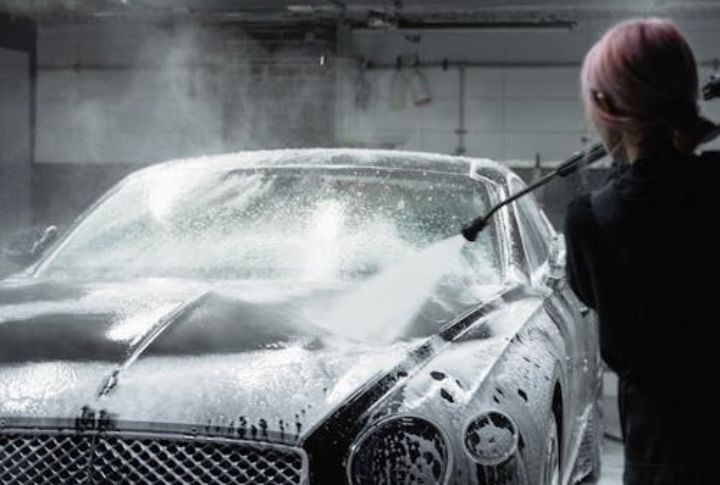
Classic cars often require more frequent upkeep and repairs than modern vehicles. Their parts can be expensive or hard to find; restoring them requires specialized knowledge and skills. Furthermore, the regular maintenance needed to preserve their roadworthiness can be costly.
Insurance Premiums
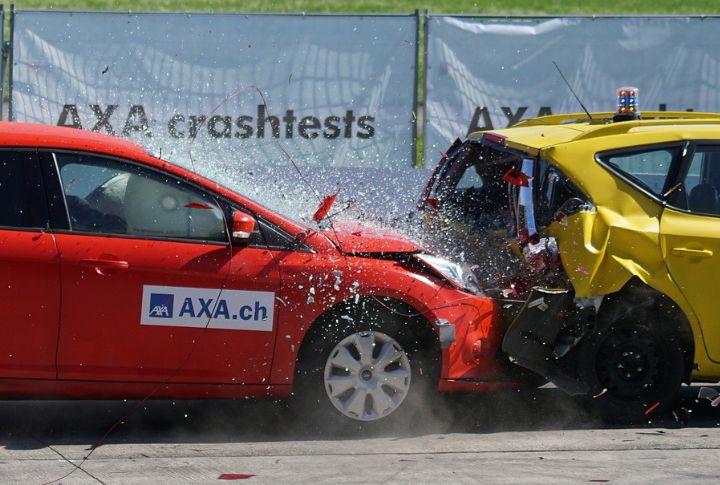
Insuring a classic car can be more costly than insuring a modern vehicle. Classic car insurance policies often require appraisals with specific conditions, such as limited annual mileage. The premiums can be higher to cover the higher value of these vehicles and the risk of potential repairs.
Limited Safety Features
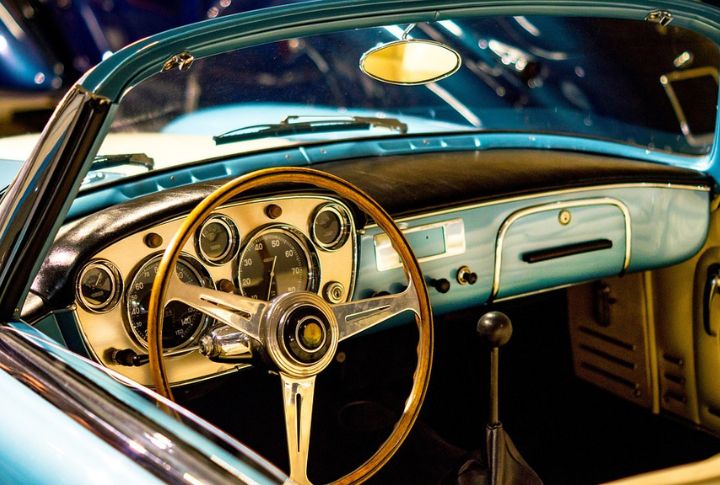
Older vehicles typically lack modern safety features like airbags, anti-lock brakes, as well as advanced driver assistance systems. This absence can make them less safe compared to contemporary vehicles, and in an accident, the lack of these features increases the risk of injury.
Fuel Efficiency

Many classic cars are less fuel-efficient than modern vehicles. Their older engines and less aerodynamic designs often lead to excessive fuel consumption, which can be costly and environmentally unfriendly. This is an important consideration if you plan to use the vehicle regularly.
Comfort and Convenience
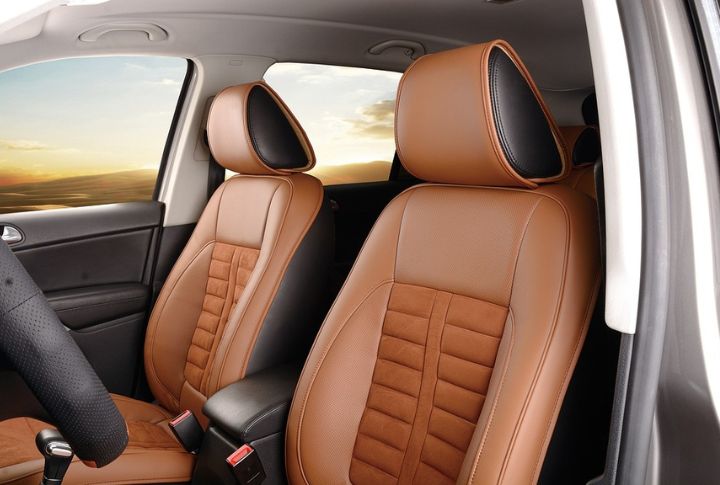
Don’t expect the same level of comfort and convenience in newer vehicles. You’ll have to drive around without climate control, modern infotainment systems, and comfortable seating. If you think this will be boring, especially on longer trips, reconsider your decision to get a classic.
Reliability Issues
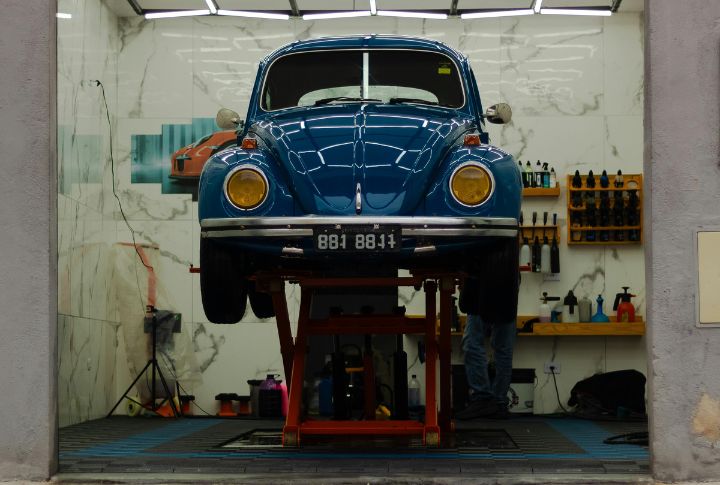
The older technologies used in manufacturing classics mean these automobiles will be less reliable. As components age, they may fail more frequently, leading to breakdowns and unexpected repairs. Even with regular maintenance, the risk of reliability issues remains higher compared to newer cars designed with more advanced technology.
Limited Modern Amenities
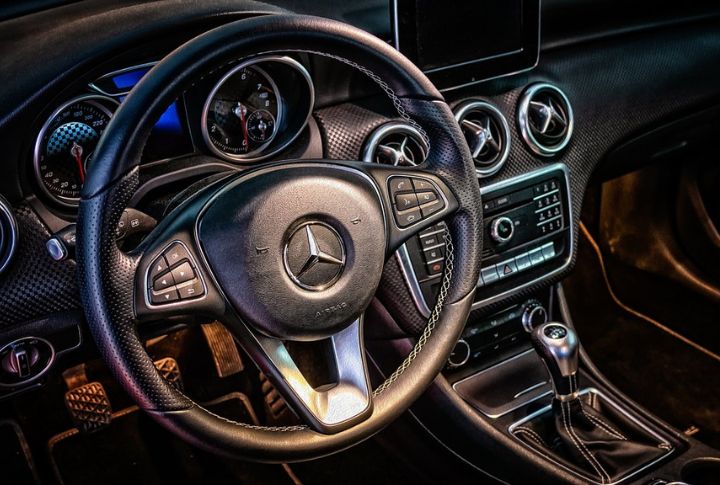
If you’ve gotten used to modern amenities found standard in modern vehicles, a classic ride may not be for you. Provisions like Bluetooth connectivity, advanced navigation systems, and premium audio systems are all foreign to old cars, and their absence can detract from the driving experience.
Legal and Regulatory Challenges

Owning an old automobile can involve navigating complex legal and regulatory requirements. These include emissions testing, registration challenges, and compliance with local regulations for classic vehicles. Each requirement can vary significantly by location and may impact the vehicle’s usability.
Depreciation Risks
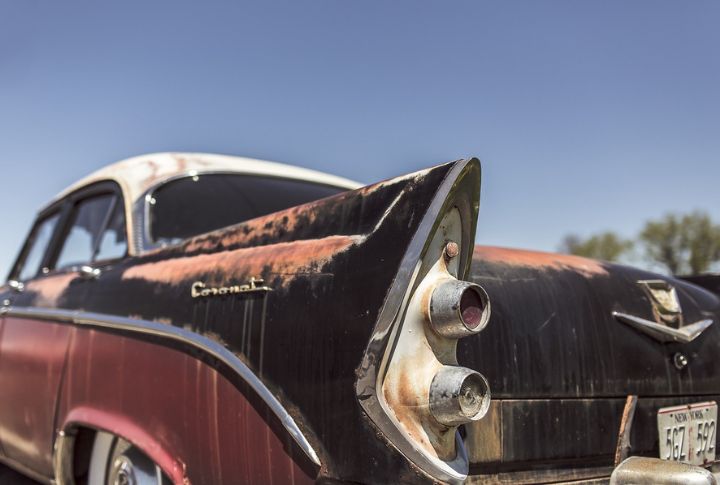
The risk of depreciation can affect the long-term investment potential. While vintage vehicles generally appreciate over time, some models may not hold their value as well as others. Market trends can shift, and the value of a classic car can fluctuate based on its condition, rarity, and demand.
Limited Parts Availability
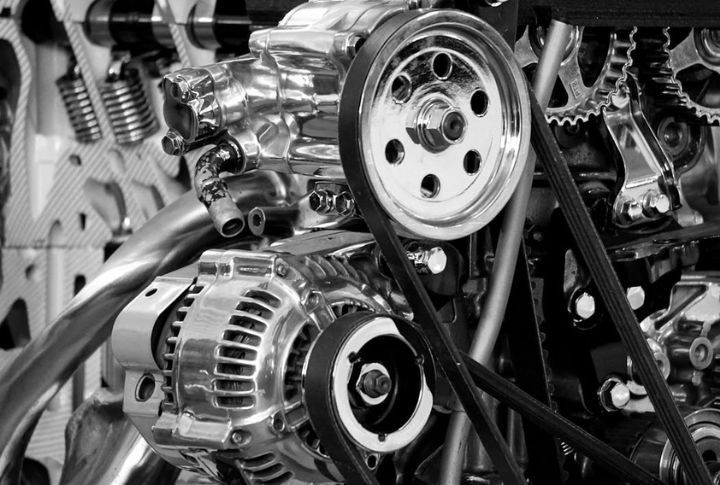
Getting a replacement for classic cars can be challenging. Scarcity can complicate repairs and maintenance, potentially leading to prolonged downtime or higher costs. Many parts may no longer be in production, and aftermarket options might be limited or expensive.
Potential for Rust and Corrosion
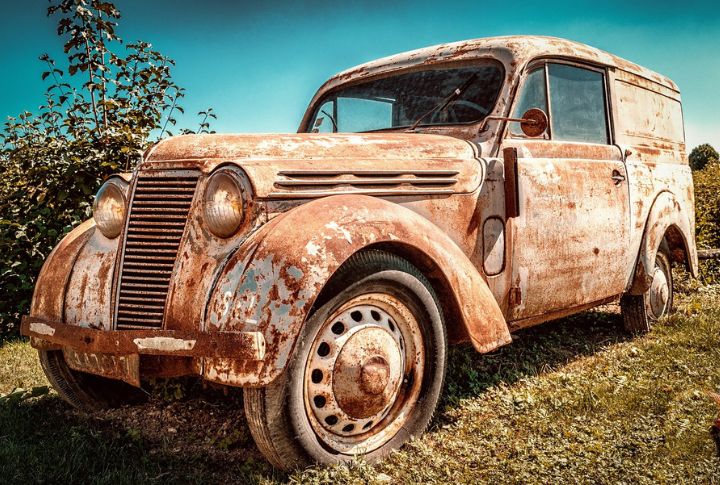
Most old cars may be more susceptible to rust and corrosion, especially if exposed to harsh weather conditions. Even with proper care, the age of these vehicles can lead to issues with their bodywork and undercarriage, which may require costly restoration.
Driving Experience Variability
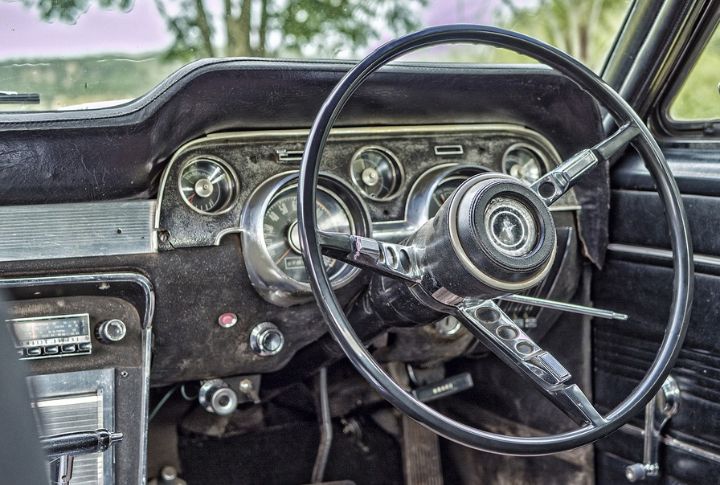
The driving experience of these automobiles can vary significantly from that of modern vehicles. Issues such as outdated steering, braking, and suspension systems can make driving a classic car less comfortable and predictable, potentially impacting overall driving enjoyment and safety.
Potential for Hidden Problems

These vehicles can sometimes have hidden issues that may not be immediately apparent. The problems might include engine wear, structural damage, or previous modifications that affect performance. Comprehensive inspections are essential but can still miss underlying issues that may arise later.
Difficulty in Resale
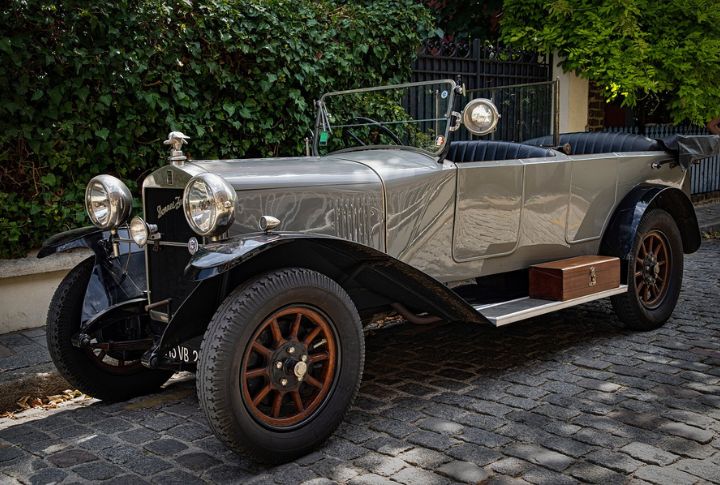
A vintage car is not everyone’s cup of tea, so reselling it can be more challenging. The market for classic cars is niche, and finding the right buyer can take time. Additionally, factors such as market trends can influence the resale value.