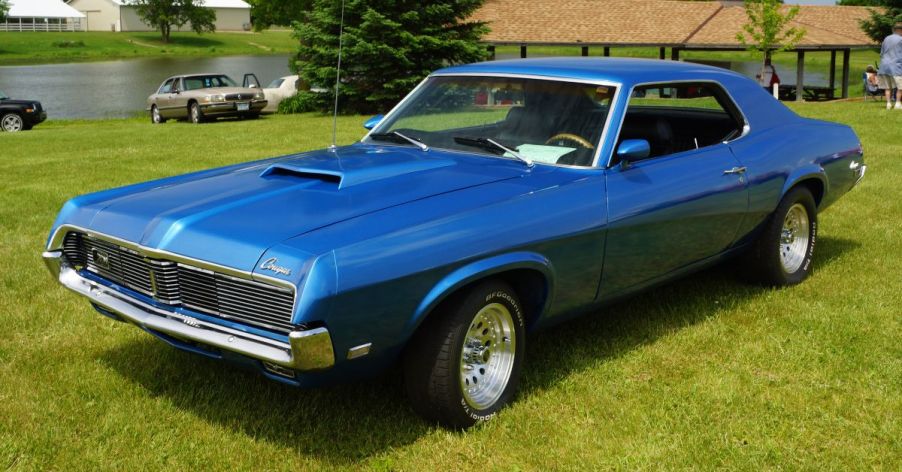
10 Standout Features That Make The 1969 Cougar Eliminator A Hidden Classic
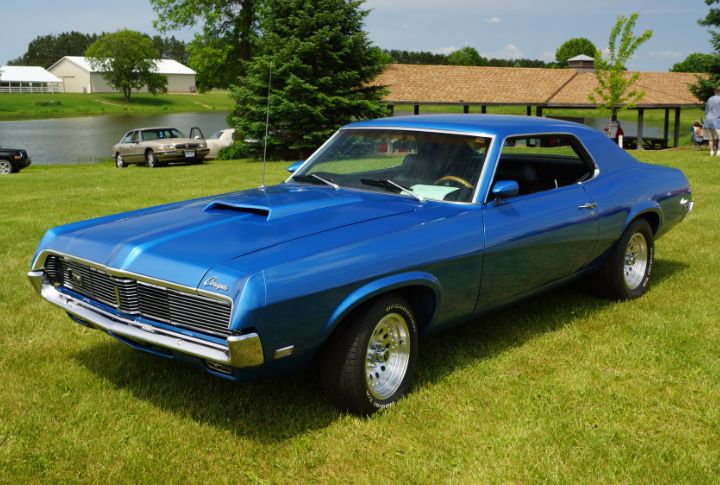
The 1969 Mercury Cougar Eliminator flew under the radar. Its rivals grabbed the spotlight, but true car lovers know it packed some serious surprises. This rare ride brought more than just good looks. Want to know what made it so special and why collectors still chase it? Keep reading and know the secrets behind this hidden classic.
Boss 302 V8 Performance That Rivals Mustangs
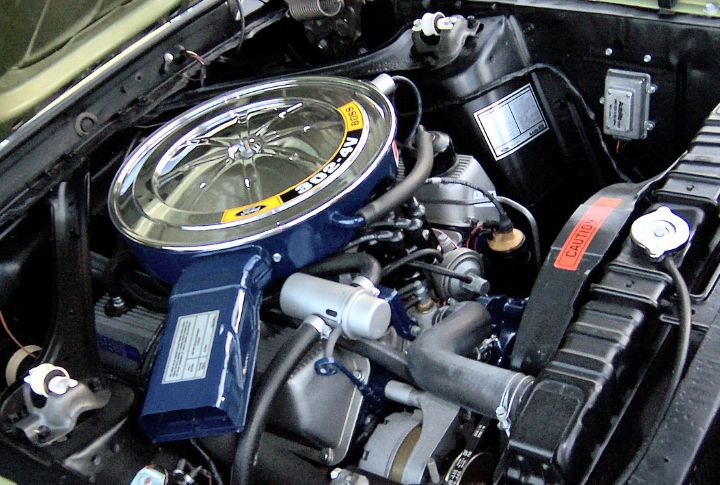
Only 169 Eliminators were fitted with the same high-revving Boss 302 engine used in Ford’s Trans-Am racers. Its 290-horsepower output and 5,800 RPM redline delivered precision driving. With Mustang-level speed in Mercury clothing, it became a rare and underappreciated powertrain package from the factory.
Race-Tuned Suspension Straight From The Factory
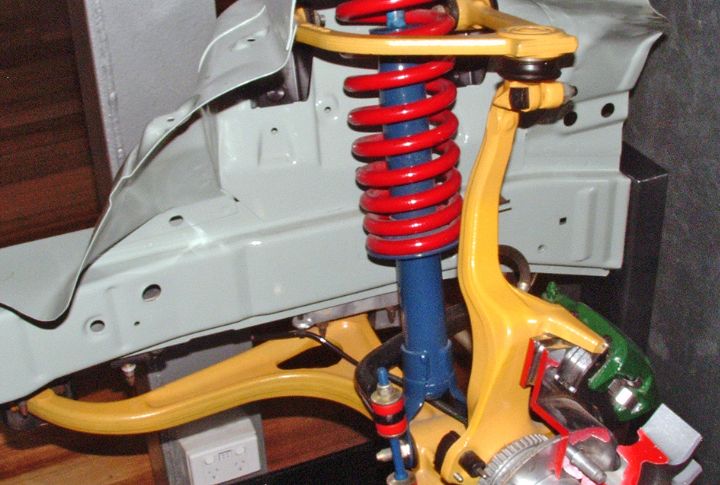
A factory-installed competition suspension with heavy-duty springs and sway bars gave the Eliminator better handling than many of its rivals. Straight-line muscle was standard fare—but this setup made the Cougar agile on curvy roads, too, bridging the gap between brute force and balanced control.
Functional Ram-Air Induction Hood Scoop
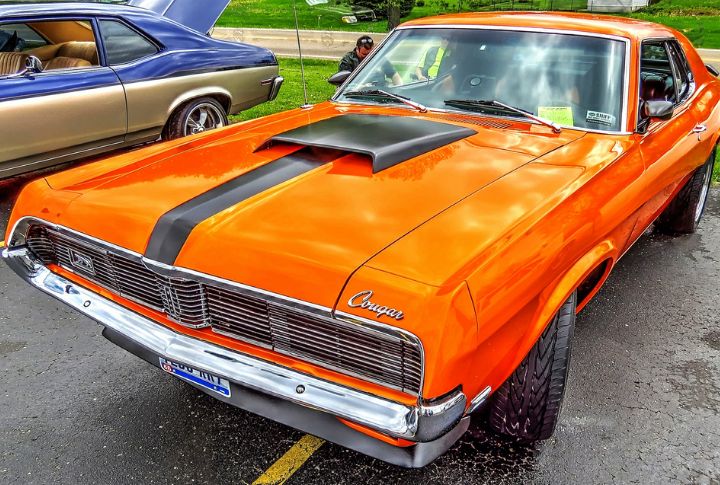
Ram-air induction wasn’t decorative here. An optional scoop funneled cooler outside air straight to the carburetor to increase power under load and improve engine response. At a time when many scoops were cosmetic, this one delivered actual airflow benefits and looked fierce doing it.
High-Impact Paint Options You Can’t Miss
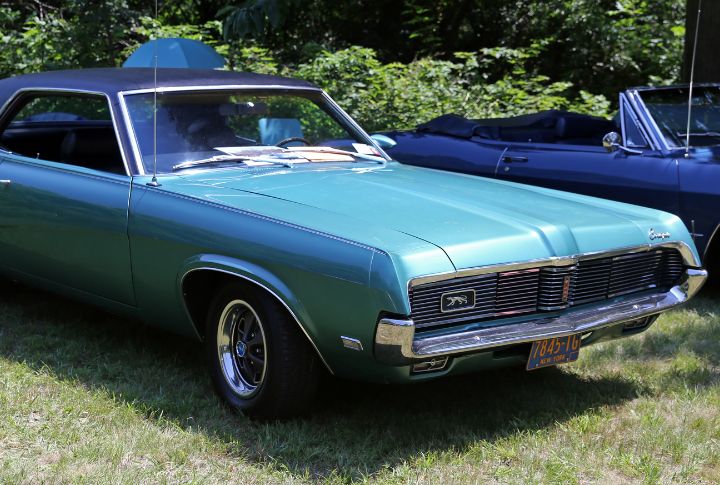
It had shades like bright blue metallic, white, bright yellow, and competition orange; the Eliminator couldn’t be missed. Paired with blackout trim and bold graphics, these paint choices gave it a striking visual identity. The result was a Cougar that stood out even among louder muscle car peers.
Ultra-Rare Factory Sunroof Option

Sunroofs were rare in muscle cars and rarer still from the factory. Installed by American Sunroof Corporation, this option added refinement to the Eliminator’s aggressive design. Few were built with it, and today, it dramatically boosts collector interest due to its unusual combination of sport and comfort.
Luxury Meets Muscle In The Interior Design
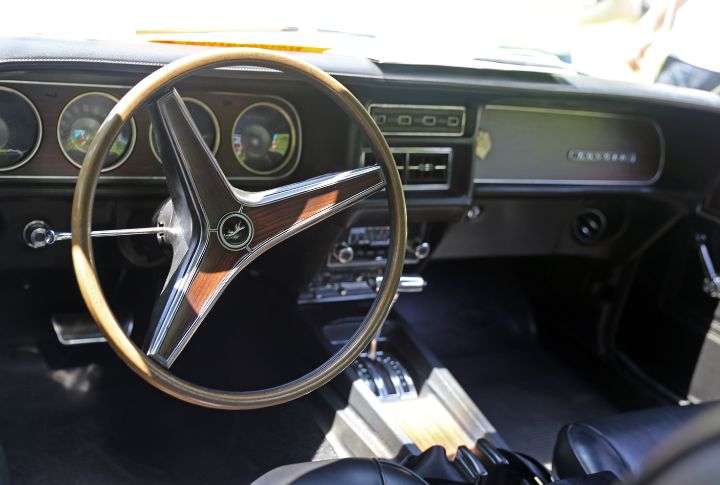
The Eliminator had upscale features like wood-grain dash trim and high-back bucket seats. Optional AM/8-track players and tilt wheels enhanced comfort. It was more refined than most pony cars, and it offered muscle car performance with luxury car interiors.
Hidden Headlights With A Signature Look
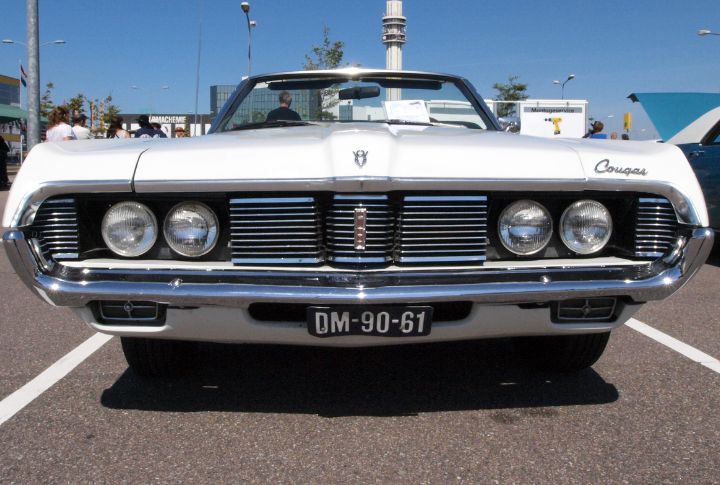
When the headlights weren’t needed, vacuum-operated covers kept them concealed. This clean, futuristic design was exclusive to Cougars, giving the Eliminator a sleek front profile. Today, restorers prize this subtle detail for its blend of function and flair, true to late-1960s automotive innovation.
Performance Axles Engineered For Launch Power
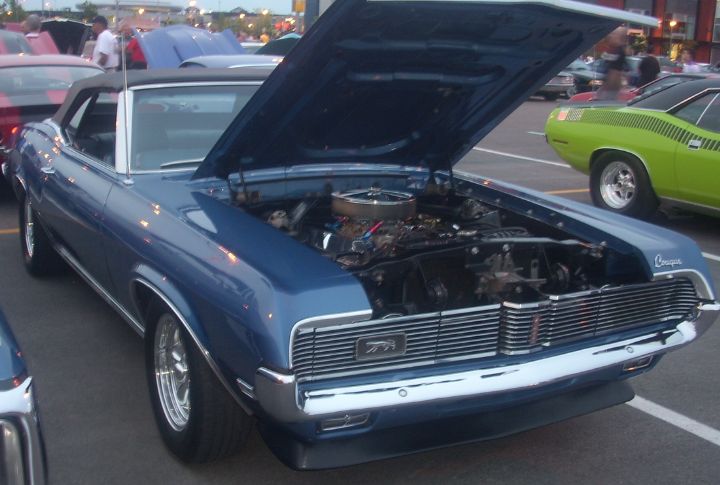
The 3.50:1 standard axle, or optional 4.30:1 with Drag Pak, made this car dig in off the line. Both were mated to Ford’s 9-inch rear ends, built for strength and torque. That rear setup remains a go-to for builders chasing serious off-the-line grunts.
Factory Aero Spoiler And Stripe Kit

A rear deck spoiler and side striping weren’t there for decoration. Aero-tested to reduce lift and increase grip; they also helped define the Eliminator’s identity. Unlike add-on kits of the day, these factory elements merged looks and engineering in one cohesive, aggressive package.
SCCA Trans-Am Roots Behind The Build
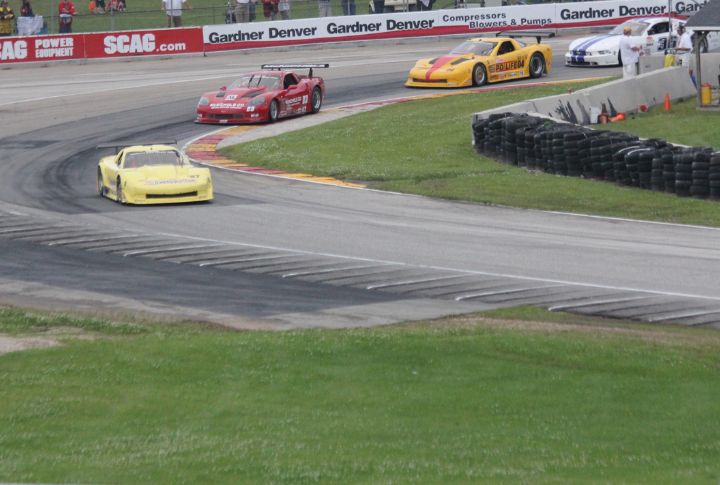
Mercury engineered the Eliminator with clear SCCA intentions. It wasn’t just mimicking track cars—it shared components and development roots with Ford’s race efforts. This was more than styling homage; it was a track-derived street machine shaped by real competition DNA.