Why do some semi truck exhausts have metal flaps on top?
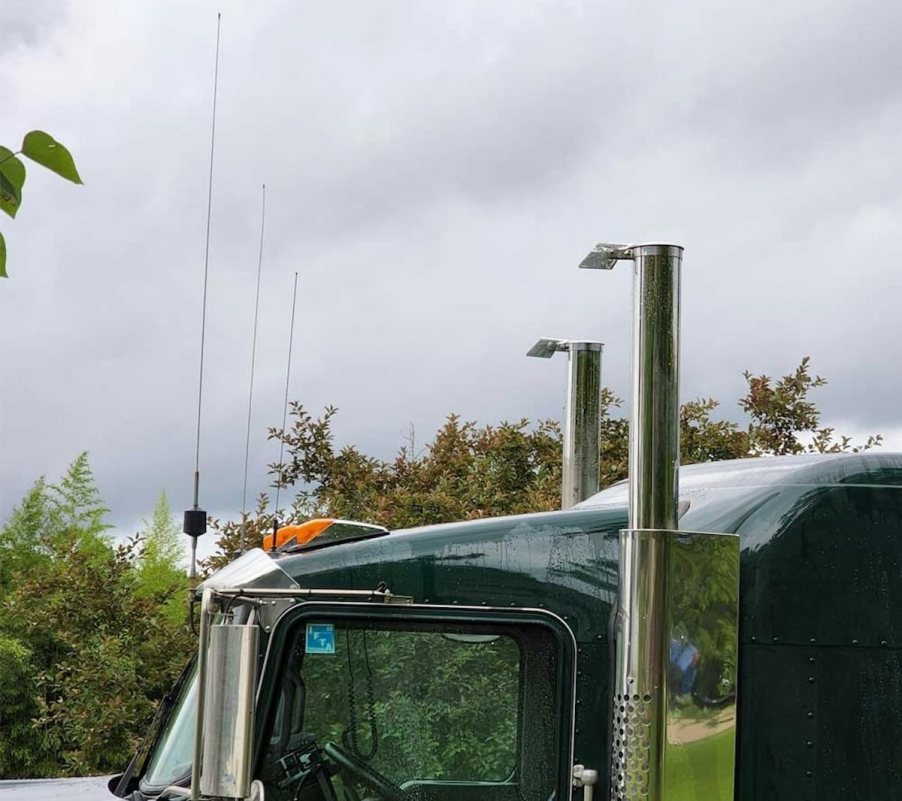
So you were driving behind a semi truck in slow traffic the other day and noticed something peculiar at the top of its tall exhaust stacks: small metal flaps that flip open with each rev of the engine, then snap shut when it slows down. These “rain caps” are no quirky decoration or “Pac-man” tribute—they’re actually vital for keeping the truck’s engine safe from water and debris.
Why trucks need rain caps
Rain caps are a useful feature for trucks with vertical exhaust stacks. Unlike cars, which have downward-angled or straight exhaust pipes, trucks’ upright exhaust stacks are vulnerable to the elements. If rain, snow, or debris enters the exhaust, it can cause serious engine issues, especially when moisture makes its way to the engine’s internals. In some cases, trapped water could even damage the engine’s head gasket, resulting in costly repairs.
How rain caps work
Rain caps are simple but effective: these hinged metal flaps close by default when the truck is off. As the engine revs, the exhaust gases push the cap open, allowing fumes to escape freely. Once the exhaust flow slows, the flap snaps shut to seal the pipe. This keeps out rain, dirt, and anything else that might damage or clog the exhaust system.
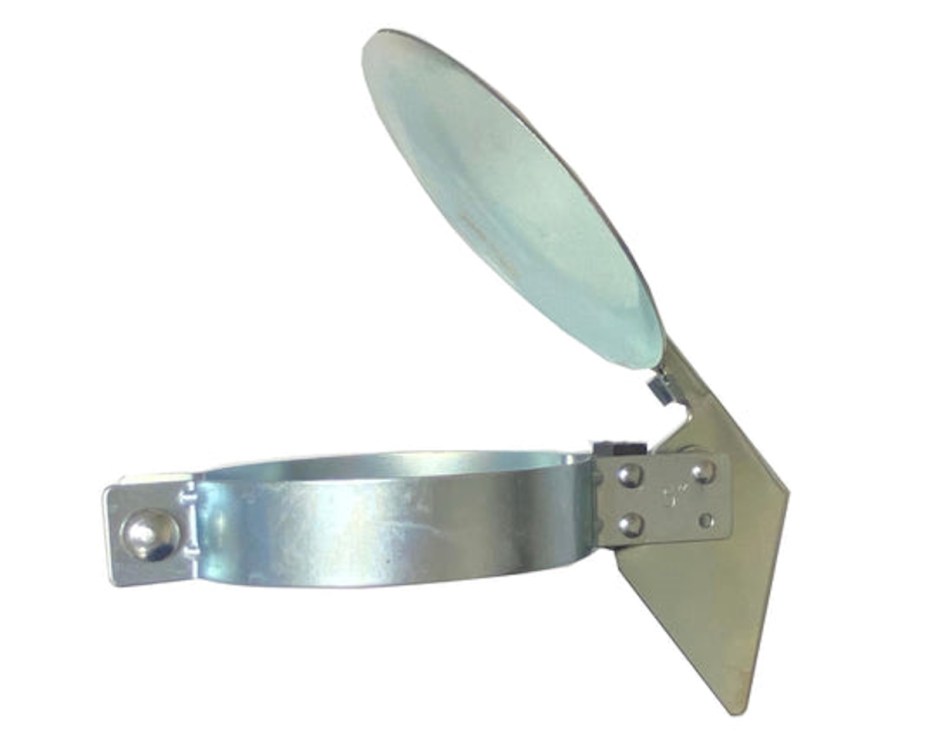
By blocking water and debris, rain caps prevent rust buildup in the exhaust pipes and keep the engine running smoothly. Their counter-weight design is easy to lift with exhaust pressure alone, requiring no extra controls from the driver.
Most trucks also have a drain at the lowest point in the exhaust system. So the system would need to really flood with water for any to get to the engine. That said, all that standing water could rust the exhaust pipe prematurely. And when you fire up a truck that has exhaust pipes filled with water, you’re going to coat the rig in a splatter of wet, sooty sludge. Yuck.
Why some trucks skip rain caps
Not every truck has rain caps, and it often comes down to aesthetics. Many show trucks—those built for car shows or styled to look sleek on the road—opt for chrome “diagonal cut” stacks that give a polished, streamlined look. Rain caps aren’t a great match for these designs, which is why their owners turn to other options to keep water out.
In an online forum dedicated to classic Mack Trucks, a user named Larry discussed his solution for covering these types of pipes: “I have two half-gallon milk jugs I slip over the stacks if I need to leave [the truck] outside.” But the routine gets old fast. After dealing with the hassle of climbing up to put covers on every time rain is in the forecast, Larry admits he’s “contemplating getting a pair of chrome ones [rain caps]” for his truck.
Small parts, big impact
While rain caps may seem minor, they’re crucial for protecting trucks from moisture and debris. These little flaps prevent rust, dirt buildup, and water-related engine damage, especially for working trucks parked outdoors. So, next time you’re following a big rig in traffic, take a moment to appreciate those hard-working caps keeping the truck safe from the elements.