RV Owners Beware: 20 Safety Slip-Ups That Could Cost You Big
What seemed like a harmless shortcut can quickly become a costly fix or a roadside headache. Many safety issues come down to habits formed early and never questioned later. Check out 20 of the most common safety mistakes RV owners make so you can spot them before they cause real trouble.
Overloading Your Rig
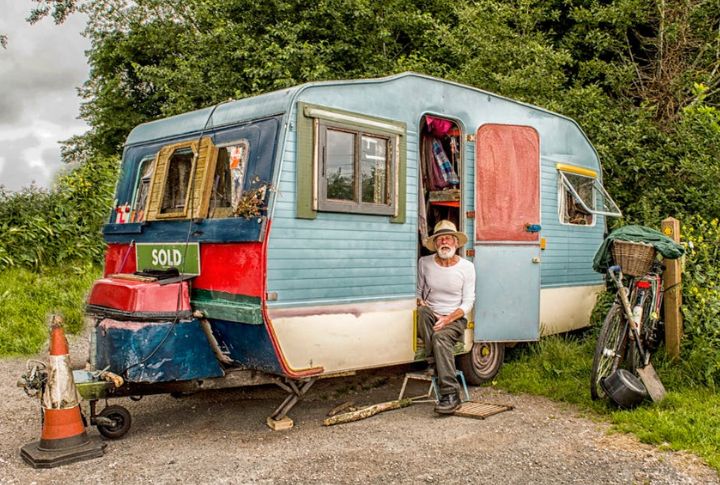
Many don’t realize the weight of fresh water and extra load in storage until something breaks. Overloading pushes the RV past its GVWR, stressing both suspension and braking systems. Insurance is often voided if an accident happens with an overloaded setup.
Skipping Tire Maintenance
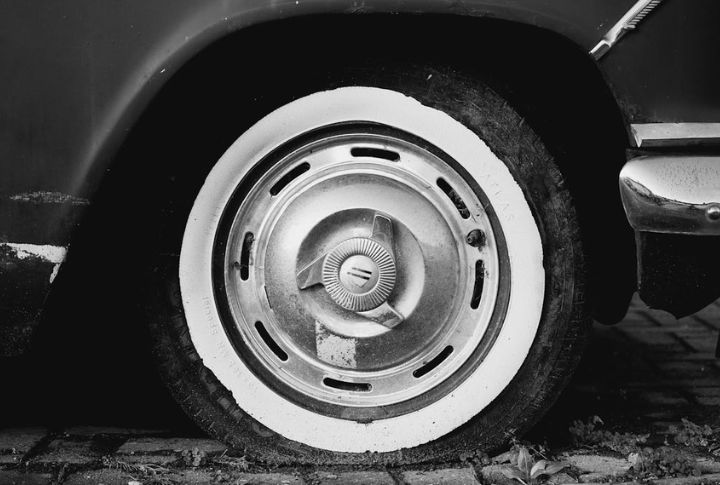
How old are those tires? Age degrades rubber long before the tread looks worn, especially under harsh UV rays. Combine that with underinflation, and you’ve got a recipe for blowouts. Some RVs leave the dealer lot with tires that are already under-specified for their weight or usage.
Ignoring Roof Inspections
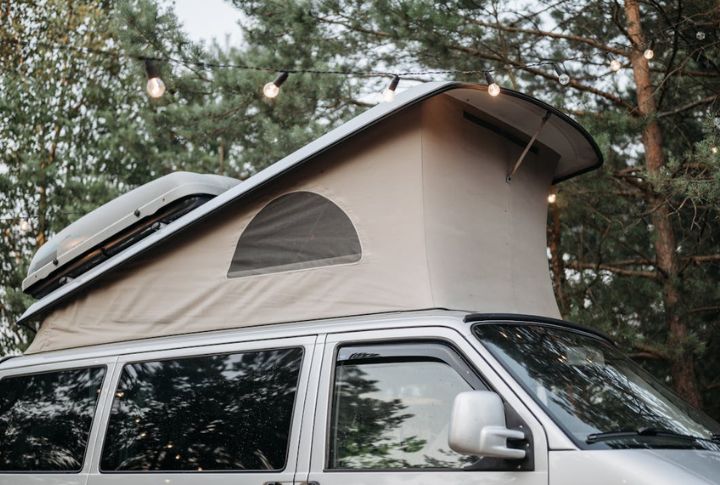
Cracks in sealant or torn roof edges might not drip today, but the next storm can reveal a soaked ceiling. Tree branches and sun exposure do their damage quietly. And once it’s there, repairing the interior often costs more than replacing the rig itself.
Forgetting Brake Checks
Some RVs roll off the lot and never get a brake upgrade. That’s a problem when they’re hauling serious weight down steep grades. A lot of owners skip inspections without knowing they’re legally required. Worse, if one brake line fails, it can knock out the entire system.
Using Non-Rated Wheel Chocks
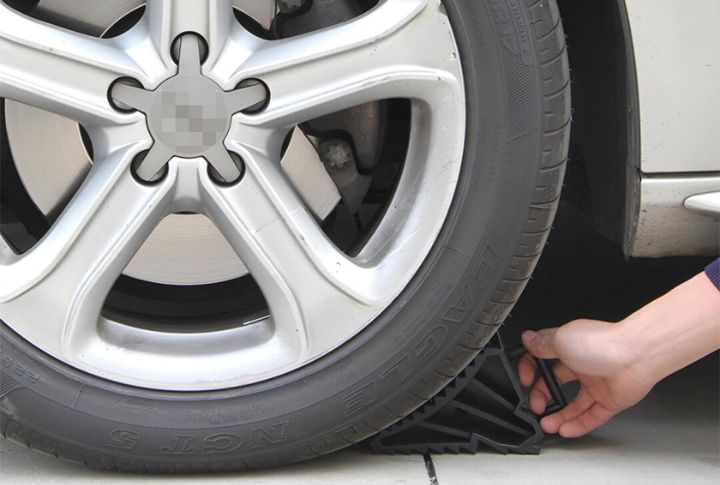
Plastic chocks from the bargain bin might look fine—until they don’t hold. On a slope, even a slight roll can crush them or send your RV creeping. Properly graded rubber or heavy-duty chocks with grip are a small investment that prevent big regrets when parking on uneven ground.
Relying On A Single Fire Extinguisher
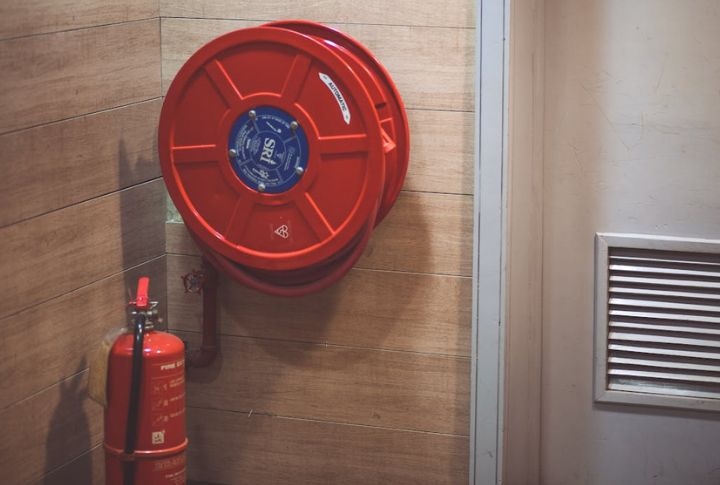
One extinguisher sitting by the door isn’t enough. Fires usually start in the kitchen, yet sleeping areas and electrical corners can trap you fast. And without regular checks, that “just-in-case” safety tool might be depressurized and useless when it’s needed most.
Using Old Or Frayed Power Cords

Cords that have seen too many seasons can crack, split, or lose insulation—even if they look fine at a glance. Sun exposure and years of wear weaken their safety. Oversized adapters and worn connections are especially risky when power demand spikes. Always inspect and replace before plugging in.
Not Leveling Properly
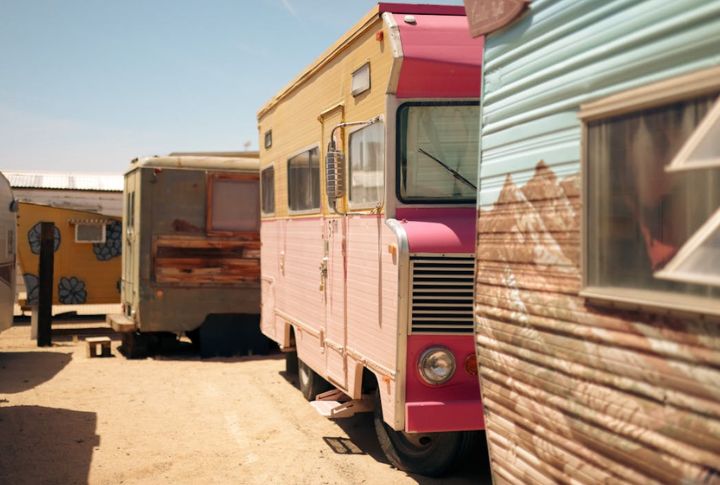
An RV that leans may still run, but it’s quietly taking damage. Slide-outs start struggling. Frames flex over time. Fridges don’t cool right unless they’re upright. Even tank readings get thrown off. Worse, some jacks have failed completely on uneven ground. Structural balance starts with leveling every time.
Neglecting Backup Camera Usage
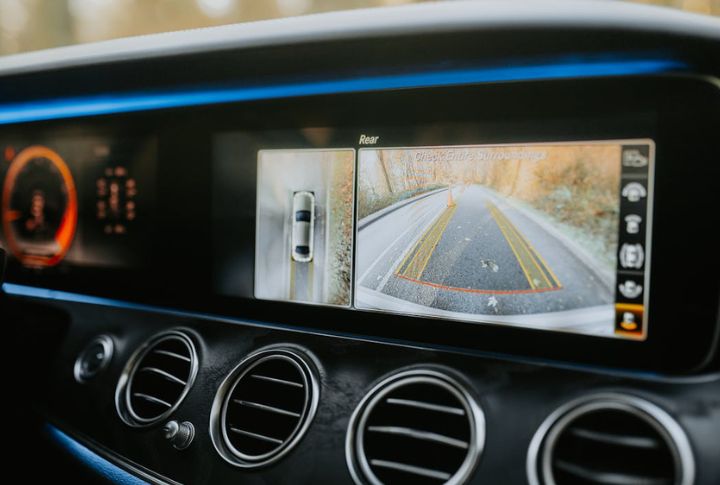
Neglecting the backup camera can lead to serious headaches in cramped campgrounds where trees, bikes, or even whole vehicles hide in blind spots. A fogged lens or a blocked view makes it useless. Some older RVs don’t have them at all, while newer models often need external power to stay active.
Failing To Secure Loose Interior Items
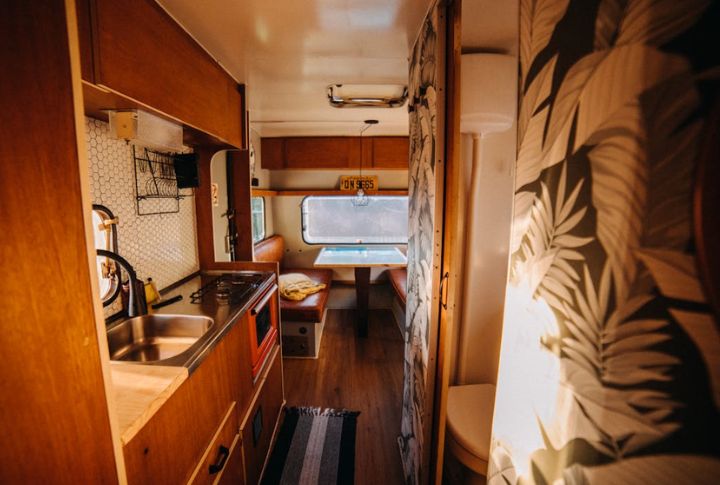
Everyday items turn risky when roads get rough. Laptops, dishes, and even groceries can go flying with one hard stop. Interior latches fail under vibration, and small objects quickly become trip hazards once you park. A quick sweep to stow or lock things down makes all the difference.
Driving In High Winds
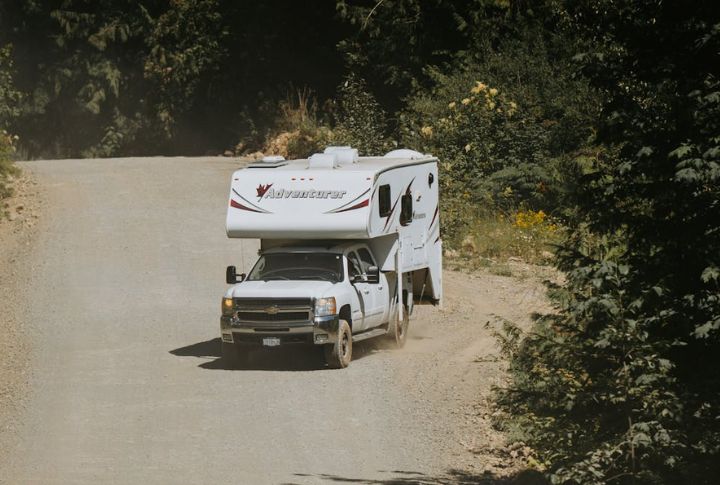
Out on open highways, it’s about stability. Gusts can catch tall RVs like sails, tipping them or yanking awnings clean off. Wind tunnels between passes amplify the danger. Many drivers misjudge crosswinds, and highway warnings rarely cater to RV-specific risks.
Letting Batteries Die
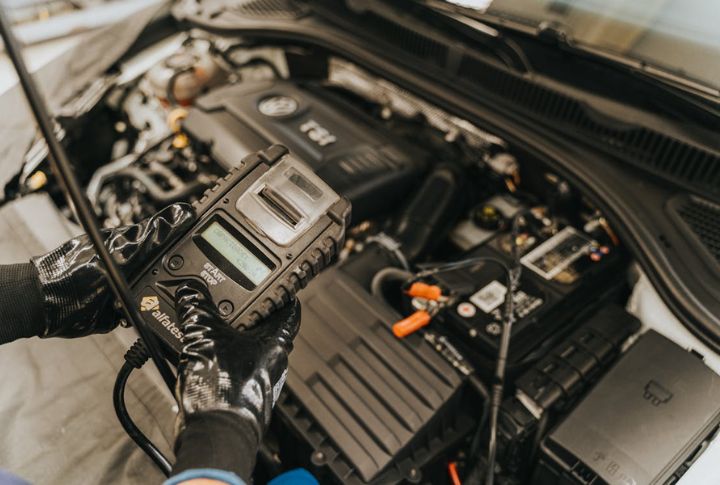
Slide-outs not working could be more than a switch. House batteries control systems that many don’t realize, including smoke detectors and water pumps. Sulfation sets in after one deep drain, slowly destroying battery life. Some need water maintenance, too. Solar also can’t bring back a fully drained battery.
Improper Generator Use
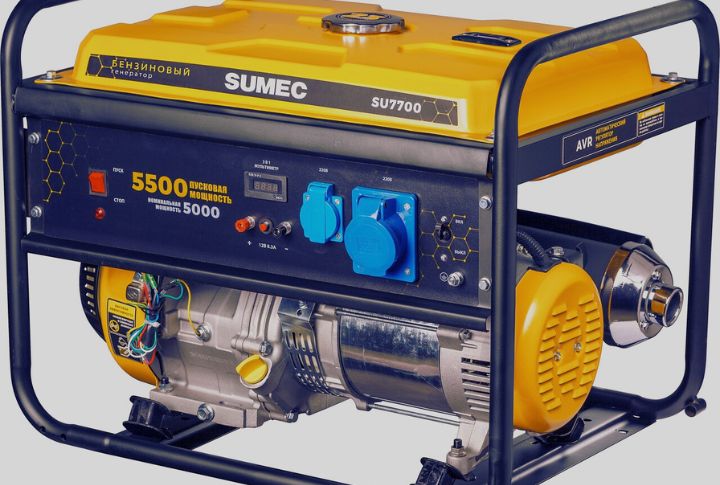
That hum from the generator sounds harmless until it isn’t. Fumes can creep back inside sleeping spaces through open windows or roof vents. Some generators surge power before stabilizing, and damage electronics. Overloads aren’t rare, and vibration has cracked frame welds on older RVs.
Driving Without Route Planning

RV travel needs more than a plug-and-go GPS. Many navigation apps skip restrictions like height limits and axle bans. One wrong turn leads to a steep grade that eats your brakes or a bridge that rips off your A/C. And not every rural gas stop welcomes larger setups.
Underestimating Turning Radius

Wide turns are necessary. Slide-outs and tail swings don’t follow neatly behind. It’s easy to clip parked cars or light poles in gas station lanes. Experienced drivers also struggle with crosswalk visibility when the overhang blocks their sightline. Mirrors help, but alignment still plays tricks on the eyes.
Using Household Extension Cords
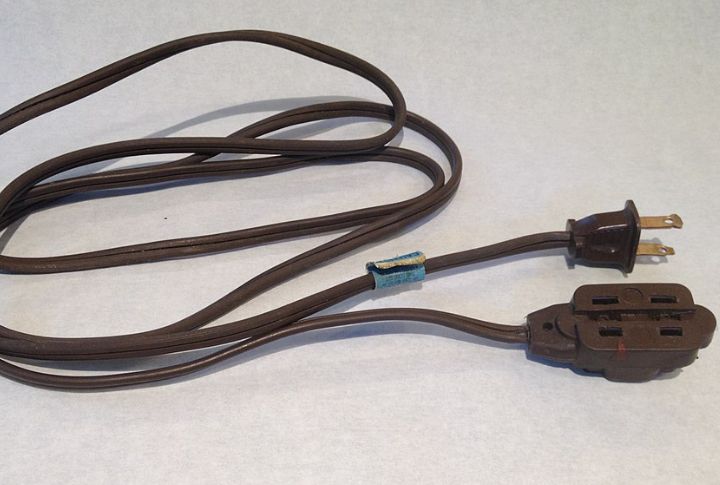
Household models can’t handle the load of a running AC and microwave, and they often melt silently beneath carpets. Worse, they may not trip breakers before overheating. Parks with safety inspections may ban them outright. Only weather-rated, heavy-gauge RV cords truly fit the bill.
Ignoring Weight Distribution
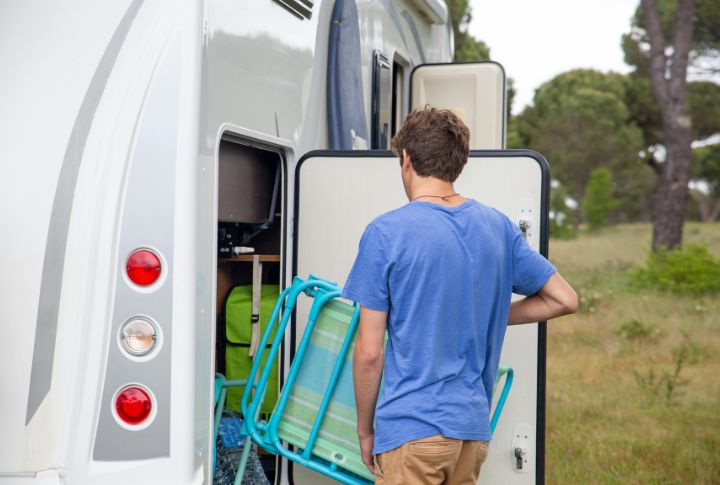
Packing your RV unevenly does more than cause a rough ride—it affects safety. Extra weight on one side wears tires unevenly, and poor tongue weight can throw off your steering and braking. If cargo shifts mid-drive, it can cause swaying or even tipping during turns.
Traveling Without Emergency Supplies

Breakdowns happen more often than most expect, especially in remote areas. A tire blowout needs the right jack and tools, and not every campground stocks essentials like water or first-aid refills. Moreover, many kits miss basics like burn cream or spare belts, but for RVers, backups aren’t optional—they’re survival gear.
Leaving Slide-Outs Extended While Parked Unattended
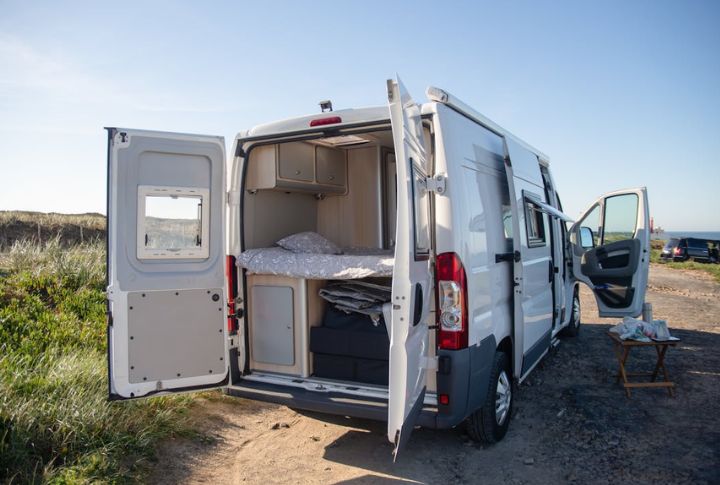
Slide-outs might seem fine sitting open, but weather and wildlife don’t wait. Rain collects on their flat tops, winds can collapse them, and animals sneak through tiny openings. Even worse, a sudden power loss can freeze slides mid-close. Campground traffic, too, can clip corners when space is tight.
Not Testing Carbon Monoxide Detectors
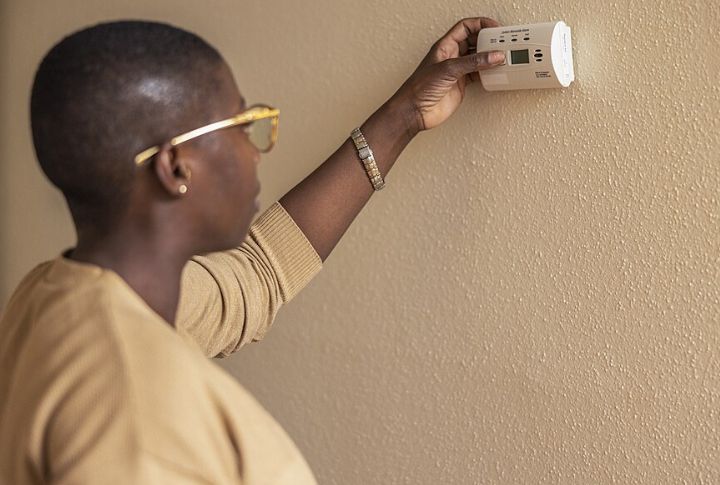
CO doesn’t knock. It builds quietly and can be fatal fast. Detectors lose accuracy after a few years and may only chirp once before failure. Generators and gas cooktops are the usual suspects. Interestingly, pets can notice the effects before humans do.