Russia Developing ‘Biodrone’ Spy Pigeons That Are Controlled Remotely Using Brain Implants
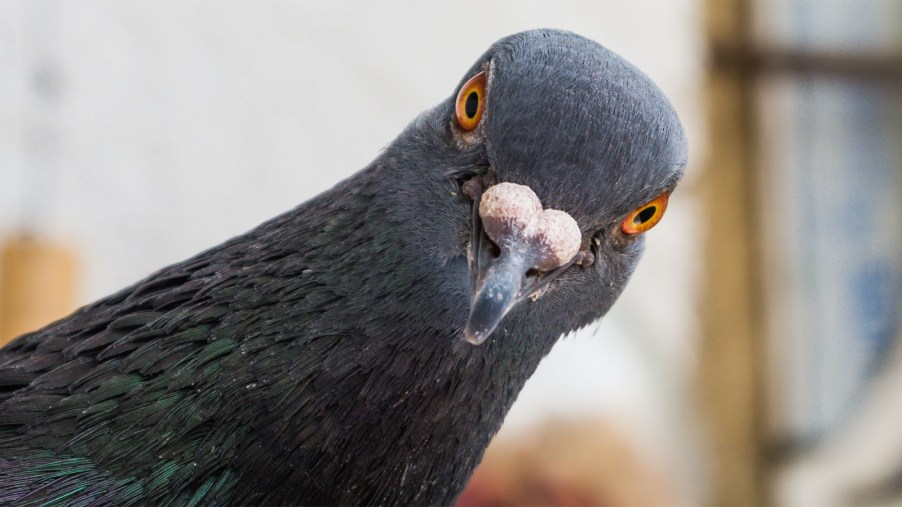
A Russian neurotechnology company is developing a system that turns pigeons into remote-controlled “biodrones.” Using brain implants and solar power, Russia can deploy entire flocks of pigeons to spy on people and sensitive locations without detection.
The developers of these pigeon-based “biodrones,” Neiry, say an operator will be able to control the pigeon’s flight just like they would a regular drone. The pigeons, which Neiry says can cover roughly 310 miles in a single day, will have electrodes grafted onto their brains. The company connects these electrodes via a cable to a stimulator in a backpack worn by the pigeon. Small solar panels power the drones. The system also utilizes GPS and a camera, and you can load it with a flight task.
According to Neiry’s website, the camera attached to the pigeon “operates on the same principle as numerous cameras in public spaces.” The company also claims that artificial intelligence will erase or blur personal objects and faces from the pigeons’ video.
“The PJN-1 biodrone pigeon differs from an ordinary bird only in the wire of the neural interface protruding from the head, as well as the backpack with electronics,” Neiry states on its website. “Its main task is to provide monitoring of almost any type, for example, environmental and industrial, to conduct search and rescue operations, and to provide an additional safety loop.”
Russia can use this surveillance technology on just about any animal
According to Neiry, they don’t limit this technology to just pigeons. “Any animal becomes remotely controlled after surgery,” the company boasts.
Alexander Panov, founder of the Neiry Group of Companies, says they plan to eventually use ravens to carry heavier payloads, seagulls to monitor coastal objects, and albatrosses for large sea areas.
“Biodrones differ from conventional drones in their long operating time and range of use: the bird in the process of operation lives a normal life, which is no different in duration from the life of its relatives,” the company claims, adding, “The probability of a biodrone falling or crashing is small and equal to the probability of a bird falling. Therefore, biodrones can be safely operated in cities.”