15 Reasons Why The Ford Fairlane 427 is Extremely Rare
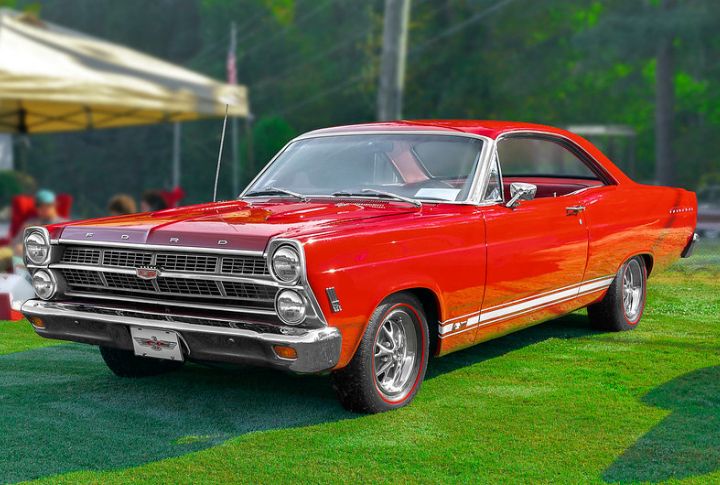
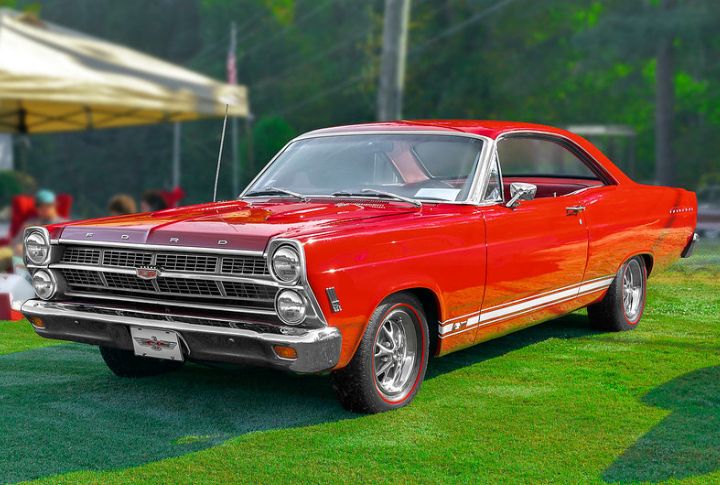
The Ford Fairlane 427, produced in the late 1960s, was an iconic muscle car with significant racing success. It established Ford’s reputation as a leader in performance engineering and is, in recent times, celebrated as one of the rarest classic muscle cars ever built. From its limited production numbers to its impact on American culture, here are 15 factors that made the Fairlane one of the rarest classic cars in history.
Production Numbers
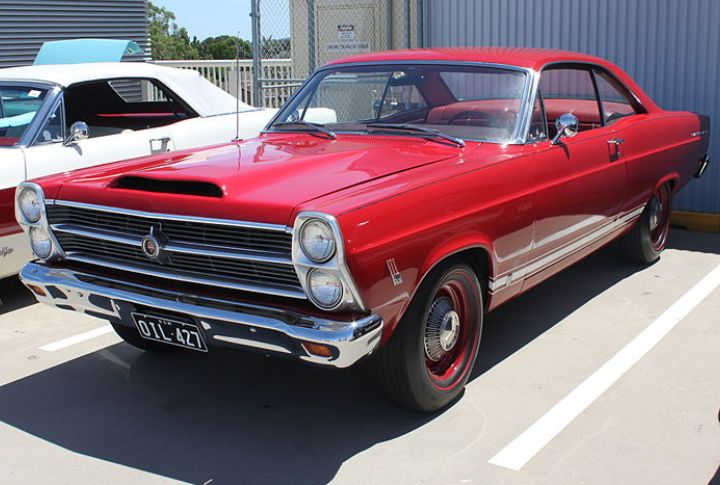
In 1966, Ford produced approximately 57 units of the Fairlane 427, making it one of the rarest models ever produced by the company. This low production number was due to its primary purpose as a homologation special for NASCAR racing. Homologation specials are produced in limited quantities to meet the eligibility requirements for certain racing events. NASCAR rules also required a minimum number of production vehicles made available to the public.
Preservation Challenges
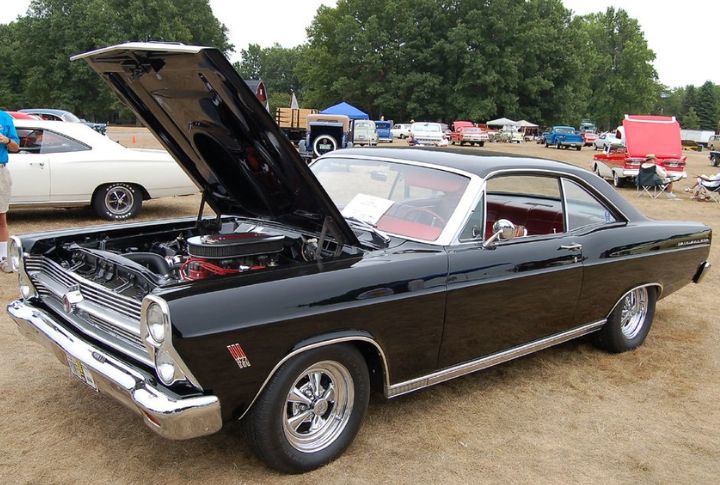
Preserving a Ford Fairlane 427 poses significant challenges due to its age and the nature of its use. Many of these cars were raced or modified over the years and are now in serious disrepair. Therefore, finding a Fairlane 427 in original, unmodified condition is rare, as many have undergone significant alterations. Furthermore, restoration requires sourcing rare parts and expertise, which is often challenging due to the limited availability of original components.
Age
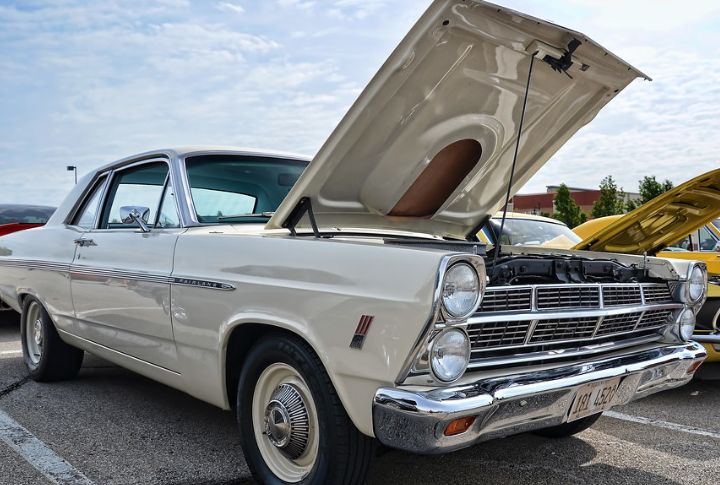
The Ford Fairlane 427 was produced during a period known for its remarkable developments in the automotive world. Since then, it has only added to its rarity, as many cars from this era have succumbed to the ravages of time. Rust, mechanical failure, and the lack of original parts have made it increasingly challenging to find well-preserved examples.
Condition
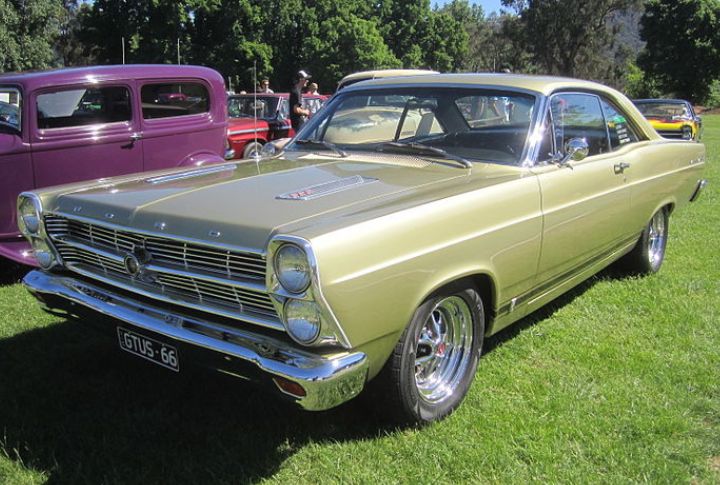
Cars that have retained their original parts, paint, and interiors are considered especially rare, as many classic cars have undergone modifications or restorations over the years. Originality is a critical factor that collectors look for. The Fairlane 427, given its performance-oriented nature, was often modified for racing or performance enhancement. Thus, unmodified examples are scarce.
Historical Significance
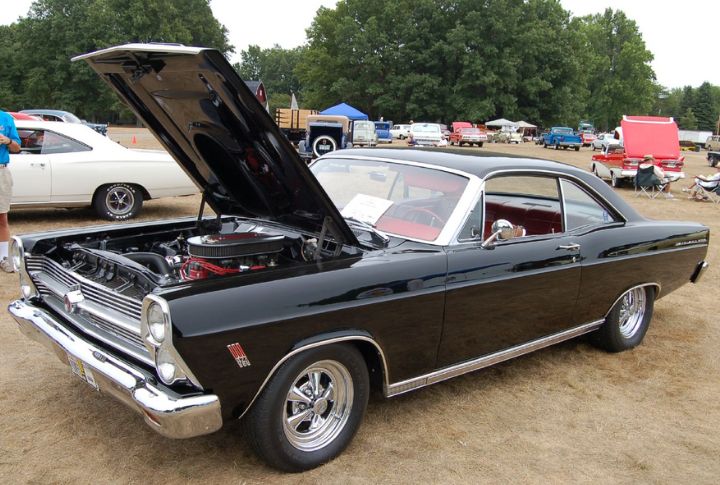
During the 1960s, Ford heavily invested in motorsport to assert its dominance in NASCAR and the broader automotive world. The Fairlane 427 was a critical component of this strategy: it served as a homologation special that allowed Ford to compete with high-powered rivals like Chevrolet and Chrysler. This historical significance adds a layer of rarity to the Fairlane 427.
Performance
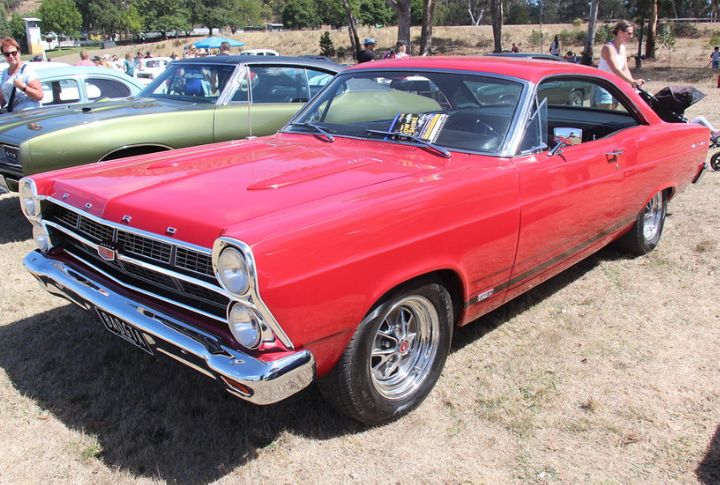
Equipped with a formidable 427 cubic inch V8 engine, the Fairlane 427 was designed for speed and power. This engine produced around 425 horsepower, a remarkable feat for a production car in the 1960s. Such high-performance specifications made the Fairlane 427 a highly desirable car for performance enthusiasts, contributing to its rarity. The car’s powerful engine and racing pedigree make it a rare find in today’s market.
Design
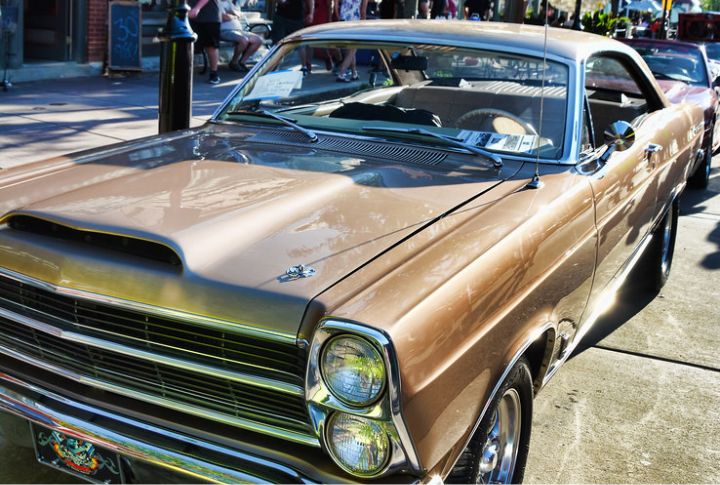
While the Fairlane was a popular model for Ford in the 1960s, the 427 variant came with specific design elements. These included functional hood scoops, which helped improve engine cooling, and distinctive badges that signified its powerful engine. Collectors are drawn to its unique styling, which reminds them of the golden age of American muscle cars and the innovative design philosophies that defined the ’60s
Customization and Options
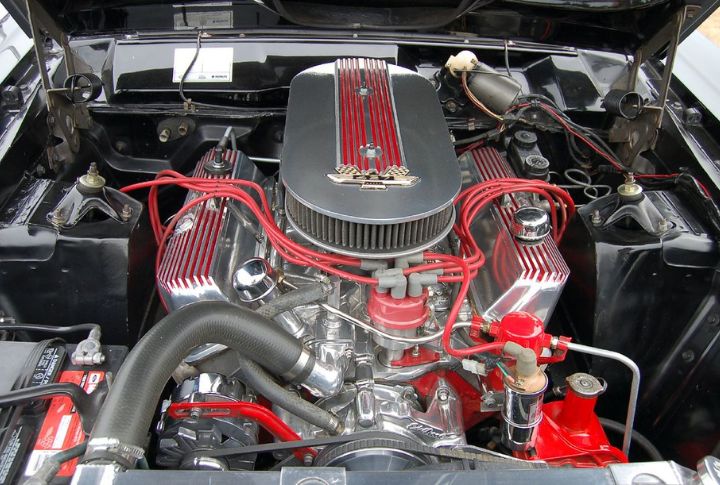
The vehicle had performance-oriented features that were not available on standard Fairlane models. These factory options included heavy-duty suspension and brakes designed to handle the power output of the 427 engine. In addition, the car’s customization potential made it a popular choice for those looking to modify their vehicles. However, this meant that many Fairlane 427s were altered from their original factory specifications, making original models even rarer today.
Production Location
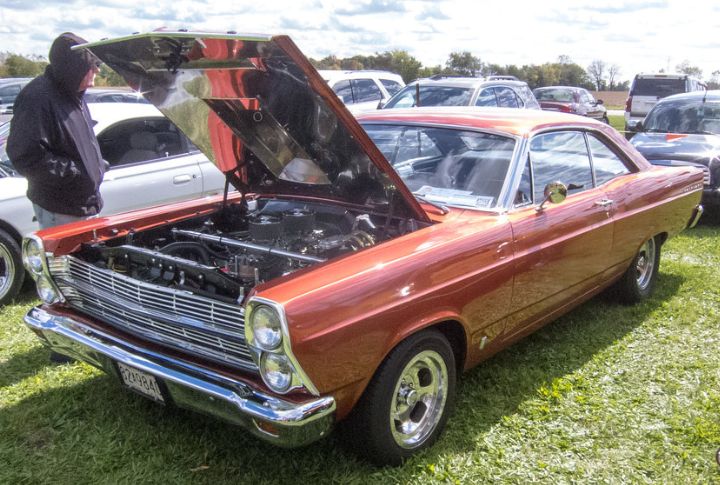
Ford had specific production plants dedicated to producing high-performance vehicles. Each facility was limited in capacity and focused on manufacturing cars that met specific performance standards. Therefore, building the Fairlane at one of those facilities adds a layer of prestige to its legacy. Collectors often view such cars as more desirable because they represent the pinnacle of automotive engineering from a particular era.
Market Demand
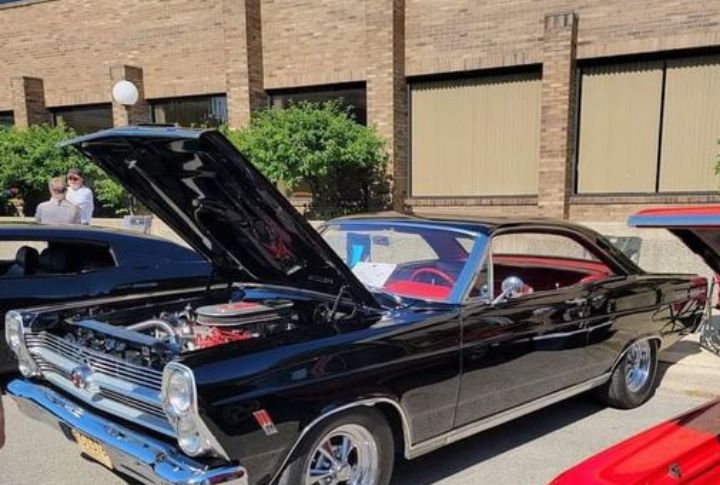
At its launch, the market demand for the Ford Fairlane 427 was primarily among racing enthusiasts and those seeking high-performance vehicles. This demand limited the car’s appeal to a niche market, as the average consumer typically opted for more practical and affordable options. Because the demand for such specialized vehicles was less widespread than it is today, the Fairlane 427 was produced in limited numbers.
Cultural Impact
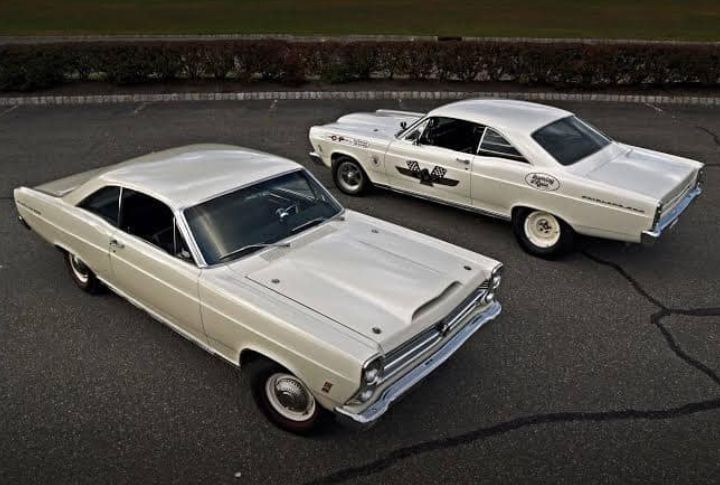
The muscle car era peaked in the ’60s, and vehicles like the Fairlane 427 became symbols of power, speed, and freedom. These cars represented a generation’s fascination with motorsport. The Fairlane 427’s influence also extended to music, movies, and media that celebrated the allure of high-performance vehicles. Furthermore, cars like the Fairlane 427 became synonymous with individuality, a theme that resonated with the youth of the time.
Special Editions
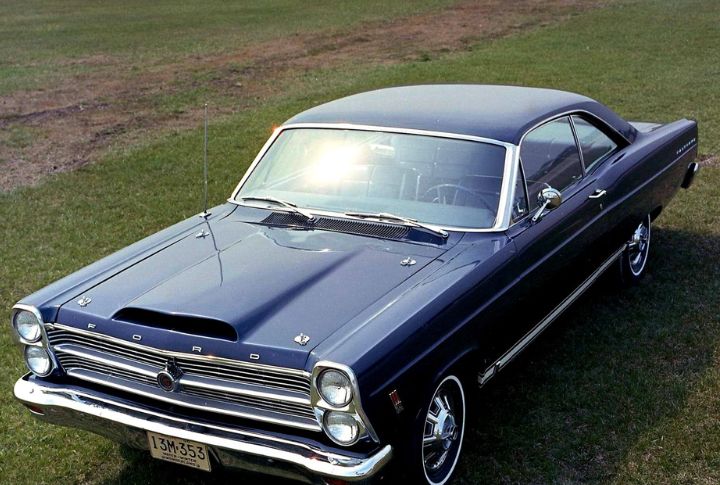
Special editions are often produced in limited numbers and have features and specifications unavailable on regular models. The Fairlane 427’s status as a special edition reflects Ford’s commitment to delivering a high-performance vehicle that could compete with the best in the industry. This focus on creating a distinct and exclusive model meant only a select number of enthusiasts could own this piece.
Export Restrictions
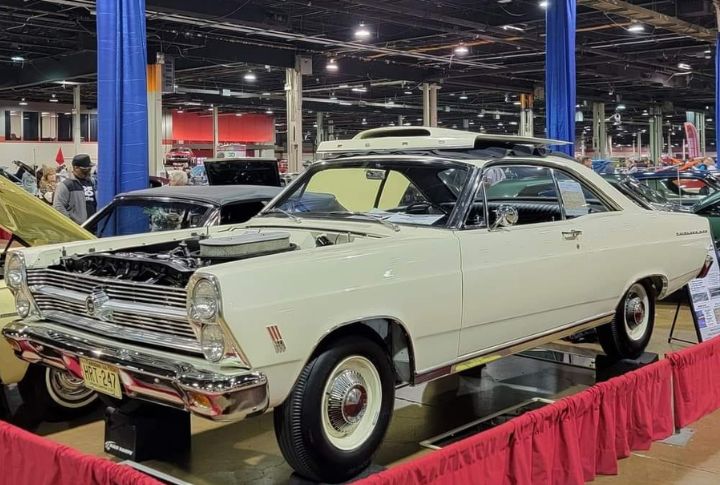
The Ford Fairlane 427 was primarily produced for the American market, with limited availability in international markets. This focus on the domestic demand contributed to the car’s rarity overseas. As is always the case, vehicles not widely exported are often viewed as rarer in foreign markets.
Manufacturer’s Reputation
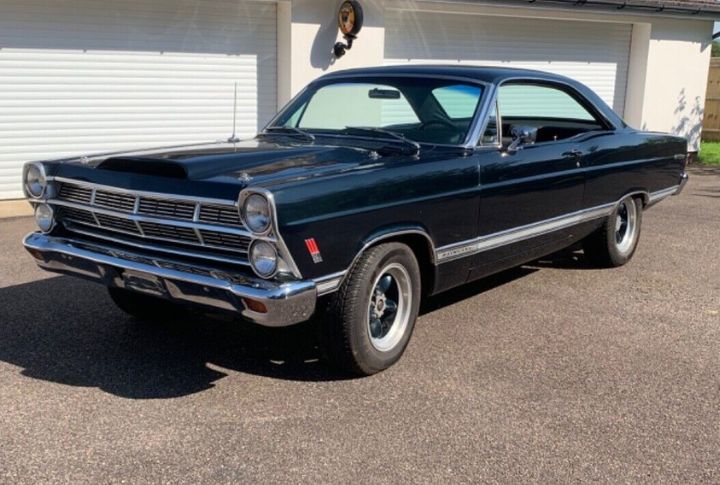
Ford’s reputation for producing iconic vehicles like the Mustang, GT40, and the Fairlane 427 during the 1960s has solidified its place in automotive history. The Fairlane 427 is proof of Ford’s engineering excellence and commitment to creating vehicles that excel on both the road and track. This legacy contributes to the car’s rarity as collectors and enthusiasts seek out these models.