10 Reasons The Lexus Brand Doesn’t Live Up To Its Hype
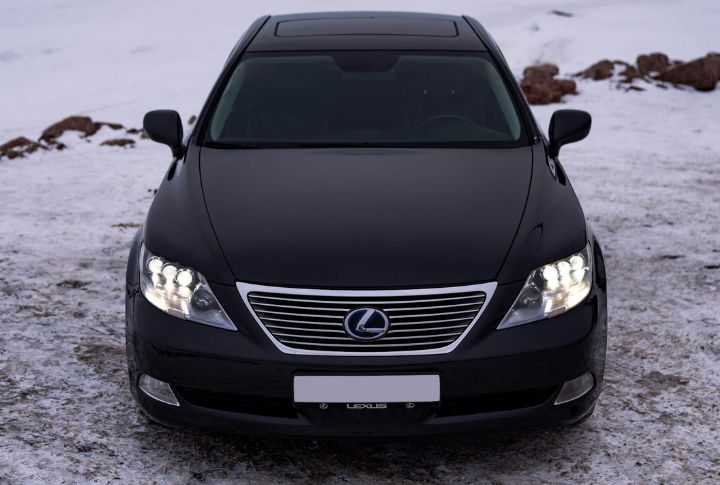
Lexus has built a reputation on refinement and reliability, but does that really justify the price tag? Once you look past the badge, the numbers and features don’t always measure up. Let’s explore 10 reasons why you should think twice before dropping luxury-level dollars on a Lexus.
It’s Still A Toyota At Heart
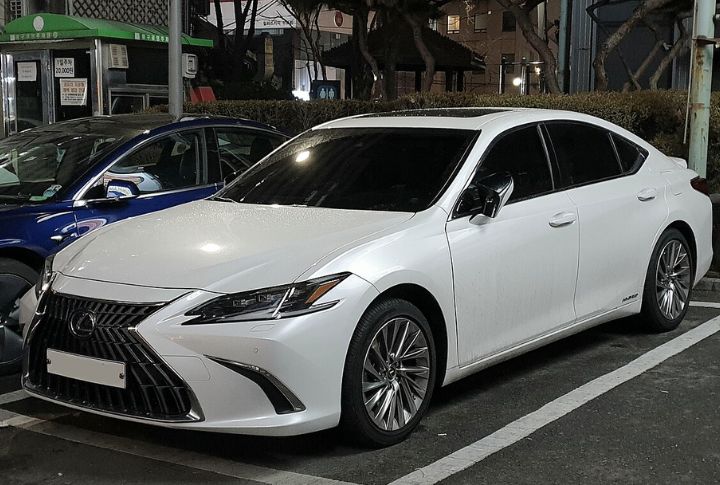
Lexus rides on Toyota bones. The RX and Highlander share platforms, as do the ES and Camry. In many cases, you’re paying thousands more for some softer leather, different badges, and perhaps slightly better tech. For buyers seeking true luxury engineering, the overlap is hard to ignore.
Leaks And Longevity Issues
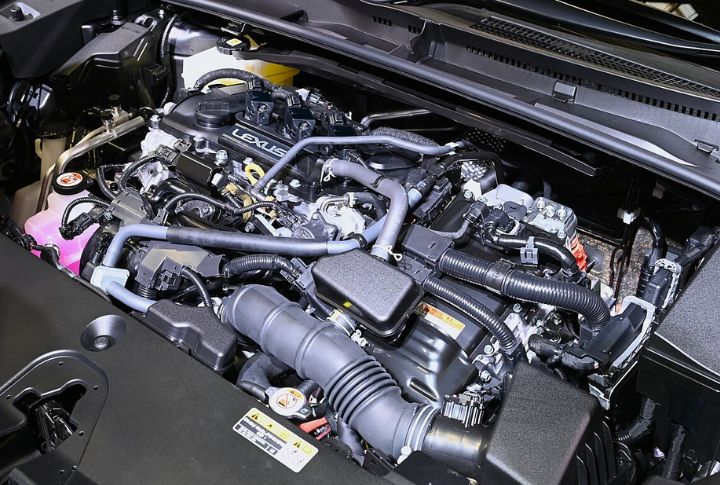
Although not common throughout the brand, models such as the 2004-2009 RX 330 and RX 350 are susceptible to oil leaks from the timing cover. Some users also note sunroof leaks in the 2010-2015 RX 350 trims. If such issues could cut across a decade of production, it leaves doubts about newer models.
Infotainment Feels Outdated
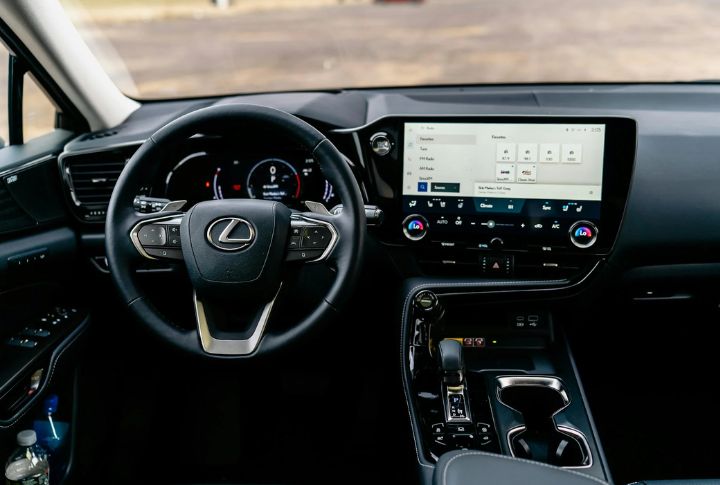
The notorious Remote Touch Interface of the Lexus pre-2022 models has been a sore spot for years. Touchpads and mouse-like controllers make simple tasks frustrating. Even as Lexus updates its systems, many models still lag behind in layout, graphics, and usability compared to German and Korean rivals.
Underwhelming Performance And CVTs
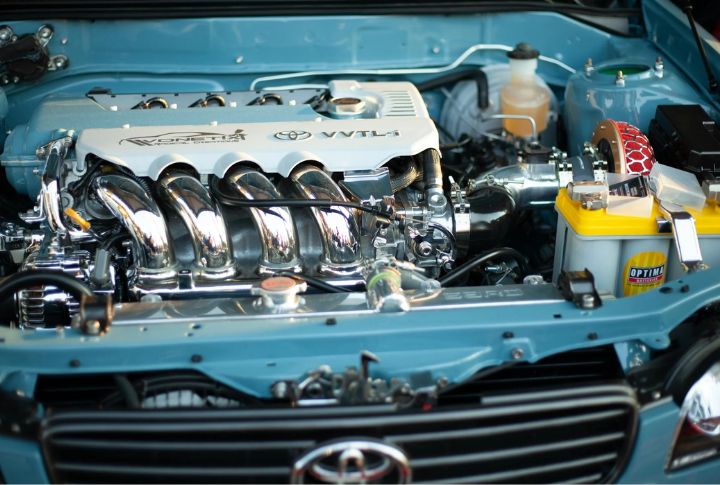
Some Lexus models, like the UX 200 and hybrid UX 250h, feature less powerful engines paired with Continuously Variable Transmissions (CVTs). While these powertrains are designed for fuel efficiency, they can make acceleration feel delayed, which may disappoint those expecting a sportier, quicker luxury driving experience.
Expensive To Fix, Even For Routine Work

Lexus vehicles are praised for their durability, but repairs can come at a high cost. Parts like hybrid batteries or adaptive suspensions often need to be sourced directly from Lexus dealerships. On top of that, labor costs at these service centers tend to be high, and many independent shops don’t have the specialized tools or expertise to handle repairs effectively.
Base Models Feel Bare
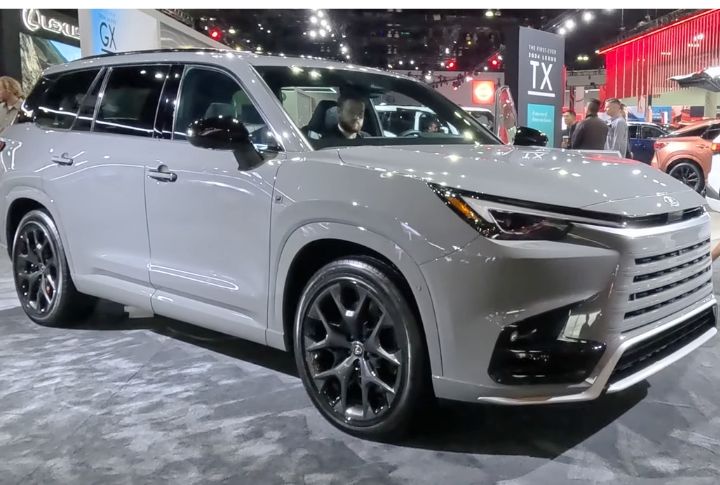
Entry-level Lexus models come with fewer standard features compared to competitors. Buyers often have to invest in costly upgrade packages for desired amenities. For instance, the 2025 Lexus TX, despite its upscale appearance, lacks luxurious detailing that would justify its price premium over similar models like the Toyota Grand Highlander.
Cutting The Third Row Leaves Rx Short On Space
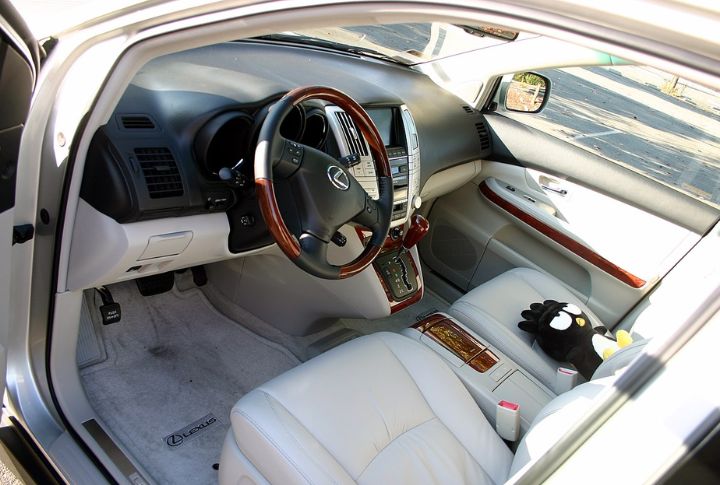
The newer RX has dropped the third-row option, removing one of its few practical benefits. Now a strict five-seater, it offers more second-row legroom, but the maximum cargo space with the seats folded has actually decreased. So, you’re losing both flexibility and room, not gaining anything. It’s a tough tradeoff to make.
Price Jumps Are Way Too High
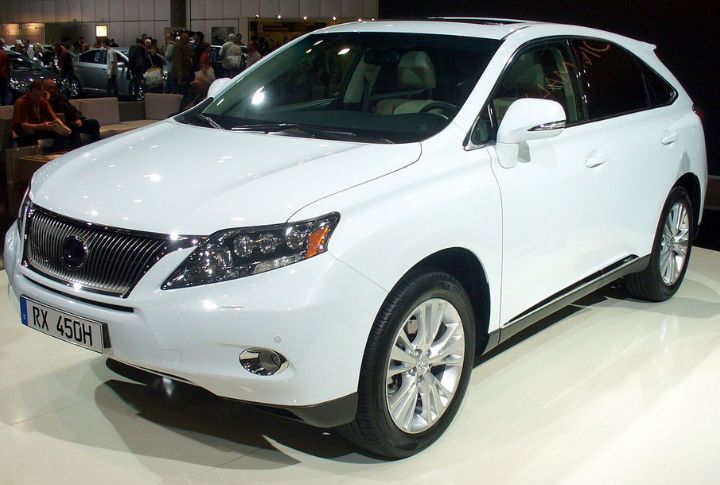
The gap between the base RX and top-tier versions is huge. While a standard RX 350 starts under $50,000, the plug-in RX 450h+ can top $75,000. That’s a $25,000 leap without offering anything groundbreaking. At that price, many buyers start looking at BMW, Audi, or Mercedes instead.
Driver Warnings That Feel Over The Top
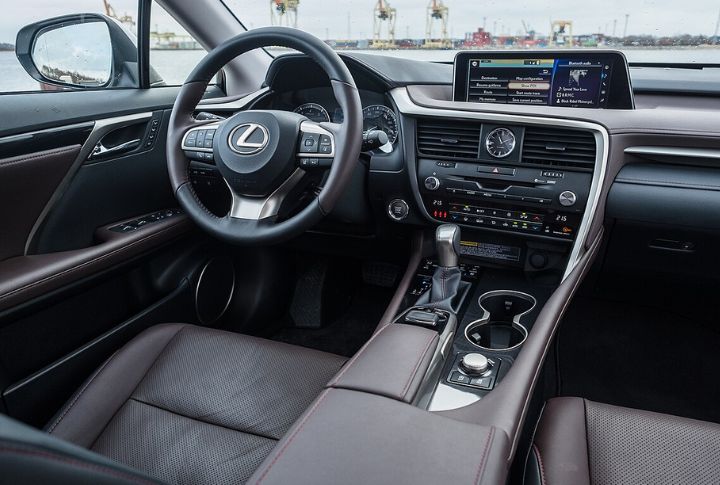
It might seem odd to complain about safety features, but constant beeping for minor things, like slightly exceeding the speed limit or nudging a lane marker, can become really annoying. The Lexus RX is packed with sensitive, repetitive alerts that can be distracting, which kind of defeats the purpose of having safety tech in the first place.
Weak Fuel Economy For A Luxury SUV

The non-hybrid RX 350 offers 22 mpg in the city and 29 on the highway—just slightly better than average for SUVs. Add all-wheel drive, and those numbers drop even more. German competitors deliver better performance with similar fuel efficiency. If you’re after better gas mileage, you’ll need to opt for the pricier hybrid version.