10 Reasons The 1971 Plymouth GTX Is A Muscle Car Masterpiece
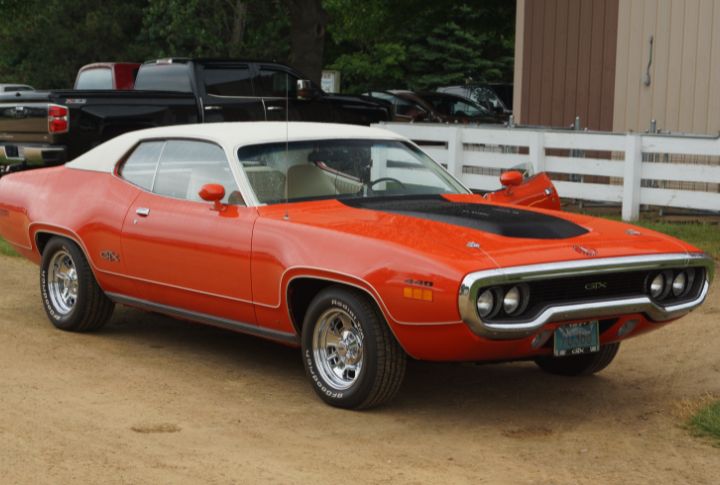
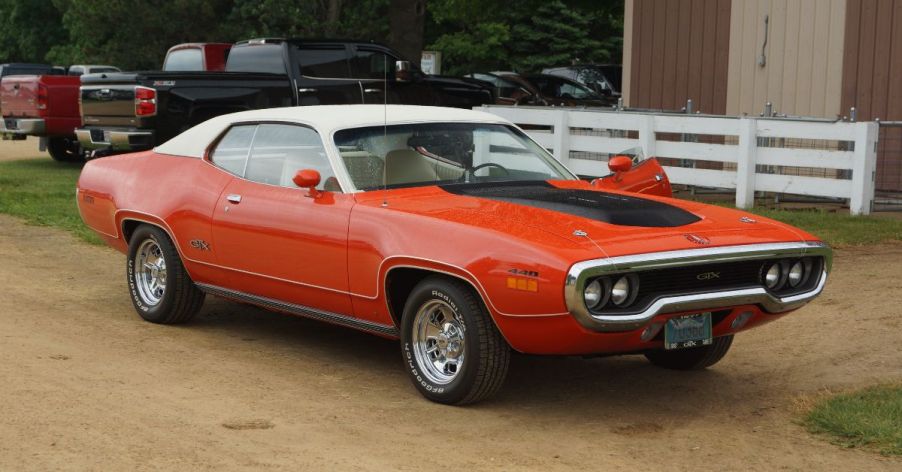
When the 1971 Plymouth GTX rolled off the line, drivers knew they had something special. It packed a mean engine, bold looks, and enough attitude to stand out even among muscle car giants. Decades later, collectors still chase it for a good reason. Check out ten things that make this classic a true powerhouse legend.
Legendary 440 Six Barrel Powerhouse
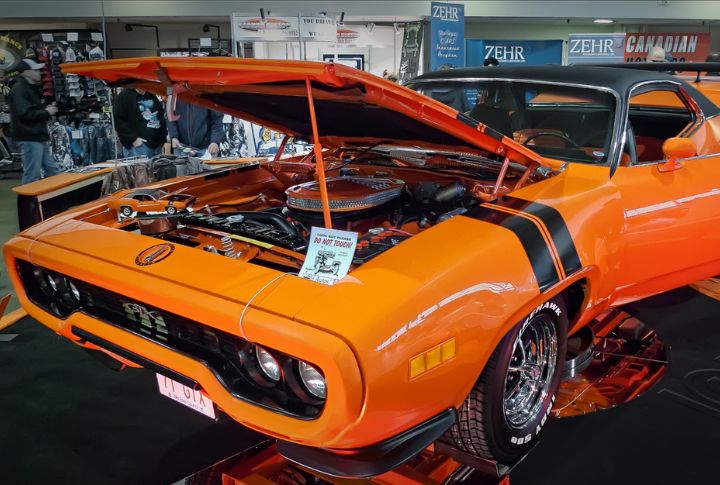
The 440 Six Barrel was pure muscle. With three two-barrel carbs under the hood and 385 horses on command, this beast tore through quarter-miles in under 14 seconds. Fewer than 3,000 were built, and it still steals attention at every vintage show it enters.
Rare Hemi Option Still Turns Heads
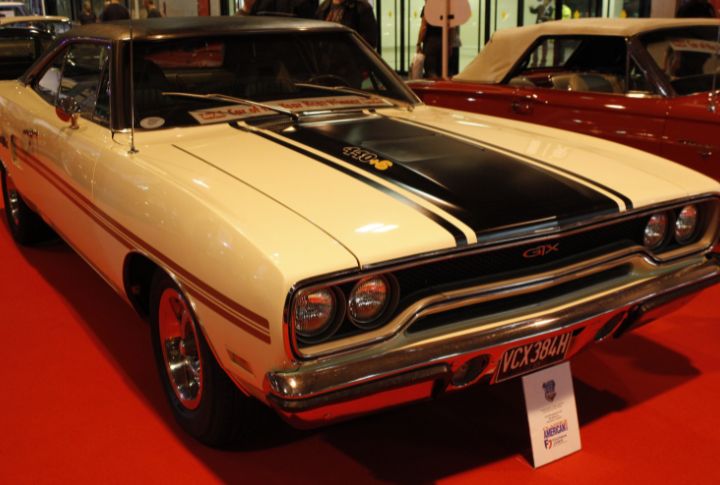
Only 30 GTXs rolled off the line with the 426 Hemi in 1971, and every one of them ranks as Mopar royalty. The factory-rated 425 horsepower served more than just bragging rights—it delivered blistering performance. These Hemi-equipped legends now headline auctions with jaw-dropping price tags.
Exclusive High Impact Colors Defined Cool
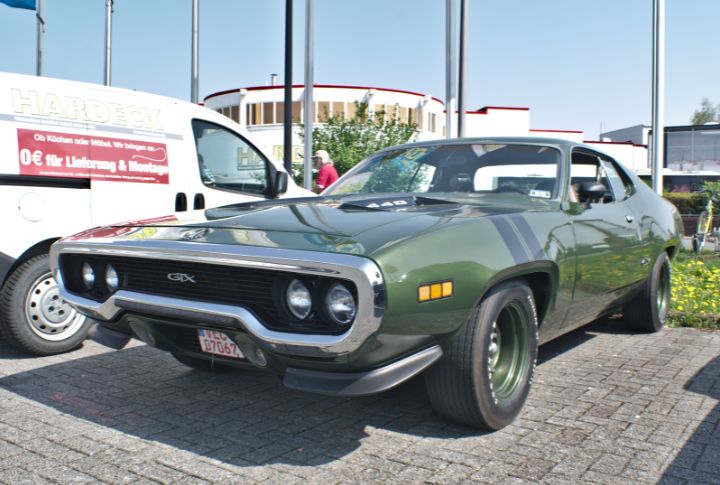
Plymouth went bold with its palette. Shades like Sassy Grass and In-Violet made the GTX stand out from the sea of dull sedans. Some matched interiors to the wild exteriors to turn every drive into a rolling statement. Today, these rare hues boost collectible appeal.
Aerodynamic Hood Scoops For Real Performance
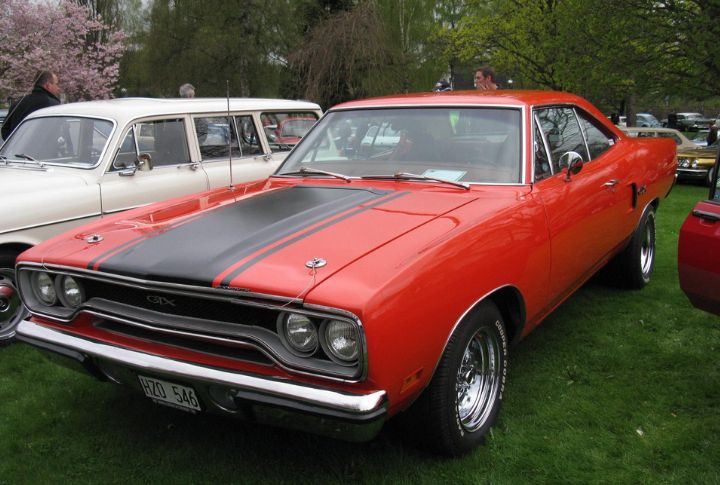
Those twin scoops had a purpose. They funneled fresh air into the carburetors, feeding the fire and elevating performance. Buyers who selected the ‘Air Grabber’ option added extra punch under pressure. Some even enhanced the setup with custom blowers peeking through the hood.
Plush Interior Kept It Civilized
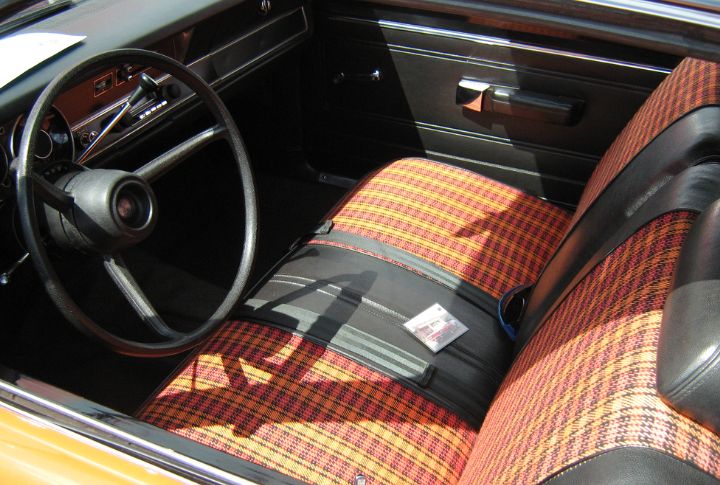
Inside the GTX, comfort met muscle. From vinyl bucket seats to wood-grain trim, this ride offered more than grit. Drivers enjoyed quieter rides thanks to smart insulation. And yes, that GTX embroidery in the seats served as a proud finishing touch.
TorqueFlite Automatic Delivered Seamless Power
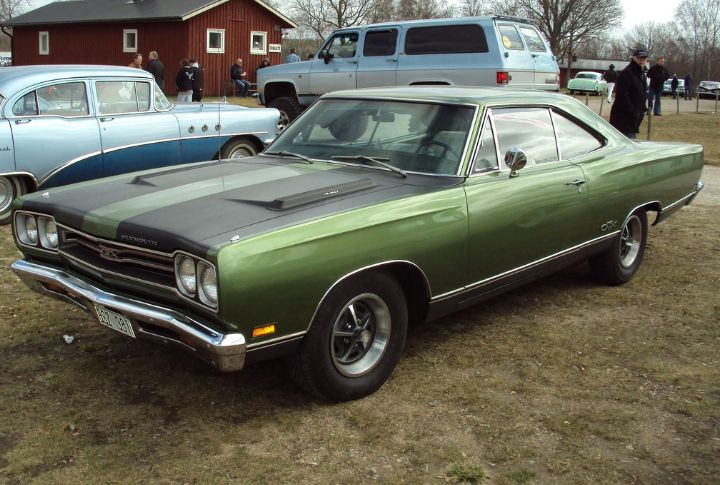
The TorqueFlite rose to every challenge. Designed to handle high torque, it paired beautifully with the GTX’s big blocks. Shifts came smooth under stress, making hard launches feel effortless. Restorers still admire how bulletproof this transmission feels, even after decades of demanding road time.
Sure Grip Differential Boosted Traction
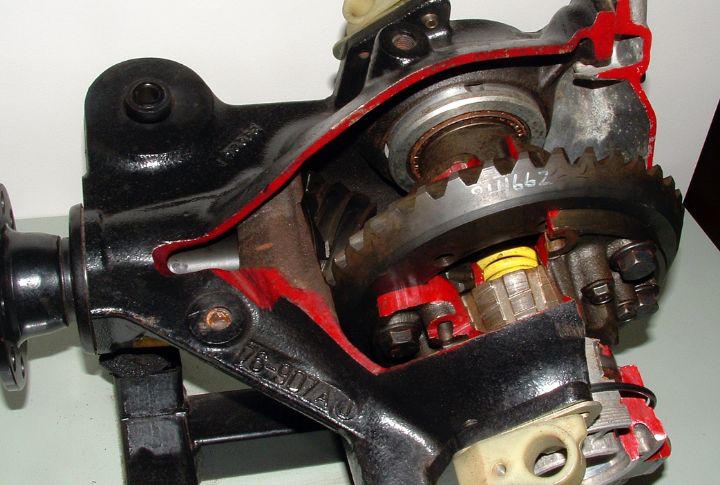
Tires alone didn’t carry the load—this differential did the heavy lifting. The Sure Grip setup made hard launches cleaner and drag runs smoother. Whether peeling out or hugging pavement mid-turn, it made every bit of horsepower count. Mopar fans still swear by it.
Hidden Headlights Added Sleek Style
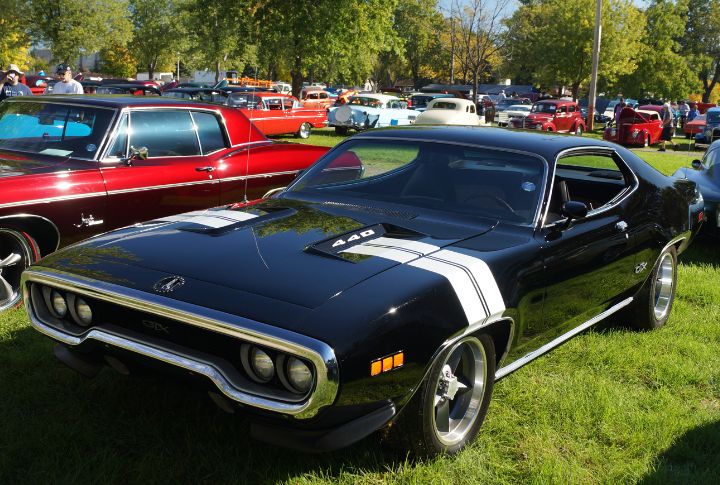
One glance and the attitude was clear. Hidden headlights created a cleaner, meaner front end that reduced drag. Back then, they gave the GTX an added showroom edge. Today, collectors love restoring that pop-up magic as a nod to its standout styling.
Heavy-Duty Suspension Tuned For Speed
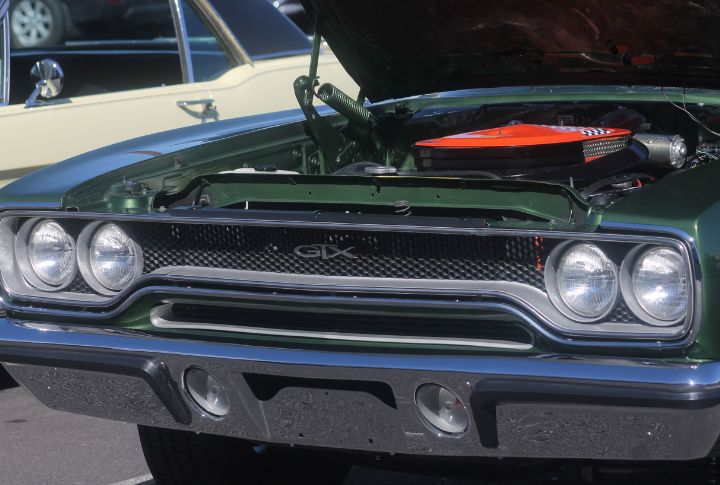
The GTX handled its power with confidence. Stronger shocks, beefier springs, and stiffer sway bars gave this car impressive balance. While rivals bounced through curves, the GTX held steady. That setup made long highway drives smoother than expected from a muscle coupe.
Design Choice That Held Its Own
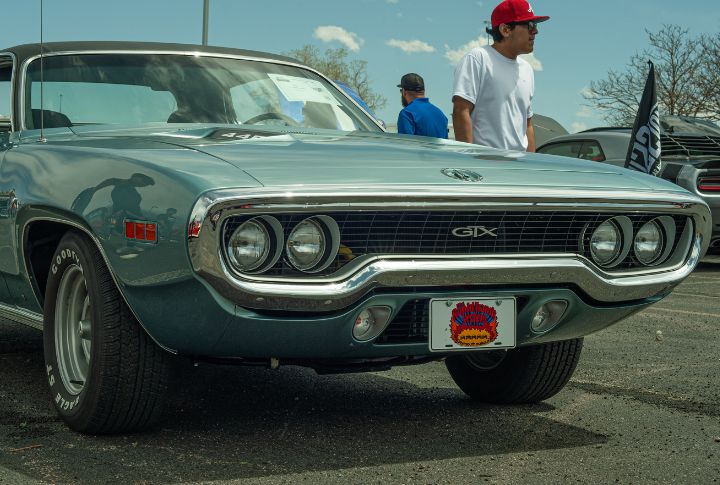
A striking grille set the tone for the 1971 GTX’s identity. Styled with a shark-like nose and aerodynamic intent, it helped reduce drag and sharpened the car’s attitude. That detail helped the GTX hold its own against rivals with a confident, unmistakable face.