10 Promising Planes That Met Their Ends Way Too Early
When a plane first takes flight, it’s a nod to aviation, marking a new page turned. However, sometimes, that dream gets cut short a little too soon. The ten aircraft you are about to read about had solid designs, wild ambition, and real potential—but fate or plain bad luck pulled the plug before they had a fair shot.
Hughes XF-11
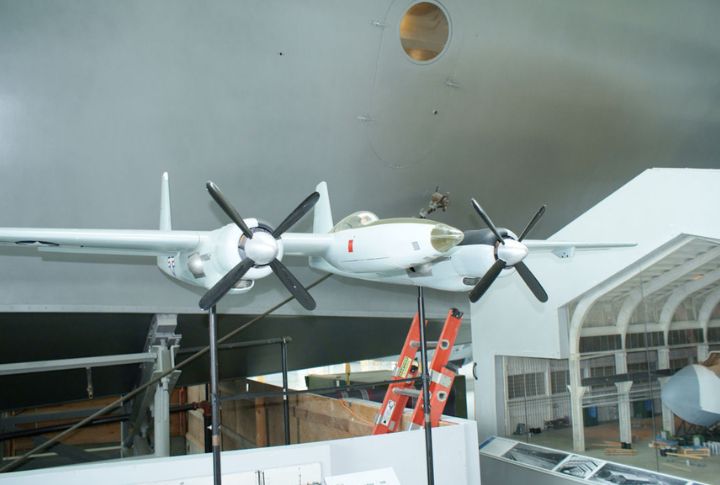
Big ideas often meet brutal first flights. The XF-11’s twin-boom spyplane frame tore through terrain when a hydraulic leak jammed the right engine’s propeller controls. Hughes, the pilot, survived by a whisker, but city blocks burned. Another version followed as the second prototype.
De Havilland DH.108 Swallow
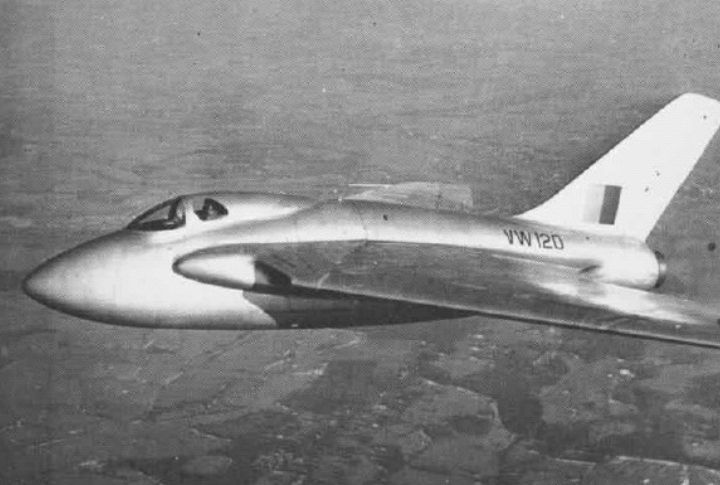
Designed to test swept-wing, tailless flight for future jetliners, the Swallow flights flew straight into infamy, earning the name “killer.” Geoffrey de Havilland Jr. died in 1946 when the second prototype disintegrated mid-dive at Mach 0.9. The final prototype crashed in 1950 during stall testing; the pilot’s parachute failed to open in time.
Tupolev Tu-144
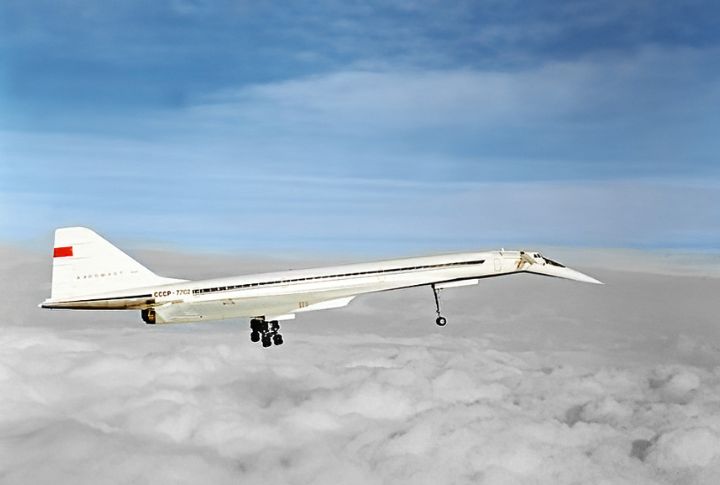
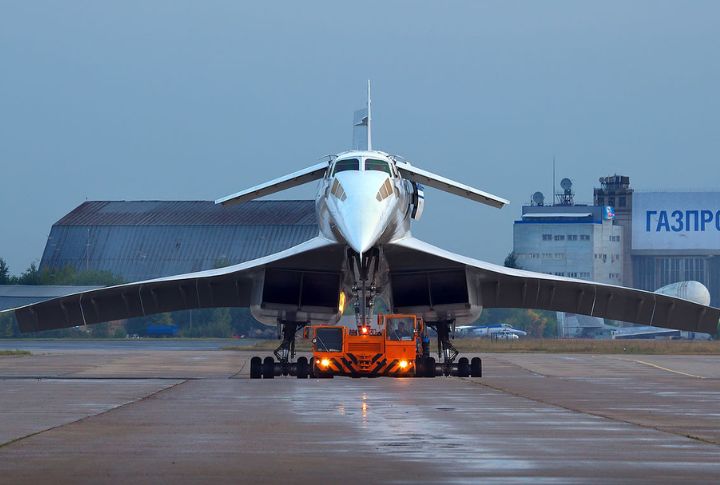
Pride flew too close to pressure at Paris in 1973. In a desperate attempt to outdo the Concorde, the Tu-144 dove steeply, panicked midair—possibly startled by a Mirage shadowing it—and shattered above Goussainville. Supersonic ambition died, along with all six crew members and eight people on the ground.
Avro Canada CF-100 Prototype
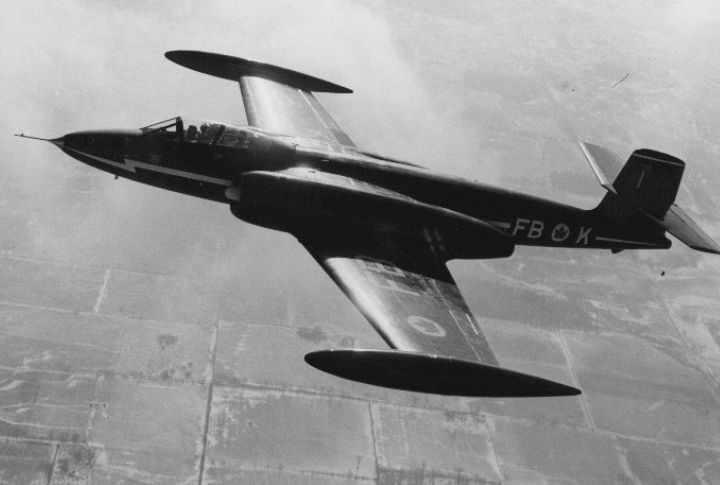
Oxygen failure at altitude can strike with no warning. That’s what doomed the second CF-100 prototype in 1951. Hypoxia might have hit hard, and the aircraft nose-dived into Komoka Bog, ending two lives. Yet from that wreckage rose Canada’s only mass-produced interceptor. It’s true, sometimes tragedy doesn’t always ground a program.
Northrop YB-49
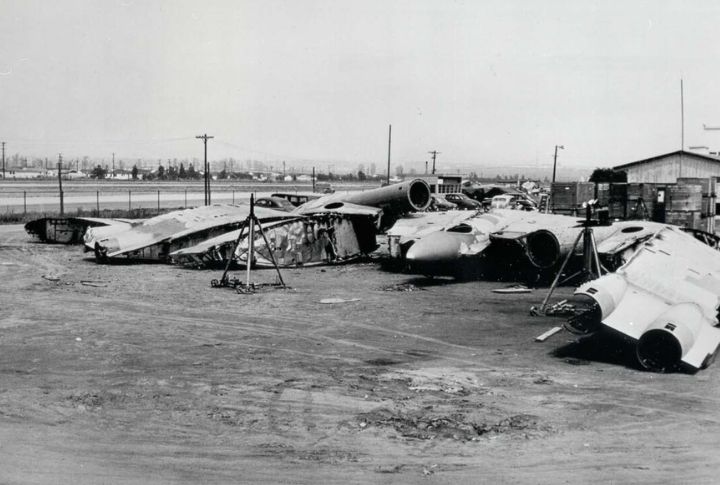
In 1948, at 40,000 feet, the YB-49’s sleek silhouette fractured during stall recovery testing. Its wings ripped free, and tumbled the jet into Mojave’s desert, killing five people, among them the test pilot Glen Edwards, whose name is the namesake of Edwards AFB. The crash clipped Northrop’s flying wing dreams for decades to come.
Martin XB-51
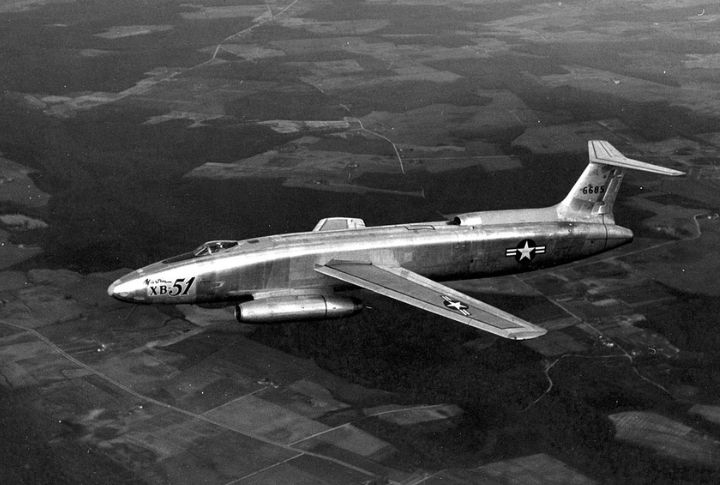
With wild design, the XB-51 could have rewritten bomber playbooks. However, fate had other plans, with two prototypes and two crashes in 1952 and 1956. The first incident occurred during low-level aerobatics, and the second was during take-off en route to a Hollywood shoot. It was outpaced by the English Electric Canberra, which evolved into the B-57.
R101 Airship
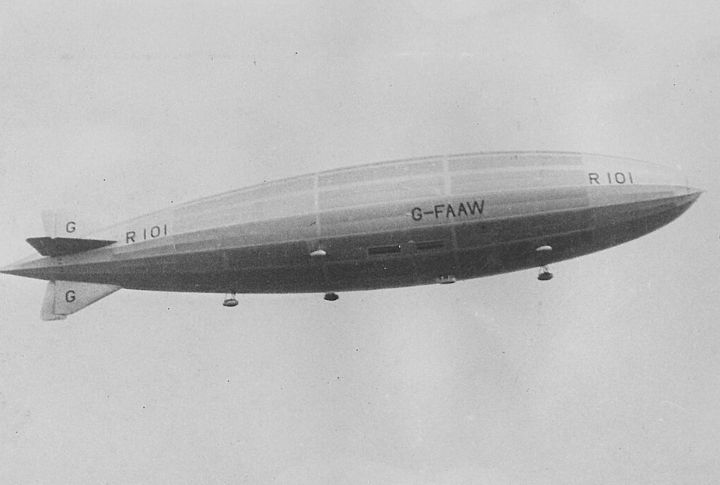
What started as a grand imperial journey to India ended in ash. The R101, Britain’s largest airship, plunged into a French hillside within hours of take-off. Hydrogen met a spark, and soon enough flames consumed it. With VIPs like the Air Minister and designers responsible for the build lost, Britain’s airship ambitions ended right there.
Saunders-Roe SR.A/1
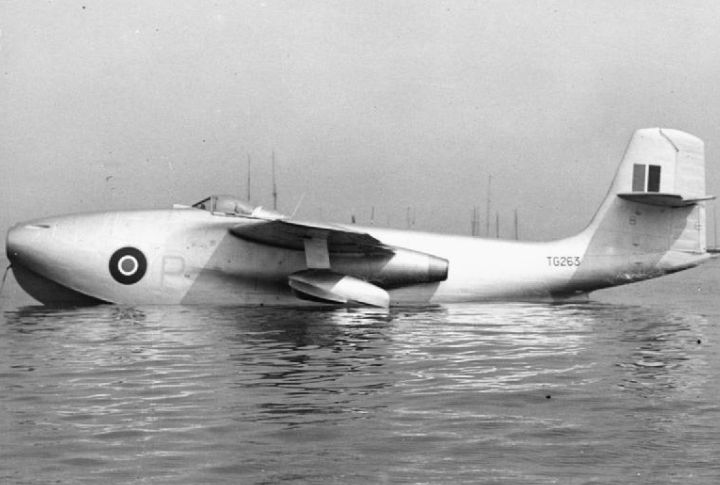
The SR.A/1 had jet engines, floats, and a future that fizzled fast. It crashed into the Solent on its first official sortie after engine flameout. The pilot’s life was spared because he was ejected into the water, but the project didn’t survive. It was shelved soon after, as land-based jets proved more practical.
Dassault Balzac V

Vertical flight proved fatal for the Balzac V. Its first hover test in 1964 spiraled out of control. The pilot ejected—only to pass on when his seat failed catastrophically. Despite the grim start, engineers refined the idea, eventually leading to the Mirage IIIV’s VTOL (Vertical Take-Off and Landing) ambitions.
Northrop XP-79
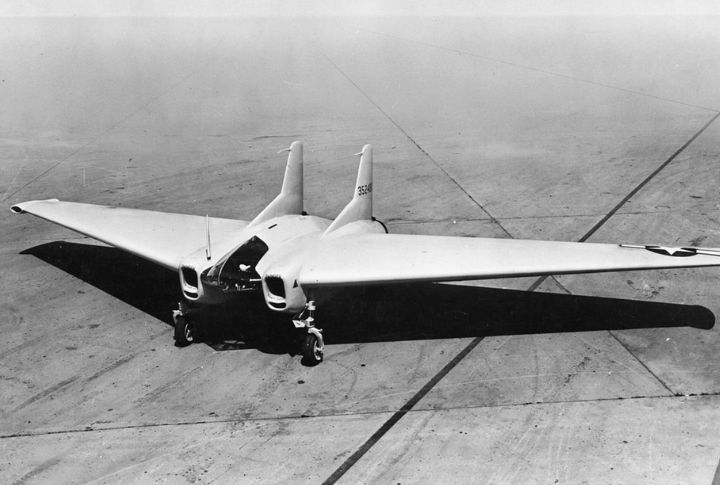
A jet-powered flying battering ram—that was the XP-79. Built to slice bombers with its magnesium hull, it flew once in 1945. Then rolled, spiraled, and crashed. The pilot’s (Harry Crosby) chute never opened, and the mission was over in minutes. Futuristic? Absolutely. But fate and physics refused to let it fly again.