‘Wrestling the Airplane’ – Pro Pilot Says Cessna C550 in Fatal Greg Biffle Crash Has ‘Known Issues,’ But New Co-Pilot Audio ‘Changes Things’
On December 18, seven lives were lost. A private Cessna Citation 550 lifted off from Statesville Regional Airport in North Carolina just after 10:15 a.m. It was in trouble almost immediately.
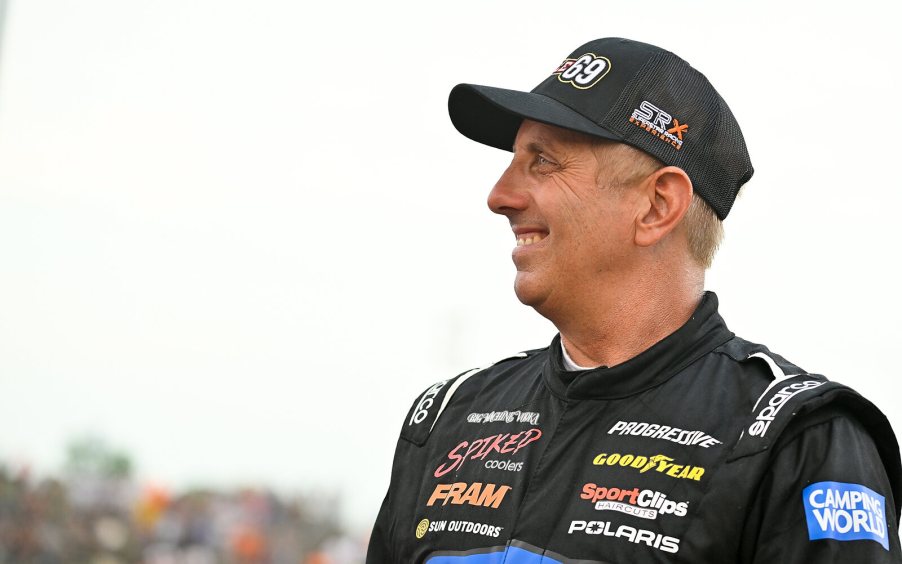
Less than 10 minutes later, the jet came down short of the runway on its return, killing all seven people on board. Among them was Greg Biffle, a former NASCAR star who later became known for flying helicopters on disaster relief runs and quietly helping people when the cameras were off.
Biffle, 55, was traveling with his wife Cristina and their two children, Ryder and Emma. According to CNN, also on board were Dennis Dutton, a 67-year-old retired Delta Air Lines captain, his son Jack (a student pilot), and longtime NASCAR community member Craig Wadsworth.
The National Transportation Safety Board says the jet departed runway 10, climbed to roughly 2,000 feet, then turned back toward the uncontrolled airport before crashing near the approach to runway 28. There were no survivors.
As investigators work through flight data, weather reports, and maintenance records, a short piece of cockpit audio has shifted how many pilots are looking at the accident.
The clip surfaced publicly while aviation YouTuber and retired airline captain Steve Scheibner, known online as Captain Steeeve, spent hours analyzing it
First, he notes that the audio is not a textbook distress call. There is no “mayday.”
Instead, a calm but urgent voice makes three broadcasts on the airport’s common traffic advisory frequency.
“We’ve got an issue,” the speaker says more than once, warning other traffic to stay clear and explaining the jet is circling back to land.
To Scheibner’s trained ear, that matters. He points out that Statesville has no control tower, so the pilots would have stayed on the same frequency they used for takeoff.
He also notes what the speaker does not say: There is no specific callout of an engine failure or a control problem. Just “issues.” Plural. The Captain finds this odd, as experienced pilots know to specify the precise emergency conditions and their intentions.
What’s been noted about Cessna C550 reliability
Captain Steeeve breezily mentions “known issues” with these planes, so I looked into common problems.
Interestingly, the Cessna 550 Citation II has decades of successful service in business aviation.
According to Aviation Safety Network accident reports, incidents are often tied to loss of control on approach or departure and other operational challenges across varied conditions, rather than a single recurring mechanical defect.
The network’s database lists multiple Cessna C550 incidents and accidents dating back decades (the II started out in the 1970s and were made through 2006), underscoring that, like any older jet in active use, it can present risks when factors such as weather, pilot fatigue and workload, or aircraft configuration come into play.
After spending time researching, it seems an agreed-upon conclusion that the largest issue with the Cessna C550 is how difficult it is to fly if anything goes wrong. We’ll get to this in a minute. Back to the audio.
Scheibner spends time focusing on the voice in the audio. It sounds “young.”
That raises some questions about who was talking and who was flying.
Dennis Dutton was the only person on board with a Cessna 550 type rating and would normally be in the left seat. But Scheibner says the radio voice sounds more like a younger pilot, possibly the co-pilot, relaying information while the person flying wrestled with a jet that may not have been fully cooperative.
Still, we reportedly don’t know the cockpit seating chart for sure yet.
That phrase, “wrestling the airplane,” is not hyperbole
The Citation 550 has a straight-edged wing that gives it excellent maneuverability but also adds drag when things go wrong.
Scheibner explains that if the jet was configured for landing with gear and flaps down, low and slow, and possibly dealing with an engine problem, the margin for error shrinks fast.
Flight tracking data shows a tight, hurried turn back toward the airport and a final approach that appears lower than a standard glide path. The jet struck approach lights before crashing, a sign it was “hardly a stable approach.”
What haunts Captain Steeeve
After watching his commentary, what’s clear to me is the difference between his expert-level instinct and the plane’s chosen emergency flight path and disastrous landing.
“Why didn’t they just climb out, turn on the Autopilot and go down to Charlotte?”
While he doesn’t say it specifically, to me, it sounds like Steve could be implying that the inexperienced (and uncertified) student pilot, Jack, was making critical decisions. But I’m not buying that…at least not until the official report comes out.
Now, Steve clearly remarks on how brutal the conditions could have been for the 67-year-old retired Delta pilot, were he at the helm. If an engine failed, weather, extreme vibration, and overpowering drag were likely all at play. The pressure would have been crushing, and the isometric hold it would take to keep the plane steady after an engine failure would be extremely difficult physically.
On a twin engine jet like the Cessna Citation 550, an engine failure at low altitude creates immediate asymmetric thrust. One engine is still producing full power. The other is producing drag. The airplane wants to yaw hard toward the dead engine. The pilot counters that yaw primarily with rudder, pressing toward the live engine.
As the expert pilot explains, one leg would be holding the failed engine’s rudder down while fighting the steering. Near anyone would struggle to fly low and land safely, as confirmed by my research.
Online, the aviation community has been trying to make sense of the same puzzle
A long Reddit thread filled quickly with condolences, weather observations, and amateur analysis of the flight path.
Commenters pointed to rapidly changing conditions, low ceilings, and the brutal difficulty of turning back in marginal visibility.
Others focused on who Greg Biffle was off the track. Stories poured in about hurricane relief flights, chance meetings, and a man described again and again as generous and unassuming.
The Cessna audio adds context, but not closure
It suggests a crew aware of trouble, trying to keep others safe while bringing a wounded jet home. The NTSB’s preliminary report will eventually tell us more about what failed and why. What it cannot change is the weight left behind. Seven souls departed that morning, and perhaps even more tragically, it’s possible the death toll was preventable. But hindsight is 20/20, of course.