10 Pontiac Models That Turned Heads For The Wrong Reasons
Pontiac’s legacy is a blend of innovation, muscle, and occasional missteps. While the brand produced some all-time classics, a few models garnered attention for their unconventional designs and questionable stylings. These cars became cautionary tales in automotive design. Here are 10 Pontiac models remembered more for their flaws than their flair.
Pontiac Aztek (2001–2005)
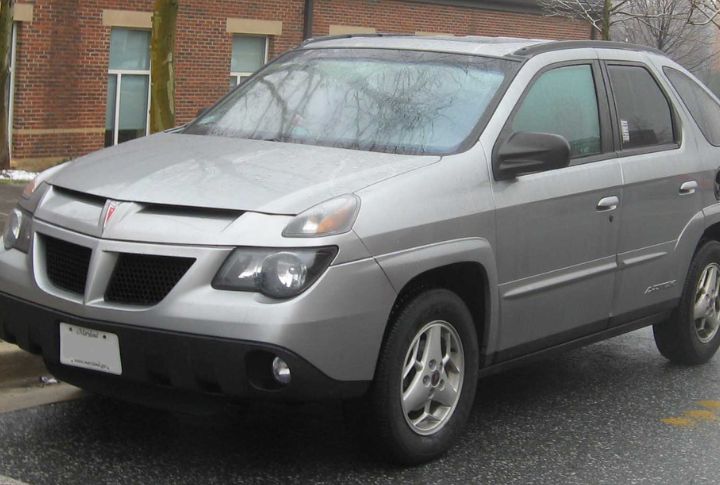
The Pontiac Aztek is often remembered more for its design missteps than its features. Widely mocked for its clunky, mismatched exterior, it frequently lands on “ugliest car” lists around the globe. Even its pop culture presence in “Breaking Bad” couldn’t salvage its notorious reputation.
Pontiac Montana SV6 (2005–2009)

With the Montana SV6, Pontiac attempted to blend SUV ruggedness into a minivan form. The result was an awkward front grille and profile that didn’t resonate with consumers. Compared to earlier Montana models, sales declined sharply, with many believing the design update only made things worse.
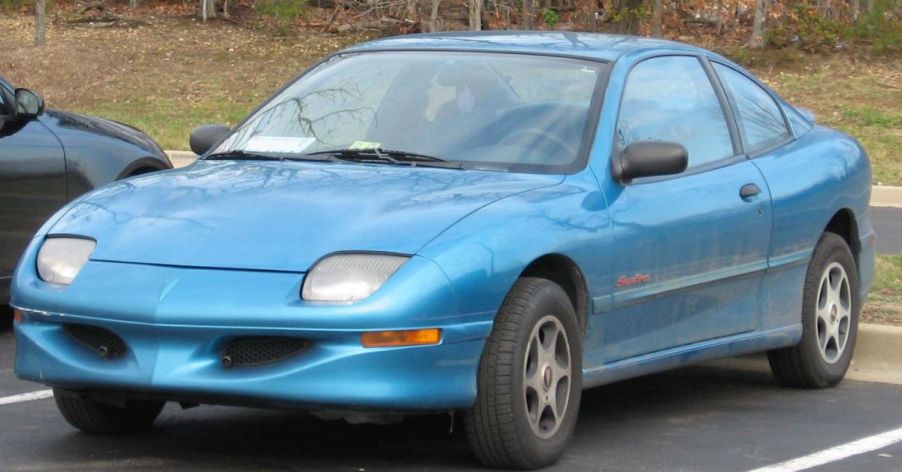
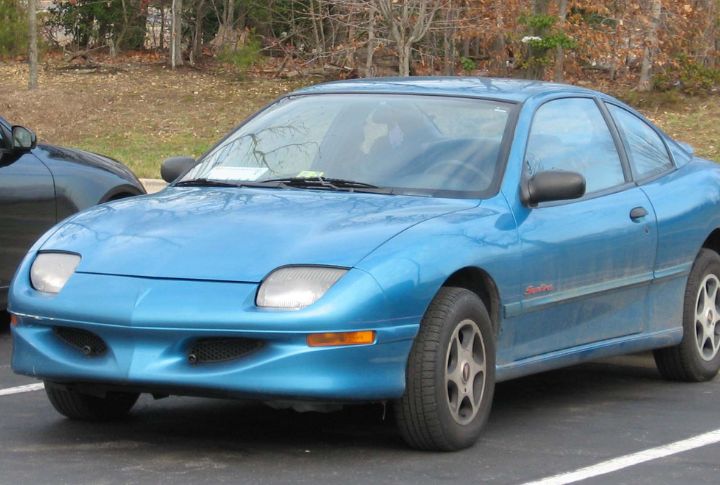
Pontiac Sunfire (1995–2005)
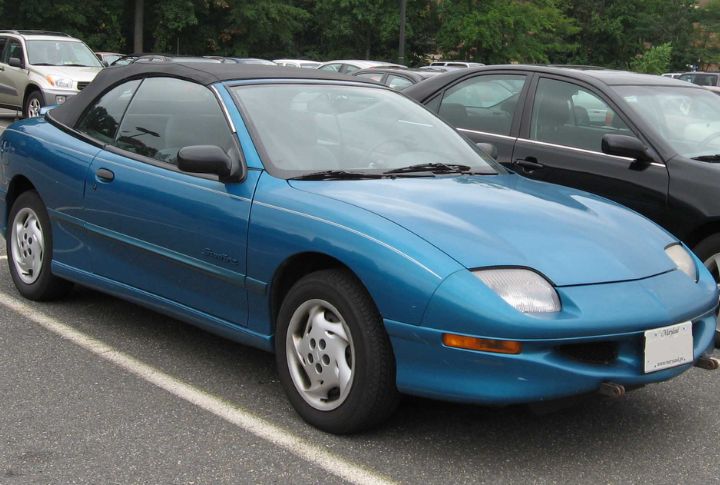
The Sunfire drew negative attention for its cheap-looking plastic bodywork and odd proportions. While it aimed to appear sporty, it lacked both performance and refinement. Frequently cited as one of GM’s weakest design efforts of the 2000s, it became a common punchline in online auto forums.
Pontiac G3 (2009–2010)

A rebadged version of the Chevrolet Aveo, the Pontiac G3 added little to the conversation. Its boxy shape and uninspired styling made it instantly forgettable. Critics derided it as an unnecessary and unoriginal addition to the lineup. Unsurprisingly, production ended in less than a year.
Pontiac Phoenix (1977–1984)
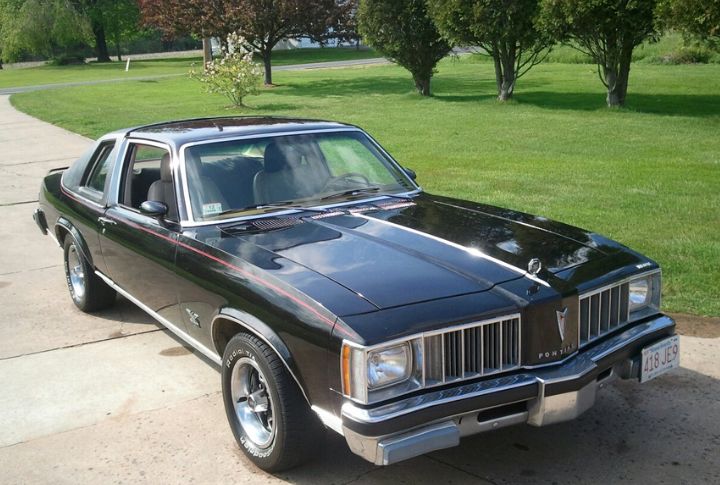
Even in its heyday, the Phoenix appeared boxy and outdated. Plagued by quality control problems, its aesthetic flaws were only part of the issue. The model failed to compete with its peers in both design and dependability. It’s also infamous for being one of the most recalled Pontiacs ever produced.
Pontiac 6000 STE (1983–1991)
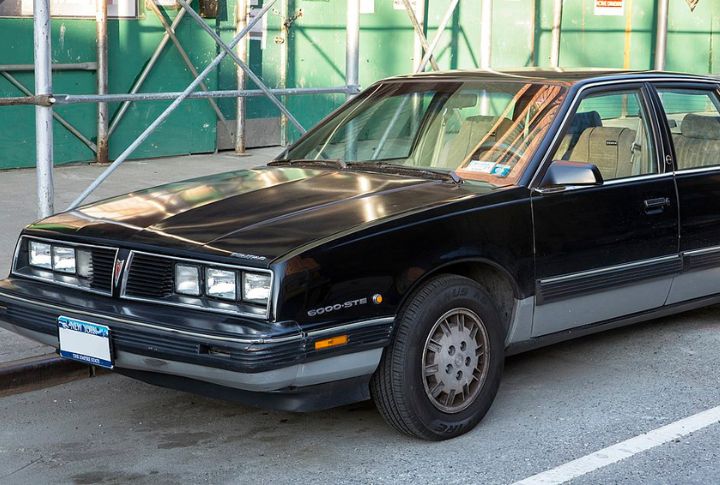
Although the 6000 STE was Pontiac’s stab at a tech-forward future, its ambitions fell flat. Its squared-off body aged poorly, and automotive enthusiasts labeled it “high-tech ugly.” It featured a digital dashboard, a novelty at the time, but it wasn’t enough to distract from the vehicle’s clunky design.
Pontiac Bonneville (2000–2005)
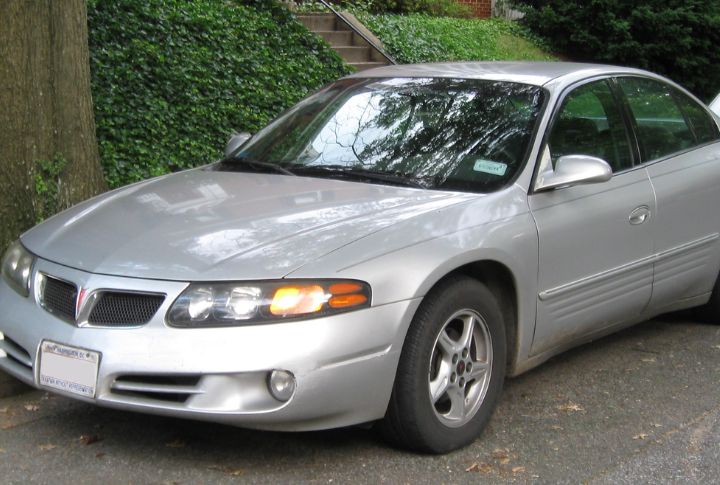
The Bonneville’s bloated, front-heavy appearance missed the mark for what was intended as a sporty sedan. Decorative features like fake scoops and shiny chrome accents felt outdated rather than bold. By the end of its run, it looked more like a rental fleet filler than a muscle-inspired machine.
Pontiac Trans Sport (1990–1996)
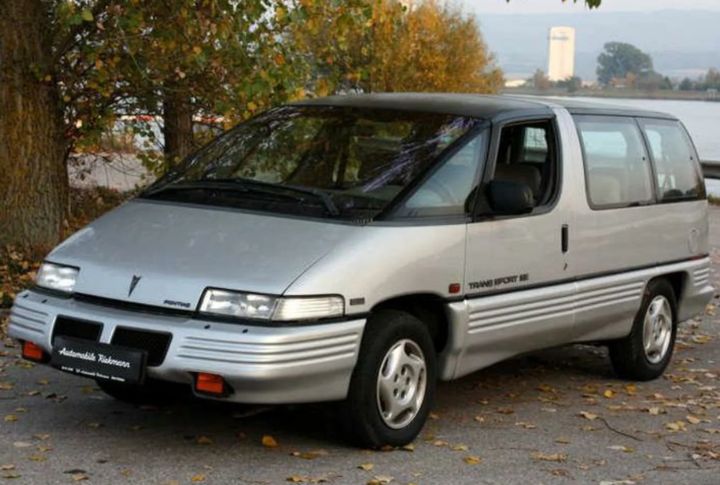
Nicknamed the “Dustbuster” due to its peculiar minivan silhouette, the Trans Sport struggled to gain acceptance. Its long, sloped windshield made driving feel awkward. Buyers were more confused than impressed, and even General Motors (GM) insiders reportedly joked about the vehicle’s appearance.
Pontiac LeMans (1988–1993)
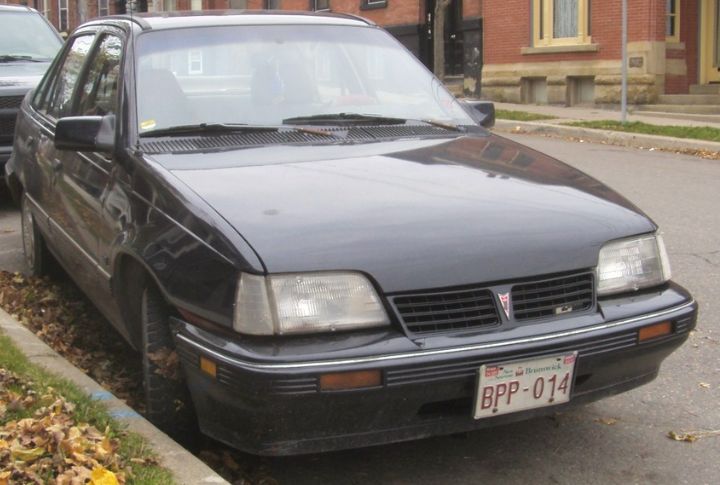
This iteration of the LeMans was a South Korean import rebadged for North America. Its bland, awkward design failed to uphold the legacy of its namesake. Often deemed an embarrassment to the badge, the car never resonated with buyers. Today, it’s rarely seen, largely because few units have endured.
Pontiac Grand Am (1999–2005)

The Grand Am suffered from design overkill, with excessive body cladding and plastic features. Faux scoops and overstyled elements further diluted its visual appeal. Although it sold well due to its affordability, it remains one of the most criticized Pontiac designs in the automotive industry.