Police don’t want you to know the “primary offense” loophole
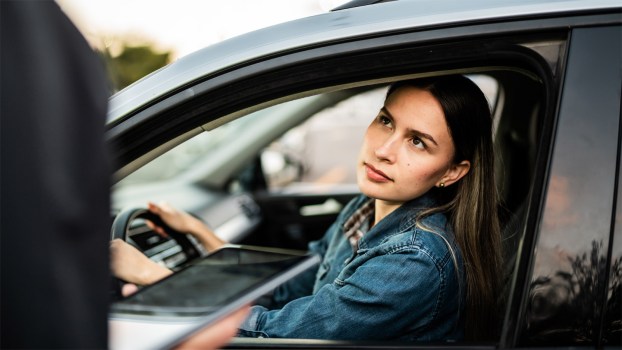
Ever get pulled over for a busted taillight and suddenly the cop’s poking around for weed? You might’ve just fallen for the “primary offense” loophole. Police officers know that in many states they can’t legally stop you for certain minor things—like a seatbelt or a dead headlight. But they sometimes do it anyway, hoping you won’t fight back.
When there’s no primary offense, the stop is illegal
Here’s the trick: police need “reasonable suspicion” of a primary offense to stop your car. That usually means catching you in the act. Speeding? That’s a primary offense. Swerving across lanes? Same deal. But texting while driving or not wearing a seatbelt? In many states, that’s not enough.
Nolo.com lays it out: “Police can initiate a traffic stop for a primary but not a secondary violation.” So if they pull you over for a secondary offense only, the stop’s illegal. They’ll never say that out loud, of course.
Sometimes, cops try to skirt the law by stopping you for something minor, then fishing for a real reason later. But when they don’t find one? They’re gambling that you won’t challenge the stop. And that’s where things can go south fast.
Know your state’s primary offense rules—and use them
If you’re pulled for something small, ask what primary offense they observed. If it’s not a primary offense, they might be bluffing.
It’s simple: no primary offense, no legal stop. But police often stretch the rules, hoping you won’t push back. If something feels off, it probably is. Get a lawyer, challenge the stop, and let the court remind them what “reasonable suspicion” actually means.
That said, laws depends on the State. Lieutenant Robert Donnelly of the Colonie, New York Police Department told the Times Union, “The state Vehicle and Traffic Law doesn’t make any such distinctions. Any violation witnessed by an officer gives them the discretion to pull the driver over.” But that’s New York. Other states have different rules. And cops know them.
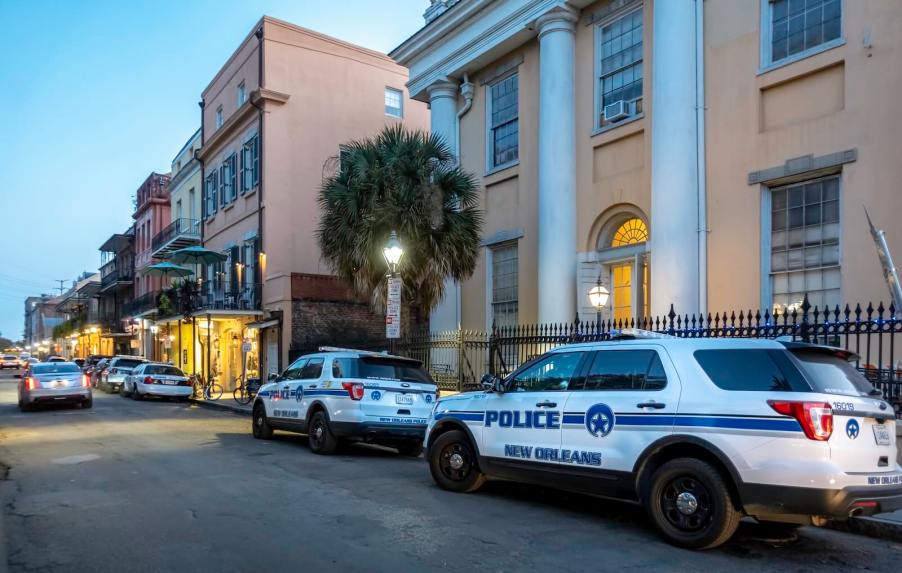
Philadelphia saw this coming. The city passed a law banning stops for low-level violations like a single brake light or expired registration under 60 days. “Philadelphia is leading the nation when it comes to this particular issue,” said Councilmember Isaiah Thomas. He added, “I think we’re trying to balance between enforcing laws but simultaneously not violating people’s rights.”