Police illegally delay driver for 25 minutes at a traffic stop
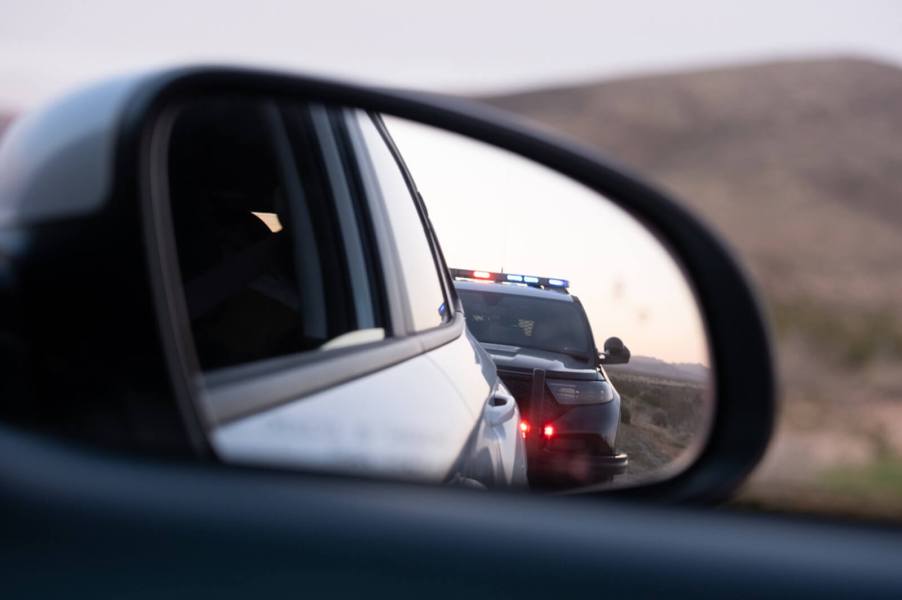
Imagine this: You’re pulled over, and the usual questions come first—license, registration, where you’re headed. Everything checks out, and the police officer says they’re just “running some checks” on your ID. You wait for almost half an hour. While wondering what’s up, you notice a second cruiser pull up—and a drug dog hops out. Now the officer’s taking their time, asking more questions while the dog circles your car, sniffing every corner. Minutes tick by, and you’re still waiting.
This isn’t just hypothetical. In United States v. Cornejo (2016), a driver faced a similar situation. Police pulled him over, ran his license, then called in a K-9 unit to search for drugs. Officers claimed they were “checking the validity” of his license. But during the 25-minute delay, a drug dog arrived, alerted to narcotics, and the car was searched. In court, a judge ruled the stop unconstitutional, finding the officers had no “independent, reasonable suspicion” to delay the stop beyond the traffic violation itself.
A year before, in Rodriguez v. United States, Justice Ruth Bader Ginsburg ruled that “A seizure justified only by a police-observed traffic violation, therefore, becomes unlawful if it is prolonged beyond the time reasonably required to complete the mission of issuing a ticket for the violation.” Put simply, police can’t hold you longer than it takes to complete the original purpose of the stop—unless they have reasonable suspicion of another crime.
Navigating a long traffic stop
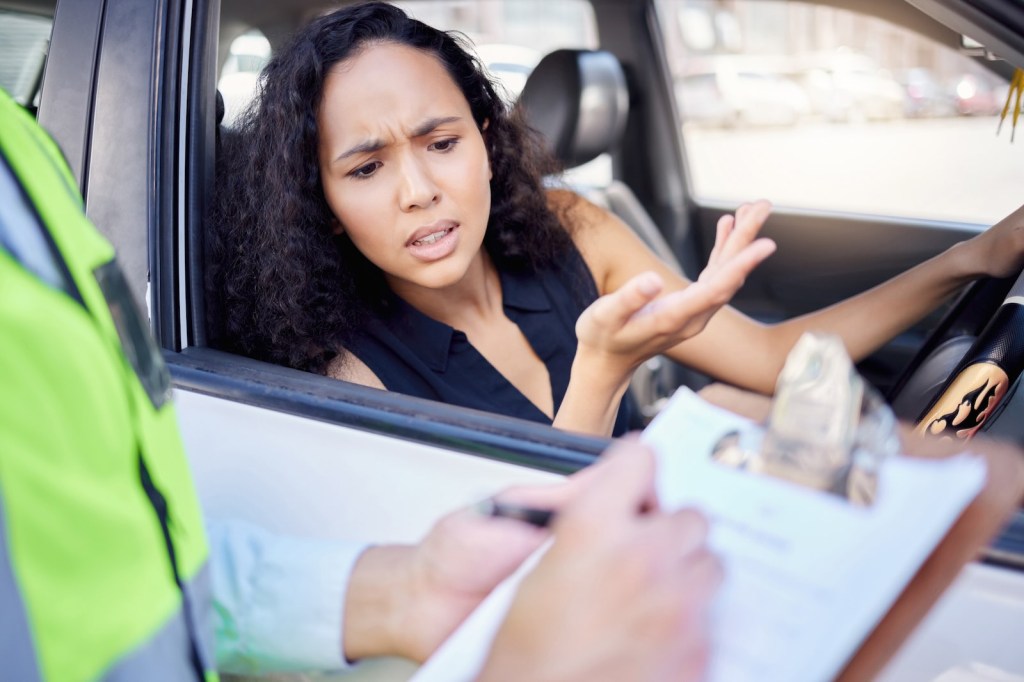
For drivers, this means that if an officer completes a ticket but tries to delay your stop to search your vehicle, they must have solid suspicion of other criminal activity. Once they’ve wrapped up their initial purpose, you have the right to ask, “Am I free to go?”
The American Civil Liberties Union (ACLU) warns that it’s crucial to ask directly. Otherwise, courts may interpret your continued presence as voluntary. That means any extra questions or searches become legal because you didn’t assert your right to leave.
Next time you’re stopped, remember that once the officer finishes issuing your ticket, the law is on your side: you’re free to go unless they provide a clear reason to keep you there. So stay calm, know your rights, and avoid any unnecessary delays by politely asking if you’re free to leave.
See a lawyer’s tips on asking if you’re free to go in the video below: