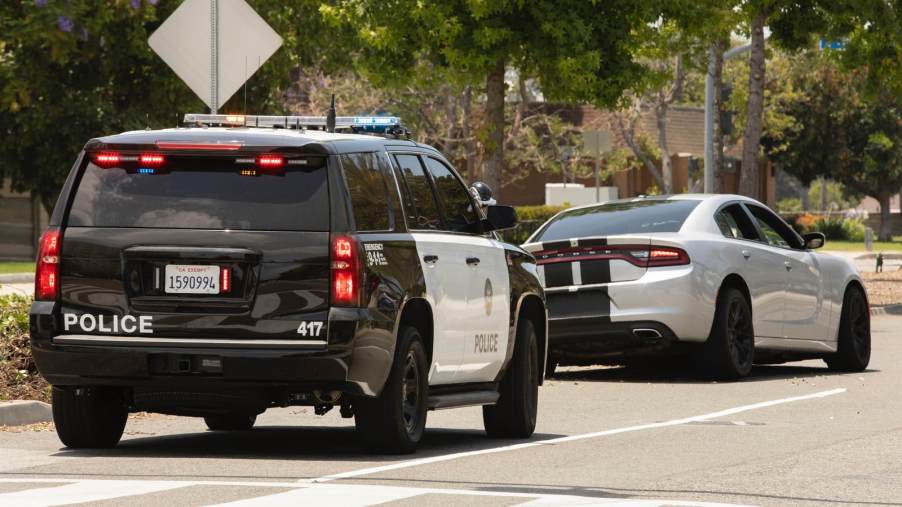
4 things police can’t actually make you do during a traffic stop
It’s easy to assume you must do everything police ask during a traffic stop. But the truth is, while you are being “detained” so police can investigate a suspected crime, you are not under arrest. This legal gray area—called a Terry Stop after the 1968 Supreme Court case Terry v. Ohio—comes with rules. And there are several key things police can’t require you to do during a Terry Stop:
- Answer questions
- ID your passengers
- Undergo roadside breathalyzer or sobriety tests
- Stay at the scene after the stop
1- You don’t have to answer questions during a “Terry Stop”

We’ve all heard cops on TV read Miranda Rights to suspects: “You have the right to remain silent. Anything you say can and will be used against you in a court of law.” But here’s the catch—they don’t have to read you your rights during a Terry Stop.
Even so, Miranda Rights still apply. You can stay silent, and anything you say can and will be used against you.
Picture this: A police officer pulls you over for speeding. They can check your license, registration, and insurance. They can also run your plates to check for warrants. Then the questions start. “Where are you coming from?” “Where are you headed?” But you don’t have to answer.
If they already have enough evidence to charge you, talking won’t help. And if they don’t have enough evidence, talking might give them what they need.
The safest response? “I’m invoking my Fifth Amendment right to remain silent.”
2- You don’t have to ID your passengers during a traffic stop
Let’s say a police officer is investigating a driver for speeding. During this Terry Stop and investigation, they might ask the ID of your passengers. But they can’t demand it.
Why? If your passengers aren’t suspected of a crime, they don’t have to identify themselves. They can politely decline.
But what if the officer runs your plates and discovers the car was the getaway vehicle in a bank robbery? That’s a game changer. Investigating this new crime obviously gives them the right to ID and detain everyone in the car.
3- Roadside breathalyzer or field sobriety tests are almost always optional

Think you have to take a roadside breathalyzer during a Terry Stop? Think again.
In 46 states, roadside breath tests are optional. Police can ask, but you can refuse. Field sobriety tests—like standing on one leg or walking in a straight line—are also voluntary in every state.
Why? Both tests are used to collect evidence for an arrest. If you refuse, officers must arrest you based on what they’ve already observed—like swerving or slurred speech. If they don’t yet have enough evidence, they must let you go.
If you are arrested, you must comply with further tests. Police can take you to the station for a more accurate breathalyzer. Or, they might call a judge and get a warrant to test you on the spot.
You can always protect yourself by saying, “I don’t consent to any searches, tests, or seizures.”
4- You are under no obligation to stick around after a Terry Stop
Once the officer finishes the investigation that justified the Terry Stop, you’re free to go.
The surest way to know when that is? Ask, “Am I free to go?” If they say yes, leave immediately.
Some officers stall after writing a ticket, fishing for evidence of other crimes. In one case, the Supreme Court ruled it unconstitutional to bring out a drug-sniffing dog just because the driver didn’t leave fast enough after a taillight ticket.
Don’t fall into this trap. Once you’re cleared, leave.
Navigating a traffic stop
To sum it up, you can always say:
- “I’d prefer not to say.”
- “I’m invoking my Fifth Amendment right to remain silent.”
- “I don’t consent to any searches, tests, or seizures.”
- “Am I free to go?”
But it’s also important you don’t escalate the situation unnecessarily during a traffic stop. While you should be firm about protecting your rights, it is easy to be pleasant and polite while doing so. Want to know more? Read 4 more things police can’t make you do during a traffic stop.