4 more things police can’t actually make you do during a traffic stop
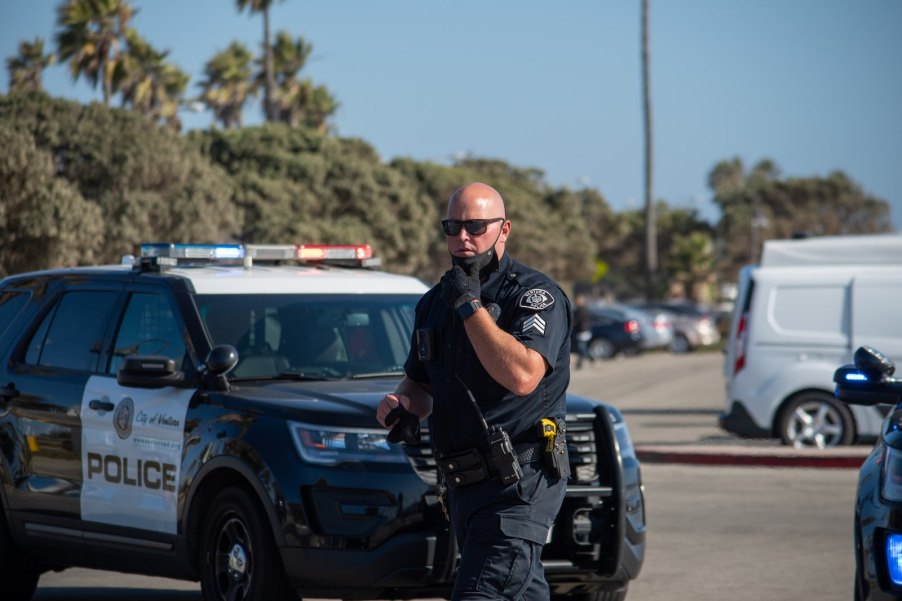
So you got pulled over. Blue lights in the mirror, your heart beating like a drum solo. You’ve got your license, registration, insurance—all good. But what about the questions, the commands, the fishing for a confession that you know police do? What can police make you do during a traffic stop? What can you refuse?
In a previous article, I covered four things police can’t make you do during a traffic stop. But it turns out there’s even more you don’t legally have to comply with—no matter how intimidating police officers are. So here are four more things police can’t make you do during a traffic stop.
- You don’t have to say where you’re going
- You don’t have to unlock your cellphone
- You don’t have to consent to a search
- You don’t have to say where you were born
1- You don’t have to explain where you’re coming from or going
It’s one of the first things police officers ask during a traffic stop: “Where are you headed?” Seems harmless enough—unless it isn’t. The ACLU is clear: “You have the right to remain silent. For example, you do not have to answer any questions about where you are going, where you are traveling from, what you are doing, or where you live.”
Translation: You can simply say, “I’m exercising my right to remain silent.” Not rude. Not illegal. Just smart.
Why? Because if police already have enough to cite or arrest you, talking won’t change that. And if they don’t, your answers might help them build a case. Be polite, be pleasant, but feel free to leave questions unanswered.
2- You don’t have to unlock your cellphone during a traffic stop
Your phone is a digital diary. It knows where you’ve been, who you’ve talked to, and what you Googled last week. So if an officer says, “Mind unlocking that?”—don’t. The ACLU says, “Police officers may not confiscate or demand to view your photographs or video without a warrant.” And not just video. That includes texts, emails, call logs, everything.
Pro tip? Use a PIN, not Face ID or fingerprint unlock. Some courts say cops can physically compel a biometric unlock. They can’t make you spill your password.
3- You don’t have to let them search your stuff
Can police pat you down during a traffic stop? Yes—if they reasonably suspect a weapon. But searching your car or belongings is a whole different ballgame.
According to the ACLU, “You do not have to consent to a search of yourself or your belongings.” So if they ask, say: “I do not consent to a search.” Loud enough to be heard, and ideally on video if you’re filming the interaction.
Even if they go ahead anyway, your objection could help you challenge the search later. Volunteering to a search gives police blanket permission to search for anything they want. If they get a search warrant, they must be clear what they are looking for. They must ignore anything else they find.
4- You don’t have to say where you were born–during a traffic stop
This one catches people off guard. Police sometimes ask about immigration status—especially in states near the border. But unless you’re at an actual international checkpoint, airport, or a border control checkpoint, the ACLU says you’re under no obligation: “You do not have to answer questions about where you were born, whether you are a U.S. citizen, or how you entered the country.”
That’s your business. And unless they have legal grounds, it stays that way.
Know your police traffic stop rights
Knowing your rights during a traffic stop isn’t about being combative. It’s about being prepared. Stay calm, stay firm, and keep these phrases handy:
- “I’m remaining silent.”
- “I do not consent to any searches.”
- “Am I free to go?”
You might never need them. But if the moment comes? You’ll be glad you knew.