15 Pitfalls to Avoid When Buying a Used Motorcycle

Purchasing a used motorbike can be an exciting journey, but mistakes are easy to make if you do not know what to look for. If you are aware of the typical problems, you can confidently get the ideal bike that will serve you for a really long time. Here are 15 things to avoid to guarantee your bike is a good investment.
Skipping Research

One of the biggest mistakes is buying a bike without researching and understanding the bike’s model, year, and potential common issues. Research its history, read reviews, and check forums for recurring problems. This information can help you avoid costly shocks and ensure you make a well-informed purchase.
Choosing a Bike That Doesn’t Match Your Riding Skills

When you select a motorcycle that exceeds your riding skills or needs, it is a risky move. Choose a bike that aligns with your experience level and intended use. Assess your comfort with different power levels and types of bikes. An ill-suited bike can lead to safety issues and difficulty handling.
Ignoring the Budget
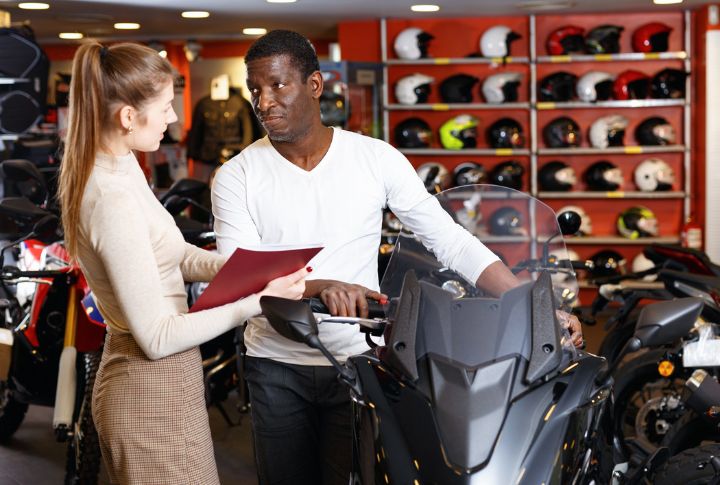
Set a realistic budget and stick to it. Include the purchase price and potential repairs, maintenance, and insurance costs. Overstretching your finances will lead to regret and stress. By planning your budget carefully, you’ll have a smoother ownership experience and avoid financial strain.
Failing to Inspect Thoroughly
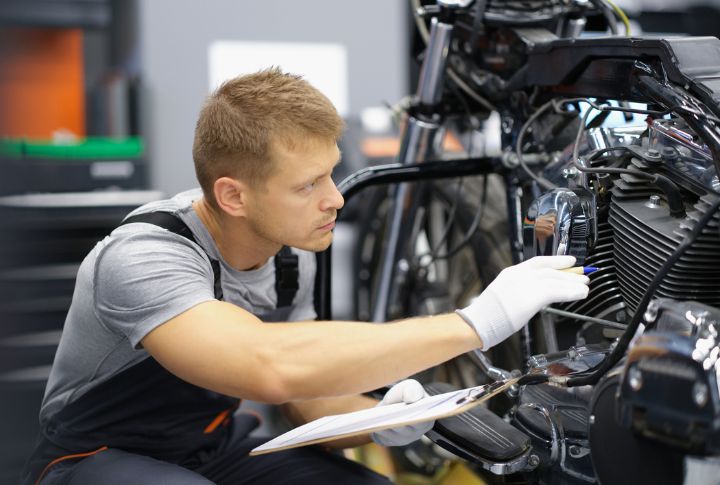
or bring a mechanic. Verify the bike starts and functions smoothly, and look for wear indicators like rust or leaks. Assess the suspension, brakes, tires, and all electronics.
Neglecting a Cold Start Examination

A cold start reveals hidden issues like hard starting, excessive smoke, or unusual noises that may be masked when the engine is warm. Ascertain that the bike has yet to be warmed up before your inspection. Monitor for smooth idling and listen for unusual engine noises, helping identify potential engine problems early.
Overlooking the Test Ride
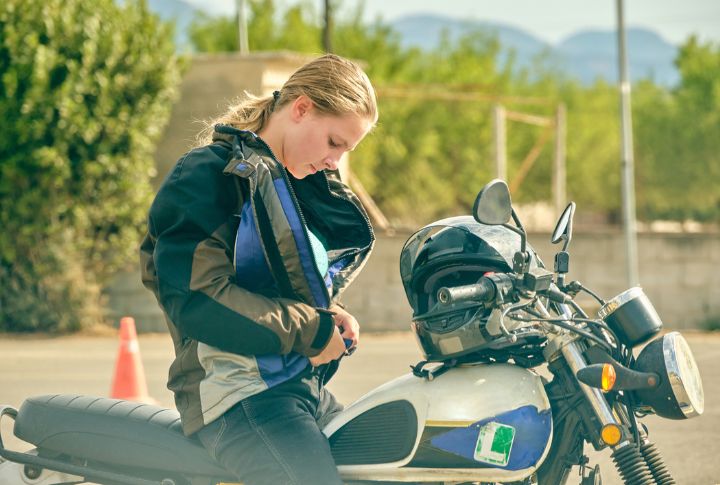
Taking the bike for a spin before making your payment helps you gauge its handling, braking, and overall performance. Note any unexpected noises, vibrations, or handling concerns. Test acceleration and braking, and guarantee the bike shifts smoothly through all gears. This experience helps identify problems that need to be visible during inspection.
Not Checking the VIN
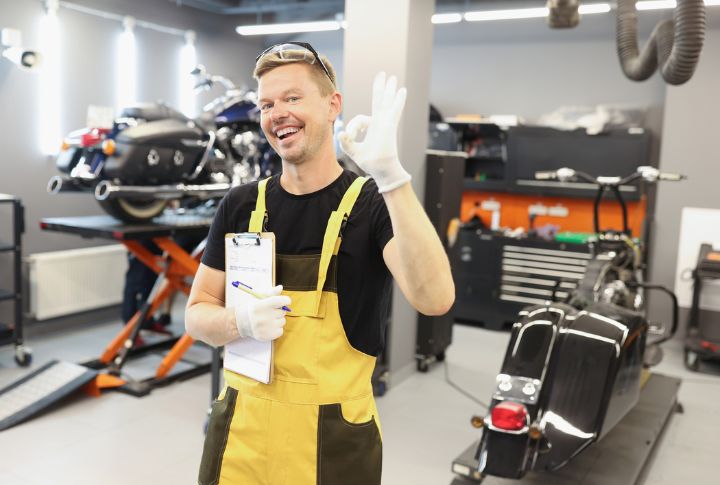
Verify the VIN against official databases to verify the motorcycle isn’t stolen or has a problematic history. This step helps avoid legal troubles and confirms the bike’s authenticity. Confirm the VIN on the frame and match it with the title and registration documents.
Skipping the Service Records.
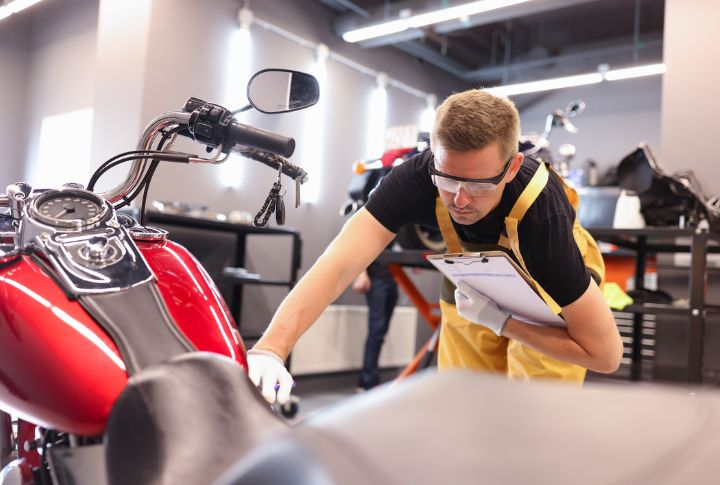
A well-documented history indicates a responsible previous owner who kept up with regular maintenance. Request records from the seller and verify with a trusted mechanic. This helps validate the bike’s longevity and reliability and highlights recurring issues.
Disregarding the Seller’s Reputation
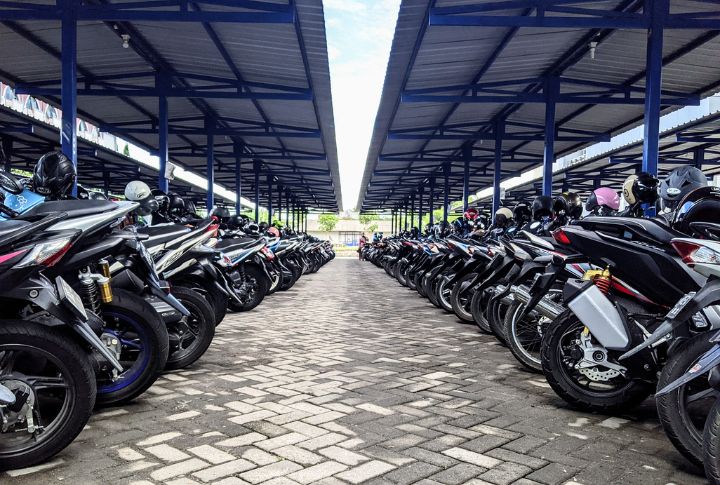
Purchasing from a reliable vendor or dealership can save you a lot of trouble. Research reviews and ratings to certify you’re dealing with a trustworthy source. Ask for references, look for consistent positive feedback, and avoid sellers with red flags, like numerous complaints.
Overlooking the Bike’s Mileage
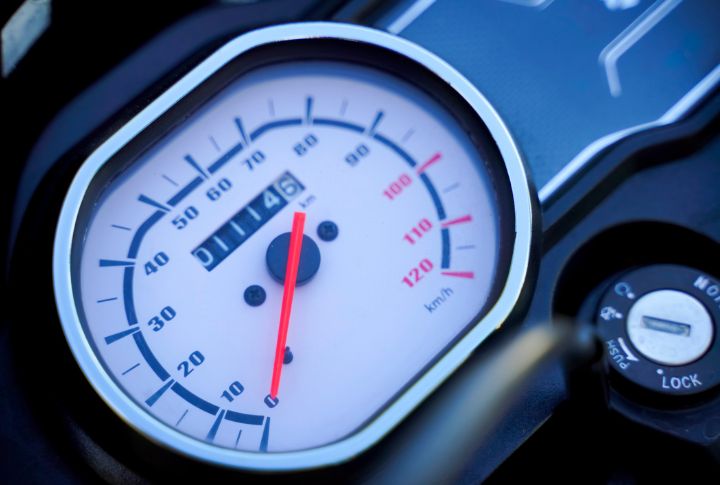
High mileage indicates significant wear and tear. Compare the mileage to the bike’s age to assess its condition. Lower mileage on an older bike may indicate careful use, while high mileage on a newer bike suggests heavy use.
Ignoring the Electrical System
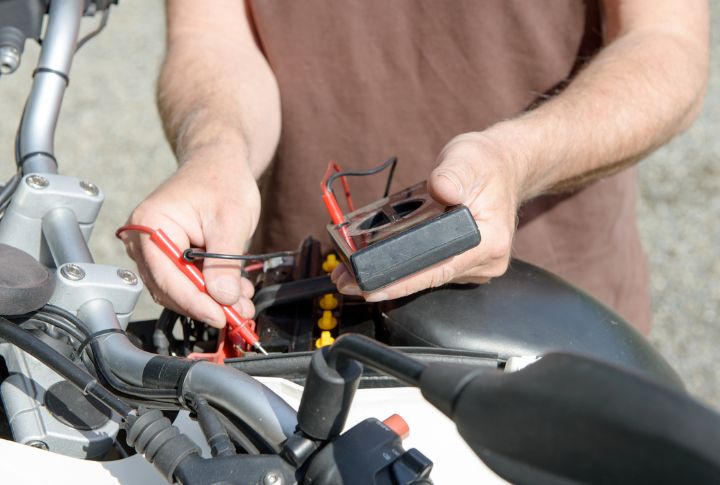
Electrical problems are a hidden nightmare in used motorcycles. Make sure to test every component, from the headlights to the horn, and check the condition of the wiring. Malfunctions in the electrical system might not be immediately visible but can lead to expensive repairs and safety concerns later.
Ignoring Aftermarket Modifications
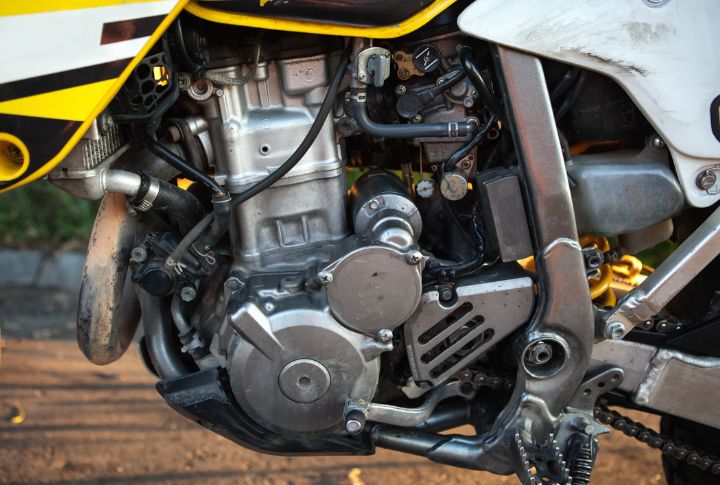
It is extremely important to analyze the custom changes made to a motorcycle after its initial purchase. Repairs like the bike’s exhaust, suspension, or engine components must be examined. Poorly done modifications can lead to mechanical problems and affect resale value. Evaluate these modifications to ensure they are professionally installed and compatible with the bike.
Underestimating the Importance of a Clean Title
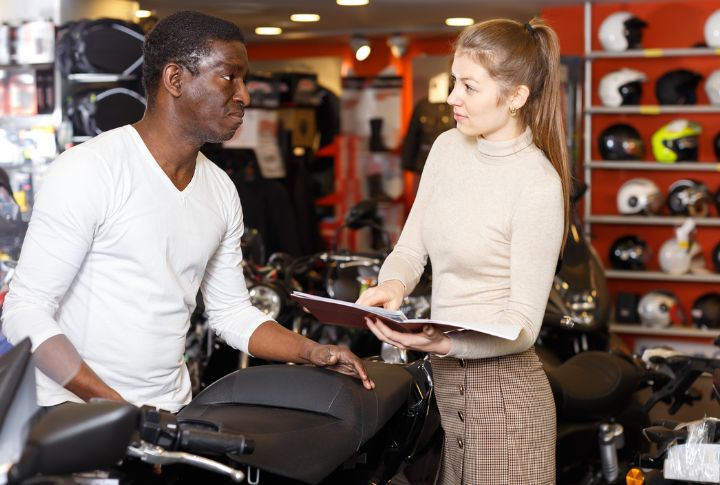
A clean title confirms no legal issues or past damage, while a VIN check verifies the bike’s history for theft or registration discrepancies. Both are essential: the VIN check establishes the bike’s legitimacy, and the clean title ensures no salvage or rebuilt claims, safeguarding against future legal hassles.
Not Considering Insurance Costs
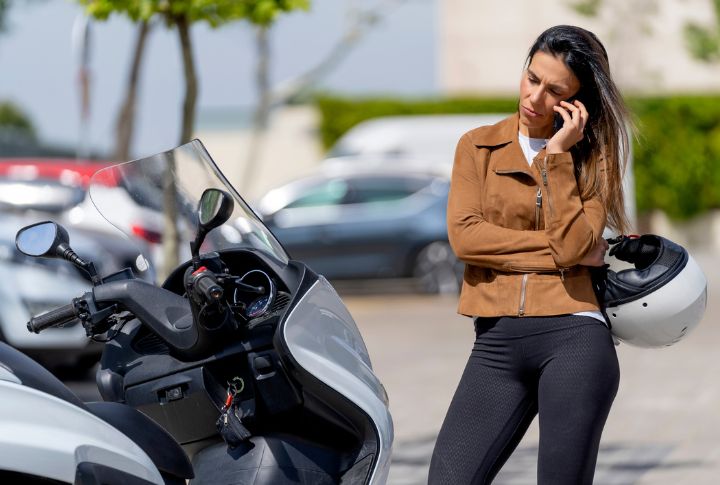
Before purchasing, research insurance rates for the specific bike model you’re interested in. Different models may have varying premiums based on performance and repair costs. Understanding these rates helps you budget effectively and avoid surprises in your expenses.
Rushing the Purchase
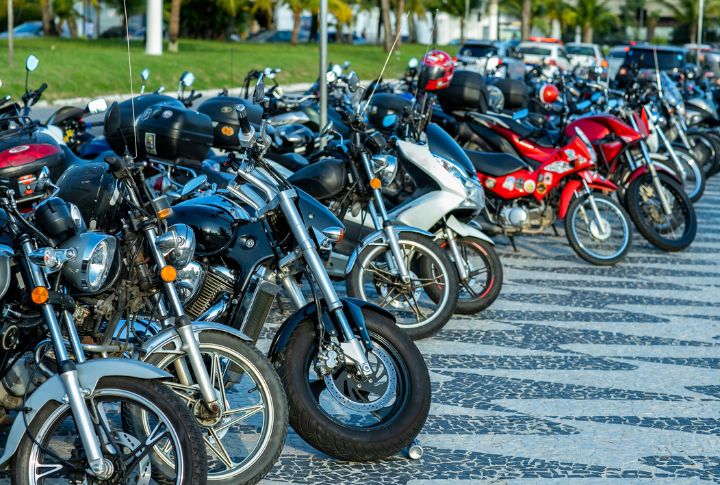
Don’t rush into buying the first bike you see. Take your time, weigh the possibilities, and make an informed conclusion. Focus on performance, reliability, and maintenance costs rather than aesthetics. This thoughtful approach helps you make a well-informed decision and find the best bike for your needs.