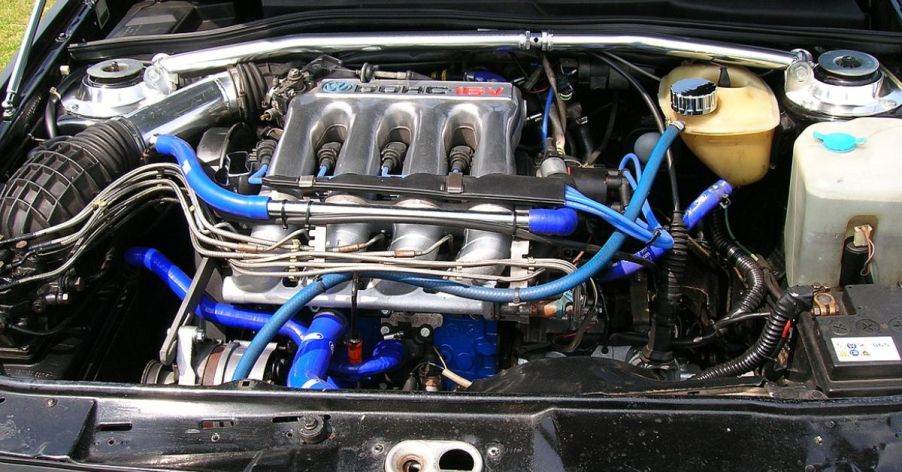
10 Performance Letdowns In the World Of Four-Cylinder Engines
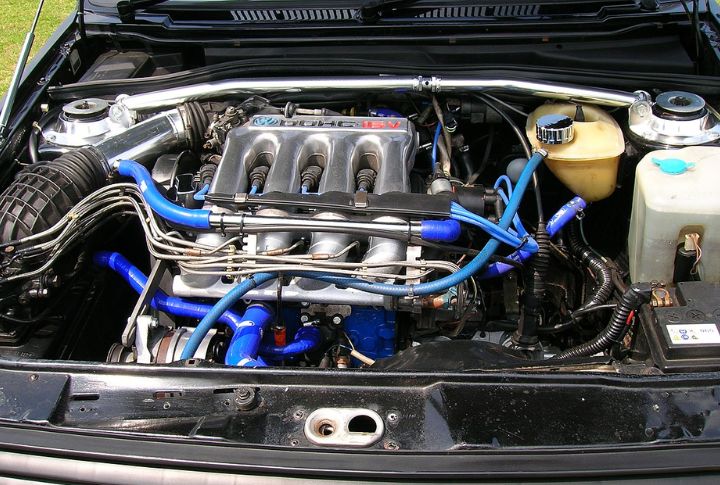
Ask any mechanic, and chances are they’ve got a tale about a four-cylinder engine that did more harm than good. These setups struggled to meet expectations and often left drivers wondering what went wrong. You may have seen them in ads, but real-world driving told a completely different story. Let’s look at ten four-cylinder engines that truly missed the mark.
Renault 1.4L Cleon‑Fonte
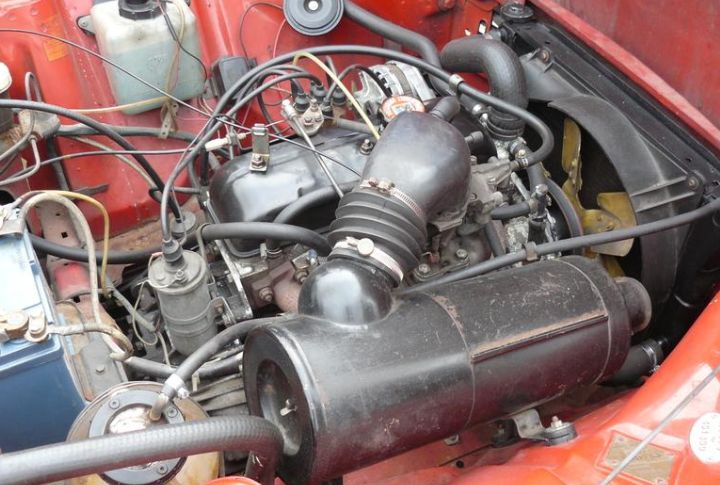
Produced for nearly four decades, this engine outstayed its welcome. Its aging design struggled with overheating, and the cooling system failed to keep things in check. Still, Renault kept installing it across multiple models. While some look back on it fondly, by the ’90s, it simply couldn’t keep pace.
Toyota 1ZZ‑FE 1.8L
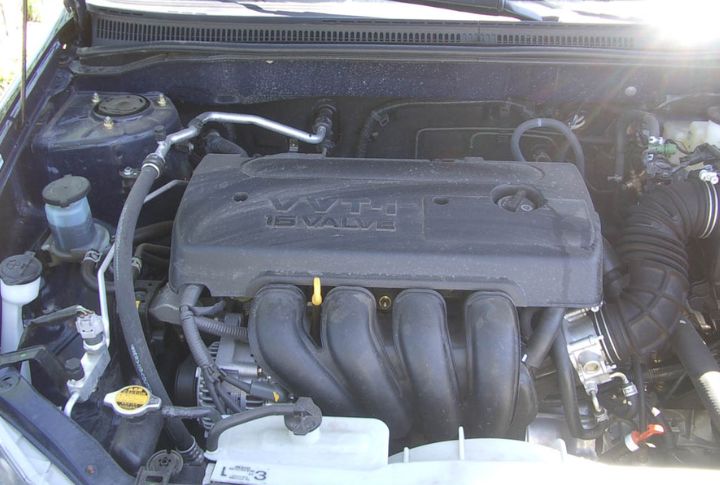
Early versions of this engine had piston rings that didn’t seal properly, letting oil slip through and burn off fast. The result? Damaged catalytic converters and faulty sensors afterwards. Some owners resorted to adding a quart every thousand miles. And eventually, Toyota revised the pistons to curb the issue.
VW 1.2L TSI EA211
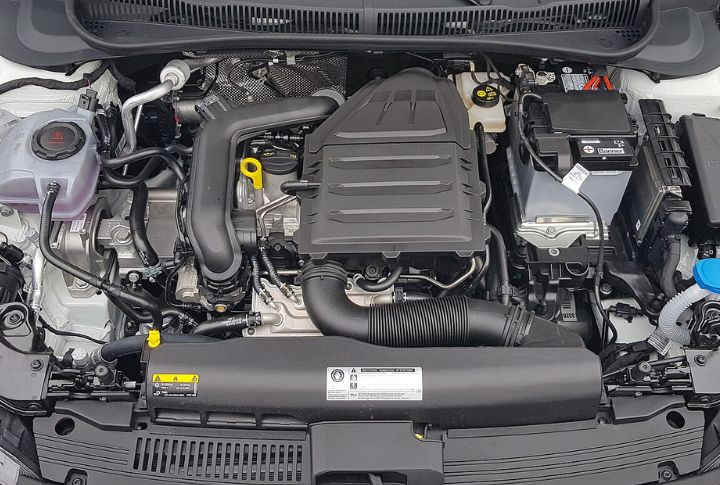
First, the timing chain tensioners bailed early. Then the turbos started dying young, often before 40,000 miles, all thanks to oil lines that liked to clog up when it mattered most. VW tried to fix the mess by switching to a belt, although many Polo and Golf owners had already learned the hard way.
Ford Pinto 2.3L Lima
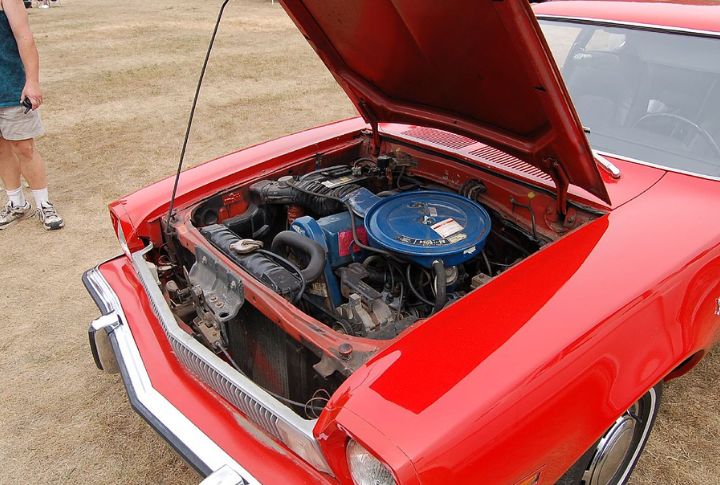
The Lima engine was built tough, but that weight became its biggest flaw. Poor airflow and a low redline left it gasping early, while vacuum leaks and a temperamental carb made stalling a daily struggle. Ford still installed it across the board—including in mail trucks—where reliability took a backseat to stubborn durability.
Mazda 1.8L FP‑DE
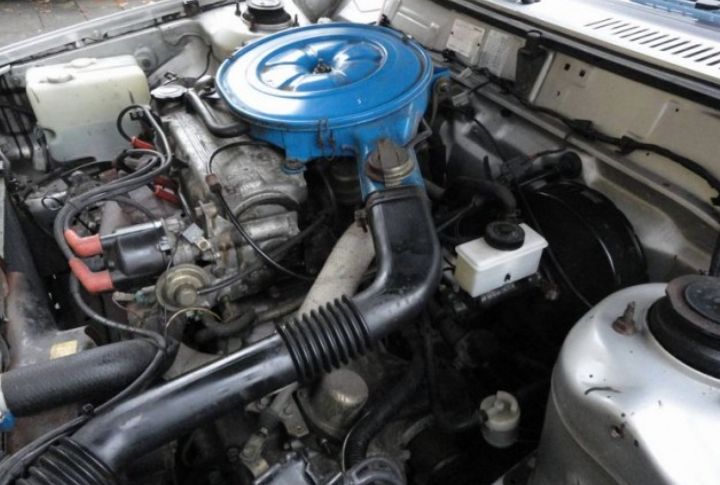
It began with eagerness and smooth operation. Next came cracked housings, misaligned tensioners, and sudden gasket failures, especially in Proteges. Turns out, all that pep was covering for weak internals that aged like milk. Even loyal drivers missed the warning signs until it was too late.
BMW‑PSA 1.6L “Prince”
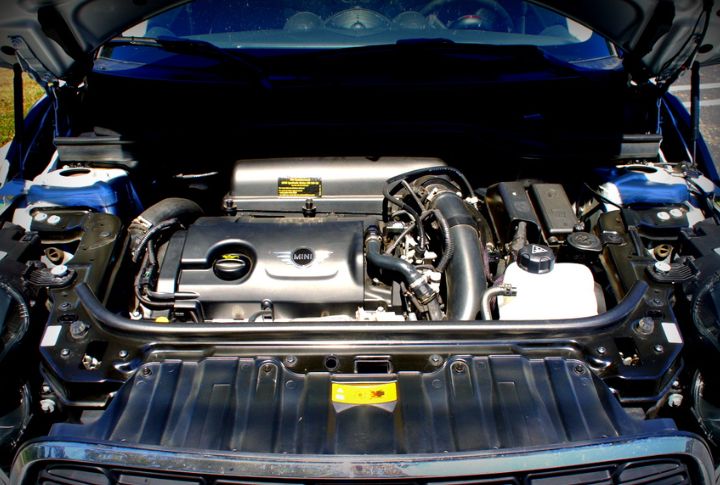
Praised for its initial agility, the Prince engine tempted drivers with its rapid response. Beneath the surface, though, timing tensioners were already losing their grip, and stretched chains weren’t far behind either. What began as exhilaration for MINI and Peugeot owners slowly dissolved into mechanical disappointment.
Hyundai Theta II 2.4L
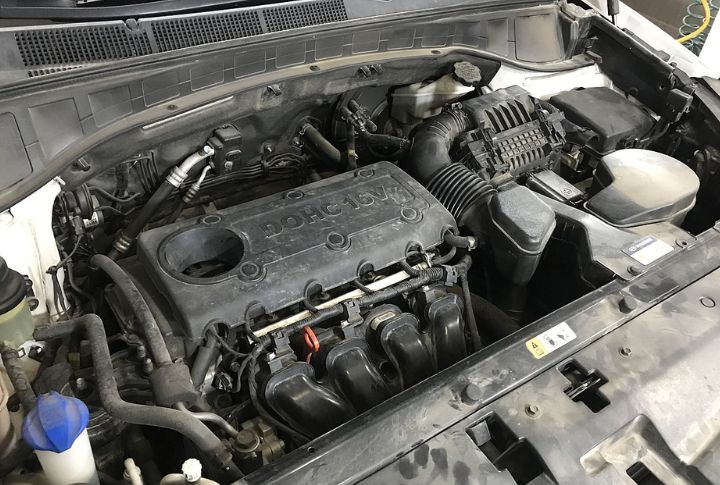
The Theta engine strutted onto the scene like it had everything figured out. But under the hood? Let’s just say it wasn’t exactly a clean freak. Metal debris turned oil lines into sludge trails. Engines threw tantrums, knock sensors ghosted, and drivers ended up stranded faster than you can say “tow truck.”
Mitsubishi 4G63 Non-Turbo
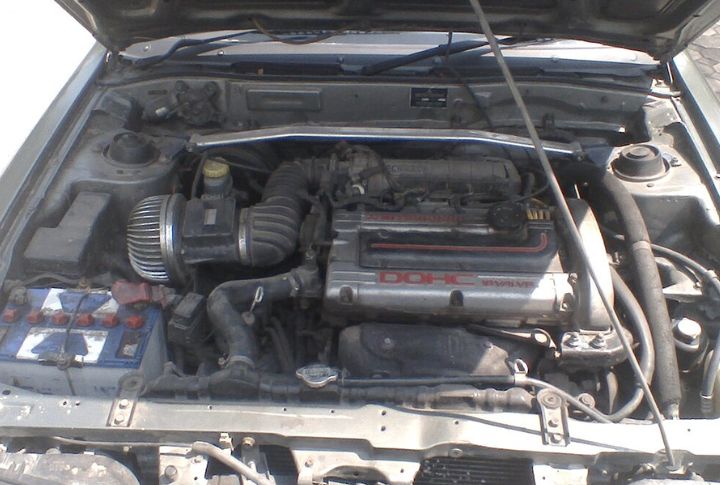
While the turbocharged 4G63 earned admiration, the naturally aspirated version told a different story. Balance shaft breakdowns and crankwalk led to unpleasant vibrations. Despite being used in a range of vehicles—sedans and even forklifts—it never shook off its rough edges. In the end, many owners turned to the turbo swap for a more capable setup.
VW EA827 1.8L SOHC
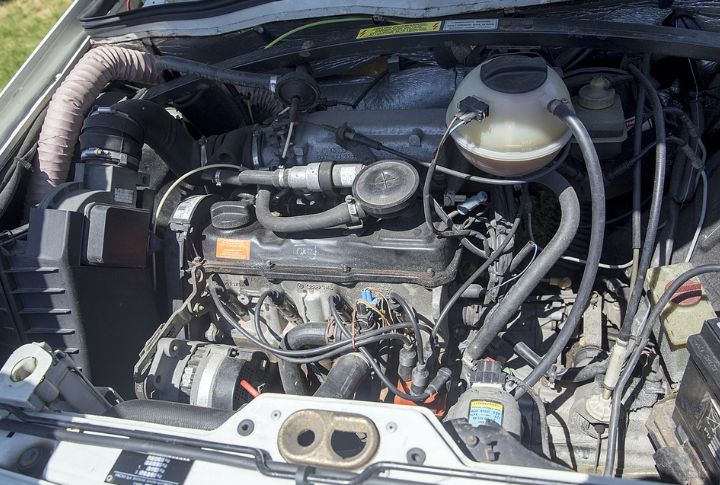
You could find the VW EA827 1.8L SOHC in all sorts of cars, and you’d likely hear it before you saw it. Ticking lifters chimed in regularly, followed by complaints of leaky seals and moody fuel behavior. Plus, the Digifant injection system added complexity to the mix, frustrating tuners along the way.
Saturn 1.9L SOHC
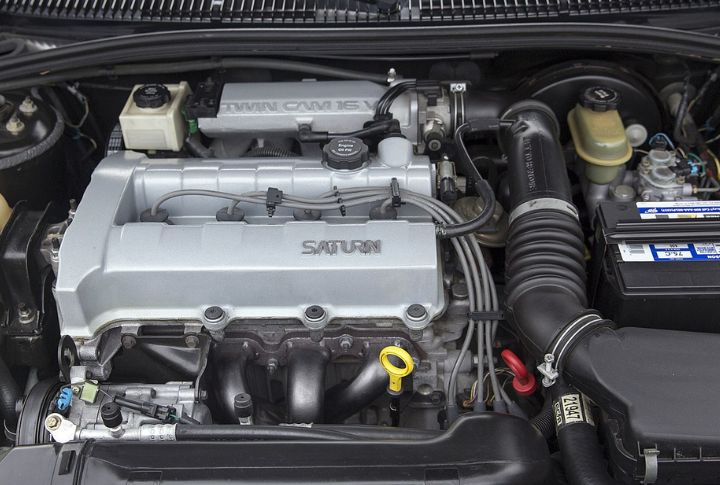
This engine was a leaky, thirsty mess. Plastic parts near the intake would warp from heat, letting air sneak in and damaging the heads. Oil burned off fast, and many owners got used to topping it off. Even though the engine rarely quit, it made every mile feel like a slow-motion breakdown.