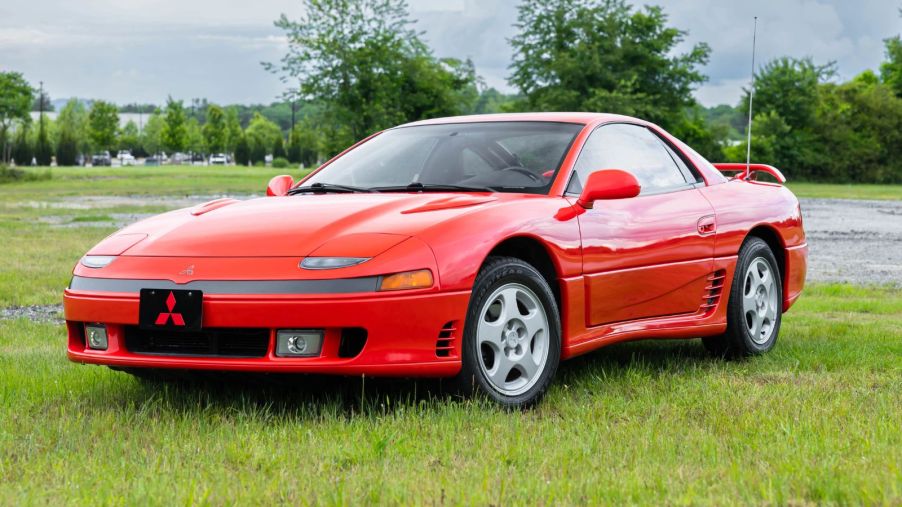
Pennsylvania Appeals Court Throws Out $1 Billion Jury Award After Mitsubishi 3000GT Crash Leaves Driver a Quadriplegic
Back in November 2017, a passing maneuver on a Bucks County, Pennsylvania road turned catastrophic. Francis Amagasu lost control of his 1992 Mitsubishi 3000GT, veered, struck three trees, and rolled. He was wearing his seat belt. When the car inverted, his head hit the roof. The result was permanent. The driver survived, but was left a quadriplegic.
After, Amagasu’s family took a long legal road that just took a sharp turn.
According to CarComplaints.com, a Pennsylvania appeals court has thrown out a jury verdict that topped $1 billion and ordered a new trial. The move wiped away one of the largest monetary awards tied to a car accident in the state.
PA family’s lawsuit claimed Mitsubishi built the 3000GT with serious safety defects
The lawsuit was filed in 2018 by Amagasu’s family in Philadelphia County. It claimed the seat belt in the 25-year-old sports car was defectively designed and that the roofline left only about three inches of headroom.
Jurors ultimately agreed, even though the 3000GT met or exceeded all federal safety standards when it was initially sold in the early 1990s.
The jury’s math was staggering
Roughly $156 million covered compensatory damages, including past and future medical care, lost earning capacity, and non-economic harm. The jury awarded another $20 million for loss of consortium. Then came the hammer. $800 million in punitive damages meant to punish Mitsubishi.
Mitsubishi Motors North America appealed, calling the verdict shocking and arguing there was no defect in the seat belt or vehicle design
This week, the Superior Court of Pennsylvania sided with the automaker, at least for now.
In a 49-page opinion, the court ruled the jury was improperly instructed. Specifically, jurors were never told to weigh what injuries might have occurred if a safer alternative design had been used versus the injuries allegedly caused by the design itself. In other crashworthiness cases, that distinction mattered. Without it, the court said, the jury was not properly guided on the law.
Now, the ruling does not erase the severity of Amagasu’s injuries or the family’s losses. It also does not declare the Mitsubishi 3000GT blameless. Instead, it resets the case, sending it back for a new trial under tighter legal guardrails.