Oregon man says he drove his Jeep into a Yellowstone National Park worker because he needed to use the bathroom
A 67-year-old man from Bend, Oregon, was found guilty of hitting a Yellowstone National Park worker with his Jeep after trying to skip a long construction delay.
The jury convicted David Tyler Regnier on May 21 of assaulting a federal employee with a dangerous weapon: his vehicle.
The incident happened last September near Canyon Junction
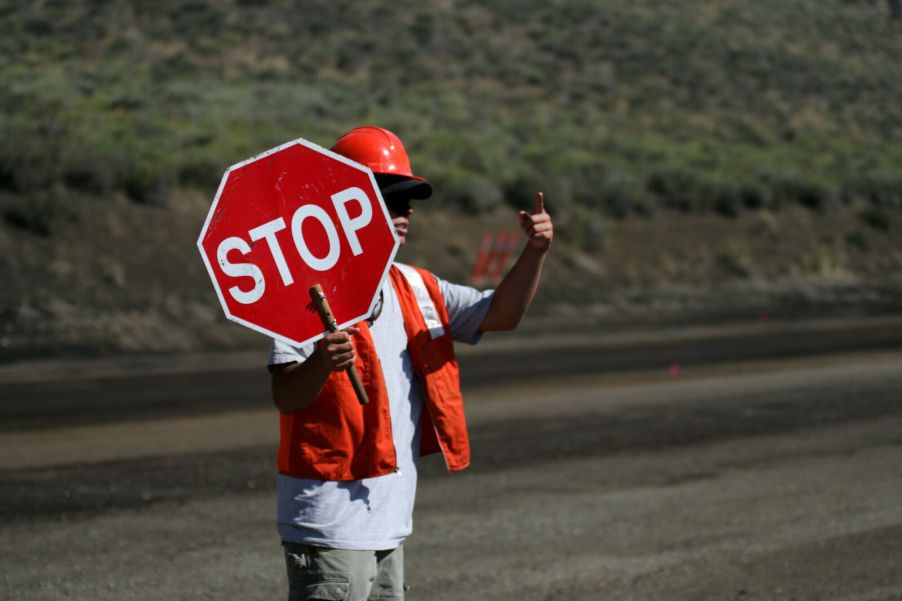
Park workers were directing traffic through a construction zone, and delays stretched up to 45 minutes. Regnier drove the wrong way to bypass the line. When one worker told him to stop and back up, another stood in front of the Jeep with a stop sign. Regnier hit the gas and pushed the worker backward before the man jumped out of the way. Rangers stopped Regnier a short time later and took him into custody.
Regnier later claimed he was in a rush because he needed to use the bathroom, the Daily Mail shared. His attorney said he suffers from a medical condition, had just changed blood pressure meds, and felt unwell that day. He reportedly urinated on himself during the wait. The defense argued the Yellowstone worker jumped in front of the Jeep, and Regnier didn’t mean to hurt anyone.
Jurors didn’t agree. Prosecutors said Regnier turned his Jeep into a weapon and ignored clear directions. They said park employees were just doing their jobs.
Regnier now faces up to 20 years in prison, a $250,000 fine, three years of supervised release, and a $100 special assessment. Sentencing is set for August 7, the U.S. Attorney General’s Office said in a press release.
Yellowstone National Park sees more than 4 million visitors annually, with peak crowds piling in during summer
That means long waits, especially at popular spots and road construction zones. The park has over 300 miles of paved roads, and many sections are under repair each year due to extreme weather and high use.
Yellowstone National Park employees managing traffic (often seasonal workers) are exposed to both environmental hazards and visitor frustration. They’re trained to de-escalate conflicts but aren’t law enforcement.