One Of The World’s Fastest ’90s Supercars Is So Cheap
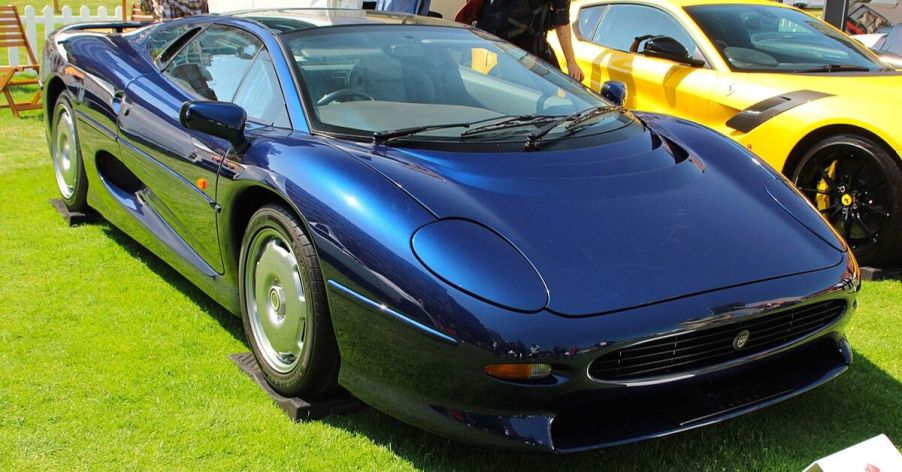
Speed records come and go, and as they go, they leave reality behind. The Jaguar XJ220 sits in an odd corner of automotive history. It was once the fastest car money could buy, but now its rivals like the Ferrari F40 and McLaren F1 command prices up to seven or even thirty times higher. Let’s see how this British underdog got to where it is now.
Born From British Racing Ambition
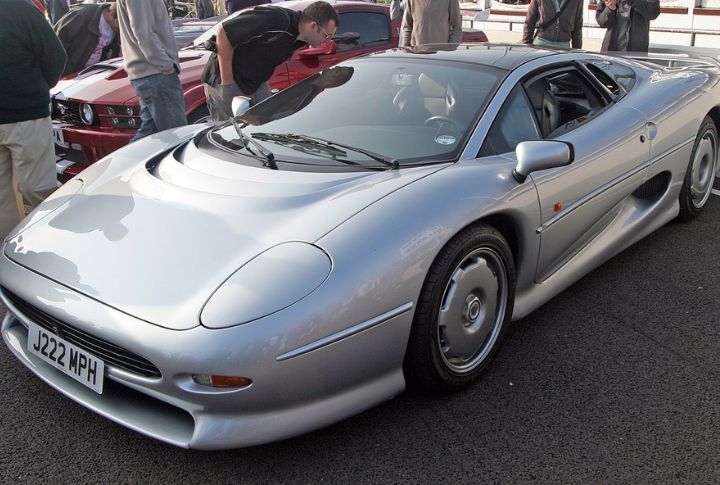
Jaguar’s engineering director, Jim Randle, launched the XJ220 project in the mid-1980s to revamp the brand’s image. He and the volunteer “Saturday Club” worked weekends on a V12 supercar to rival Italy and Germany. The car’s 1988 Birmingham Motor Show debut brought in many deposit checks.
From V12 Dream To Turbocharged Reality
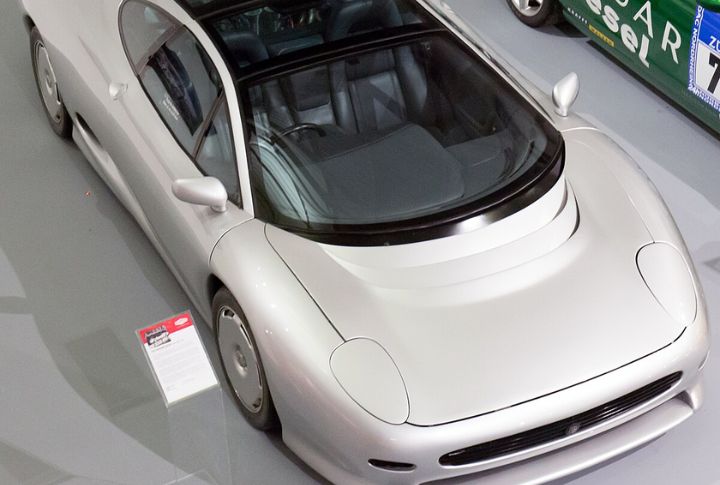
Did you know the “220” in XJ220 originally referred to its intended 220 mph top speed? Jaguar, however, had to rethink its approach when Tom Walkinshaw Racing deemed the V12 too heavy. Switching to a twin-turbo 3.5L V6 from Group B rally cars improved agility but disappointed purists.
Betrayed Before Birth
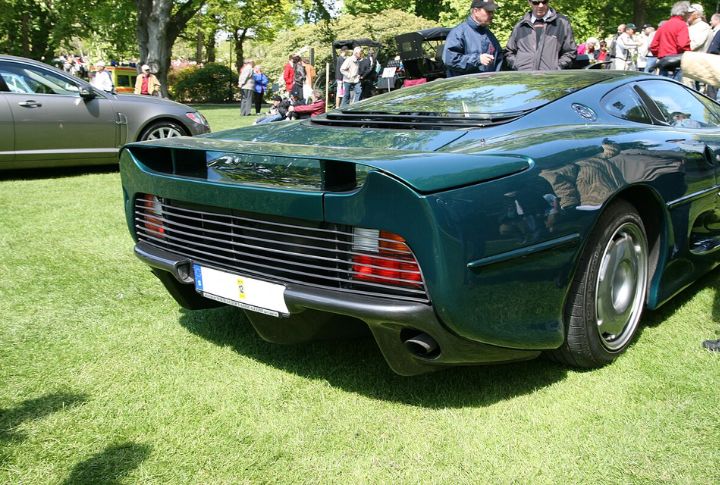
Buyers expected a V12, all-wheel-drive supercar but got a rear-wheel-drive V6 instead. Feeling deceived, many customers sued Jaguar and demanded refunds. The early ’90s recession only worsened the situation—at around $550,501.65, the XJ220 felt overpriced. As a result, many units remained unsold for years, and this hurt Jaguar’s legacy.
Fastest Car On Planet Earth

Speed silenced critics when F1 driver Martin Brundle hit 217 mph at Italy’s Nardo test track in 1992. This made the XJ220 the world’s fastest production car. It dethroned the Bugatti EB110 and Ferrari F40, which was an astonishing feat for a six-cylinder engine against their mighty V12s.
Green Hell Champion
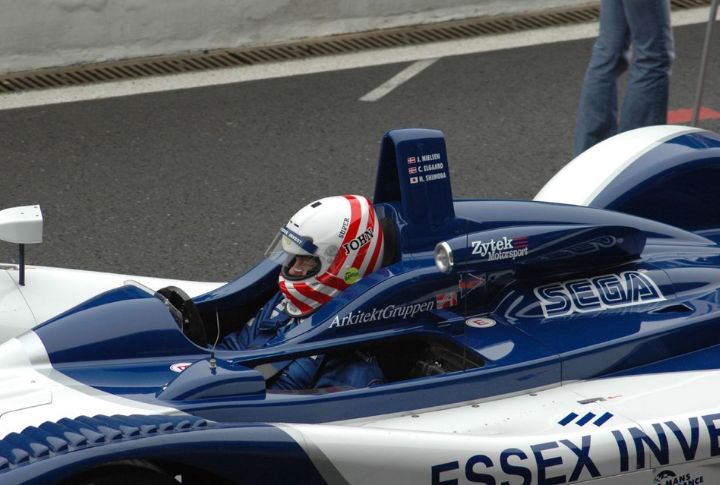
In 1991, legendary driver John Nielsen dominated the Nurburgring Nordschleife in an XJ220 and set a blistering 7:46.36 lap time. Another production car record was shattered while proving the Jaguar’s prowess beyond straight-line speed. The advanced aerodynamics delivered immense downforce without the oversized wings seen on its Italian rivals.
Exotic Rarity That Flies Under The Radar
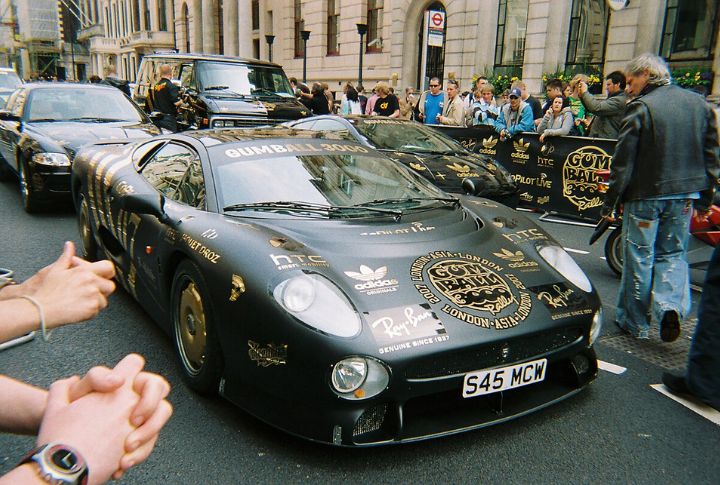
Jaguar XJ220 is rarer than the Ferrari F40 (1,311) and Porsche 959 (337). The plan was to make 350 cars, but when demand dipped because buyers were disappointed, Jaguar had to count their losses and stop production. Only 282 units left the Bloxham factory from 1992 to 1994.
The Supercar Market’s Greatest Bargain
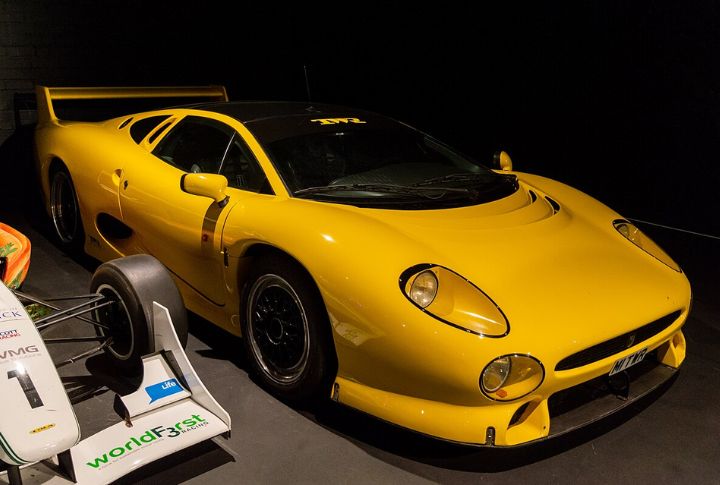
At $515,968–$548,806, the XJ220 is a bargain for a former world speed record holder. While the Ferrari F40s hit $4 million and McLaren F1s a staggering $20.5 million, the Jaguar remains shockingly undervalued—such legendary performance at roughly a 75–85% discount over its rivals!
Terribly Undervalued By Collectors
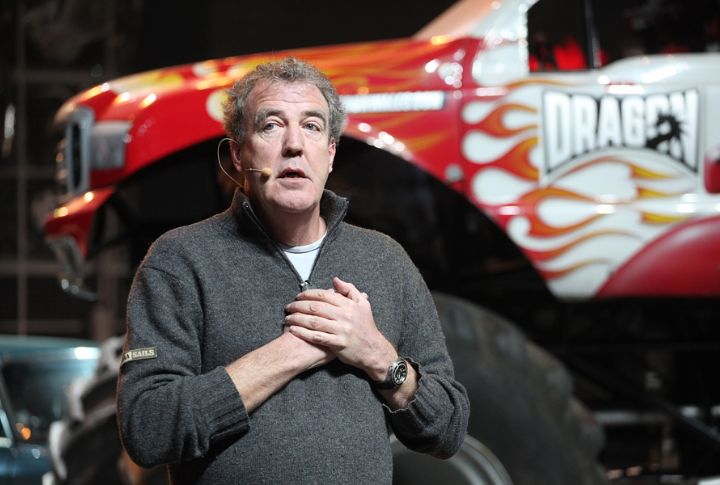
Jeremy Clarkson once joked, “The XJ220 is made from stuff dug out of the ground by men in checked shirts and hard hats,” before watching it outrun a Pagani Zonda. Even Jay Leno has praised its value. With journalists seeing it in a good light, when will collectors wake up?
The Badge Burden
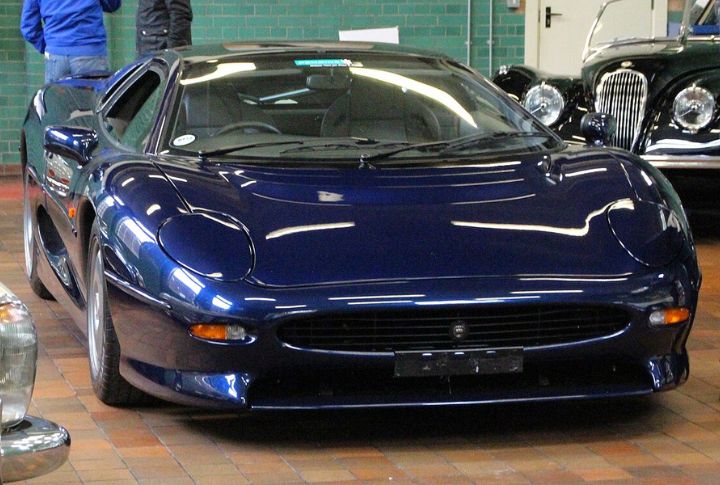
The XJ220’s biggest obstacle is Jaguar’s brand image. Ferrari and Lamborghini inspire racing dreams, but the Jaguar gives tweed-clad gentlemen vibes. Doug DeMuro even remarked, “Jaguar could shut down tomorrow, and no one would care too much.” This unfair perception overshadows the XJ220’s extraordinary supercar pedigree and record-breaking performance.
Timeless Beauty Meets Engineering Excellence
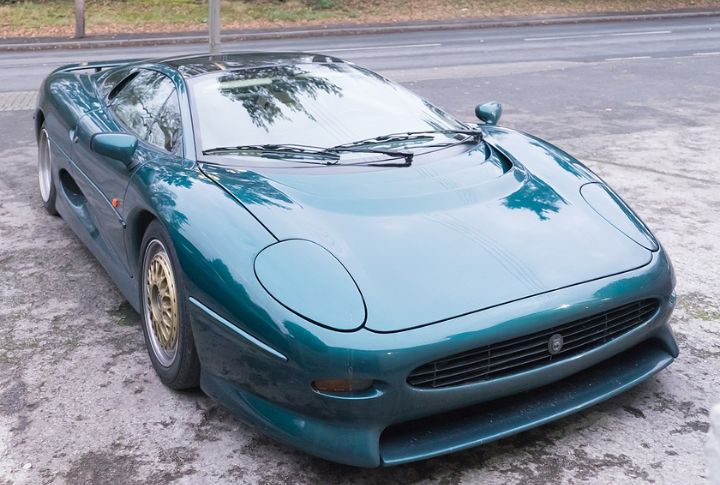
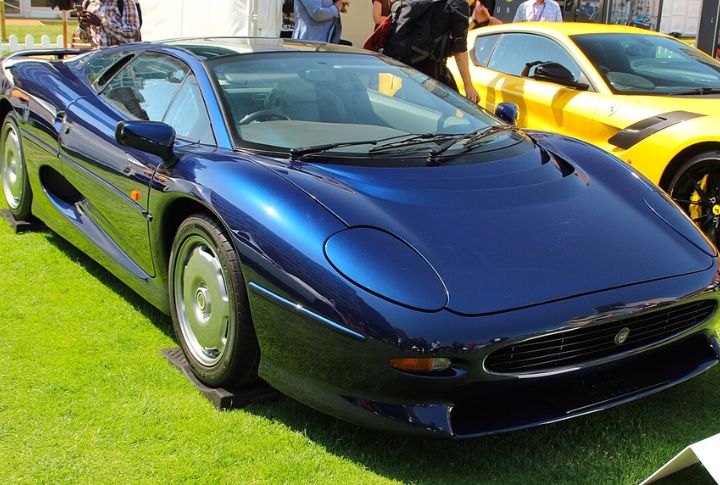
XJ220’s flowing lines echo the E-Type while embracing progressive aerodynamics. The impossibly low 45-inch height and massive wheelbase create stunning proportions that still turn heads. Lift the clamshell engine cover, and you’ll find a masterpiece that not only flaunts raw power and surprising reliability but is rare among exotics.