10 Oil Change Mistakes That Could Damage Your Engine
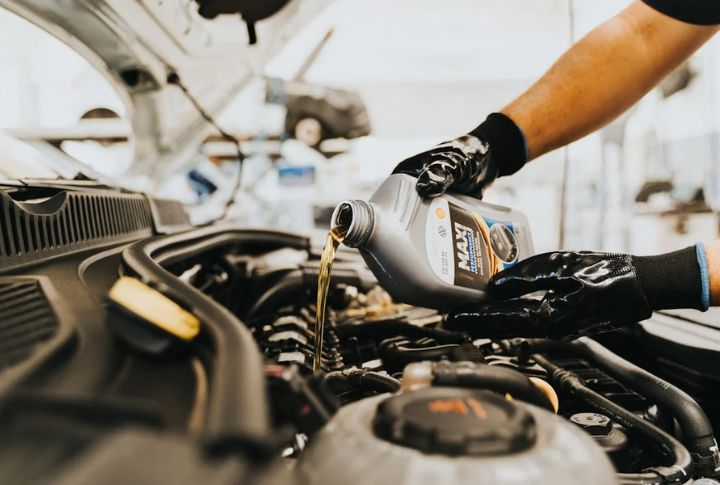
Engine damage often starts with small errors during routine oil changes. Avoiding these common mistakes protects your vehicle and saves money in the long run. Take a moment to learn about common pitfalls that could cost you more than you think.
Using The Wrong Oil Grade
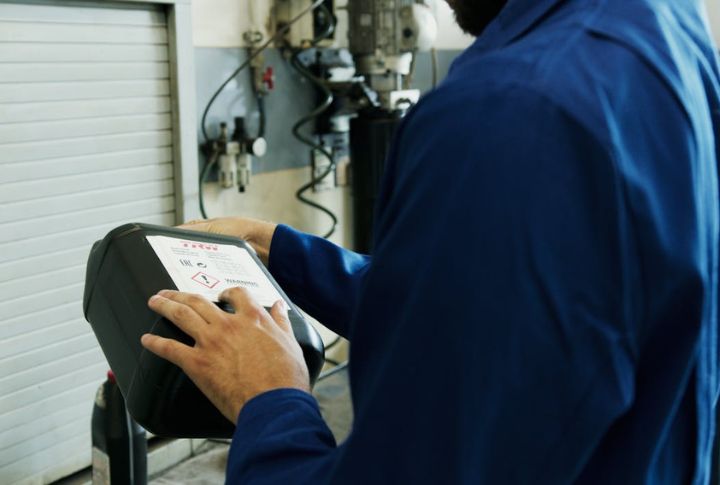
Using oil with the wrong viscosity affects how well it lubricates your engine. It causes parts to wear faster or even seize. Synthetic oils handle extreme temperatures better than conventional ones, so following your manufacturer’s oil grade recommendations ensures your engine runs smoothly and stays well protected.
Underfilling Engine Oil
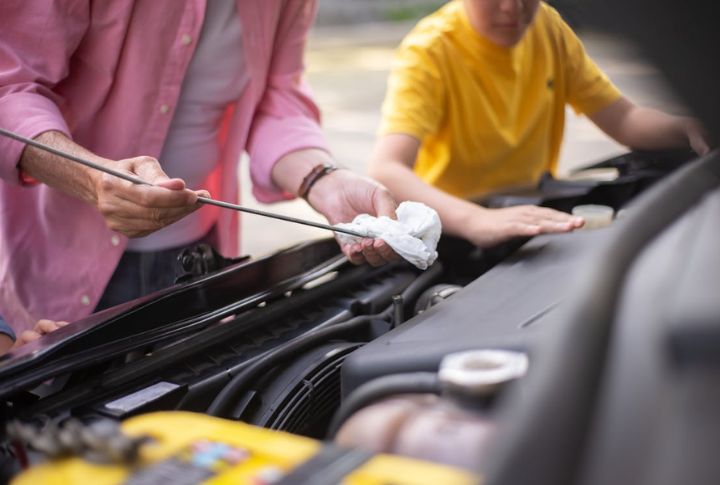
Regularly checking oil levels helps avoid costly repairs and keeps your vehicle running reliably. If your engine doesn’t have enough oil, lubrication suffers and parts overheat, which leads to faster wear. Low oil levels may also cause the pump to pull in air. This risks serious engine damage.
Overfilling The Engine Oil
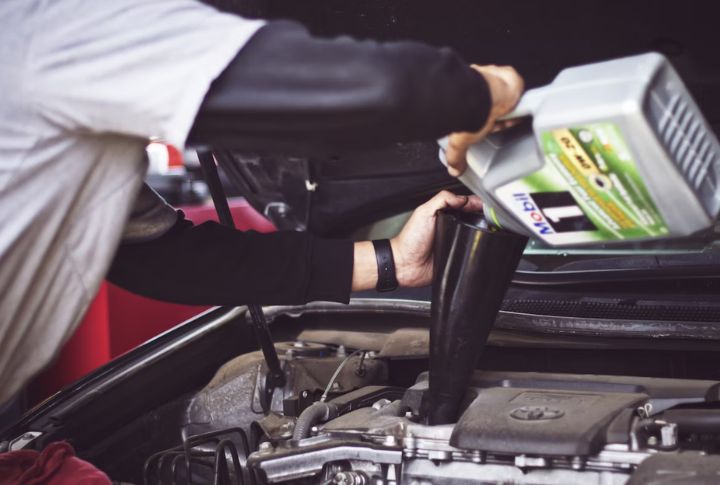
Overfilled oil often foams and becomes less effective at lubrication. Putting too much oil in your engine increases pressure, which can cause leaks and gradually damage seals or gaskets. Fortunately, many modern vehicles have sensors that detect overfill and alert you with a check-engine light to prevent damage.
Ignoring The Oil Pan Condition
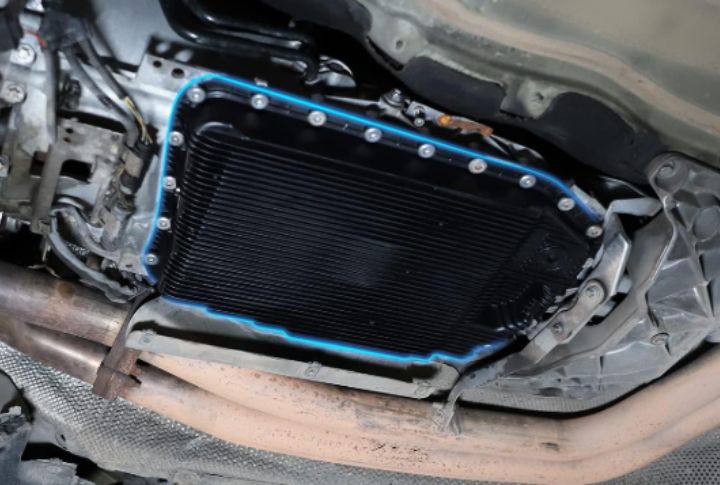
Oil pans with rust or dents can cause leaks and contaminate the oil, which can harm your engine. Damage may also disrupt oil flow and filtration. Many oil pans now include magnets that trap metal shavings before they cause trouble, so regularly inspect them to spot issues early and prevent costly repairs.
Not Tightening The Drain Plug Properly
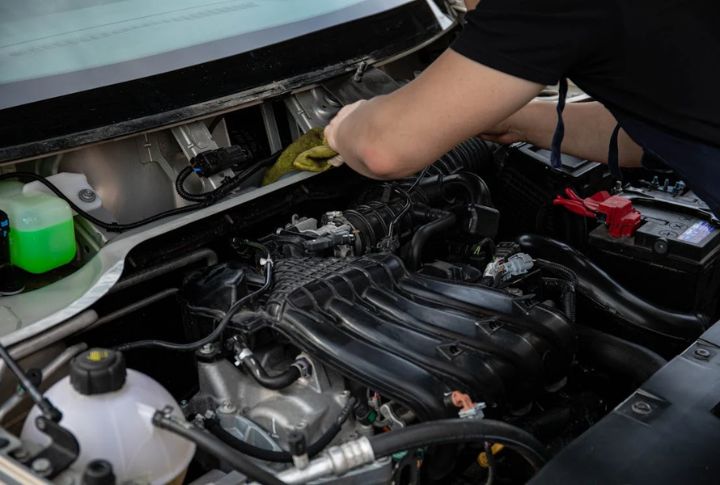
If the drain plug remains loose, the oil will leak, and your engine will face serious damage. Tightening it too much can strip the threads or crack the oil pan, causing expensive repairs. A torque wrench guarantees the right tightness every time, and some manufacturers set torque limits as low as 25 ft-lbs.
Using Low-Quality Oil
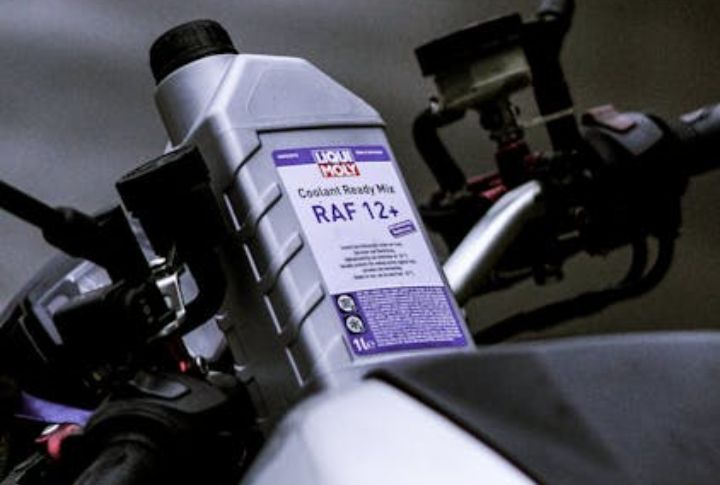
Poor-quality oils break down quickly when exposed to engine heat and fail to protect internal components effectively. This increases friction and speeds up wear on vital parts. On the other hand, high-quality oils contain additives that fight corrosion and reduce harmful emissions.
Neglecting Oil Change Intervals

Oil thickens and loses its protective qualities over time. This allows sludge to build up and reduce fuel efficiency. Many modern cars now warn drivers when oil quality drops. Staying on top of your oil change schedule maintains engine health and ensures consistent performance on the road.
Reusing Old Oil Filters
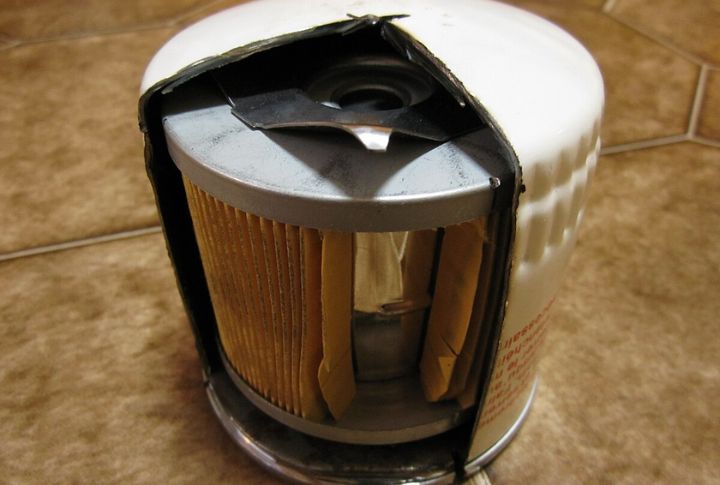
Installing a new filter with every oil change dramatically lowers engine wear and improves its lifespan. Oil filters are designed for single use because they trap contaminants that flow back into your engine. These blockages restrict oil flow and cause critical parts to receive insufficient lubrication.
Changing Oil Without Warming Up The Engine
Warming your engine before an oil change ensures a cleaner system and better protection for your engine’s longevity. Cold oil drains slowly and leaves sludge behind, which can clog engine passages. On the other hand, warm oil flows easily and removes more contaminants during draining.
Forgetting To Replace The Oil Cap

Some vehicles monitor the oil cap electronically and alert drivers when it’s loose or missing. A missing or loose oil cap allows dirt and moisture to enter the engine oil, which reduces its effectiveness. This contamination harms engine performance and can cause damage. Always check the oil cap after servicing.