15 OId Passenger Jets You Probably Forgot About
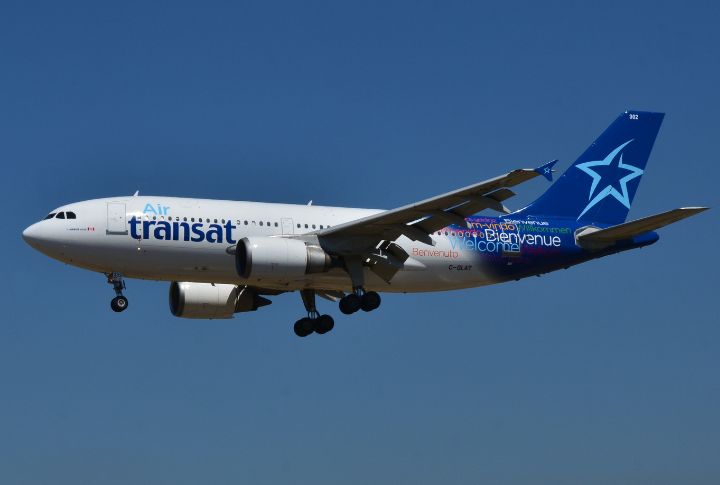
Passenger jets symbolize human ingenuity, progress, and the thrill of conquering the skies. Unlike their propeller-driven predecessors, passenger jets revolutionized air travel and made international travel more accessible. Yet, as the industry evolved, their legacies faded into the background as newer, more advanced aircraft took to the skies.
Vickers VC10
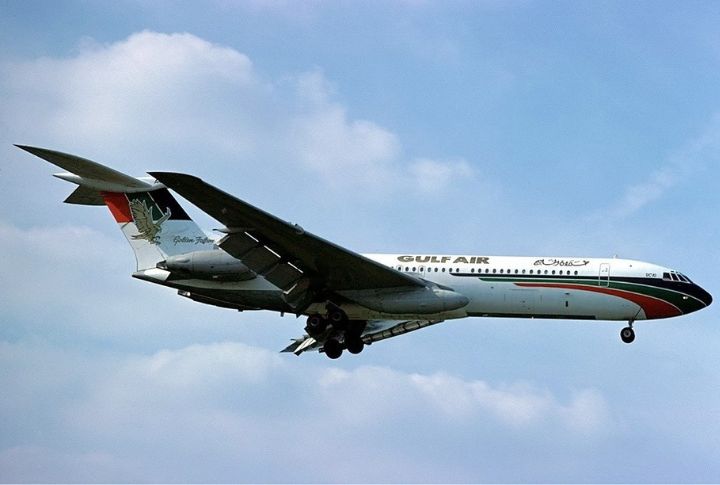
Introduced in 1962, this was a British-designed long-range airliner for hot and high-altitude conditions. It was primarily used by BOAC (British Overseas Airways Corporation) on long-haul routes to Africa and the Middle East. However, it eventually retired due to high operational costs and the invention of more fuel-efficient jets like the Boeing 747.
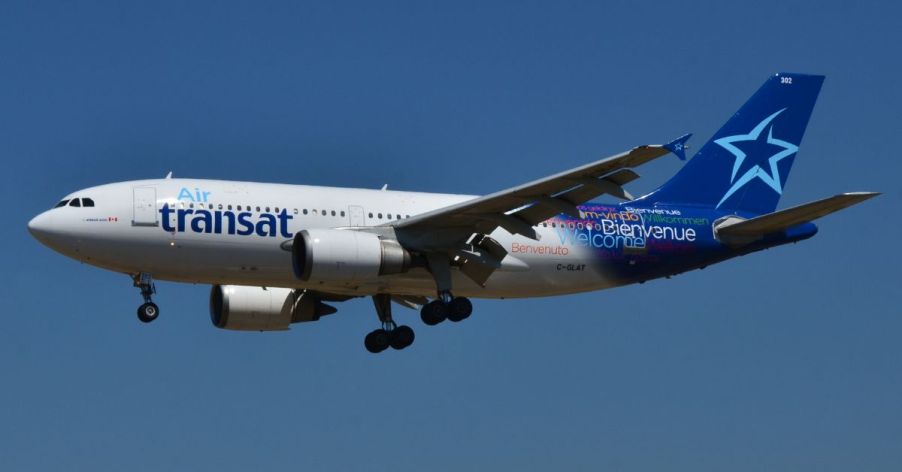
Airbus A310
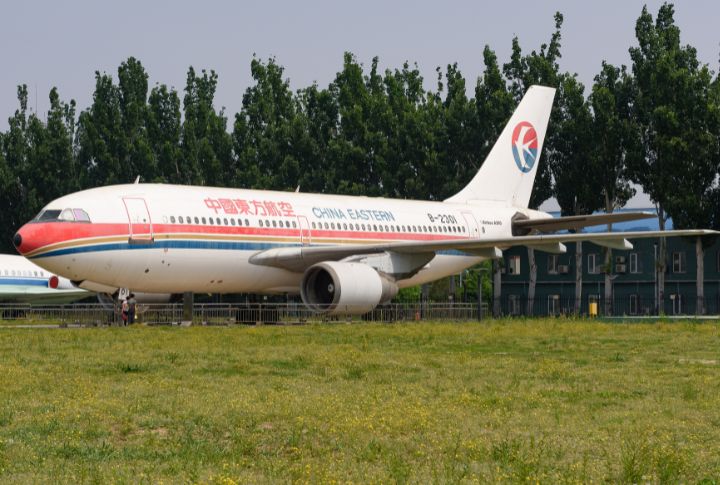
Although a few Airbus A310s still operated, most retired to make way for more modern aircraft. The A310 was made in 1983 as a shorter, smaller variant of the Airbus A300 for medium to long-haul flights. It was Airbus’s second aircraft and played a significant role in establishing the company’s status as a major competitor in the global market.
VFW-Fokker 614
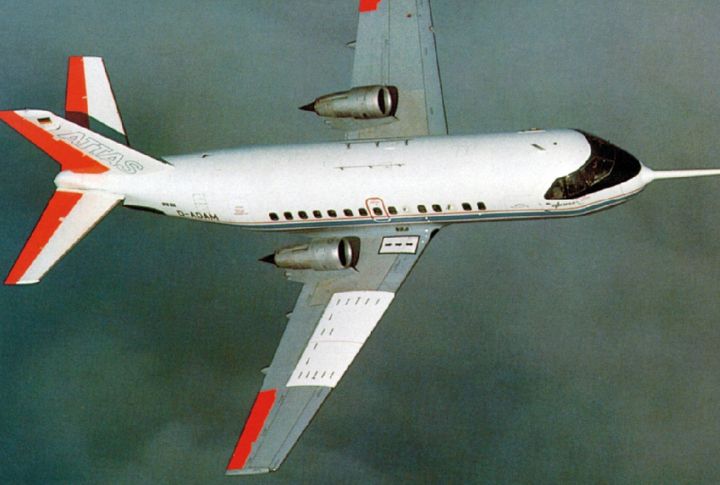
The VFW-Fokker 614 took to the skies in 1971, but only 19 units were ever built. Despite its innovative design, it struggled to find a solid market. This short-haul jetliner was a collaboration between a West German and Dutch consortium and featured a distinctive design with engines mounted on pylons above the wings.
Lockheed L-1011 TriStar

Since its introduction, the jet has been involved in 35 aviation accidents, which heavily impacted its reputation. Production and financial delays further contributed to its decline in popularity, eventually leading to the company ceasing production. Today, only one 1974 model remains as a flying rocket launcher.
McDonnell Douglas DC-10
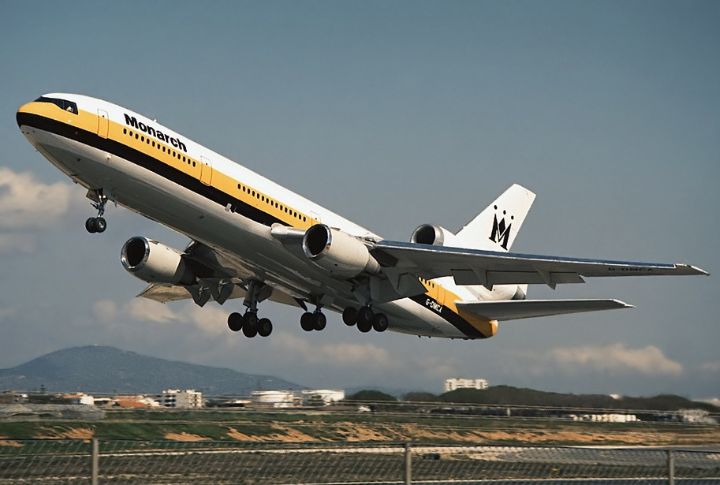
This jet became a cornerstone of many airline fleets during the 1970s and 1980s. However, its legacy was overshadowed by several high-profile accidents, which tarnished its reputation. By the early 2000s, the DC-10 was largely retired from passenger service, though a few continued to operate as freighters.
Saab 90 Scandia
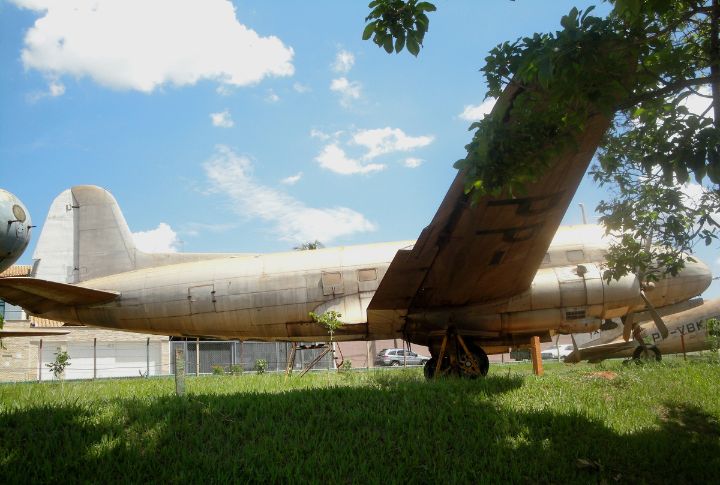
Svenska Aeroplan Aktiebolaget designed the Saab 90 Scandia. Developed shortly after World War II, the Scandia was intended to replace the aging Douglas DC-3 in short-haul operations. It could accommodate up to 36 passengers for regional flights across Europe. Only 18 units were built before production ended in 1950.
Convair CV-440
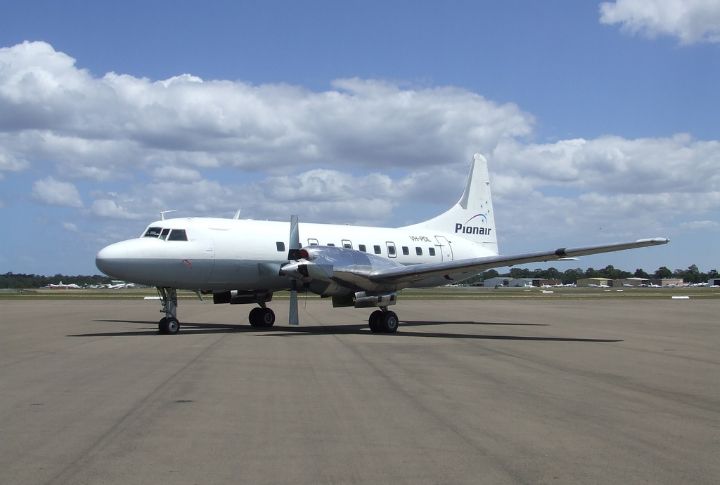
Designed for short to medium-haul routes, the CV-440 could carry up to 52 passengers. However, as jet airliners became more common and affordable, the CV-440 was gradually retired from commercial service by the 1970s. Many were converted for cargo use or repurposed for military and corporate roles.
Fokker F28 Fellowship
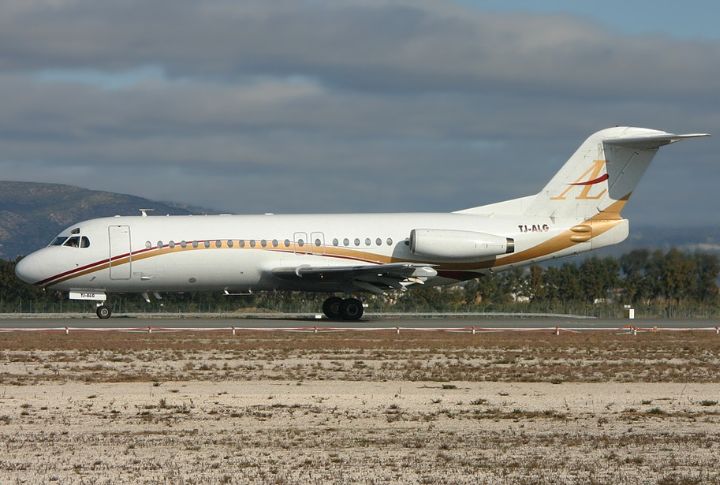
The Fokker F28 Fellowship, introduced in 1967, was a Dutch-built regional jet designed to serve short- to medium-haul routes. It featured a rear-mounted engine design and could carry between 65 and 85 passengers, depending on the variant. By the early 2000s, most F28s had been retired from commercial operations, but few remained in niche roles.
Douglas DC-6
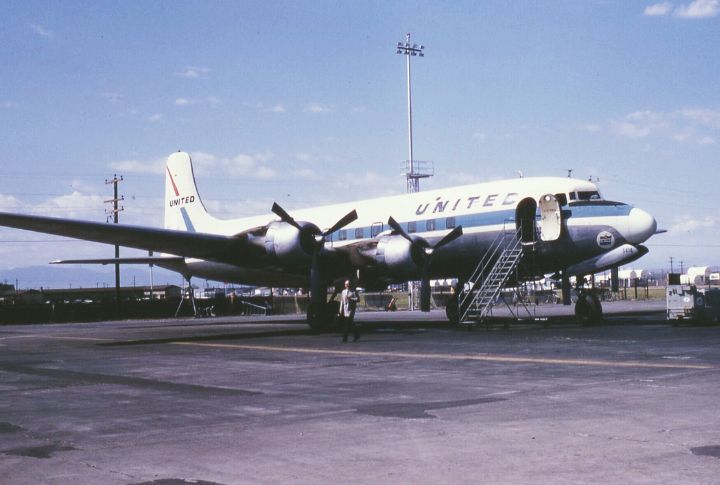
With 704 units produced, the DC-6 saw extensive use in both civilian and military roles. This was a post-World War II American piston-engine airliner designed for long-haul routes and represented a more advanced version of the earlier DC-4. A few DC-6s operate today, primarily in cargo, wildfire control, and military roles.
Ilyushin Il-62
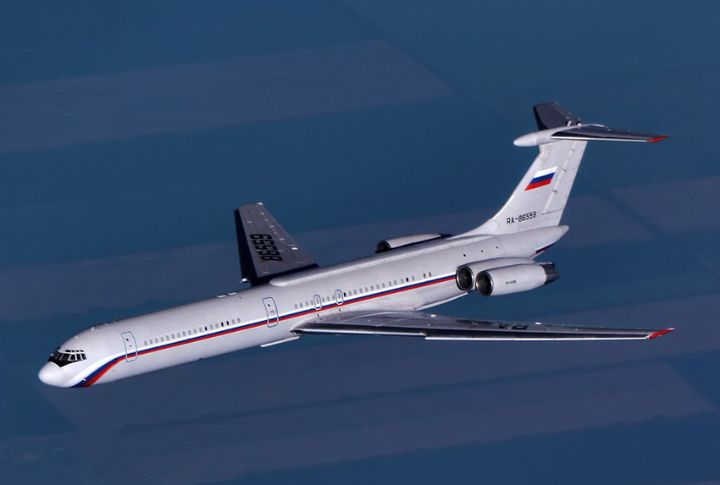
When it first flew in 1963, it became the world’s largest jet airliner, capable of carrying almost 200 passengers. It was a Soviet long-range jet airliner designed to compete with Western aircraft like the Boeing 707 and Douglas DC-8. The Il-62 was known for its distinctive rear-mounted engine configuration. Aeroflot and other Eastern Bloc airlines widely used it.
Tupolev Tu-104
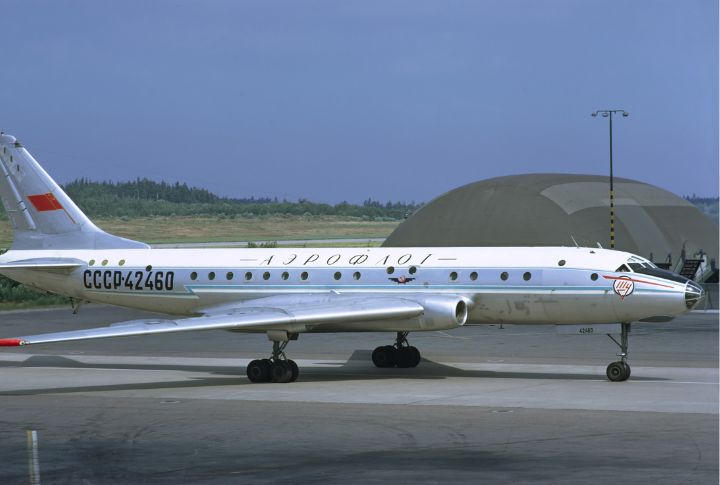
In civilian service, this jet carried more than 90 million passengers. As the Soviets sought to modernize their air travel industry, it was based on the Tupolev Tu-16 bomber. Moreover, it was used by the CSA Czechoslovak Airlines and the military services of Czechoslovakia, Mongolia, and the Soviets.
Convair 990 Coronado
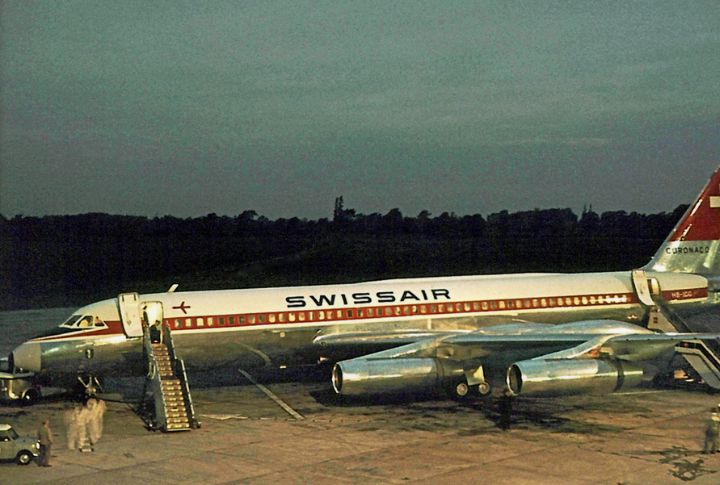
A variant of the earlier Convair 880, the Convair 990 Coronado was designed to carry more passengers and offer higher speeds, particularly for transcontinental routes. However, it was plagued by high operational costs. Only 37 Convair 990s were built, and the aircraft was quickly retired by the early 1970s.
Hawker Siddeley Trident
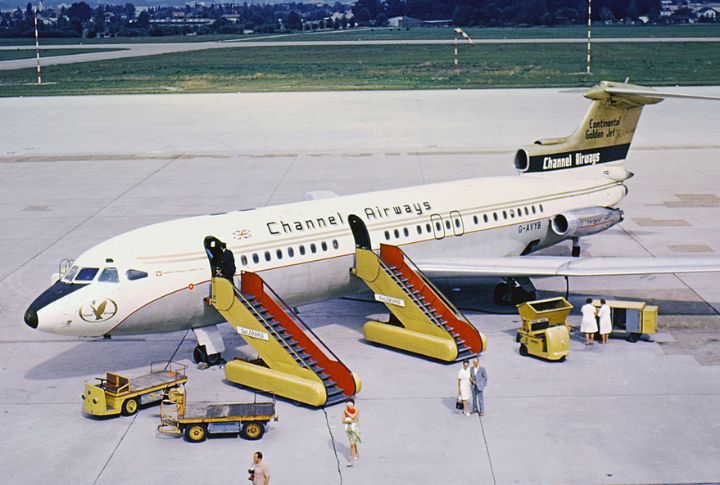
Flying for the first time in 1962, the Hawker Siddeley Trident was designed specifically for short-haul routes. It was the first commercial airliner equipped with a fully automatic landing system. The Trident was developed in response to the needs of British European Airways with a distinctive tri-engine configuration mounted at the rear of the fuselage.
Sud Aviation Caravelle
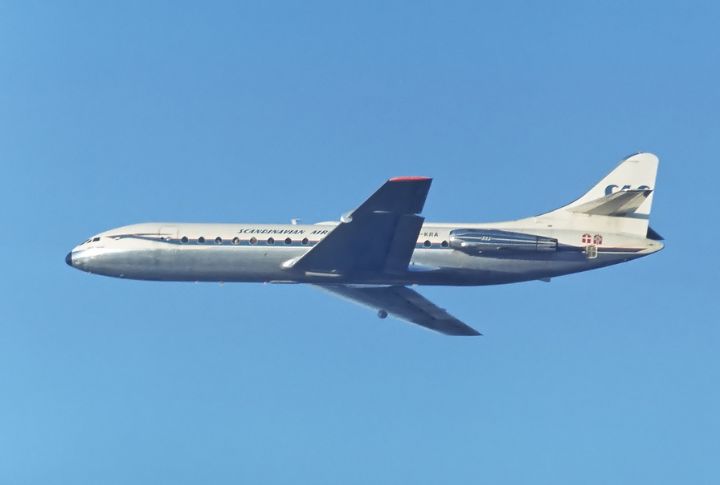
Sud Aviation built 282 short-range Caravells between 1958 and 1972. As one of the first jets to operate commercially in Europe, its rear-mounted engine design gave it a sleek, quiet flight compared to earlier jets with wing-mounted engines. Depending on the variant, the Caravelle could carry between 80 and 140 passengers.
BAC 1-11
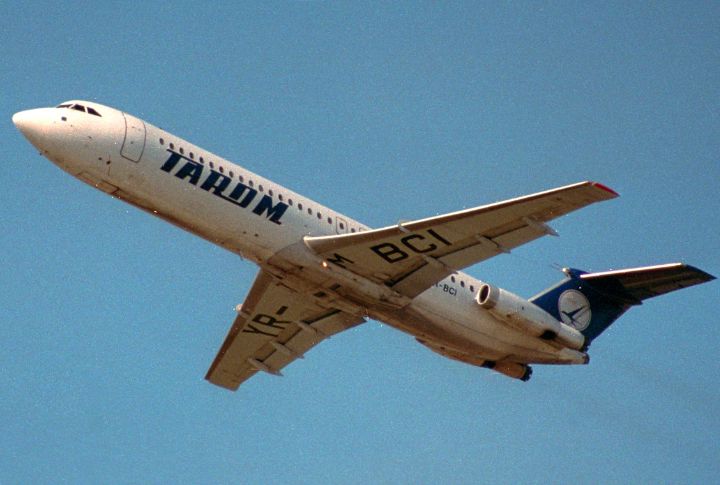
The British Aircraft Corporation BAC developed the 1-11 to compete with American jets. Its rear-mounted engines, T-tail design, and seating capacity of 80-119 passengers made it popular among regional airlines. However, stricter noise regulations and the arrival of more modern jets led to the 1-11’s gradual retirement in the 1990s and early 2000s.