Ohio Firefighters Ask to Decommission Brand-New Ambulance, Citing Burnout-Level Forced Overtime
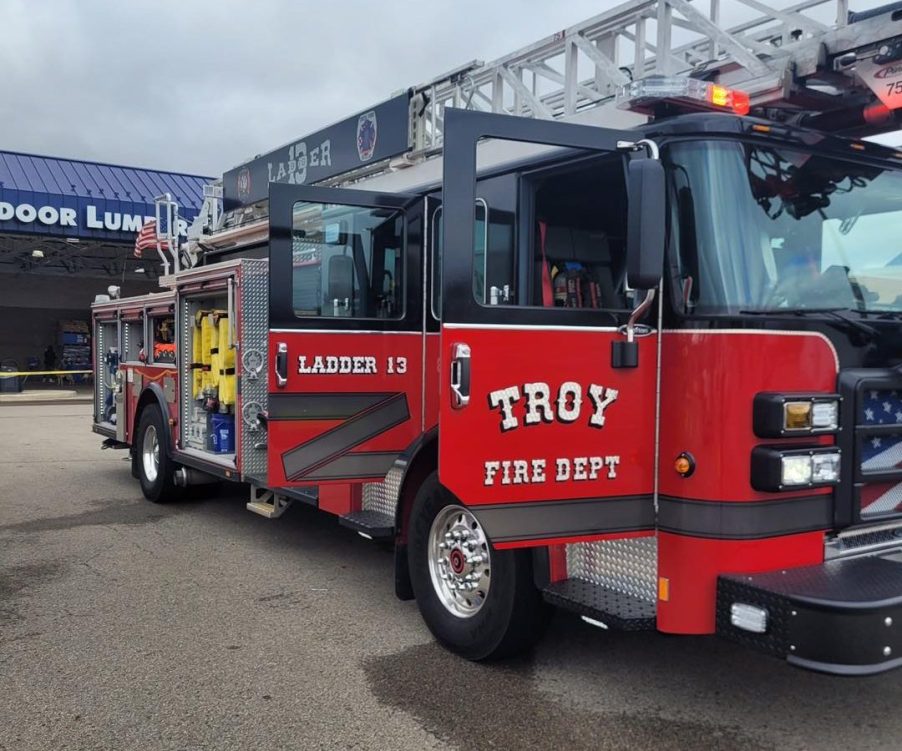
Sparkling new equipment in a fire house usually signals much needed progress. In Troy, Ohio, though, it’s become the flashpoint of a staffing strain that’s already stretched thin.
The city rolled out Medic 15, a brand-new ambulance sponsored by a local healthcare group, back in May. The vehicle is meant to cover lower-priority calls during heavy traffic hours.
Instead of easing workload, though, the local firefighter union says it pushed the team past what it can endure.
With only about 30 people on staff, they’re tracking toward more than 10,000 overtime hours this year
The union formally asked the city to take the ambulance out of service, at least temporarily. City officials refused.
Thomas Reed, president of Local 1638, reported that every shift opening on the new unit forces more mandatory overtime. The thing is, there aren’t enough people to cover it without cutting into critical rest.
He explained that the extra ambulance, while positioned as a support measure, is actually damaging morale and increasing safety risk.
Assistant service and safety director Charlotte Colley responded that the department is “performing well” and the ambulance offers important coverage
She added that more EMTs are currently training to become paramedics and relief is on the way.
But folks close to the matter call her reaction tone deaf.
Several commenters, some firefighters and EMTs themselves, aren’t buying it
After News 2 covered the story, responses rolled in. One claimed management lacks hands-on understanding of the physical toll.
Another argued the shortage problem has less to do with staffing and more with compensation, pointing out that entry pay doesn’t align with the demands of the role.
A retired firefighter and dispatcher responded that burnout is real but argued that extra ambulance coverage can be critical because seconds matter when someone calls 911.
Others questioned why staffing expansion didn’t match the spike in medical calls nationwide.
Another explained that less than 3% of dispatches are actual fires, meaning most firefighters are essentially serving as medical responders.
One comment compared forced overtime after 24-hour shifts to driving with a blood alcohol content at the legal limit. Another called it negligence.
A former firefighter said when he started in the ’80s, applicants lined up by the thousands. In his last few years, though, they had trouble filling open spots.
A local resident who once worked in the field said ignoring mental and physical limits threatens not just first responders but the public they serve. If you can imagine, trying to work on patients after little to no restful breaks means less clearheaded care.
The city isn’t blinking. Neither are the firefighters. In the meantime, Medic 15, the sparkling-fresh ambulance, stays in service. But I don’t know if I’d want to need a ride inside, knowing what’s going on behind the curtain in Troy.
Hopefully, as fear of AI taking over our computer-based jobs grasps us, we’ll have more and more folks hop into medical and trade training.