Jeep Owner With Off-Road Gear He Doesn’t Use as Often as He’d Like Offers Free ‘Get-Out-of-Ditch’ Service to Fellow Ohioans
It’s the holiday season, of course, and one Ohio Jeep owner decided to share some off-road cheer. They took to Reddit to encourage stranded drivers to skip AAA call waiting. Let the Jeeple know instead.
After all, they insist, lots of Jeep and other brand owners in the area spend a lot of money on their gear, only to have it serve more as a cute outfit than anything else.
“Since we’ve spent all the money on our off-roading gear (which never gets as much use as we’d like), we can throw it in the back in case we come across someone stuck,” they claim. “It’s how we can convince our wives that overpriced gear was all necessary.”
So, if you’re in Central Ohio and need a pull, post on r/Columbus or some such region-specific forum. You might be surprised at how many personal rigs are up for the task.
“There are hundreds of us with off-roading vehicles, tow straps, and could easily pull you out. I’ve already pulled 2 vehicles out of ditches tonight,” he wrote on December 13.
It’s a kind offer: you get a free helping hand, the off-road driver gets a lovely, “Thank you.” Sometimes those words alone are worth hundreds, right? There’ll probably be a genuine-24-karat-gold “Have a good one!” tossed in, too.
But, I wondered, are there any downsides to avoiding a pro?
Who’s responsible for any damages after a pedestrian off-road vehicle tries to help you get unstuck?
When a well-meaning Jeep with off-road equipment offers to help pull your car out of a ditch and something goes wrong, responsibility usually turns on a quiet but important distinction in the law: Helping a person is not the same thing as handling their property.
Most states have some version of a Good Samaritan law. These laws exist to encourage people to help in emergencies without fear of being sued if their efforts don’t go perfectly.
But Good Samaritan laws are narrowly written
They typically protect people who provide emergency care or assistance to other people physically, especially when there is a risk of injury or death.
They aren’t a free pass for damaging someone’s car with your geared-up off-road traileater.
Legal pros and courts consistently note that Good Samaritan statutes focus on human safety, not property damage.
As the National Institutes of Health summarizes, these laws shield rescuers from liability only when they act in good faith, without compensation, and without gross negligence, and they are aimed at preventing harm to people, not cars or other property.
That matters because pulling a car out of a ditch is usually treated as ordinary activity, not emergency medical aid.
If an off-road vehicle owner insists you skip a professional tow and then damages your car while attempting a recovery, Good Samaritan protection may not apply at all. In other words, the person “helping” might be responsible for damages.
I found a Reddit thread full of off-roaders discussing this exact topic.
Some off-road vehicle owners make the stuck owner attach the tow strap
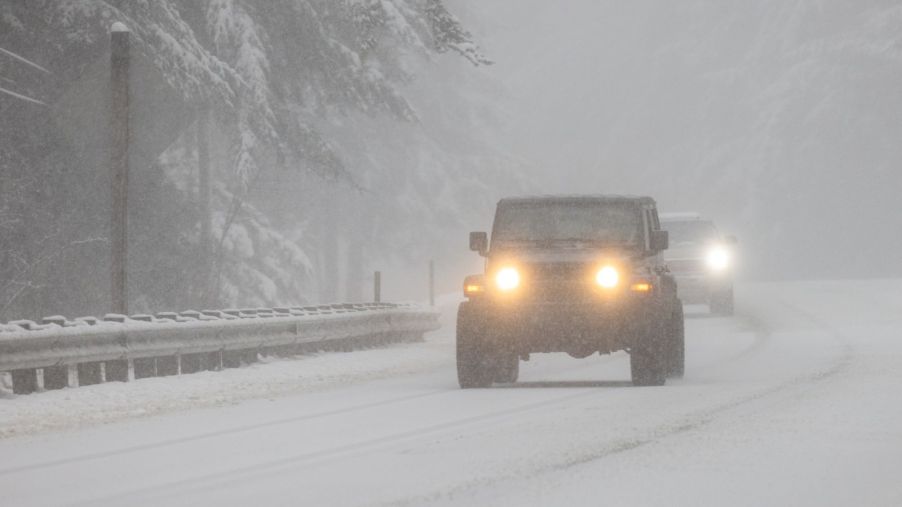
“So, I live in the Rocky Mountains, and we’re already getting a lot of snow,” the OP started out. “I have a 4WD truck with a winch and keep a tow strap on me. I’ve already driven past a few people (presumably on the way to ski) who slid off the road and into a shallow ditch…
“Now, I knew for a fact that I could easily pull them out of there…..but I’m worried about liability,” they explained.
“Does anyone know what the rules are here? Can I help someone out without fear of getting sued if something unexpected happens? Could someone hold me liable for preexisting damage to their car?”
The answers closely empathized with the OP. A few rigged-up car owners with off-road equipment said they also like to help stranded drivers when calling for a tow would take hours.
Some advised letting the other car’s owner hook up the strap themselves, or borrow equipment they need. This way, they claim, liability is at least partially on the other owner.
One off-road vehicle owner said they’ve been helping drivers for years and never had any trouble:
“I should probably just tell people to call a tow truck, but during a major storm there’s no way for trucks to get to everyone who is stranded; it’s understood that we help each other out. I’ve been pulling out stuck vehicles for over a decade and I’ve never had anyone say anything but ‘thank you.’”
Another said that the only way to avoid liability, unfortunately, is to drive past them.
In practice, insurance usually resolves the situation long before lawyers do
If you carry collision coverage, your own insurer will typically pay to repair your vehicle, minus your deductible.
After that, the insurer may decide whether to pursue reimbursement from the off-road helper or their insurance, depending on whether negligence is clear. If the helper’s actions directly caused damage, their auto liability policy could come into play, but that depends on the facts and the state.
If you don’t have collision insurance, things get riskier. You may need to rely on the off-road helper’s willingness to file a claim or accept responsibility. Otherwise, you could be left paying out of pocket unless negligence can be proven in court.
So go ahead and accept the help…at your own risk.