Norfolk, VA drivers appalled over finding out Flock license plate cameras silently log their location several times a day
Most Americans never question their freedom of movement when they get behind the wheel. You decide where you’re going…and who knows about it. In Norfolk, Virginia, a lawsuit just revealed that thousands of drivers are tracked far more closely than they ever realized.
Lee Schmidt, a retired veteran, teamed up with a nonprofit law group to force the city. The goal was to disclose just how often he’d been logged by the license plate cameras he noticed around town.
The answer, for him specifically: 526 times in less than five months, an average of four scans per day
His co-plaintiff, health care worker Crystal Arrington, was recorded even more. 849 times in the same stretch.
One unnamed local driver was tracked 14 times in just over six hours.
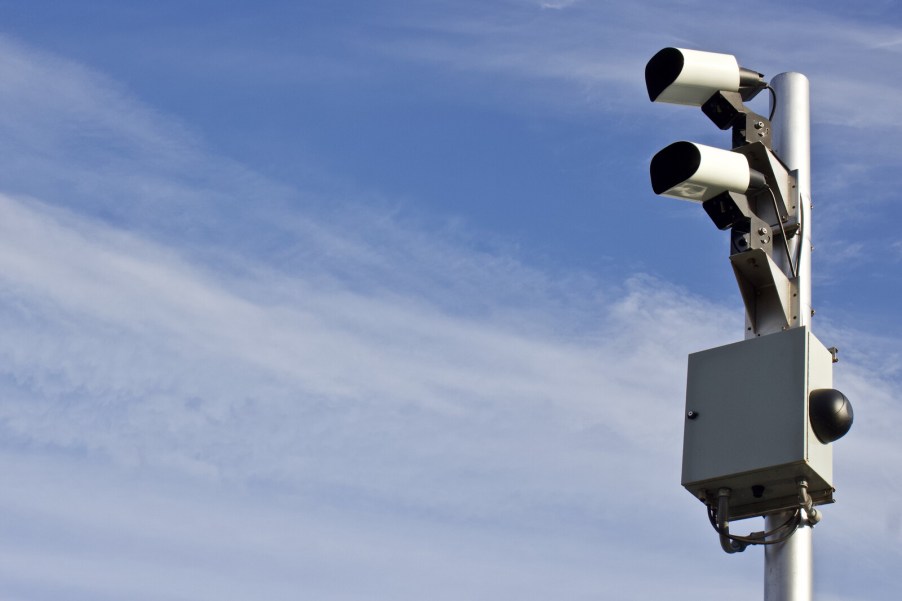
The camera system is run by Flock Safety, an Atlanta-based company that rapidly grew into the nation’s largest supplier of automated license plate readers
Founded in 2017, Flock promotes itself as the “largest public-private safety network” in the country.
The company offers everything from roadside cameras to drones, gunshot detection sensors, and data platforms that bundle those feeds into searchable maps.
Norfolk signed a $2.2 million contract with Flock to maintain 176 cameras across the city through 2027
The city’s license plate data has already been accessed roughly 200,000 times, according to the lawsuit.
The plaintiffs argue this constant logging amounts to a warrantless search that violates the Fourth Amendment. They’re asking a judge to order the cameras disabled and the stored data deleted.
Flock disputes that interpretation
A spokesperson pointed to previous court rulings, including one from Illinois earlier this year. In that case, judges found that plate readers do not constitute a warrantless search because they only capture “point-in-time” photos of cars in public.
Still, the Norfolk case highlights the spread of automatic license plate readers quietly blanketing the U.S.
Flock says its technology is in use by more than 5,000 police departments, 1,000 businesses, and numerous homeowners associations.
Civil rights groups warn that centralizing this much data risks creating a de facto nationwide tracking system. For example, one that could be tapped by federal agencies like Immigration and Customs Enforcement.
Virginia lawmakers have taken notice, passing a law earlier this year that limits the sharing of license plate data outside the state, NBC News shared.
But the Norfolk suit shows just how unsettling it can be when everyday drivers finally see the math of mass surveillance spelled out.
As for whether automakers have ever deployed something similar, the answer is no…well, not at this scale
OEMs like General Motors have long collected vehicle telematics, from OnStar crash notifications to location-based navigation services.
That data typically requires a subscription and, while sometimes shared with law enforcement, hasn’t operated as a sweeping citywide net. What’s unfolding in Norfolk is less about optional in-car services and more about infrastructure that watches every car, whether the driver consented or not.
For many residents in the know, every trip to the store or commute to work now comes with an invisible tag. And for many in Norfolk, that feels like a step too far.