10 Must-Know Tricks For Safer, Smoother Towing Every Time
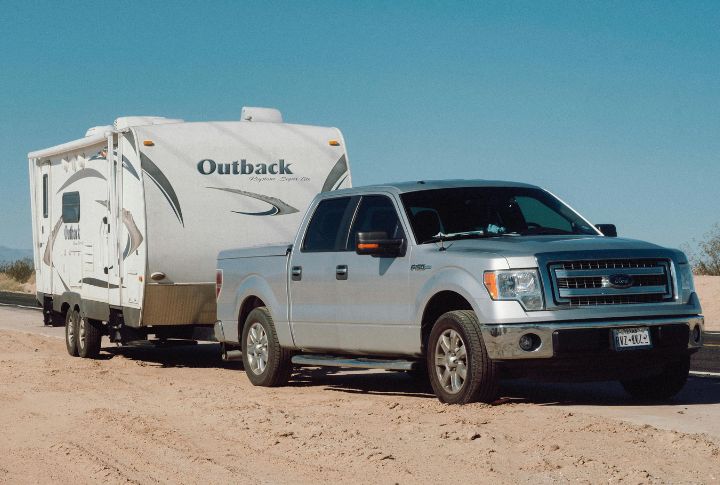
No one’s giving a thumbs-up to a trailer that wobbles like it’s got a mind of its own. Most towing disasters start with the little things people overlook—and those small missteps add up fast. The key to smooth, stress-free handling is a setup that’s solid and consistent. Once everything’s dialed in, even the roughest roads feel a whole lot more manageable. To help you get there, here are 10 smart tricks that’ll make towing feel like second nature.
Use A Weight Distribution Hitch
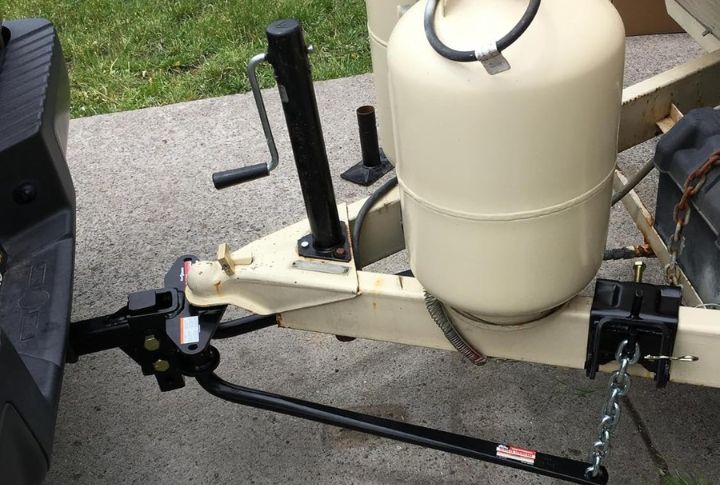
Ever feel like your trailer’s dragging you instead of the other way around? That’s where a weight distribution hitch saves the day. It spreads the load across your axles, helps with steering, and keeps brakes responsive. Some even cut the sway in half and reduce front-end lift. No wonder they’re often required past 5,000 lbs.
Know Your Tow Rating

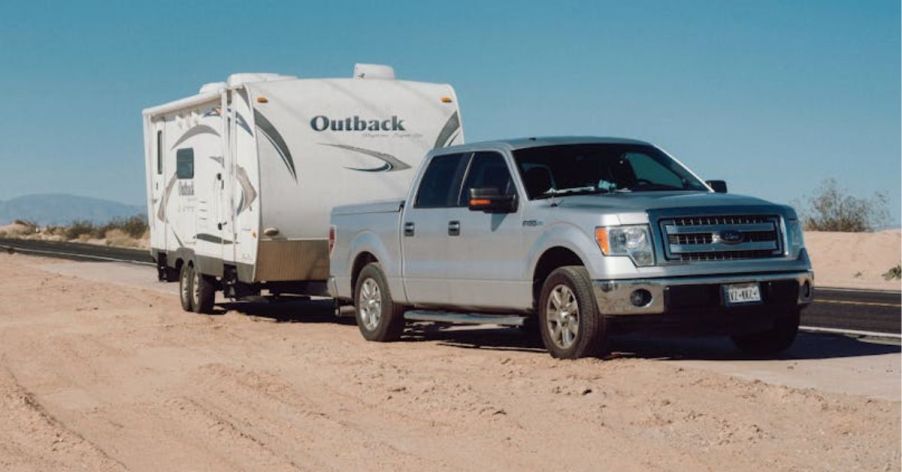
Check your tow rating before hitching anything. Exceeding it strains your engine and transmission and makes braking riskier. Trailer sway also becomes harder to control. SUVs often top out at 5,000 lbs towing capacity, but fully loaded trailers may weigh more. Respect the rating—over 60% of towing wrecks result from exceeding what your vehicle can handle.
Check Tongue Weight Before Every Trip
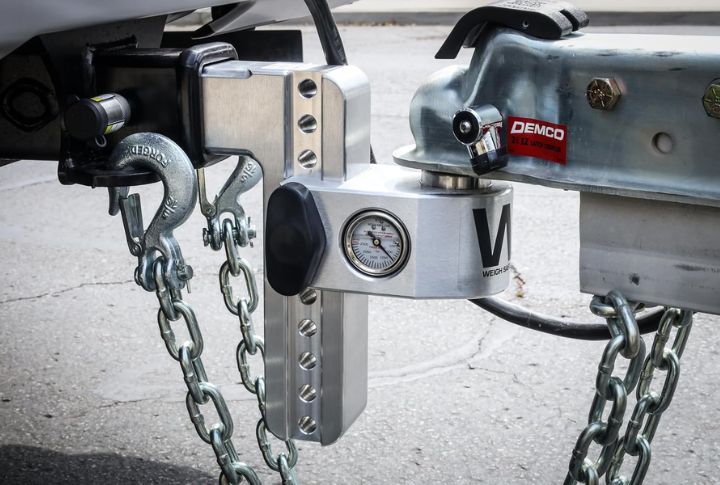
Before heading out, measure your tongue weight. This should land between 10 and 15% of the trailer’s total weight. Too light or too heavy throws off balance and increases sway risk. Even something as small as a rear-loaded generator can cause problems. Use a portable scale; they’re fast and accurate.
Inspect Brakes And Brake Controller
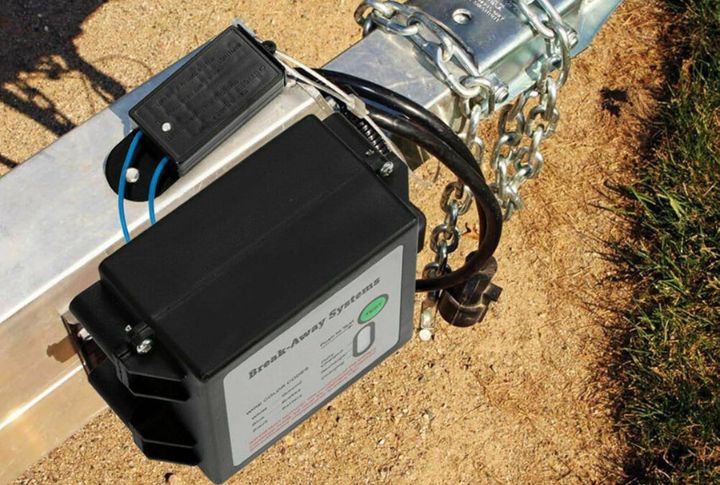
Trailer brakes are key to safe towing. They help shorten stopping distance and shield the tow vehicle from excessive strain. A brake controller regulates how smoothly the brakes engage. Many modern units even auto-calibrate while driving. Since about 5% of trailer-related crashes involve brake issues, regular checks are important.
Use Trailer Sway Control If Available
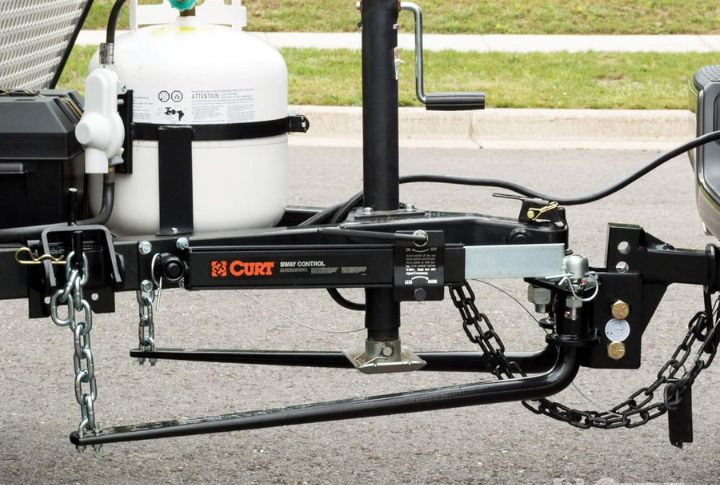
If your trailer has sway control, activate it before every trip. It detects side-to-side movement and applies the brakes automatically. That’s especially helpful during crosswinds or sudden lane shifts. Without it, over 40% of trailers over 20 feet experience sway. Electronic systems respond quicker than human reflexes—use that to your advantage.
Adjust Mirrors For Extended Views
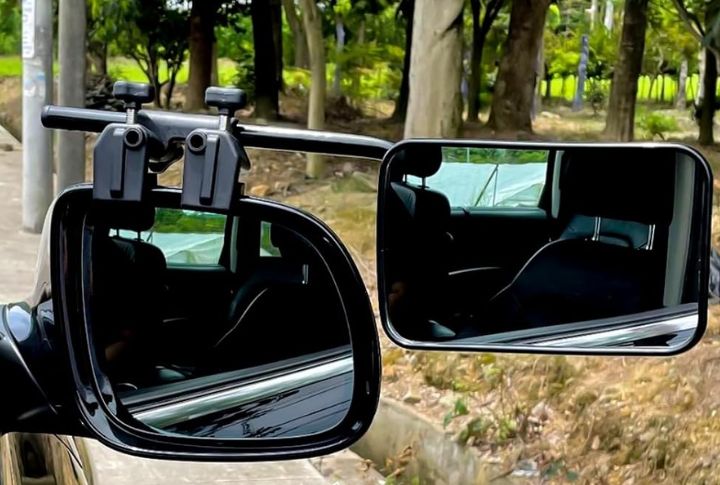
Install clip-on tow mirrors before heading out. Standard mirrors won’t show enough, especially when blind spots double with trailers over 20 feet. These add-ons boost visibility while reversing or changing lanes. In several states, they’re required by law if the trailer width exceeds 80 inches. It’s also important to check mirror angles before every trip.
Balance Trailer Load Properly

Load distribution directly affects towing performance. Uneven weight causes trailer sway and can overload axles. Place heavier items low and centered above the axle for best stability. Trailers with poor weight balance often pull to one side. Position water tanks near the axle to minimize sloshing while driving.
Monitor Tire Pressure And Condition
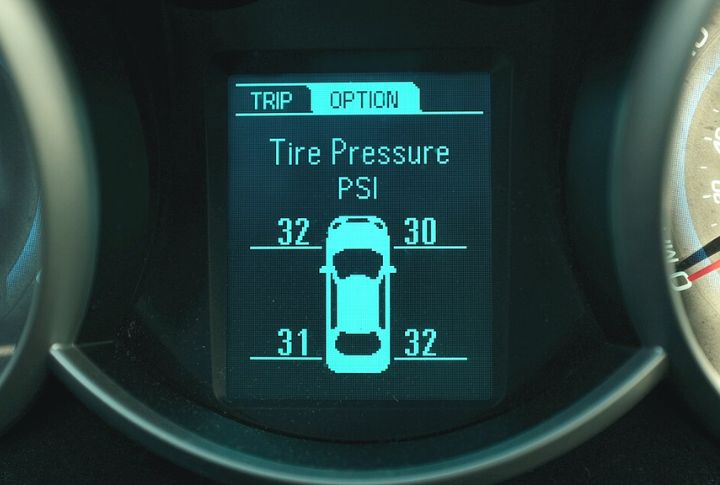
Underinflated trailer tires are a major safety risk. They increase sway and are more likely to burst out, often below 55 mph. Trailer tires also age faster than passenger car tires, particularly in storage. Experienced RVers recommend replacing them every five years regardless of the remaining tread. Regular inspections help avoid road trouble.
Secure All Interior Items

Unsecured items inside the trailer pose serious risks. Loose gear shifts during travel, throwing off balance and causing damage. With sudden braking, even everyday items become flying hazards. Something as small as a can of beans can smash a cabinet at 30 mph. Fridges, in particular, are often the first to burst open on poorly packed trips.
Never Rely Solely On Cruise Control
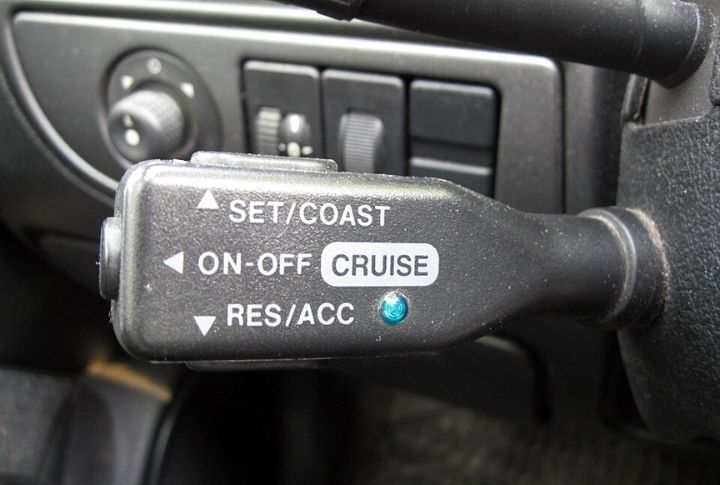
Cruise control isn’t optimized for towing. It often reacts too late on curves or slopes and may skip engine braking altogether. Many truckers avoid using it on long downhill grades to maintain full control. Since cruise systems don’t account for trailer dynamics, manual input is the safer option when towing.