15 Muscle Cars We Love Despite Their Shortcomings
Muscle cars have always fascinated automotive enthusiasts with their raw power and aggressive styling. However, many of these iconic vehicles have flaws that are difficult to ignore. This article takes a closer look at fifteen beloved muscle cars that, despite their flaws, still hold a special place in the hearts of fans.
1977 Buick Skylark
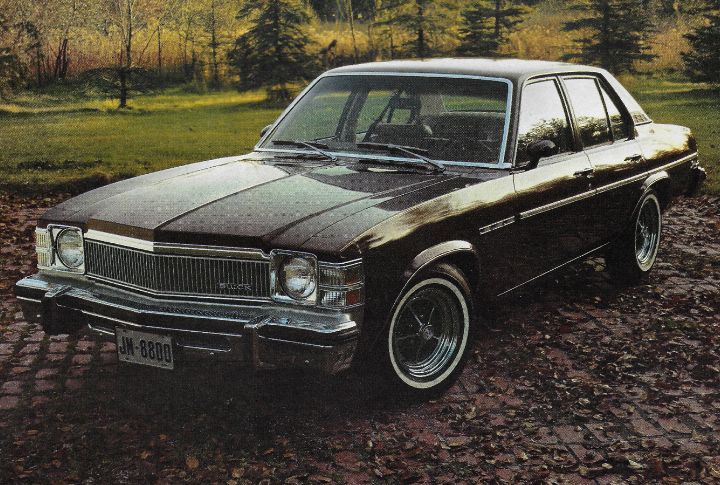
The 1970 Buick Skylark GS is a classic muscle car with one of the era’s most formidable engines. Initially equipped with a powerful V8 engine producing 350 hp, later versions diminished in power, offering only 170 hp. The 1975 redesign softened the Skylark’s aggressive edge, leading to a less thrilling driving experience.
1976 Ford Mustang II
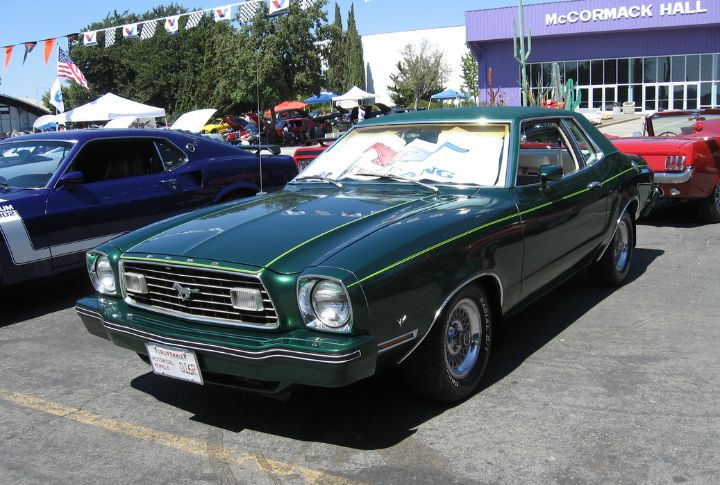
Mustang has experienced significant highs and lows throughout its history. The first-generation Mustang ignited the muscle car movement, while the third-generation Fox-body model remains a cherished classic. However, even with its merits, the second-generation Mustang fails to reach its predecessors’ iconic status, leaving enthusiasts wanting more.
1972 Mercury Montego GT
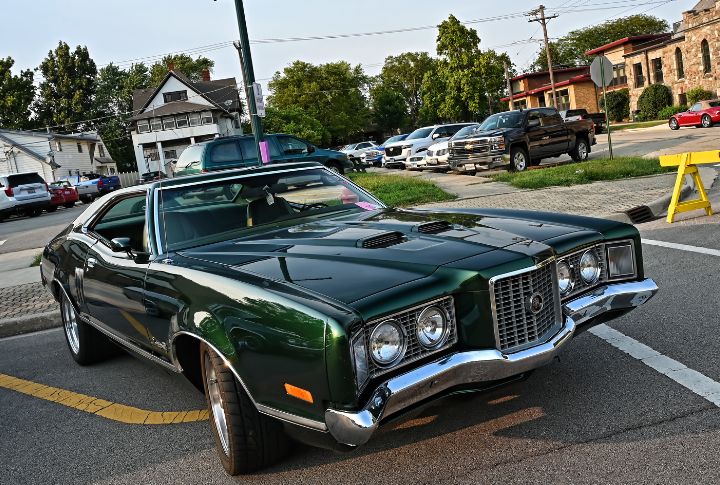
Mercury once bridged the gap between Ford’s everyday models and Lincoln’s luxury line, creating distinctive vehicles. The 1972 Montego GT displays this blend with its bolder design, although it retained the same engine as previous models. For those seeking better performance, the optional Cyclone package elevated the Montego’s capabilities.
1976 Dodge Charger Daytona
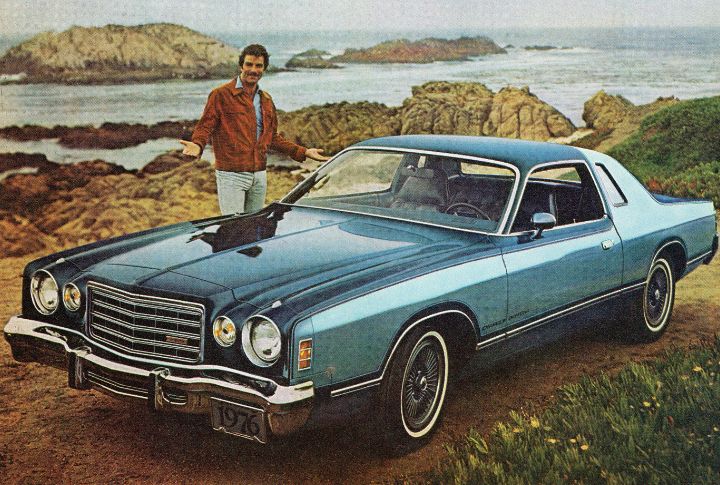
The 1976 Dodge Charger Daytona spurs images of the legendary ’69 model, known for its striking Mopar wing. However, the 1976 version bears little resemblance to its predecessor, lacking the mighty 426 Hemi engine that defined the earlier model. This disconnect leaves enthusiasts longing for the performance of the original.
1966 AMC Rebel
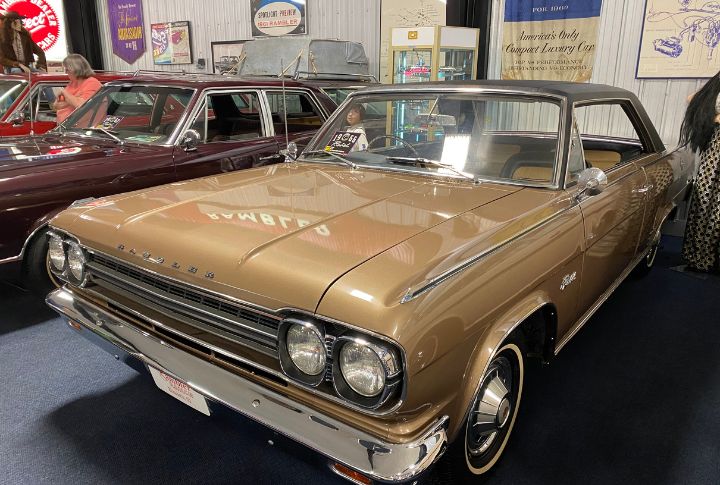
The AMC Rebel Machine made a notable impact in 1970 with its striking design and robust engine. However, in 1966, the Rebel struggled against fierce competition, delivering weaker performance. While the ’66 model is budget-friendly and reliable, it lacks the standout features to make it exceptional among its peers.
1975 Chevrolet Camaro
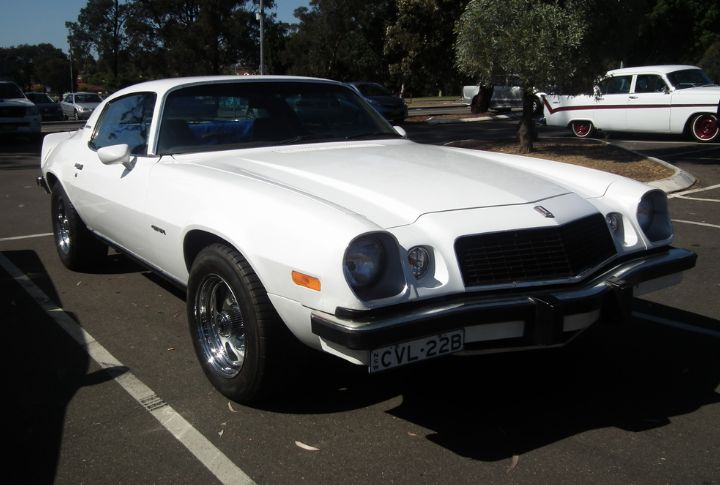
Introduced to rival the Ford Mustang, the Chevrolet Camaro sparked a legendary rivalry that continues today. Each model year sees these muscle car icons competing for dominance in performance, price, and style. However, in 1975, Chevrolet’s decision to discontinue the powerful Z28 trim left the Camaro lacking essential muscle car attributes.
1965-1968 Plymouth Fury III
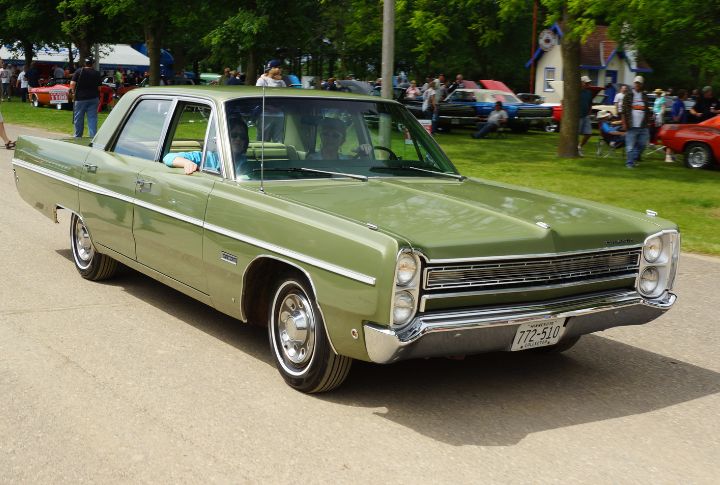
The Plymouth Fury III stands out as a classic muscle car, captivating with its striking appearance. While its aesthetics may entice potential owners, its performance may not meet expectations. With a maximum output of 230 hp from its V8 engine, the Fury III has vintage luxury and spacious interiors but falls short in speed.
2006 Dodge Charger R/T
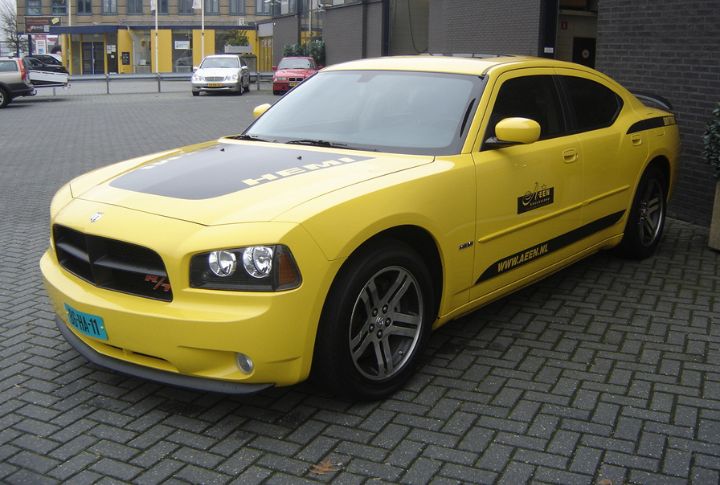
The reintroduction of the Dodge Charger in 2006 excited fans eager for the muscle car’s comeback. Featuring a robust 5.7-liter V8 engine producing 340 hp, the anticipation was justified. However, recalls for issues like airbag ruptures and faulty brake tubes marred the model’s reputation, overshadowing its potential as a used vehicle.
1980 Dodge Aspen R/T
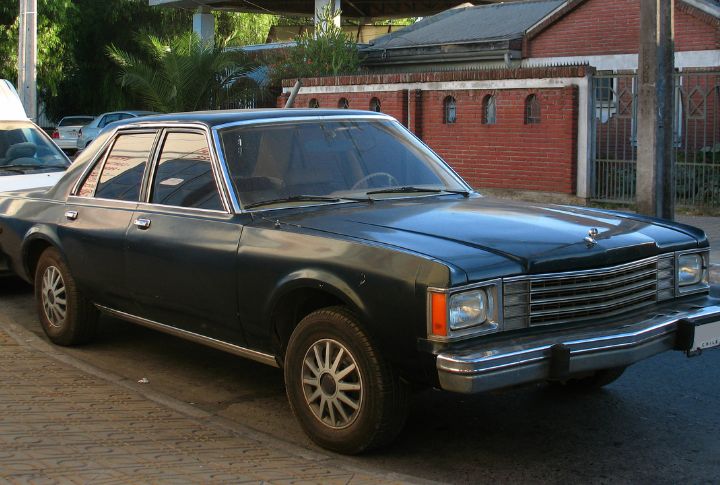
In the late ’70s, Fiat Chrysler Automobiles produced the Dodge Aspen R/T and Plymouth Volare, showing various engine options. Despite its 5.9-liter V8 engine generating 170 hp, the 1980 Dodge Aspen R/T struggled against competitors like the Camaro IROC-Z and Firebird Trans-Am Turbo, highlighting its performance shortcomings in a competitive market.
1970 Chevrolet El Camino SS 454
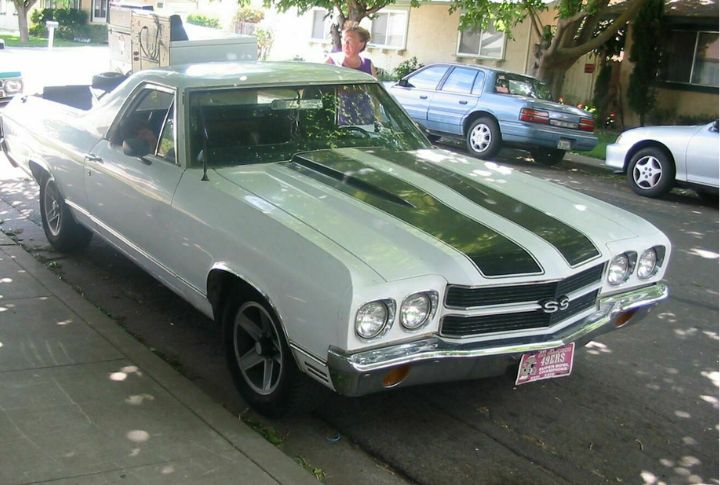
The Chevrolet El Camino SS 454 made waves with its powerful 454ci V8 engine, delivering an impressive 450 hp. Nonetheless, the car’s weight distribution posed challenges, especially at high speeds, leaving it prone to instability. This characteristic could catch inexperienced drivers off guard, emphasizing the need for caution behind the wheel.
1964 Ford Mustang II
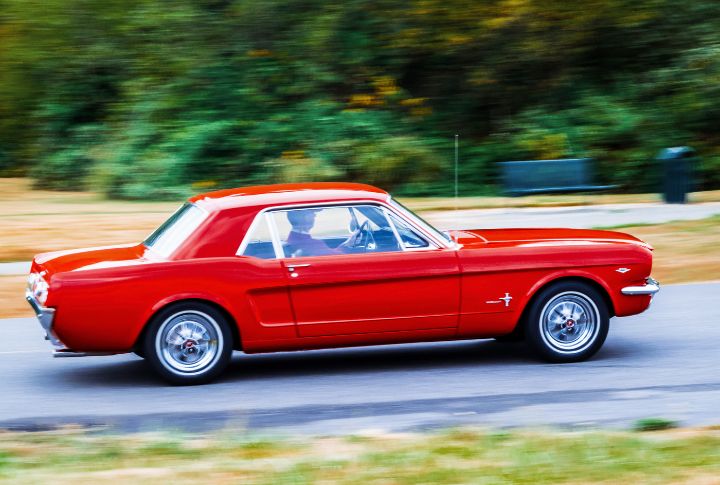
Launched in 1964, the Ford Mustang II aimed to present an affordable compact car with impressive performance. But, the timing coincided with the oil crisis, making the Mustang II’s fuel consumption a tough sell. Coupled with sluggish acceleration and unresponsive handling, this model quickly faded from the spotlight as enthusiasts sought newer options.
1970 Dodge Challenger
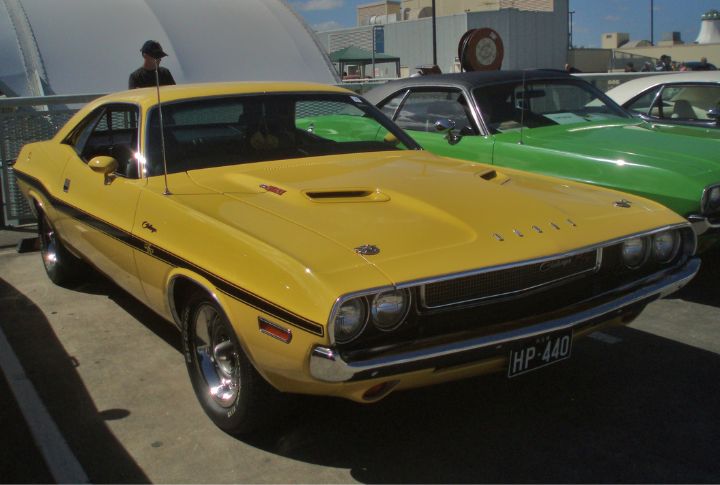
The 1970 Dodge Challenger was expected to deliver exceptional performance but became infamous for transmission issues. Featuring a 383 cubic inch V8 engine, it aimed to rival the Mustang and Camaro. Unfortunately, its automatic transmission suffered from leaks and jerky shifts, leading to a muscle car experience that fell short of expectations.
1976 Plymouth Volaré Road Runner
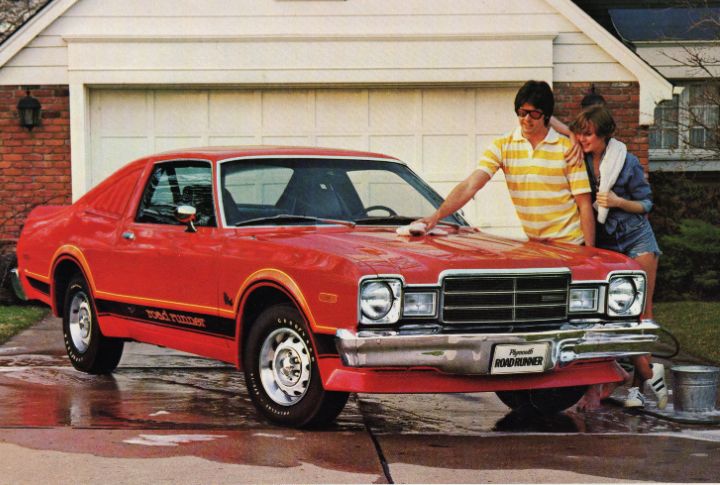
Plymouth’s introduction of the Road Runner badge on the 1976 Volaré aimed to replicate earlier success but ultimately failed. The Road Runner struggled to capture the original’s spirit with its flimsy body and lackluster acceleration. Both versions featured a modest 318ci V8 engine, producing only 150 horsepower, failing to impress.
1970 Dodge Charger
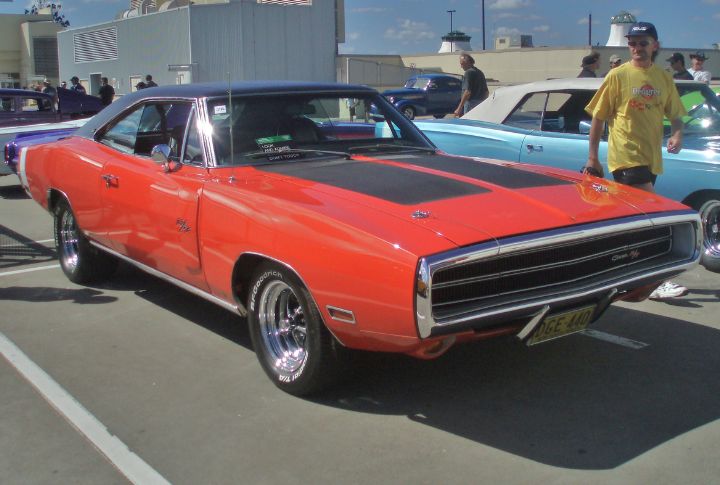
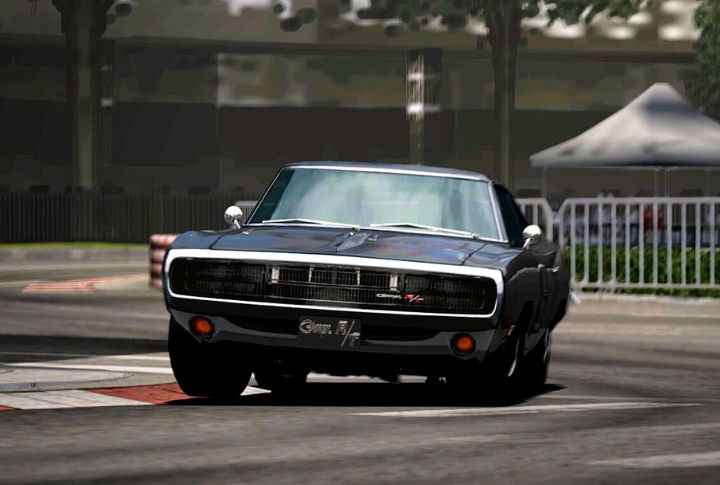
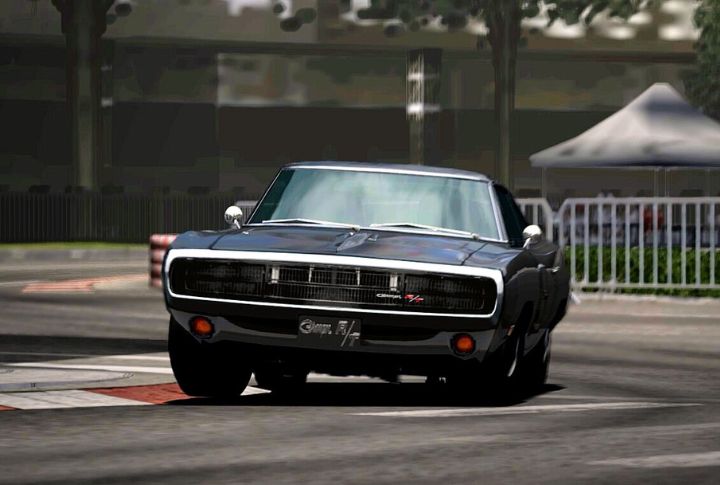
The 1970 Dodge Charger remains a classic icon, celebrated for its muscle power and performance before the oil embargo. It had impressive capabilities, equipped with a robust 440ci V8 engine generating 390 hp. Nevertheless, its substantial weight and design led to body roll, revealing the need for improvements in stability during high-speed maneuvers.
1982 Chevrolet Camaro Iron Duke
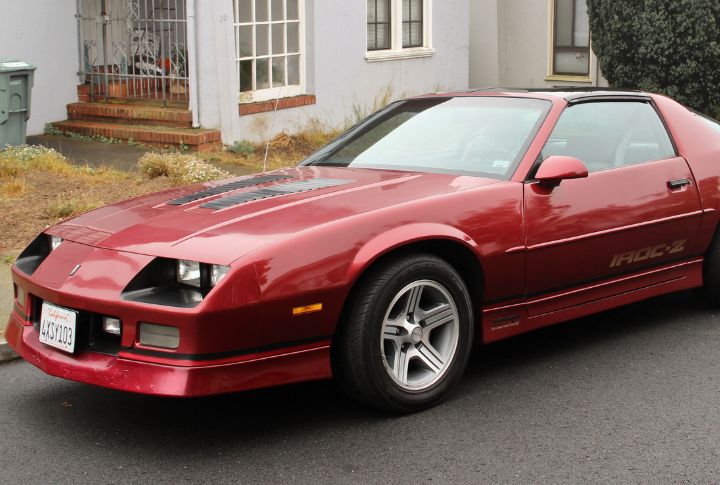
The Iron Duke Camaro has gained notoriety in the muscle car community, often for less favorable reasons. Although the 90-hp Iron Duke engine is recognized for its reliability, the 1982 Camaro is not celebrated for its performance. While it can be counted on for dependability, it lacks the high-performance appeal expected from a muscle car.