20 Muscle Cars That Took Design Experiments Too Far
Some muscle cars hit the street and demand attention—in all the wrong ways. The roar under the hood couldn’t distract from styling choices that looked unfinished, awkward, or flat-out odd. Every enthusiast has seen one and paused mid-step. This article pulls together the most head-scratching designs that made even fans raise an eyebrow.
Pontiac Aztek-Inspired 2004 Pontiac GTO
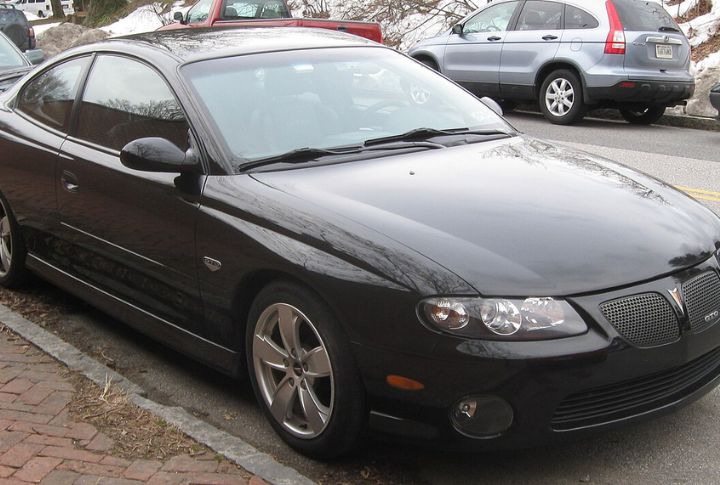
Despite strong performance, the 2004 GTO’s design left muscle fans disappointed. Its bland front end lacked any aggression, while the sedan-like body offered zero visual excitement. Loyalists felt it betrayed the bold legacy of the original, coming across more like a rental car than a reborn legend.
1974 AMC Matador Coupe
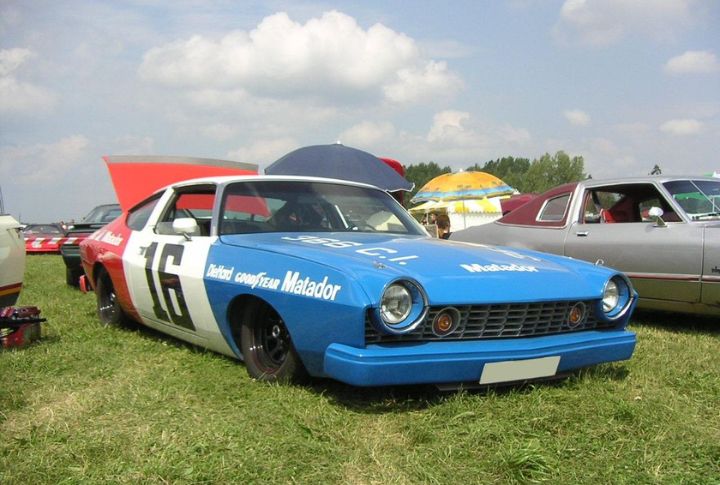
The bug-eyed front and awkwardly sloped rear confused buyers expecting sleek muscle. The car’s chunky profile and bizarre window shapes made it look more like an art experiment than a street-dominating machine. This AMC remains a recurring name on “worst design” lists.
1980 Mustang Cobra
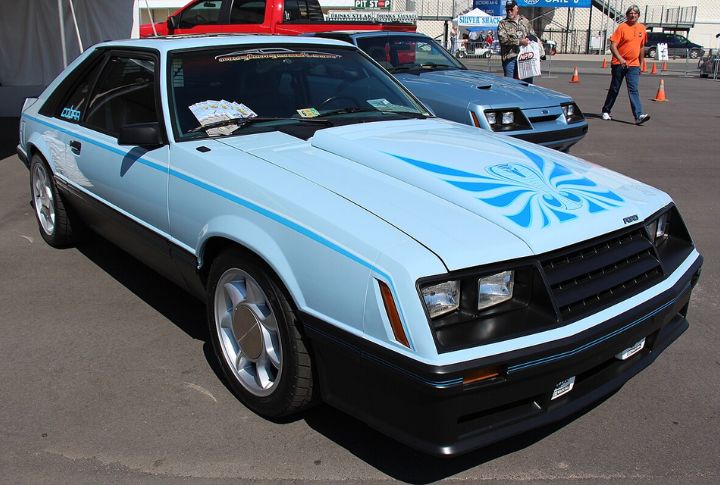
This Ford wore a legendary badge on a body that lacked conviction. With cheap plastic trim and weak engine performance, it resembled an economy car in disguise. Its confused identity mirrored Ford’s struggle during a rough era for American muscle.
1970 AMC Rebel Machine
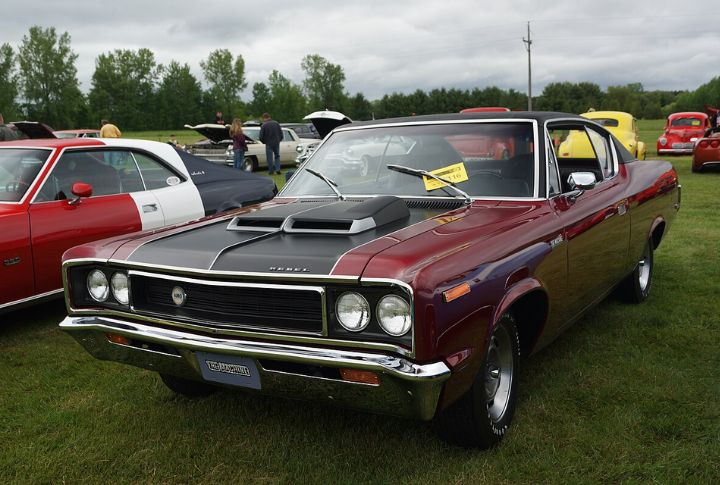
AMC’s Rebel Machine was bold, maybe too bold. The color scheme: garish red, white, and blue felt more like a novelty act than a serious contender. Add in the oversized hood scoop and boxy frame, and it looked like something built for show, not a serious run down the quarter mile.
2003 Ford Mustang Mach 1
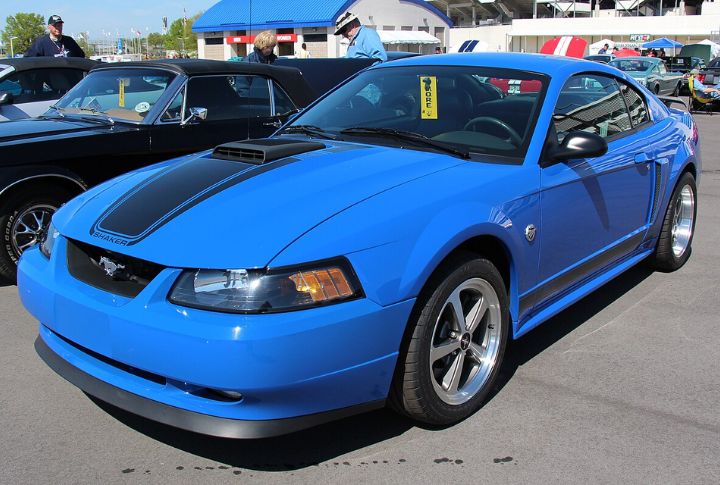
The 2003 Mach 1 attempted to blend modern flair with retro touches, but it landed in no-man’s land. Fake scoops and cluttered badging made the car look busy and unrefined. Additionally, it lacked the clean aggression of earlier Mustangs, opting instead for a confused blend of nostalgia and excess.
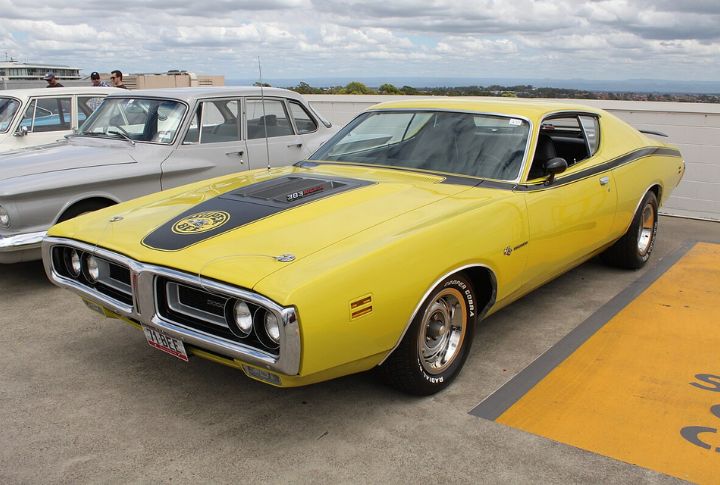
1971 Dodge Charger Super Bee
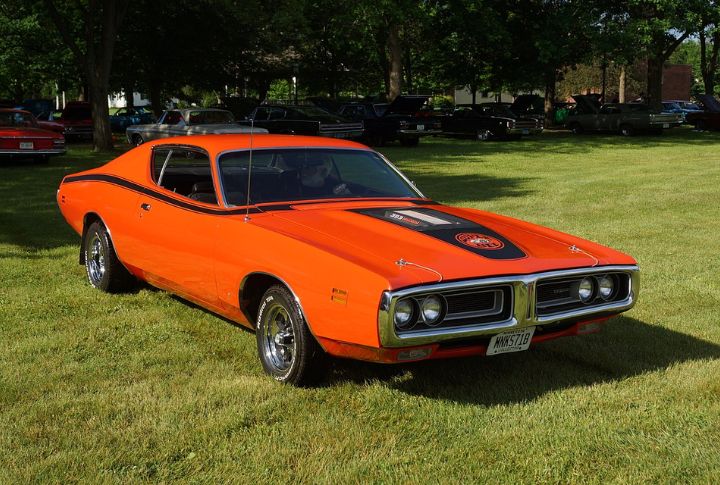
Though dimensionally smaller than before, the redesigned Super Bee felt visually bloated. With the smiling grille and cartoonish face, it looked more amused than aggressive. Rounded fenders clashed with a squared-off rear to disrupt the visual balance. For a name built on menace, this one missed the mark.
1995 Chevrolet Camaro Base Model
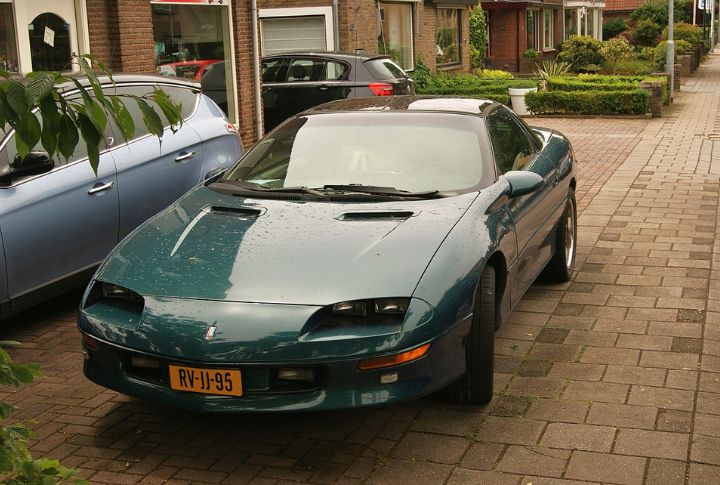
The 1995 Camaro’s blob-like body lacked the sharp lines fans expected from a performance car. Its droopy nose detracted from the profile, while the base trims added no visual punch. It was meant to look sleek and modern, but the design quickly felt dated in form.
1982 Pontiac Firebird
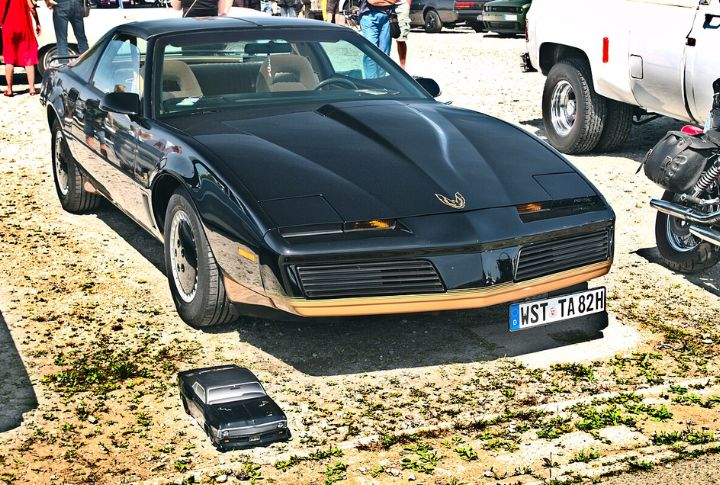
Pontiac’s third-gen Firebird leaned hard into future styling yet forgot to feel real. With plastic body panels that warped over time and a toy-like finish, it lacked the street presence of its predecessors. The visual promise of innovation was there. Still, the execution looked flimsy and gimmicky.
2007 Shelby GT500KR
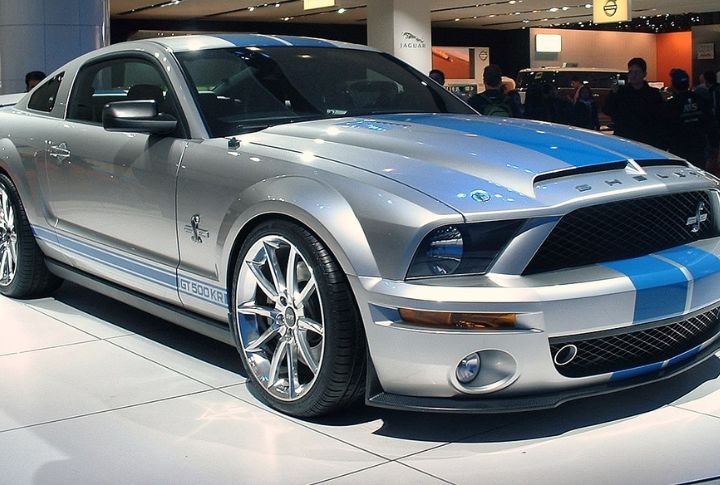
When Ford attempted to revive the retro muscle car with the 2007 GT500KR, it became theatrical. Hood bulges and logos tried too hard to scream performance, while the shape felt bulky and exaggerated. The car looked more like a tribute act than a true Shelby.
1976 Ford Torino
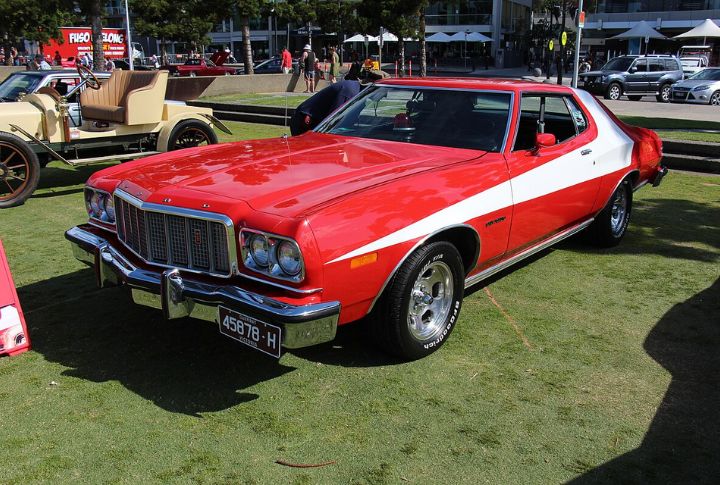
The Torino’s front end looked like it belonged on a work truck: flat and aggressive in all the wrong ways. Designers ditched curves for rigid angles, which resulted in a heavy and awkward stance. Without the taut lines of earlier models, it lacked both speed and style in its silhouette.
1971 Plymouth Satellite Sebring
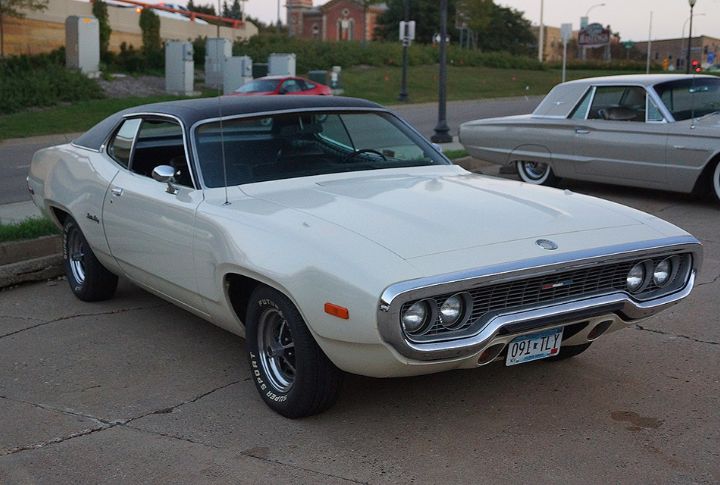
Up front, the grille looked like a set of exaggerated teeth ready to bite. The 1971 Satellite’s bug-eyed headlights and misplaced proportions gave it an unsettling face. Although the body aimed for sleekness, the angles and detailing felt directionless. It landed somewhere between confused and overdone.
1979 Mercury Cougar XR7
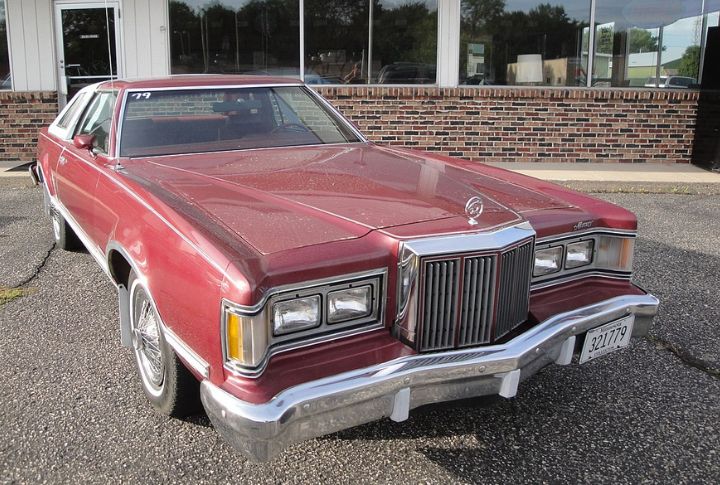
The Cougar XR7 came off as a miscast luxury barge in muscle car clothing. With faux scoops and design cues borrowed from larger Lincolns, it missed its mark entirely. It had a presence, yet not the kind of muscle fans respected.
1987 Buick Grand National GNX Clone
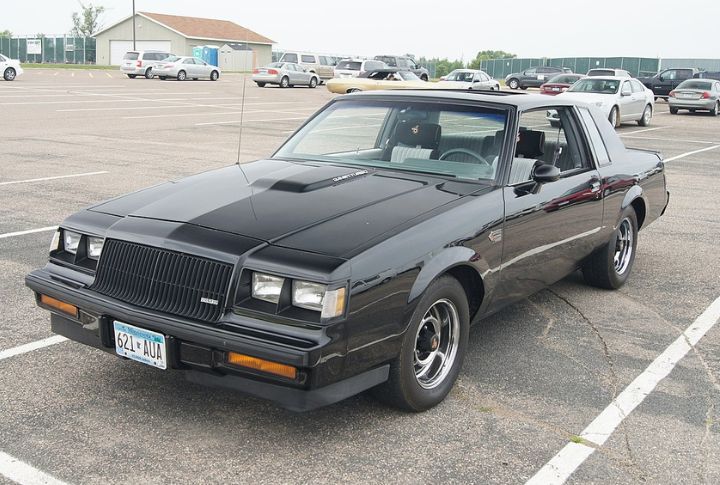
Clones of the legendary GNX often pushed the design to the extreme. Cheap body kits and oversized spoilers overwhelmed the already boxy shape. Flat black paint highlighted every awkward angle. These imitations lacked the clean menace of the original and looked unconvincing.
1999 Pontiac Firebird Trans Am
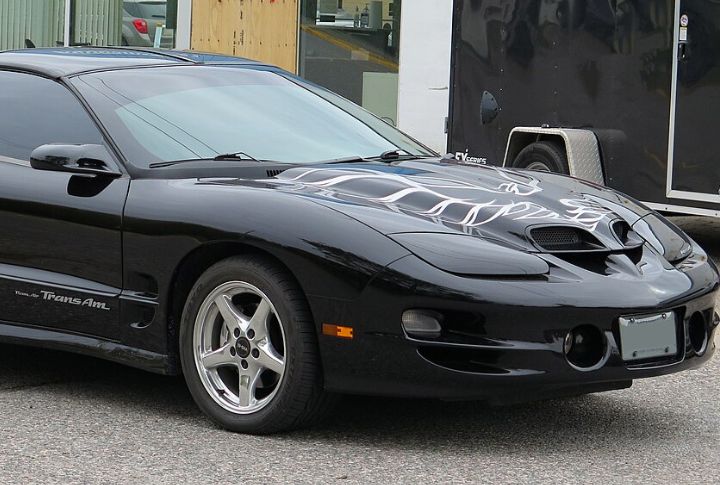
There was nothing subtle about the 1999 Trans Am. The loud front-end vents and swoopy body lines pushed the styling into comic territory. And the rear lights leaned ornamental instead of practical. Performance wasn’t the problem—it was the loud, theatrical design that didn’t know how to serve.
1973 Dodge Charger SE
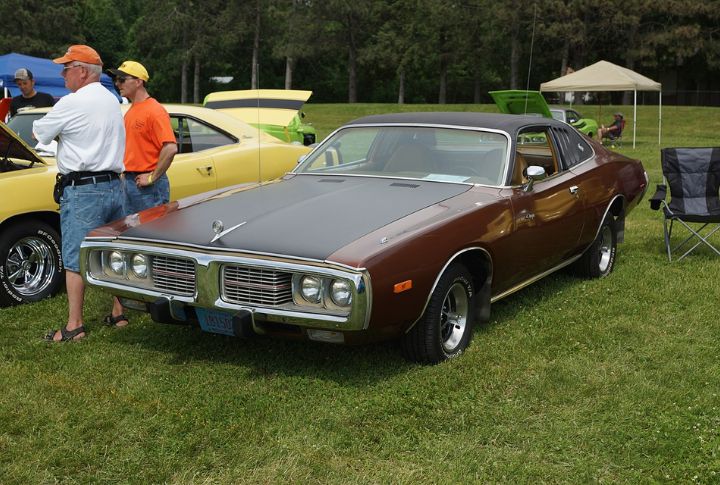
It tried to be upscale, but everything about the design felt off. The split grille seemed more puzzled than posh, and the sagging headlights dulled its presence. The broad stance paired with spindly wheels threw off its balance to leave behind a forgettable muddle.
1971 Plymouth Road Runner
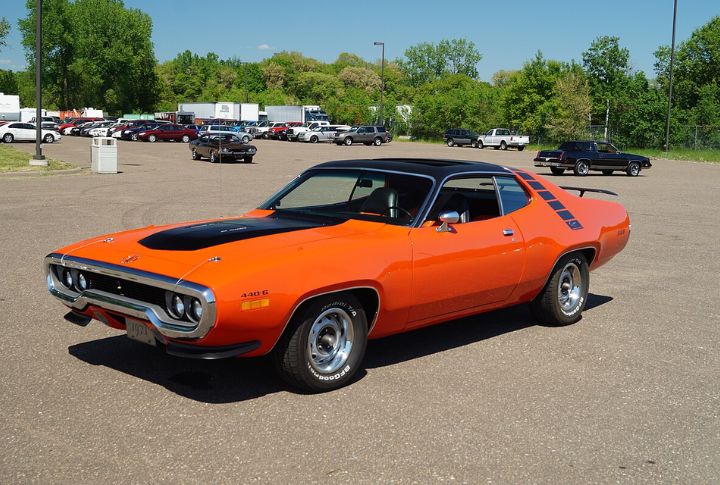
The 1971 Road Runner swapped muscle for mischief—and not in a good way. Cartoon decals and a spoiler that looked more like a prank than power didn’t help its case. The front curves clashed with the boxy rear, giving it an unbalanced look that strayed far from its aggressive roots.
1973 Pontiac GTO
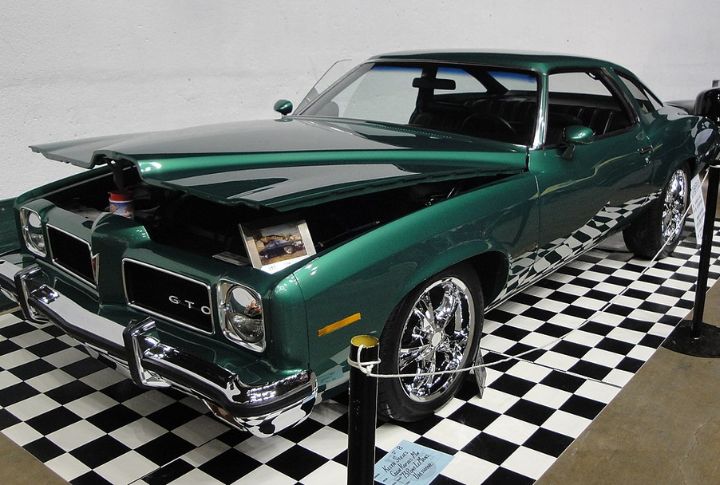
Regulations watered down the 1973 Pontiac GTO, and the design followed suit. Once known for raw muscle and sharp lines, the car arrived heavy and soft. The grille lost its edge, and the overall shape looked sluggish before it ever moved.
1975 AMC Hornet X
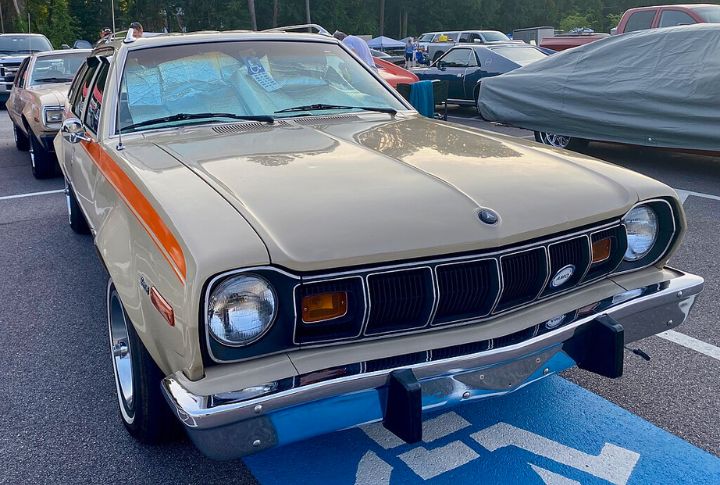
Don’t let the “X” package fool you: the Hornet X was all decals and no bite. A pancake-flat front and cookie-cutter rear made it feel more like a carpooler than a muscle menace. It simply didn’t deliver the visual punch expected from the genre.
1980 Oldsmobile 442
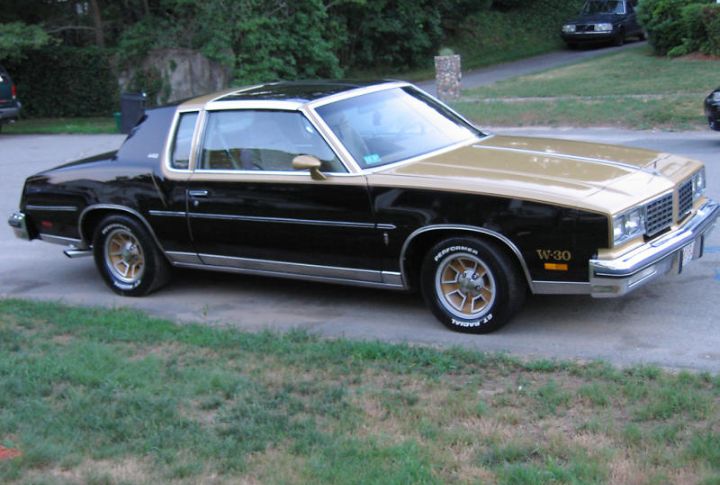
Muscle car DNA ran through the Oldsmobile 442, but you’d never guess from the outside. The styling looked like multiple designers never spoke with boxy lights, rounded panels, and a loud badge slapped onto a forgettable shell. The result is a legend without a clear identity.
1972 Oldsmobile 442 W30
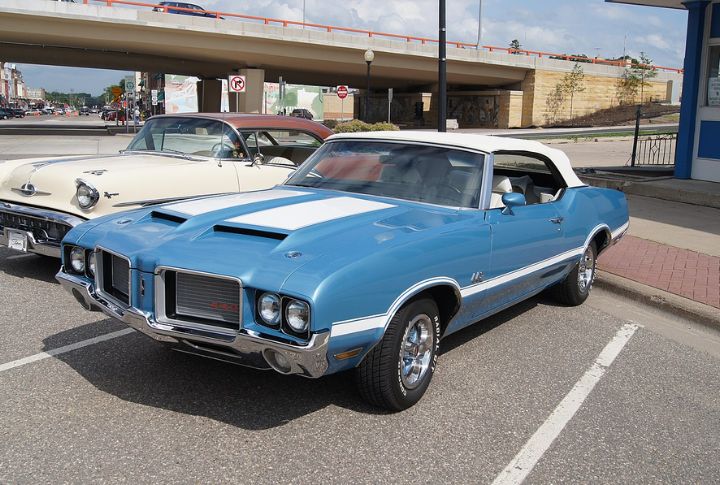
The W30 was once a clean muscle icon, yet by 1972, it was buried in design noise. The nose was a mashup of grilles and split lights, while smoothed curves sapped its edge. Though regulations softened its performance, the styling didn’t need to follow suit.