Motorcyclist Trapped in Wheelchair Calls Ironman Exoskeleton ‘Incredible’
Being trapped in a wheelchair causes obvious physical and medical challenges. But it can also lead to serious emotional and social consequences. Researchers at Dublin City University are attempting to address all of these issues with an Ironman-style powered exoskeleton. One former motorcycle racer says the results have been miraculous, restoring sensations that you wouldn’t think possible.
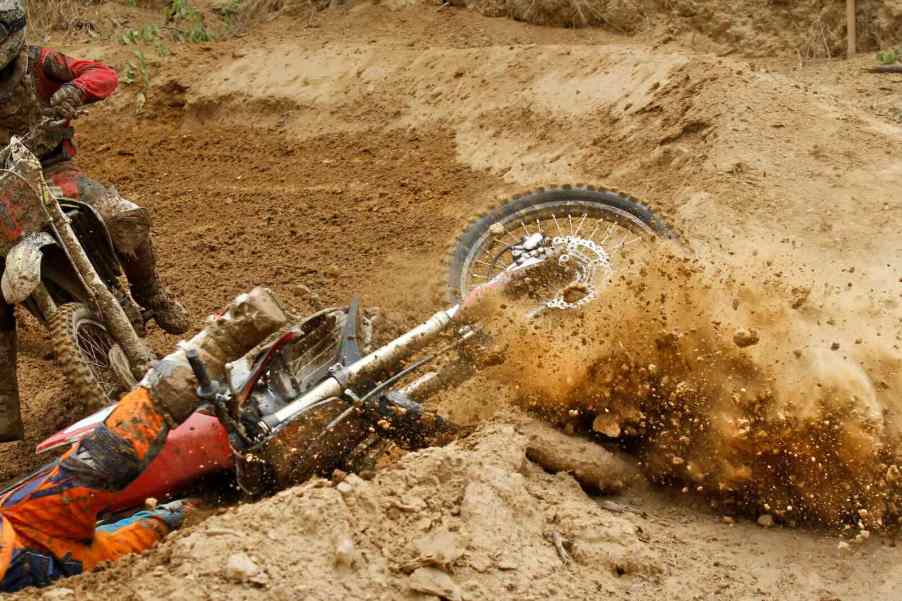
Wayne Garrett was a n accomplished motocross champion. In 2016, a brutal crash at a race ended his career. Later that year, he told BBC Sport he was feeling “a little sensation in one of my legs” and hoped he could train his body to walk again.
“It may happen. It may not. If it doesn’t, well I’m prepared for the Paralympics maybe,” he said at the time.
Three years later, Garrett’s body was not cooperating. He remained in a wheelchair full time. He admitted he had “no sensation” in his legs, struggled with muscle spasms, and relied on medication to deal with them. Then he began learning how to use a very different kind of machine.
Powered exoskeletons helping paralysis victims walk again
In 2019, Garrett saw Dublin City University advertising research trials for an Ironman-style powered exoskeleton designed to help people with paralysis walk.
Why do I say “Ironman-style?” In Marvel films, James “Rhodey” Rhodes — also known as War Machine — suffers a spinal injury in Captain America: Civil War. So Ironman builds him an exoskeleton so he can walk again. What once seemed like science fiction is now being tested in real-world labs.
Unlike the movies, the process is slow. Garrett has completed more than 24 training sessions, each lasting 30 to 40 minutes, just to learn how to use the university’s exoskeleton. The results, however, have surprised even him.
“What’s incredible is that I went from having no sensation in my legs to now having an awareness of movement and even some sensation when I’m using the device,” Garrett said.
He describes walking in the exoskeleton as the closest he has felt to being normal again. The regular sessions have improved circulation, reduced muscle spasms, and lowered his reliance on medication.
Garrett’s athletic background and dedication have made him an ideal test “pilot” to help fine-tune the device. The major obstacle that paralyzed exoskeleton candidates face is cost. Current powered exoskeletons range from about $58,000 to more than $230,000, putting them out of reach for patients without the budget of Tony Stark.
Let’s hope continued development and wider adoption will drive prices down. You can learn more about DCU’s exoskeleton program in the video embedded below: