10 Most Overlooked Car Safety Risks Every Buyer And Driver Must Know
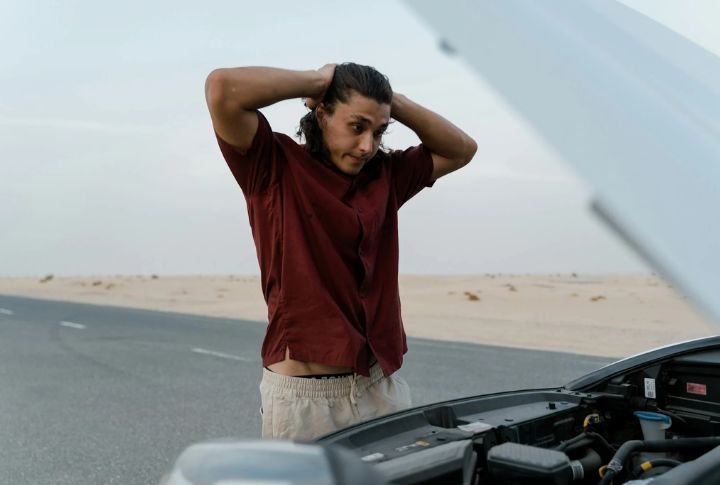
You might trust your car’s reputation, its dashboard tech, or even that five-star safety rating—but that trust could be misplaced. Beneath many famous models and modern features, hidden flaws remain. These ten overlooked facts and safety risks reveal how unethical marketing and consumer trust can put drivers and passengers in real danger.
Safety Issues In Famous Models
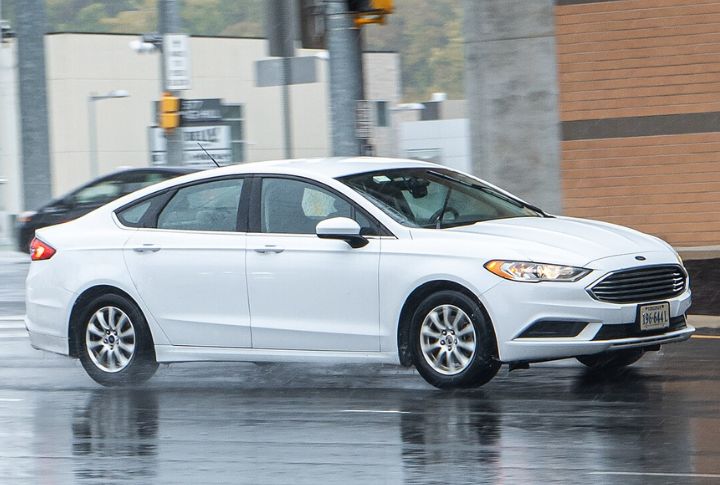
Put your trust in a name you’ve heard your whole life, and you might just overlook the flaws hiding in plain sight. The Ford Fusion and Nissan Altima seem comforting at first glance, yet they’ve had a history of structural shortcuts in body framing and impact crumple distribution. What looks familiar isn’t always reliable, especially when the pressure hits hard.
Advanced Features That Fall Short
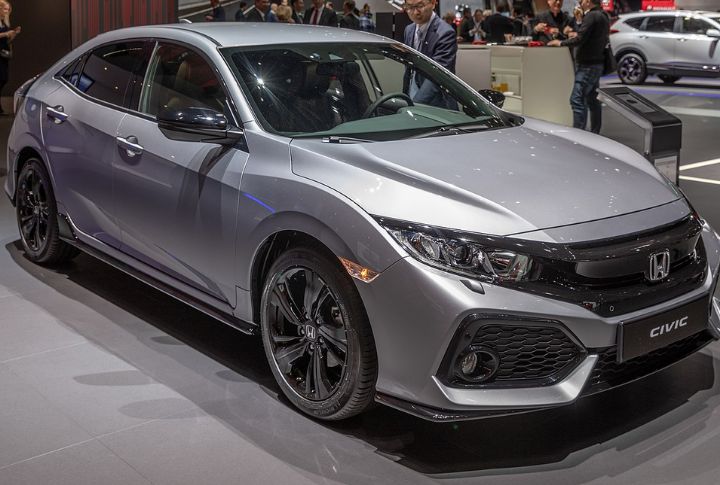
Modern dashboards now mimic aircraft cockpits through complex warning systems. For example, Honda Civic models arrive with impressive driver-assist technologies that regularly misinterpret unusual road markings or weather conditions. These sophisticated innovations create a false sense of safety while drivers remain surprisingly vulnerable on challenging roads.
Hidden Risks In Compact Cars
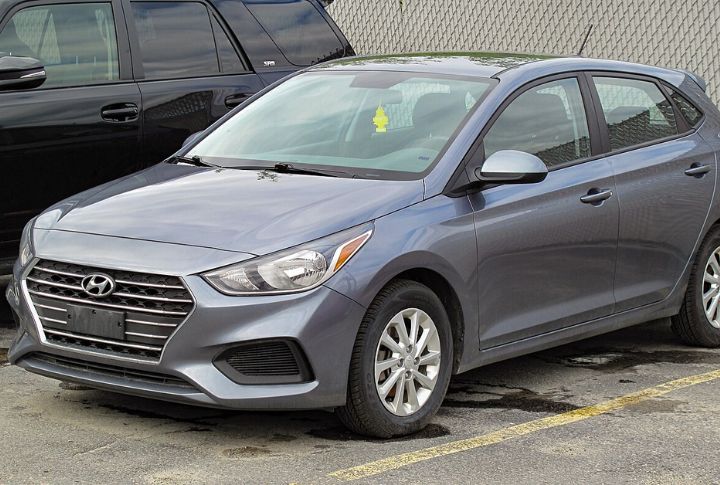
Compact vehicles like the Hyundai Accent offer appealing urban agility when navigating crowded streets. However, beneath an attractive profile lies a concerning compromise. Its lightweight construction maximizes fuel efficiency but undermines structural integrity during collisions. Size becomes a significant disadvantage in this model when sharing highways with larger vehicles.
Unsafe Nature Of Rear Seats
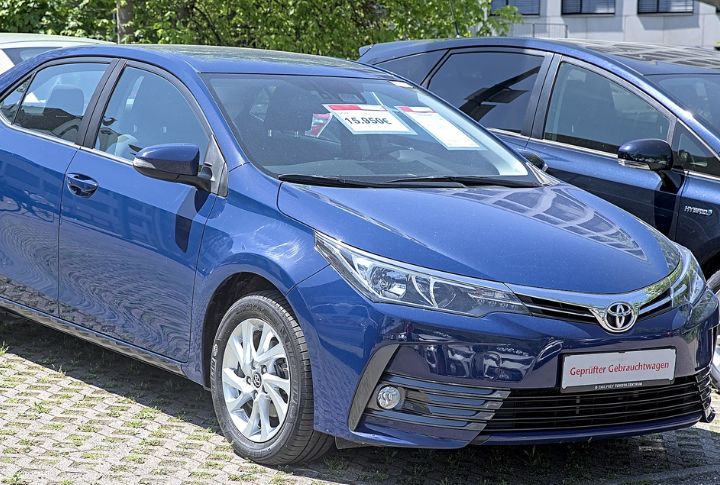
Automakers should prioritize safety equally throughout the entire cabin. Sadly, back seat safety often takes a back seat. Many sedans like the Toyota Corolla equip rear zones with minimal cushioning, fewer sensors, and less responsive seatbelts compared to front seats. This protection disparity creates unexpected vulnerability for rear passengers during collisions.
Outdated Safety Standards In Old Models
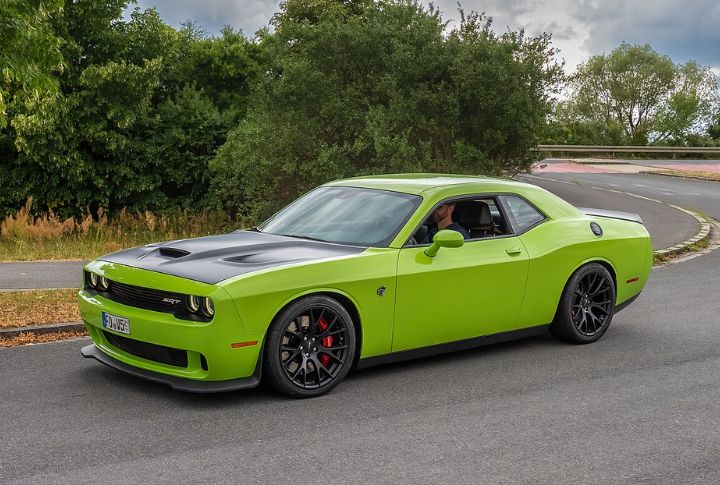
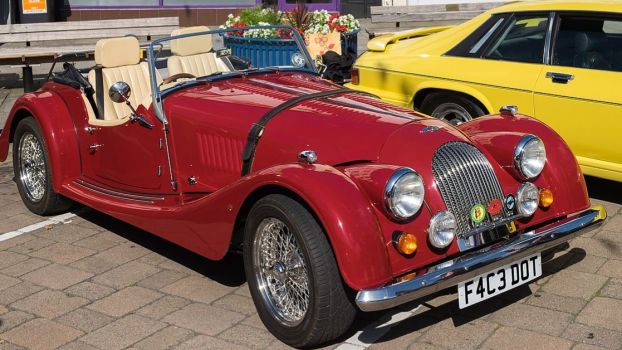
Rumbling with modern power, many vintage models have engineering details that have remained unchanged for over a decade. While drivers experience exhilarating acceleration and aggressive styling, structural protection remains frozen in time. Modern competitors have dramatically advanced their safety technologies, while muscle cars like the Dodge Challenger maintain outdated designs.
Poor Vehicle Design That Impacts Crash Outcomes
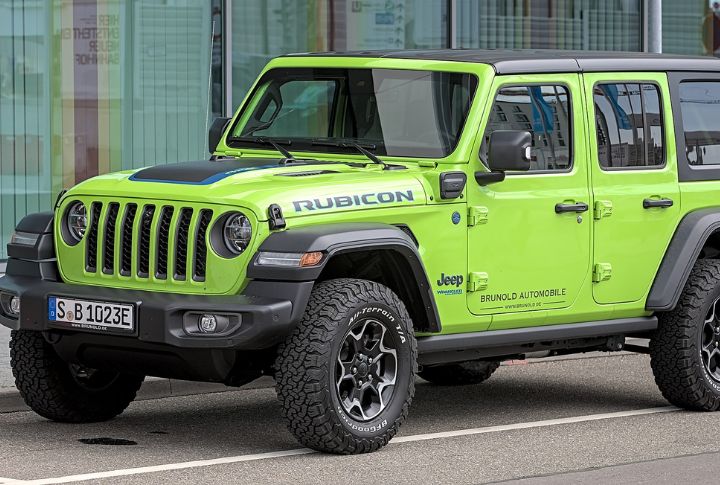
Vehicle shapes significantly influence crash dynamics beyond what most buyers consider during purchase. For example, the Jeep Wrangler’s distinctive tall profile and flat sides create undeniable trail-conquering capability but introduce serious stability concerns during emergency maneuvers. High centers of gravity turn minor accidents into potential rollovers.
Not Paying Attention To Recalls
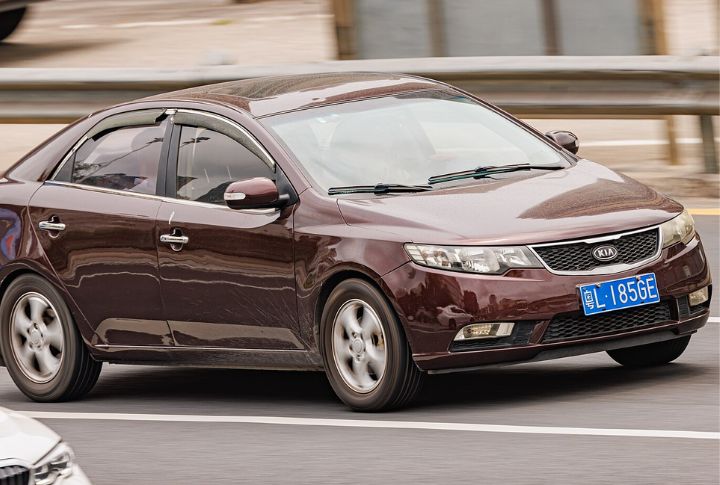
In 2022, Kia recalled certain 2021–2022 Forte models due to a steering column defect. It could lead to a loss of steering control. In 2023, another recall addressed improperly welded front lower control arms that could detach, increasing crash risk. Despite the seriousness of these issues, some owners overlook recall notices, potentially putting themselves and others at risk.
The False Security Of Brand Reputation
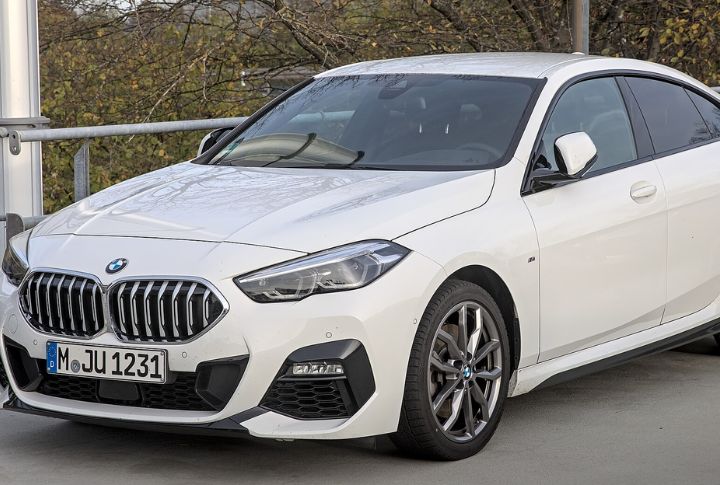
Premium pricing rarely guarantees proportional safety improvements, while luxury badges can mislead consumers into dangerous overconfidence about their vehicle’s protective capabilities. Think about the prestigious BMW emblem adorning the 2 Series Gran Coupe. It might hint at superior protection. However, crash testing doesn’t always confirm its reliability.
The Role Of Vehicle Size In Pedestrian Safety
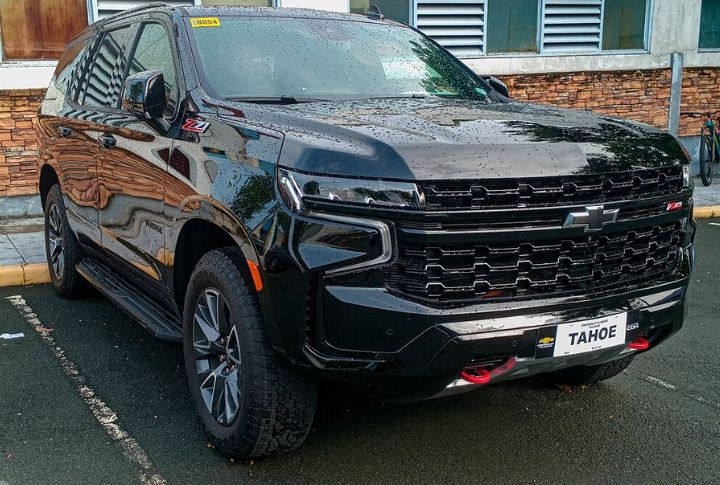
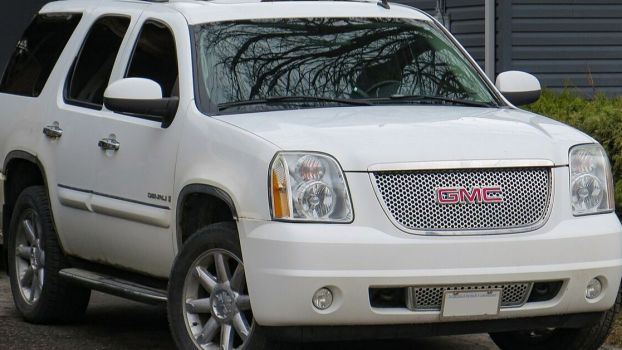
Towering SUVs like the Chevrolet Tahoe strike pedestrians at chest or head height rather than legs. They dramatically increase the severity of the accidents and the consequences that follow. Yet, there’s a growing popularity of such massive vehicles. The industry fails to protect pedestrians, which is clear from the demand and supply of vehicles with careless size and design.
Inadequate Headlight Performance
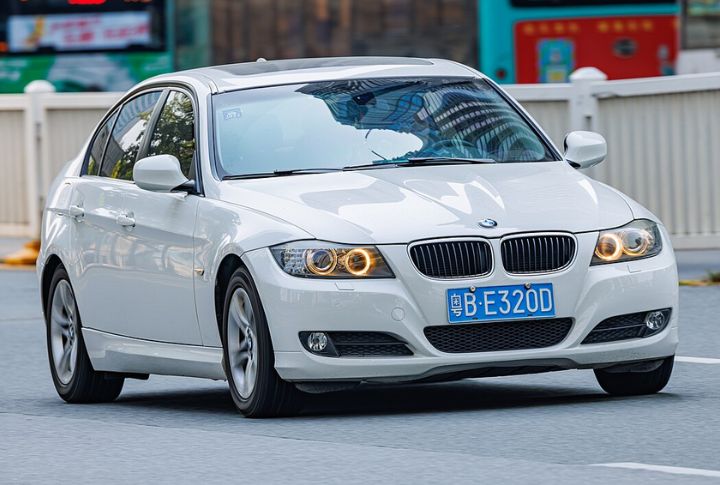
Take the BMW 3 Series, for instance. Its standard halogen headlights received a “Poor” rating from the Insurance Institute for Highway Safety (IIHS). Tests revealed that these headlights provided inadequate illumination on curves and produced excessive glare on straightaways. Such deficiencies can compromise nighttime driving safety, which is not safe for anyone on the road.