Most Horsepower-Dense Japanese Cars You Should Know About
Surprising levels of performance often emerge from the most compact engines. Japanese automakers have mastered this balancing act, producing some of the world’s most efficient high-horsepower machines. If you’re ready to rethink power, each slide in this article discloses one standout model ranked by its horsepower per liter.
Toyota GR Yaris
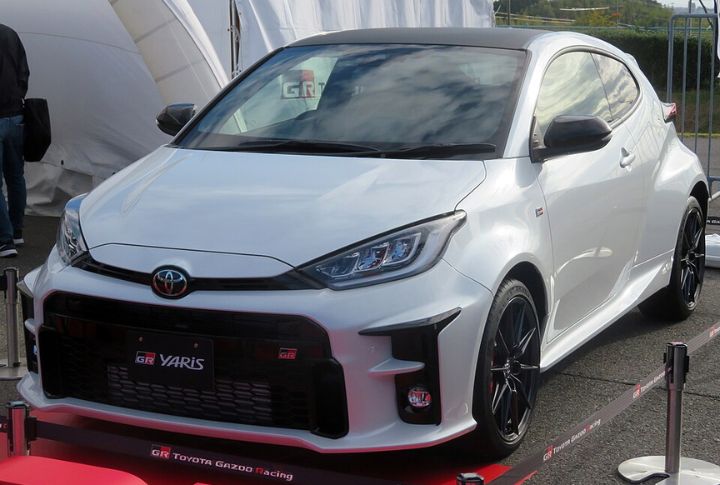
Only 1.6 liters, yet it unleashes 257 horsepower—translating to 160 hp per liter. The GR Yaris feels like a rally car reborn, born from Toyota’s WRC ambitions. Packed with torque and attitude, the three-cylinder motor proves that size isn’t destiny when matched with engineering ingenuity and an unforgiving turbo.
Nissan GT-R Nismo
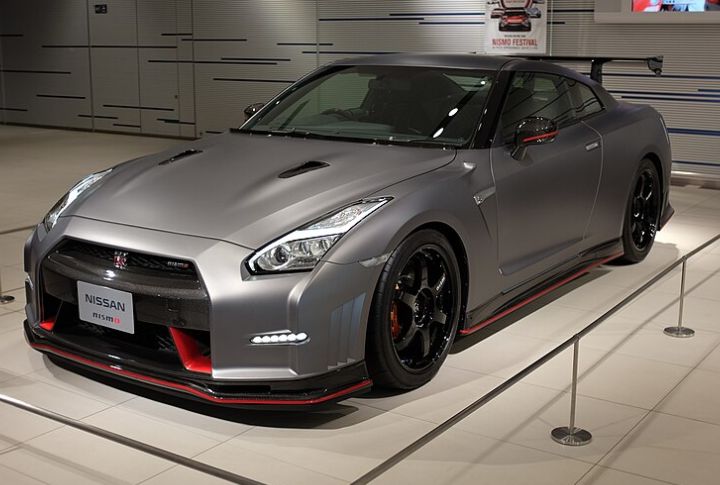
Few production cars squeeze 600 horsepower from 3.8 liters like the GT-R Nismo. That’s 158 hp per liter—tuned for surgical precision on track and brute strength on launch. This twin-turbocharged beast lifts all-wheel drive to a new tier, marrying tech and turbo power with terrifying acceleration under any conditions.
Acura Integra Type S
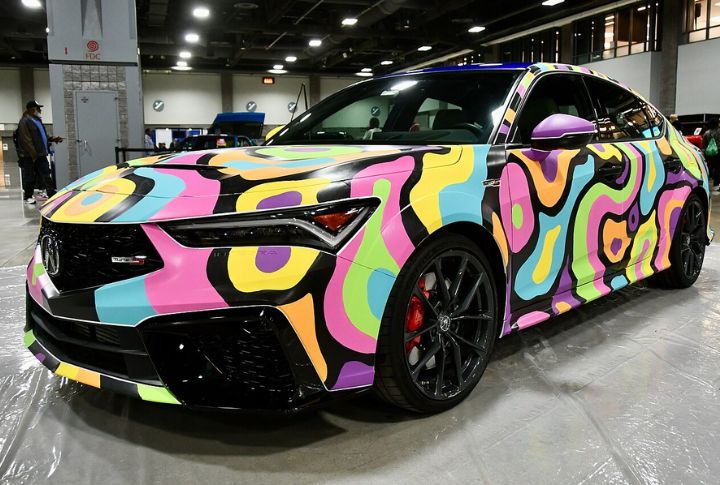
Why does a 2.0-liter engine produce 320 horsepower? The secret lies in high-boost pressure and meticulous engineering. With 160 hp per liter, the Type S balances raw numbers with surprising street manners. A six-speed manual sharpens the connection, which amplifies the thrill from every shift and throttle blip.
Honda Civic Type R
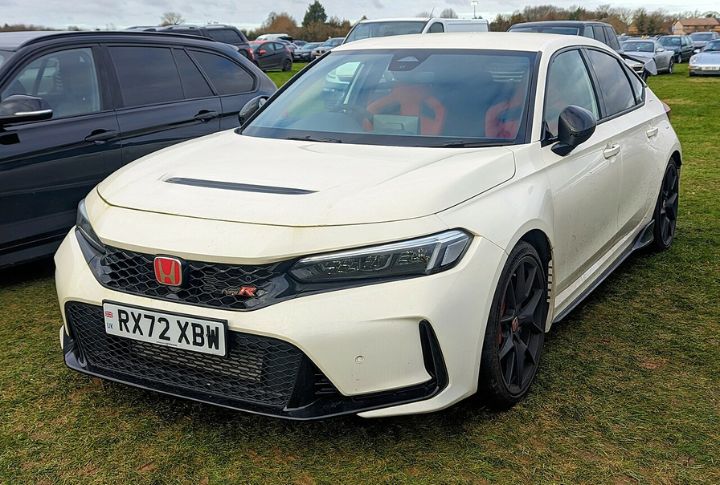
The 2.0-liter engine in the Honda Civic Type R produces an impressive 306 horsepower. Honda’s K20C1 turbocharged setup delivers 153 hp per liter without compromising everyday drivability. Built for both commutes and track days, the Type R responds with sharp feedback and turbocharged force.
Toyota GR Supra
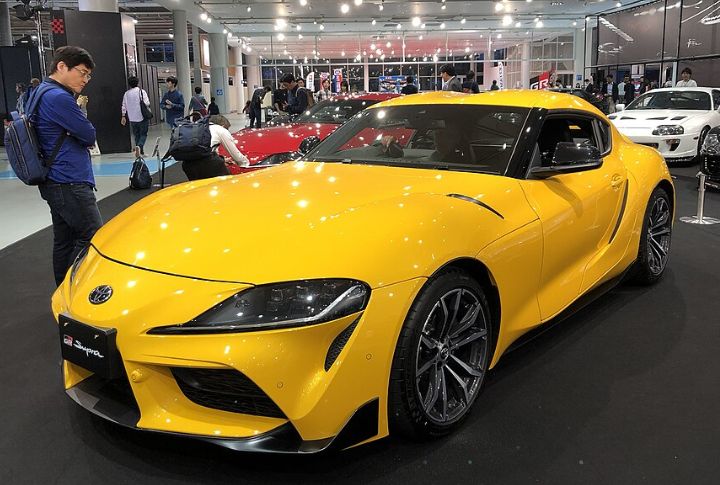
You might not expect 382 horsepower from a 3.0-liter engine, but the GR Supra delivers exactly that—around 127 hp per liter. Built for balance and poise, it pairs straight-line muscle with fluid cornering. BMW’s engineering under Toyota’s badge brings a new-school twist to an old-school icon.
Honda S2000
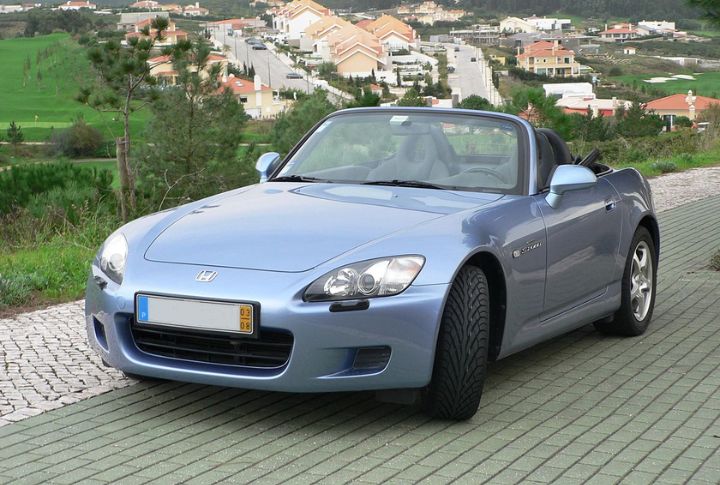
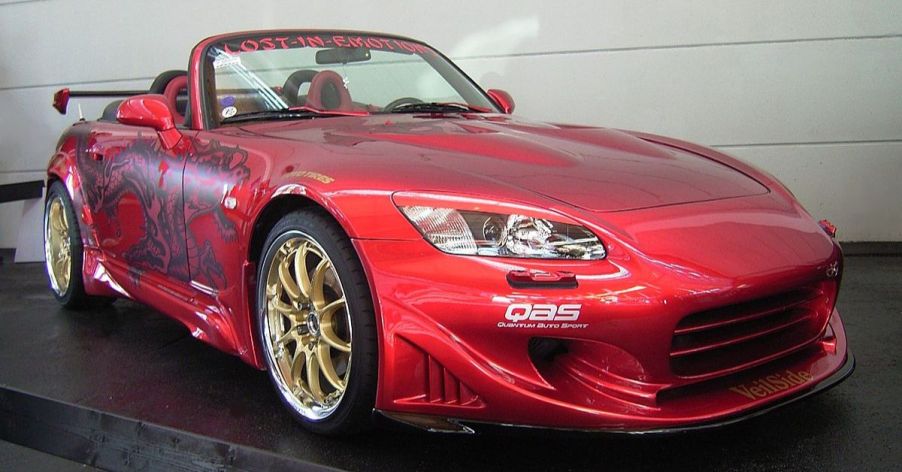
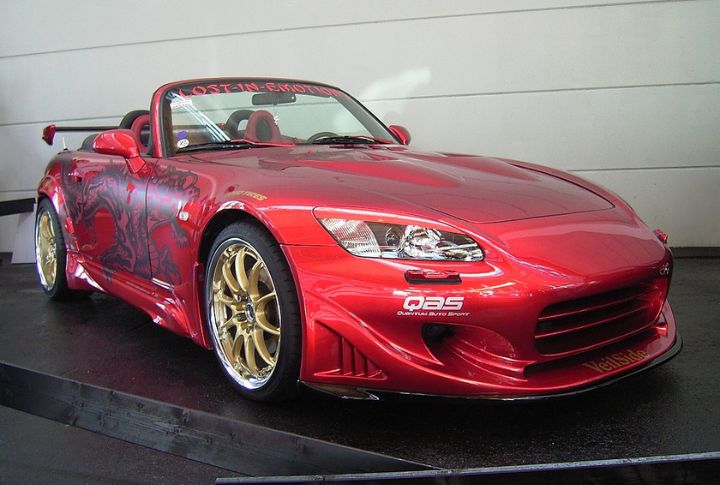
It’s hard to forget the S2000’s F20C engine: 240 naturally aspirated horsepower squeezed from just 2.0 liters—equaling 123.5 hp per liter. Revving to 9,000 rpm, it sings like a race motor on public roads. Engineering finesse meets old-school simplicity in this roadster that demands commitment—and rewards it.
Lexus LFA
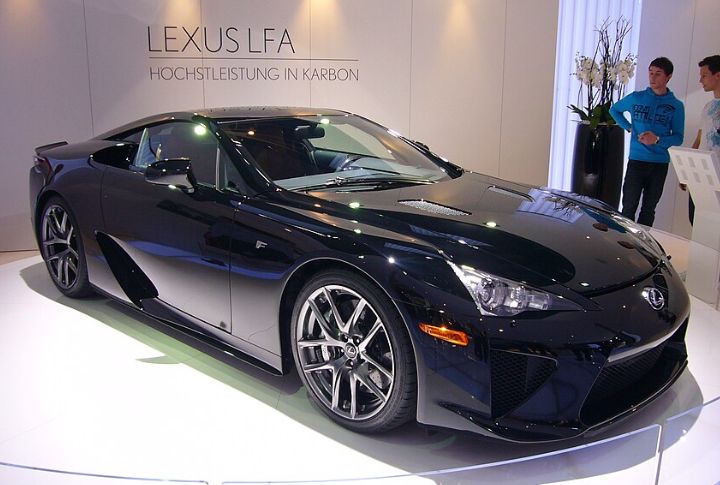
With 552 horsepower from its 4.8-liter V10, the Lexus LFA clocks in at 115 hp per liter. The numbers don’t tell the whole story, though—the sound alone became legend. Co-developed with Yamaha, the engine created an unforgettable soundtrack, one that still echoes in automotive memory over a decade later.
Subaru WRX
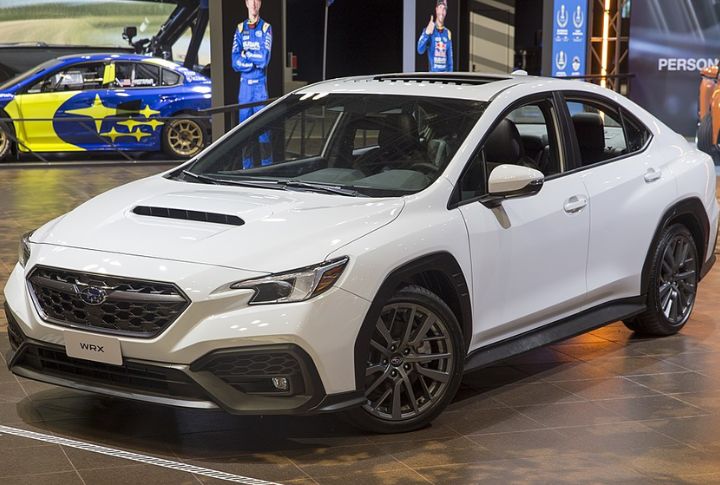
Outfitted with a 2.4-liter turbocharged boxer engine pushing out 271 horsepower, the WRX clocks in at roughly 113 hp per liter. Don’t let its family car profile fool you. This sedan’s rally roots are never far beneath the surface. Every boost surge feels like a nod to Subaru’s dirt-slinging heritage.
Mitsubishi Lancer Evolution IX
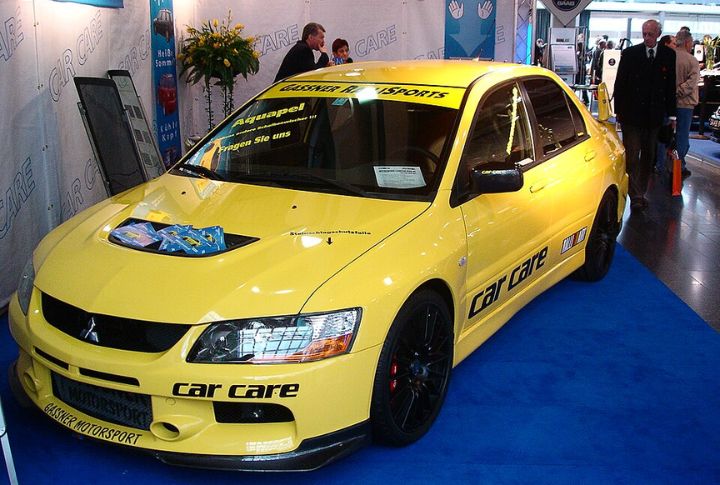
Engineers tuned the Evolution IX’s 2.0-liter turbocharged inline-four to 286 horsepower, delivering around 143 horsepower per liter. Beyond the numbers, the Evo IX earned a cult following for its razor-sharp AWD grip and aggressive tuning potential. Few sedans of its era matched its track-day readiness right off the showroom floor.
Toyota 86
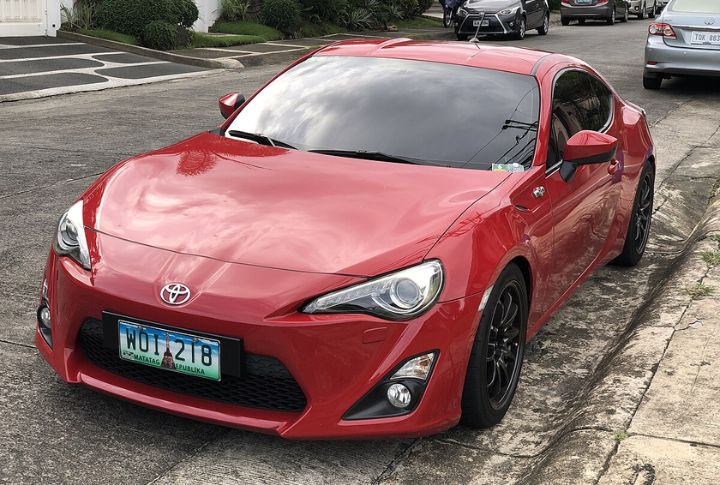
Generating 228 horsepower from a 2.4-liter naturally aspirated boxer engine, the Toyota 86 lands at 95 hp per liter. That might seem modest until you factor in its low weight and sharp chassis balance. It thrives on momentum and finesse, making backroads and apexes more engaging than brute force ever could.