15 Most Beautiful Sports Cars Of All Time
Sports cars transcend mere transportation; they embody engineering mastery, aesthetic beauty, and raw performance. Every vehicle featured here has made an enduring impact in the world of automobiles, drawing enthusiasts in with the unmistakable thrill they evoke. Join us as we celebrate the 15 most beautiful sports cars ever made.
Jaguar E-Type (1961)
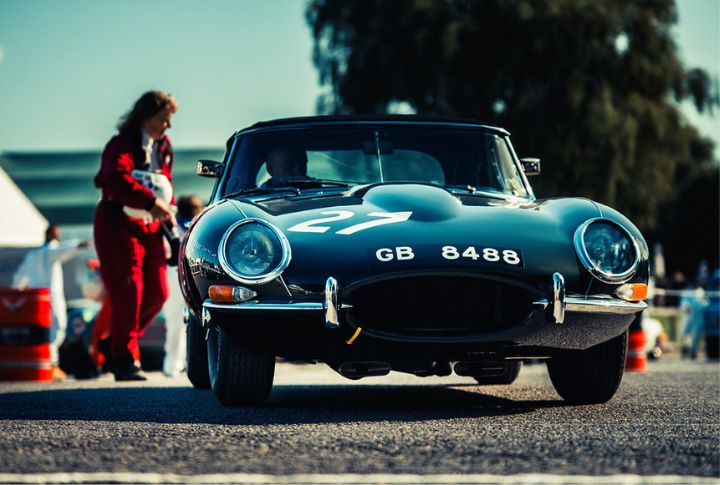
At the time, the 3.8-litre engine with 265bhp enabled speeds up to 150mph, securing its status as one of the world’s quickest production cars. The E-Type integrated body design, along with its independent suspension at both ends featuring inboard-mounted disc brakes and precise rack-and-pinion steering, set it apart and catalyzed widespread advancements across the industry. With its long, sculpted hood and curvaceous fenders, the Jaguar E-Type remains an enduring symbol of 1960s automotive design that captivated icons like Steve McQueen and Enzo Ferrari.
Source: E-Type UK
Ferrari 250 GTO (1962)
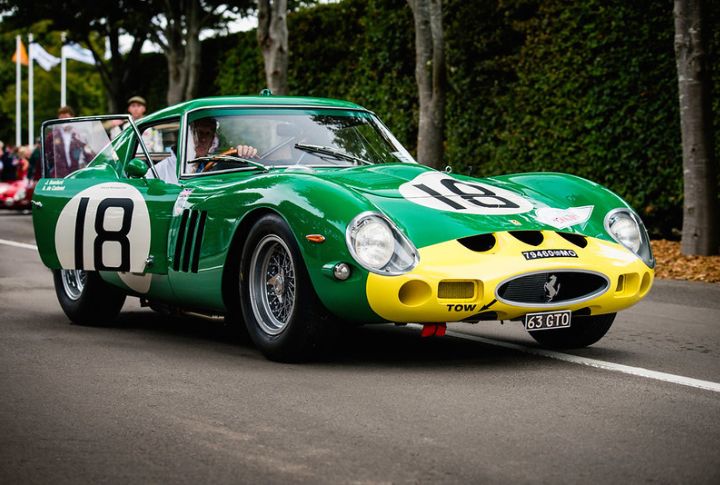
The 250 GTO immediately made its mark with a strong performance, securing second place in its debut race at the 1962 12 Hours of Sebring. Its success was expected, given that the Prancing Horse’s V12 engine delivered 300 hp, enabled speeds up to 174 mph, and achieved a remarkable 0 to 60 time of under three seconds. Celebrated for its aerodynamic shape and racing pedigree, the Ferrari 250 GTO shows the brilliance of an Italian Artisan skill. And one of the most coveted collector’s items in automotive history.
Source: Roarington
Porsche 911 (1964)

Characterized by its iconic round headlights, the Porsche 911’s distinctive silhouette has evolved over generations. The Porsche 911 has a powerful 1991 cc six-cylinder engine producing 128 horsepower, coupled with a responsive 5-speed manual transmission. Known as one of the fastest production cars globally, its distinctive rear-engine design enhances traction efficiency, ensuring minimal torque wastage. With unparalleled throttle precision, the 911 delivers a seemingly boundless surge of acceleration, setting it apart from its peers.
Source: Elferspot
Lamborghini Miura (1966)
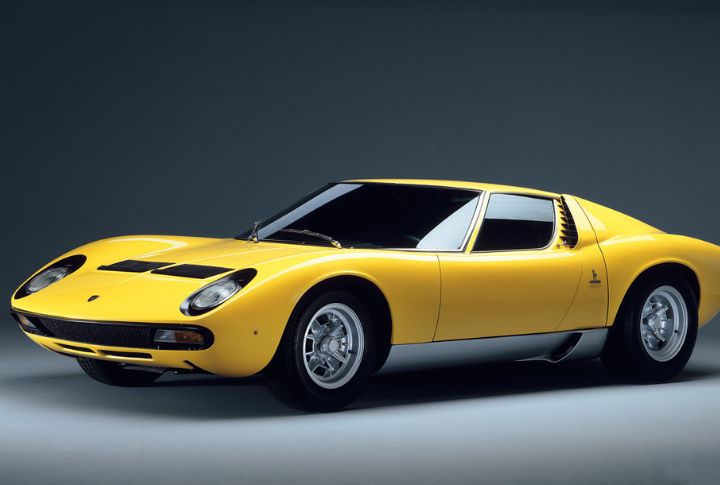
The Lamborghini Miura pioneered the mid-engine, two-seater sports car concept, setting a new standard for performance and style with its low-slung profile and aggressive yet elegant lines. Miura introduced groundbreaking standards in the realm of sports cars as the inaugural automobile featuring a rear mid-engined two-seat configuration, reaching a maximum speed of 280 km/h and accelerating from a standstill to 100 km/h, taking only 6.7 seconds.
Source: Antoine Dufilho
Chevrolet Corvette Stingray (1963)
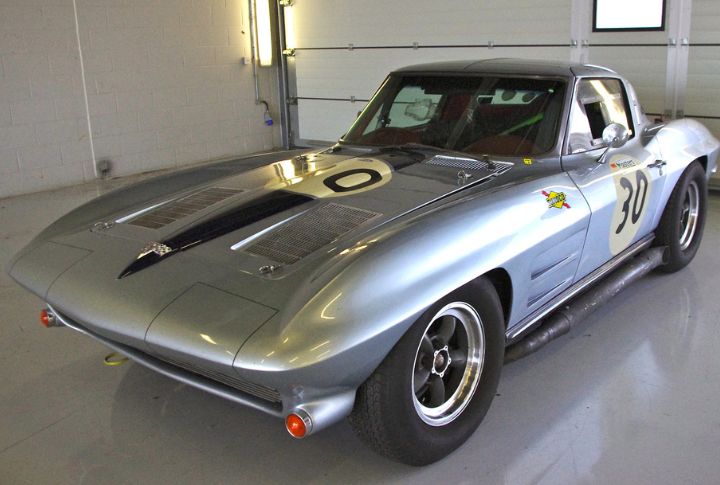
Respected for its departure from previous models, the 1963 Chevrolet Corvette Stingray introduced a split rear window design and sleek body lines that cemented its place in automotive history. In 1963, the Corvette StingRay introduced a fresh design that significantly enhanced its handling capabilities. Despite maintaining the same horsepower, the StingRay became slightly lighter, resulting in improved acceleration.
Source: Top Speed
Ford GT40 (1964)
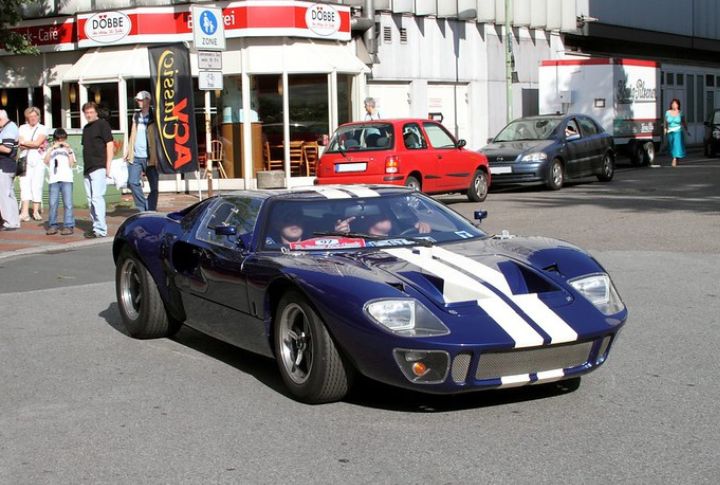
Arising from a determination to outperform Ferrari in the prestigious Le Mans race, the Ford GT40’s aerodynamic body and brute power made it an instant legend, clinching four consecutive victories at the iconic endurance race. It is equipped with a robust 3.5-liter twin-turbocharged V6 engine generating 647 horsepower and 550 lb-ft of torque. The GT40 harnesses its remarkable power to reach a maximum speed of 205 mph and sprint from a standstill to 60 mph, which occurs in a mere 3.3 seconds.
Source: Car and Driver
Aston Martin DB5 (1963)
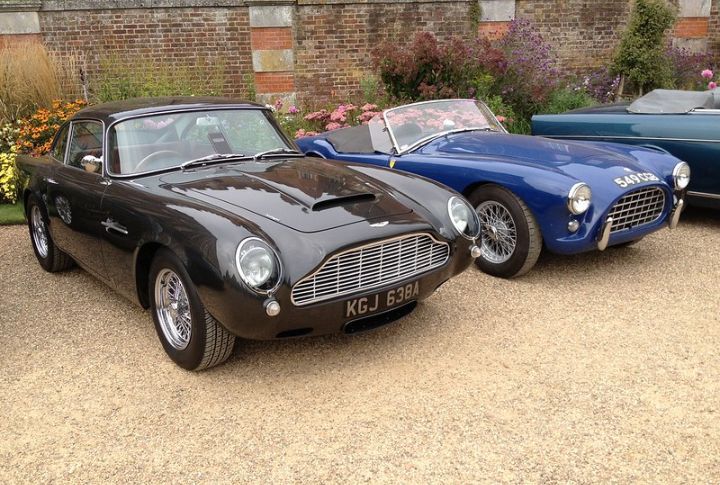
Forever linked with James Bond, the Aston Martin DB5 combines British elegance with performance prowess. The sleek design of the car, crafted by the popular Italian coachbuilder Carrozzeria Touring Superleggera, complements its capability of reaching speeds over 150 mph. This car came equipped with a range of features such as reclining seats, wool pile carpets, electric windows, dual fuel tanks, chrome wire wheels, an oil cooler, and a magnesium-alloy body constructed using the patented Superleggera technique.
Source: Classicmobilia
Dodge Challenger (1970)
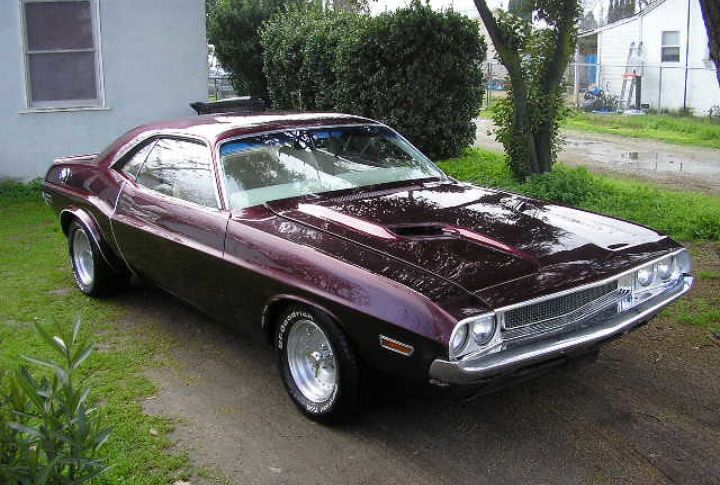
The 1970 Dodge Challenger roared onto the scene with bold styling and fierce power, embodying the muscle car era’s spirit. During its first year on the market, the Challenger debuted with two distinct series: the standard Challenger and the higher-performance Challenger R/T. It presented a selection of three different models: a two-door hardtop, a Special Edition variant of the two-door hardtop, and a convertible option. In addition, it was equipped with a choice of either an inline-6 or V8 engine.
Source: Wikipedia
Lamborghini Gallardo (2003)
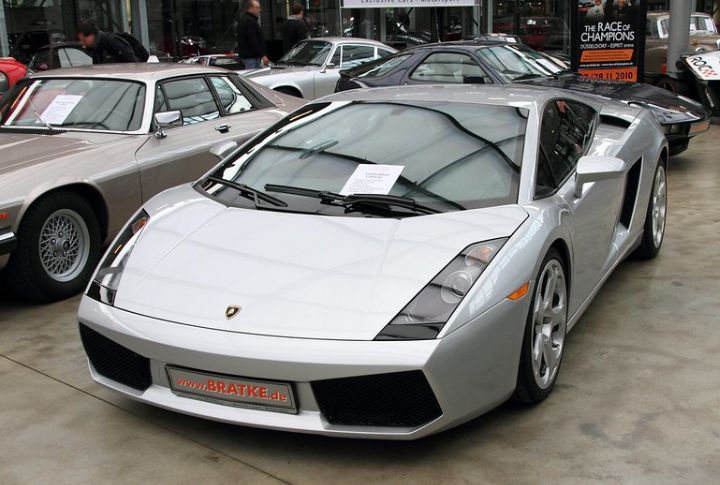
Its formidable 5-liter V10 engine delivers 500 horsepower (368 kW) at 7,800 rpm and 510 Nm of torque at 4,500 rpm, with up to 80% available as low as 1,500 rpm. Lightweight aluminum is employed throughout its construction. The Gallardo’s size and performance aspirations impart a nimble, athletic feel, while its shorter wheelbase and minimized overhangs enhance its sporty appearance.
Source: NetCarShow
Mercedes-Benz 300SL Gullwing (1954)
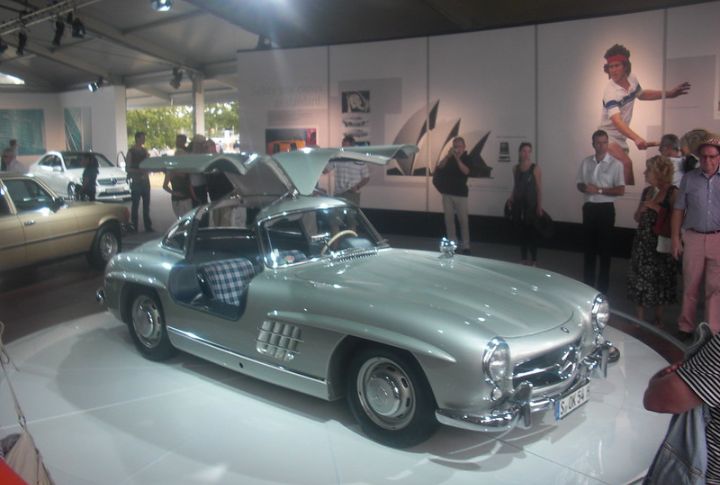
This car was the first production passenger car in the world to feature direct fuel injection, which boosted both power and efficiency. With an impressive engine output of 215 hp (158 kW), it could reach top speeds of up to 250 km/h, making it the fastest production car of its time. The Mercedes-Benz 300SL Gullwing’s upward-opening doors and streamlined body shape defined automotive innovation in the 1950s, providing unparalleled performance and futuristic design.
Source: Mercedes–Benz
Ferrari Dino 246 GT (1969)
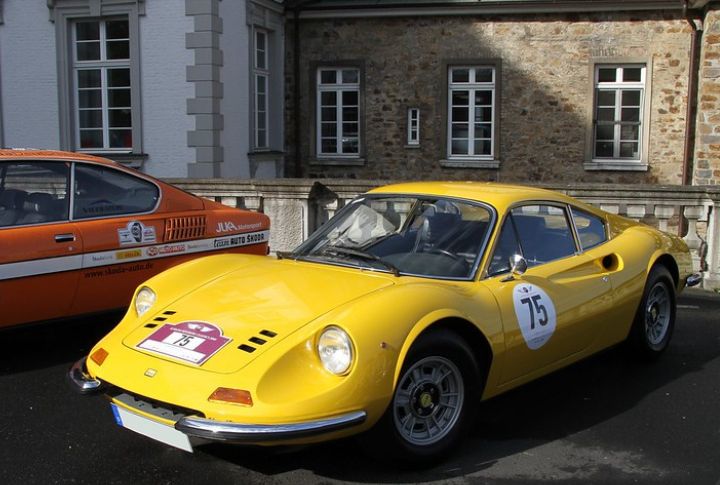
Named in honor of Enzo Ferrari’s son, the Ferrari Dino 246 GT combines mid-engine balance with timeless Pininfarina styling, creating a harmonious blend of beauty, agility, and performance. The Dino 246 GT evolved from the Dino 206 GT, featuring a larger V6 engine and an extended wheelbase of 60 mm. Besides the increased length, the design remained almost the same, except for an extended engine cover and a relocated fuel cap.
Source: Ferrari
Lotus Esprit (1976)
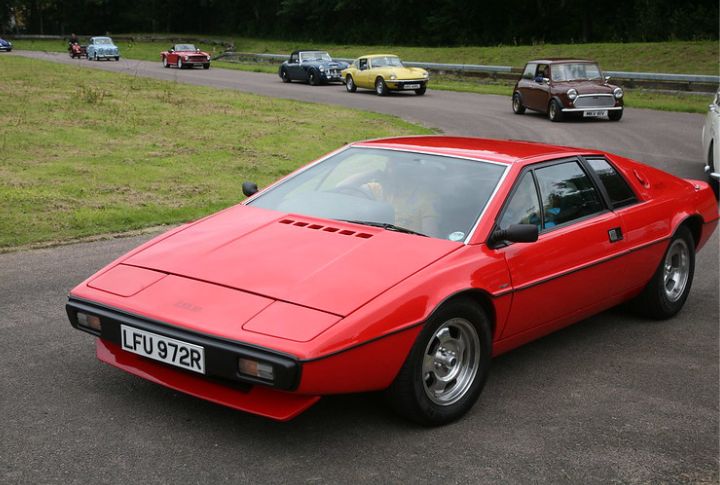
Featuring a mid-engine layout and angular lines, its wedge-shaped design and lightweight construction embodied the spirit of 1970s sports cars. The Esprit, introduced at the Paris Motor Show in October 1975, began production in June 1976, taking the place of the Europa in Lotus’s range. The initial models, referred to as “Series 1” or S1 Esprits, featured a distinctive wedge-shaped fiberglass body set on a steel backbone chassis.
Source: Wikipedia
BMW 507 (1956)
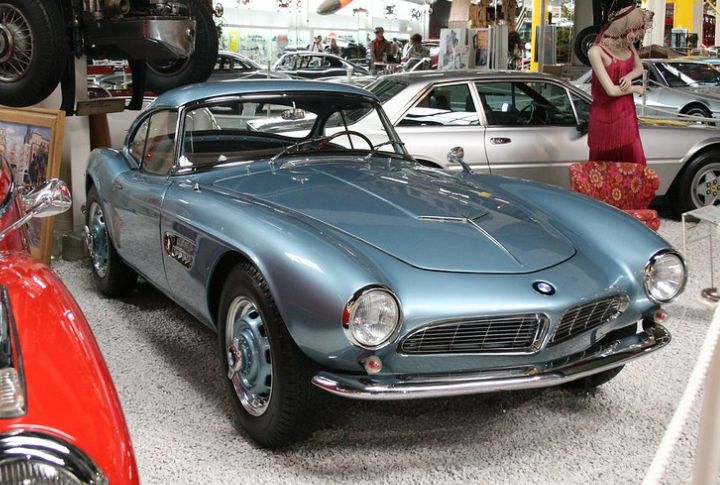
The 507, which followed the 503, was superior in every way. This sleek, low-slung two-seater featured a removable hardtop and a retractable hood that neatly stowed behind the seats. Its design was both elegant and powerful, hinting at its high performance, which was delivered by BMW’s V8 engine, allowing the 507 to reach speeds up to 120 mph. An impressive car, it caught the attention of celebrities, including Elvis Presley, John Surtees, and Frank Sinatra.
Source: Autozine
Aston Martin DB4 (1958)
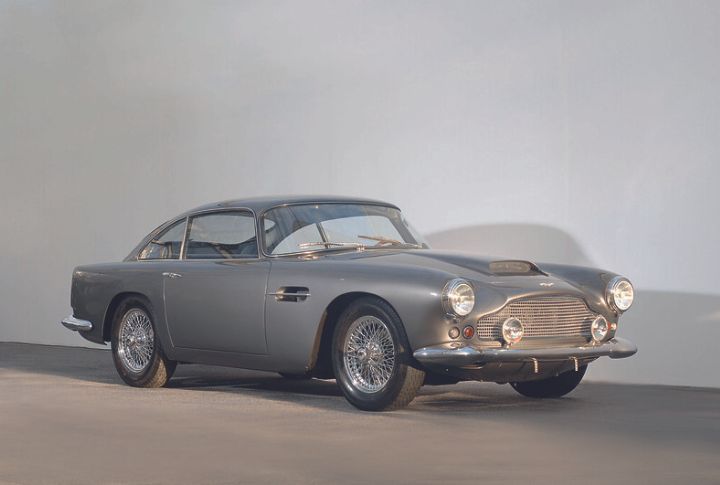
In the late 1950s, the Aston Martin DB4 established new benchmarks for luxury and performance. It marked a significant milestone as the first production car to accelerate from 0 to 100 mph and decelerate back to 0 takes under 30 seconds., hitting 100 mph in just 21 seconds. This legendary model signaled a new chapter for Aston Martin, reestablishing its position among top high-performance sports car makers. Its refined elegance, paired with a powerful engine, offered a perfect balance of beauty and brawn.
Source: Aston Martin
Dodge Challenger (2008)
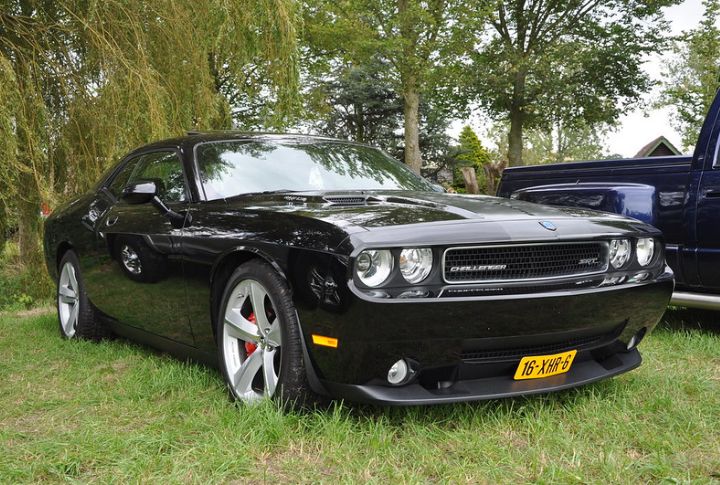
Reviving the legacy, the 2008 Dodge Challenger blended retro aesthetics with modern performance. The standard package has 20-inch alloy wheels with 245/45 high-performance tires, a sport-tuned suspension, a rear spoiler, xenon headlights, leather-upholstered and heated front sport seats, air conditioning, full power features, cruise control, an auto-dimming rearview mirror, heated side mirrors, and a 60/40 split-folding rear seat. Its muscular design and advanced technology brought the iconic nameplate into the 21st century, appealing to new fans and nostalgic enthusiasts.
Source: Edmunds