‘Freaking Trash’ – Mechanic Shows How Brand-New Car Parts Are Way Worse Now
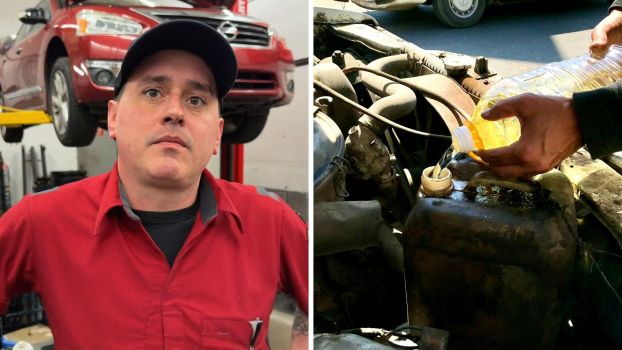
Eric didn’t start his Thursday intending to lose his patience. But after decades wrenching on cars in upstate New York, the mechanic has learned that nothing ruins a good day in the bay quite like a bad “new” part.
A Buick rolled into his three-bay shop for a simple inspection. The owner just wanted whatever would earn the sticker. Well, Eric found himself knee-deep in what every working tech now knows too well: modern replacement parts that fail straight out of the box.
Let me just say, by the way, that this rant is laced with clear technical skill and diagnostic ability. It’s worth a watch just to see how brilliant a good mechanic really is.
This Buick had already made the rounds
Two other shops already tried and failed to clear its check-engine light.
The codes were basic stuff: a bad air diverter valve and a faulty vent valve. Simple enough, in theory.
But when Eric ordered brand-new replacements from a well-known parts supplier, both pieces were dead on arrival. One valve wouldn’t open at all. The other reported zero volts on the sensor line.
That kind of nonsense used to be rare. Now it’s daily life.
Mechanics like Eric often have to test every single part before installing it
Because half the time, what’s supposed to fix the problem is the problem.
He said the trend has gotten worse over the past decade, and the odds of getting two bad parts in one order are higher than most customers believe.
When that happens, it’s not just the part supplier’s reputation that takes a hit. It’s the trust between mechanic and driver.
I hear ya, Eric.
It’s a frustration anyone in the trade understands.
As manufacturers outsource more and more, and fewer and fewer talented folks opt for industry manufacturing jobs, quality controls slide.
It’s not only aftermarket suppliers, either. The box might even say “OEM,” but even the brands that used to stand for reliability are filling their shelves with cheaper plastic and thinner metal.
I saw the same shift back when I managed a service department. Everything from coolant fittings to oil pans quietly changed from durable aluminum to composite materials. The parts looked clean and cost less, but they cracked, leaked, or warped.
So when Eric called that brand-new diverter valve “freaking trash,” he wasn’t being dramatic. He was speaking for every mechanic watching quality slide, warranty claims pile up, and customers lose faith in what “new” used to mean.