20 Manufacturers That Changed The Supercar Game Forever
Many big leaps in automotive engineering tend to shatter old expectations and set new performance standards. Innovative chassis design and powertrain breakthroughs have created machines that amaze people, be it on racetracks or regular streets. These incredible machines defined their times and motivated speed lovers and designers to aim for even greater breakneck paces.
Ferrari
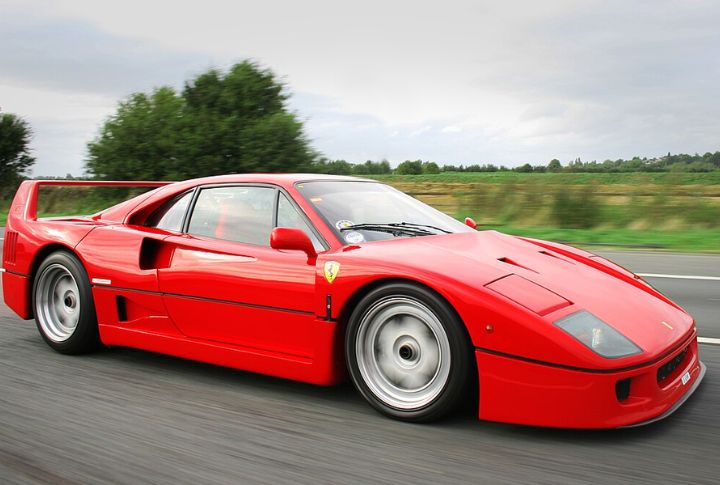
Ferrari’s legacy began in 1947 with the 125 S, a car that didn’t just roll off the assembly line. The 1987 F40 has a twin-turbo V8 and can reach 201 mph. Enzo Ferrari’s drive for perfection created a brand known for speed and style.
Lamborghini
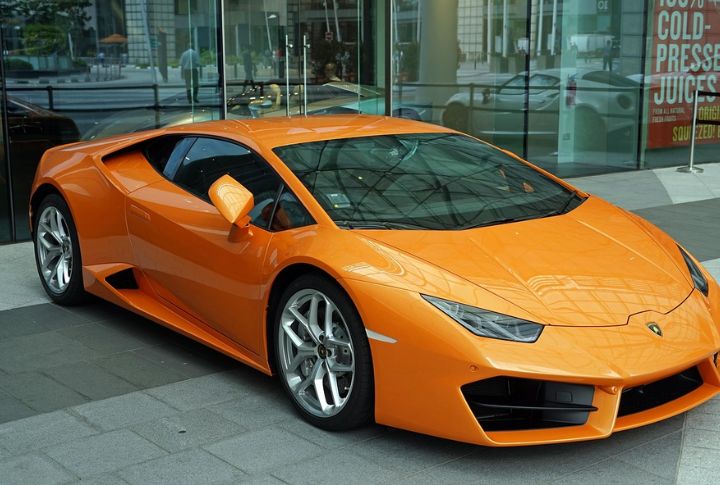
In 1963, Ferruccio Lamborghini took a daring initiative by going head-to-head with Ferrari and launching a brand with bold designs and unmatched power. The 1966 Miura set the standard for the mid-engine layout, a game-changer for supercar design. Eventually, Lamborghini’s spirit of defiance became its hallmark.
McLaren
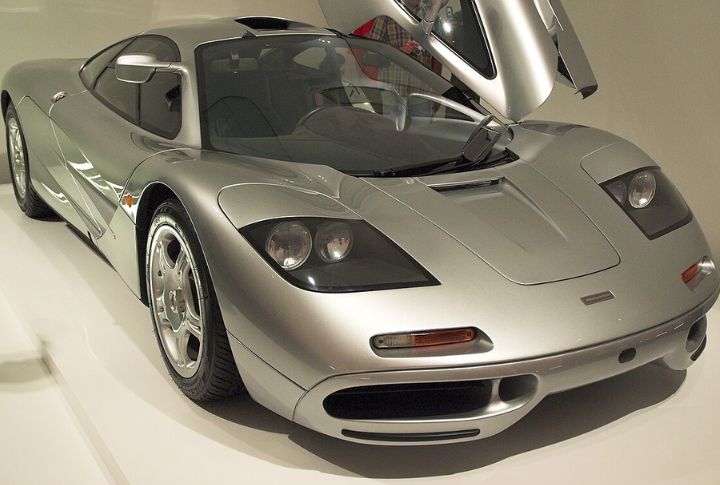
Emerging from the racetracks in 1985, McLaren’s F1 redefined speed with a 240 mph top speed in 1992, thanks to its central driving position and gold-lined engine bay. Blending Formula 1 tech with road car practicality, McLaren set new benchmarks. Innovation isn’t optional; it’s essential.
Bugatti
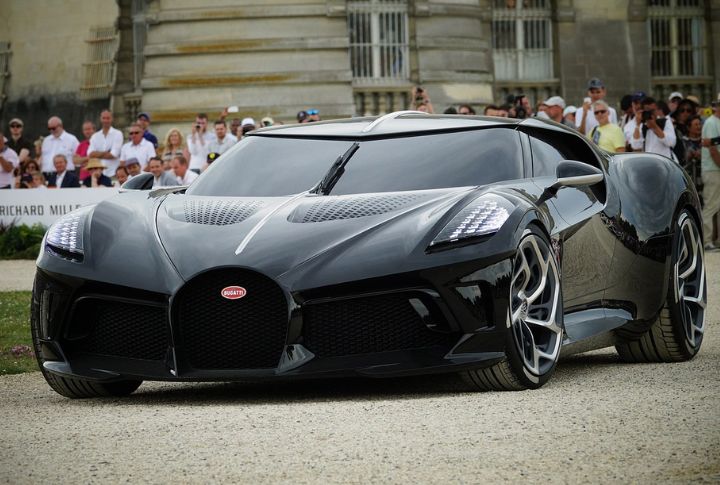
Founded in 1909, Bugatti’s Type 35 was the star of 1920s racing, winning over 2,000 times. The Veyron, introduced in 2005, made history with its 1,001 hp engine, achieving a top speed of 253 mph. Bugatti doesn’t follow the crowd; it leads the way.
Porsche
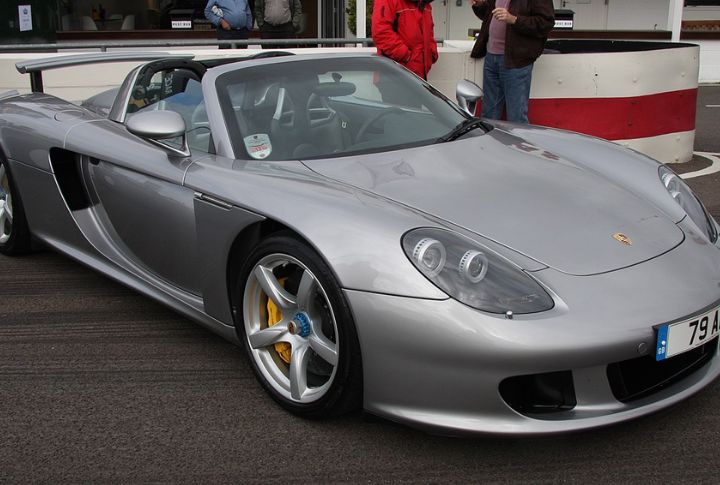
Since 1948, Porsche has walked the fine line between performance and precision. The 2003 Carrera GT has a 5.7-liter V10 engine that produces 612 hp. In contrast, the 2013 918 Spyder uses hybrid technology to deliver 887 hp. This shows how Porsche combines progress and innovation.
Koenigsegg
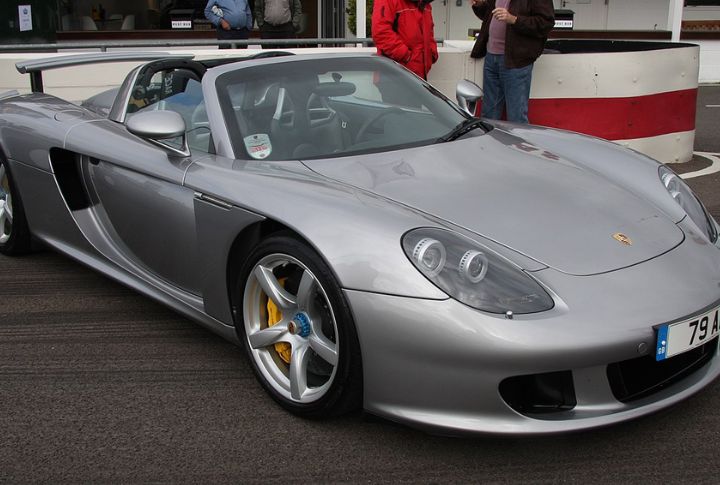
In 2007, Koenigsegg introduced the CCXR. This was the world’s first supercar that could run on both standard gasoline and eco-friendly E85 biofuel. Impressively, it still managed to produce a remarkable 1,018 horsepower. This groundbreaking achievement proved Koenigsegg’s ongoing pursuit of invention in the supercar industry.
Pagani
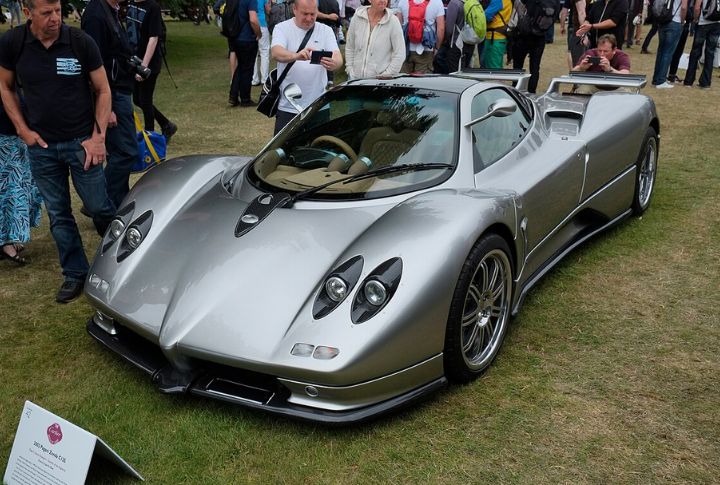
Founded in 1992 by Horacio Pagani, the company unveiled the Zonda in 1999, a supercar that combined artistic design with AMG-sourced V12 power. The Zonda’s limited production and bespoke mastery elevated it to icon status, demonstrating that supercars could be both performance machines and works of art.
Rimac
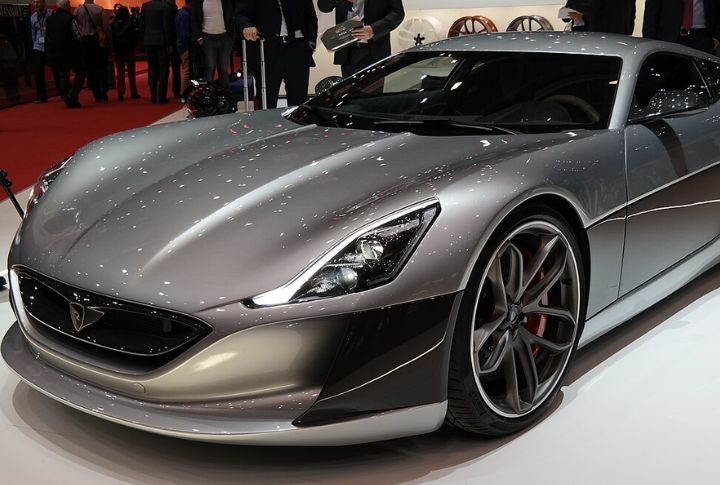
Mate Rimac started his company in 2009. In 2011, they introduced the Concept One, which was among the first electric supercars globally. Rimac was able to prove that electric vehicles can offer exceptional performance. With 24 patents and components made in-house, they’re now fashioning the future of high-speed EVs.
De Tomaso
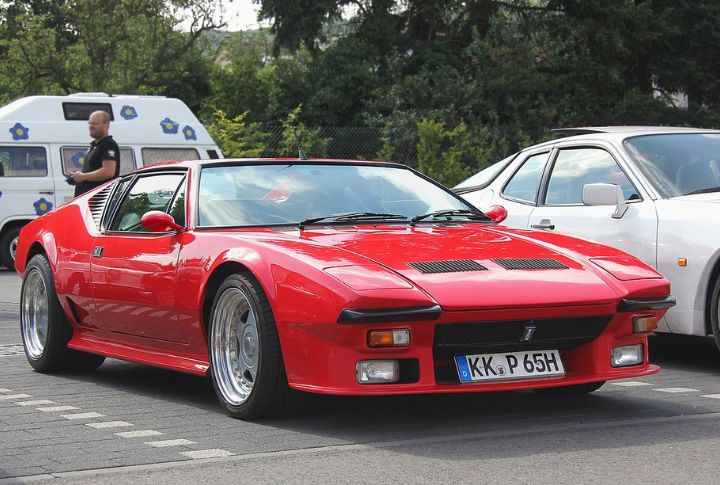
Founded in 1959 by Alejandro De Tomaso, the brand’s claim to fame is the Pantera, a mid-engine sports car produced from 1971 to 1992. This solid vehicle had a production run of over 7,000 units. It merged Italian style with the power of an American V8, making it an exotic yet accessible supercar.
W Motors
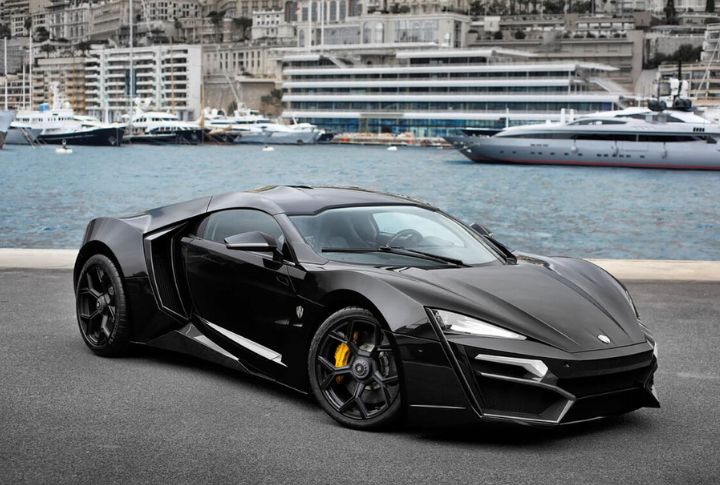
In 2013, W Motors debuted the Lykan HyperSport. It was a supercar of Middle Eastern origin with decent designs, including being diamond-encrusted! Its headlights and holographic display fuse high performance with luxury. This model turns heads in the supercar world and has even landed roles in Hollywood films.
Aston Martin
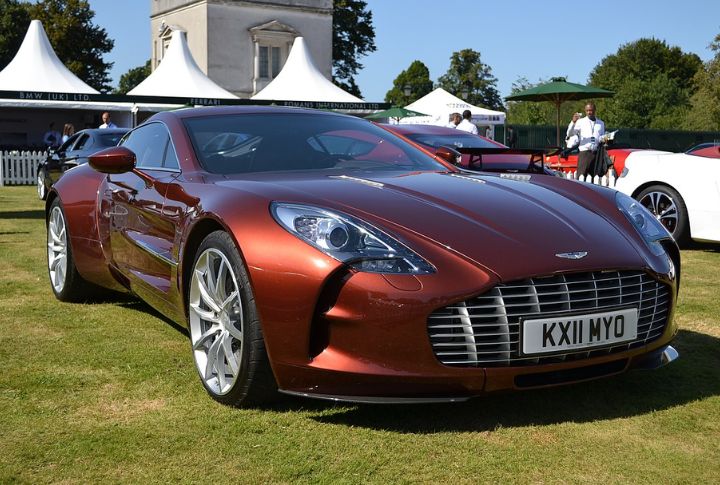
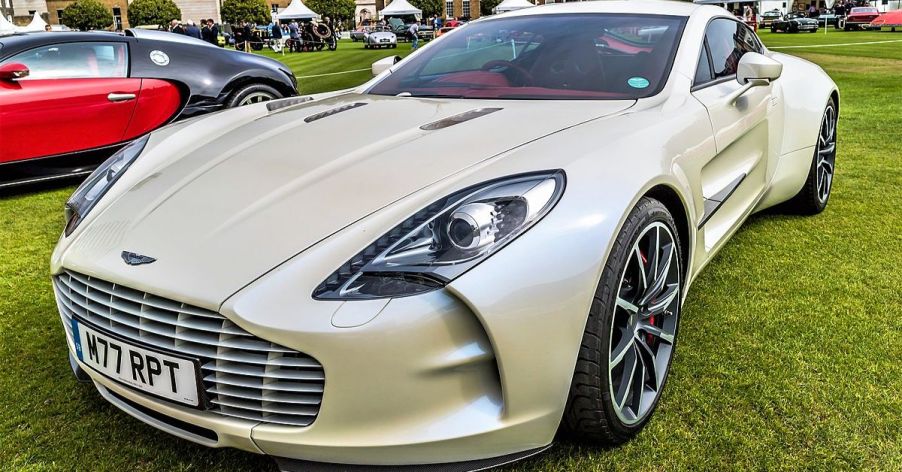
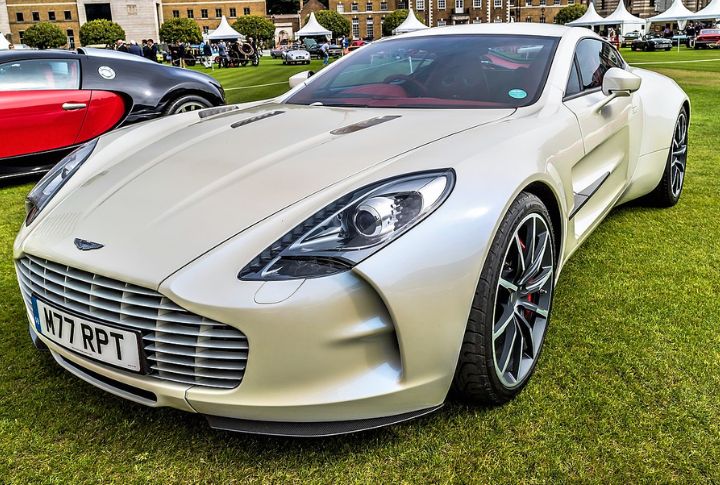
Aston Martin’s 2010 release of the One-77 was a major step forward in their supercar lineup. This car was built in a limited run of just 77 units. It had a lightweight carbon-fiber monocoque chassis and a well-built 7.3-liter V12 engine. The engine also delivered an impressive 750 horsepower.
SSC North America
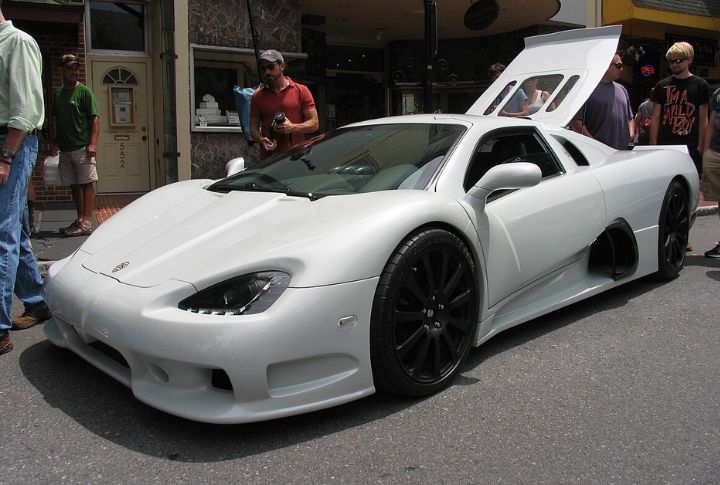
Founded in 1998 by Jerod Shelby, SSC North America made a name for itself with the Ultimate Aero, which became the world’s fastest production car in 2007. This achievement validated American engineering capability and shook up Europe’s long-standing hold on supercars.
Hennessey Special Vehicles
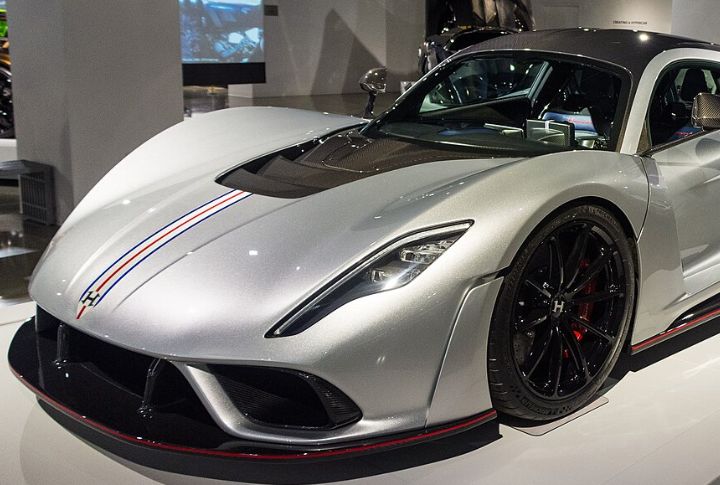
Hennessey Special Vehicles launched the Venom F5 in 2017 and targeted a top speed of over 300 mph. The car has a powerful 1,817-horsepower, 6.6-liter twin-turbo V8 engine. This reveals the brand’s focus on speed and performance in the hypercar market.
TVR
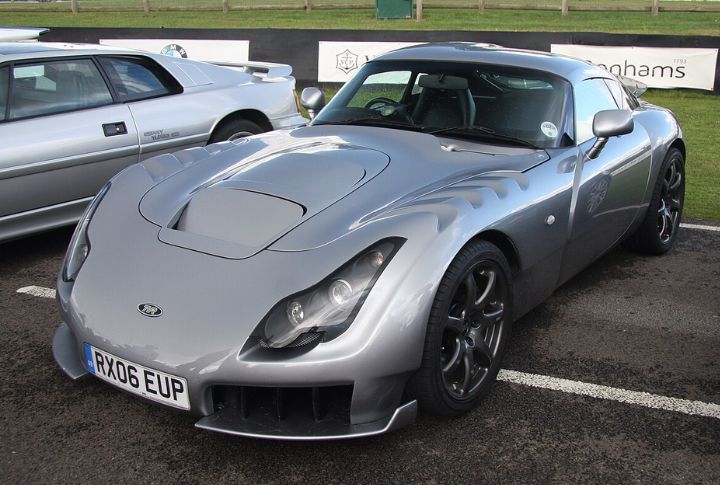
This motor brand hit the scene in 1949 with a unique chassis and surprised everyone by skipping features like ABS and door handles. The 2003 Sagaris packs 400 hp and zooms from 0 to 60 mph in less than 4 seconds, making each model an unforgettable ride.
Maserati
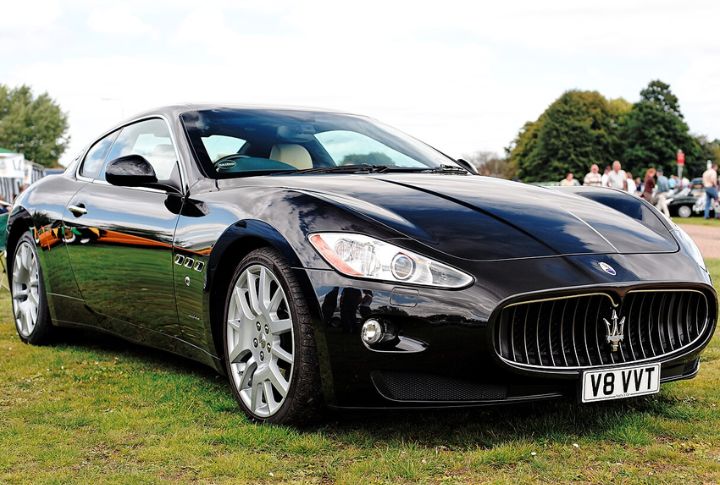
Maserati has a wonderful history of fusing luxury and performance. Since 1914, the brand has combined Italian elegance with a rich racing tradition. This dedication has created iconic models that still inspire the supercar space to this day.
Audi
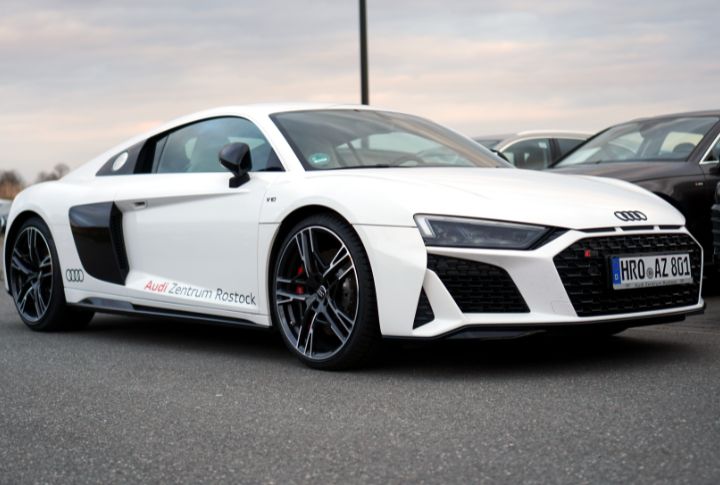
In 2007, Audi brought forth the R8, making supercar capabilities accessible to numerous drivers. Its mid-engine design and Quattro all-wheel drive join efficiency with a high-octane performance. This actually redefines what a supercar can be.
Ford Performance
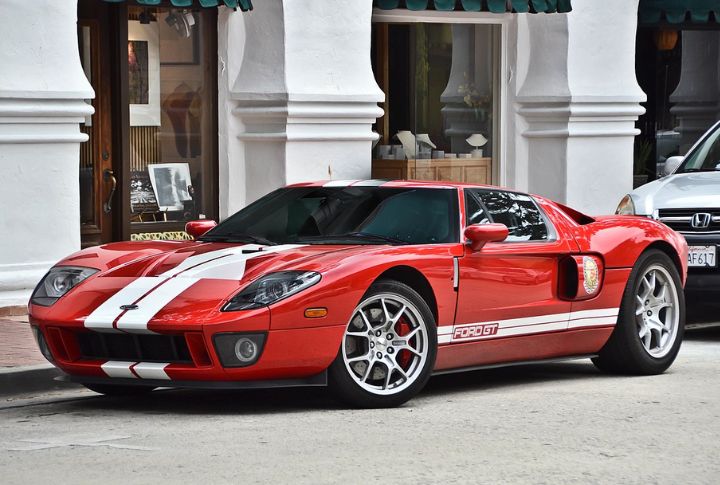
Ford’s GT, especially the 2017 version, gives a tip of the hat to the brand’s Le Mans victories. The GT features a carbon-fiber body and a powerful 647-horsepower EcoBoost V6. It shows how American engineering makes a supercar that truly recognizes its racing roots and uses modern tech.
Chevrolet
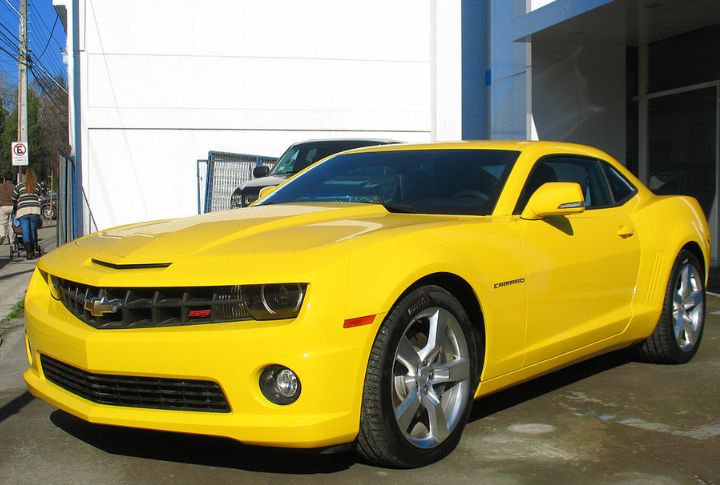
Chevrolet’s Corvette has become a strong competitor in the supercar market. The latest mid-engine C8 Corvette displays the brand’s dedication to performance and innovation. Now, it provides supercar-like capabilities at a more affordable price and reconceptualizes what’s expected in its class.
Zenvo Automotive
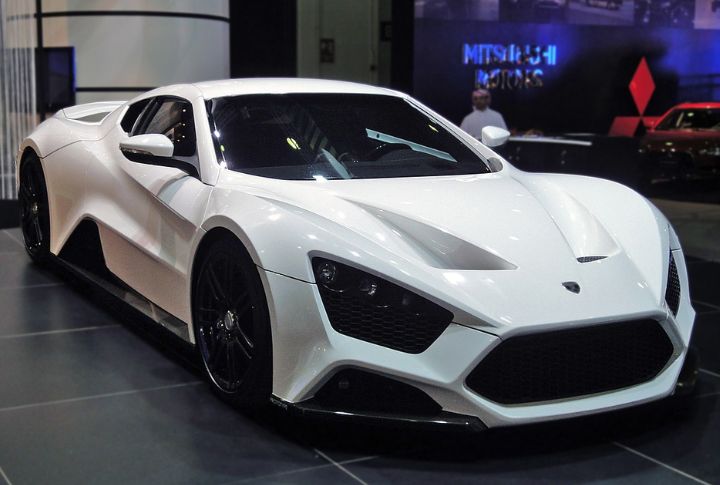
Zenvo started in 2007 in Denmark when they launched their first car, the ST1. This hypercar has a huge 6.8-liter V8 engine that puts out over 1,100 horsepower. The brand stands out for its custom-made production and outstanding performance. This commitment has earned it respect in the high-end hypercar world.
Saleen Automotive
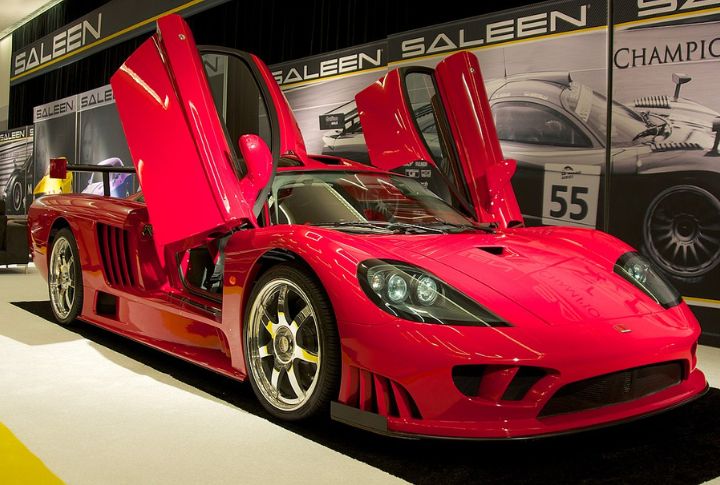
Established in 1983, Saleen made a name for itself with the S7. It’s the first American mid-engine supercar. The S7 is also equipped with a dynamic 7.0-liter V8 engine. American manufacturers show they can compete in the global supercar industry owing to their track record.