New York Man Wins Nearly $2 Million From BMW After Shutting His Own Thumb in a Soft-Close Door
A man from New York who shut his own thumb in a soft-close BMW door more than nine years ago was awarded $1.9 million by a jury. BMW had attempted to overturn the decision, but was unsuccessful.
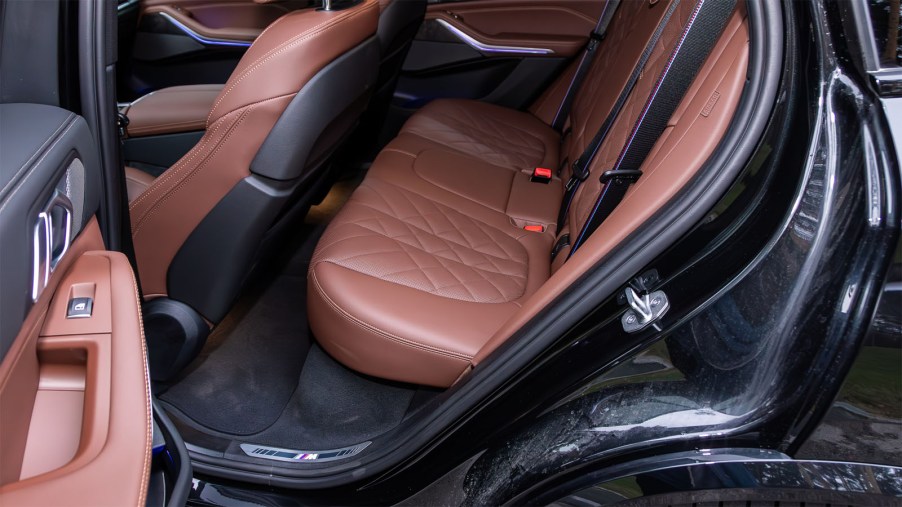
The incident occurred in 2016 when the man, Godwin Boateng, exited his 2013 BMW X5 xDrive35i Sport. With the door open about a foot, he was resting his right hand on the driver’s door column. As the door swung closed, the vehicle’s soft-close feature activated. Since he had not removed his hand from the door opening, it severed the top of his thumb off. He claimed the injury could cost him up to $3 million in future earnings as a self-employed software engineer.
According to CarComplaints.com, Boateng claimed in his lawsuit that BMW deceived the public. He claimed the automaker hid the serious dangers of the soft-close automatic doors. The lawsuit also cited BMW’s automatic window systems, which utilize sensors to prevent them from closing on an object. He believed the doors should have worked in the same fashion.
Boateng claimed BMW knew about these soft-close door concerns as early as 2002. But instead of fixing it, the company “sweeps this under the rug and intentionally conceals its hidden dangers, which one can only learn about during a moment of tragedy.”
BMW cited common sense as part of the company’s defense
Following the accident, BMW inspected the vehicle in question and found no defects in the door’s soft-close feature. The company argued that it should be common sense not to leave one’s hand in a door opening when shutting the door.
“Plaintiff understood since childhood not to put a finger or body part in between a door and its door frame while it is closing,” the company stated.
In 2024, a jury sided with Godwin Boateng. Last week, an appeals court agreed with the jury. In its ruling, the appeals court agreed with the lower court: BMW violated New York General Business Law § 349 and committed a “deceptive omission.” BMW must now pay him $800,000 for past pain and suffering, $850,000 for future pain and suffering, and approximately $255,000 for past lost earnings.