15 Maintenance Checks Car Owners Need to Run Every 1,000 to 3,000 Miles
As of mid-January 2023, the average price for a new vehicle in America increases by 4.2% yearly, with buyers paying an average of $46,437. With figures this high, the ideal response as a car owner is to maintain your car regularly. Here are 15 simple maintenance routines that will keep your vehicle in good shape for a long time.
Inspect The Engine Oil Level
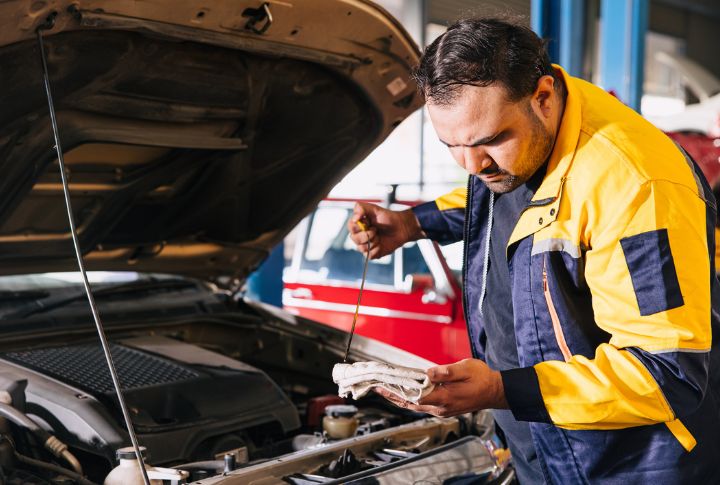
Carmakers recommend changing the oil every 5,000 to 7,500 miles, but Toyota suggests changing it every three months, especially for conventional motor oil. You can look out for leaks or contaminants. If you find metal shavings or discolored oil, you might have potential engine problems, so consider visiting a service center immediately.
Check Coolant Levels
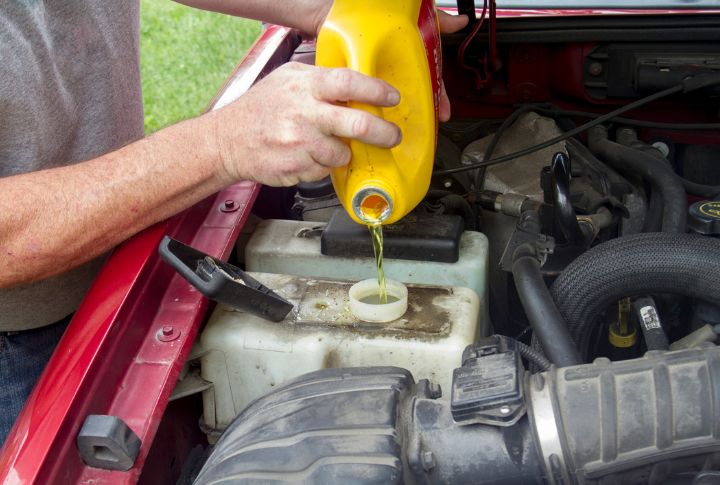
Coolants help lubricants reduce friction and wear by maintaining the right temperature. Although manufacturer recommendations suggest changing your car coolant after a few thousand miles, it can leak or evaporate, especially with plastic thermostat housings. Regularly inspect the coolant reservoir and note that persistent low levels might indicate an internal leak or head gasket issue.
Check Brake and Fluid Levels
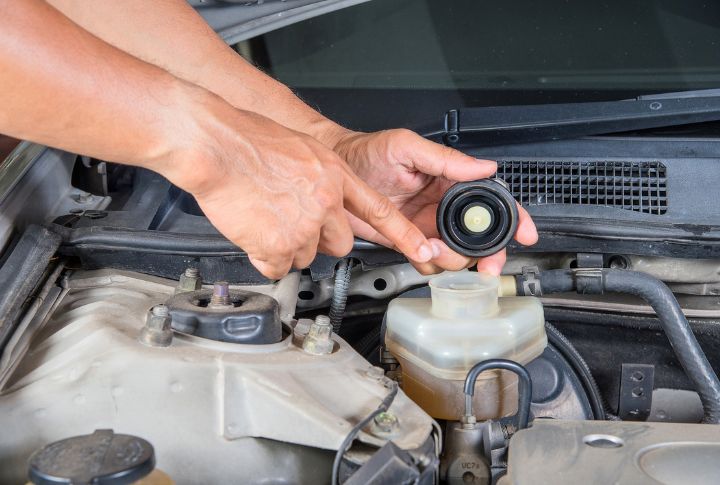
The braking system, including the brake pads, is one of the car components directly linked to the occupants’ safety. When you neglect periodic brake checks, they may let you down at the most critical time. It’s also important to check the brake fluid to keep the car’s systems running smoothly without replacing expensive parts like rotors.
See How Your Belts And Hoses Are Holding Up
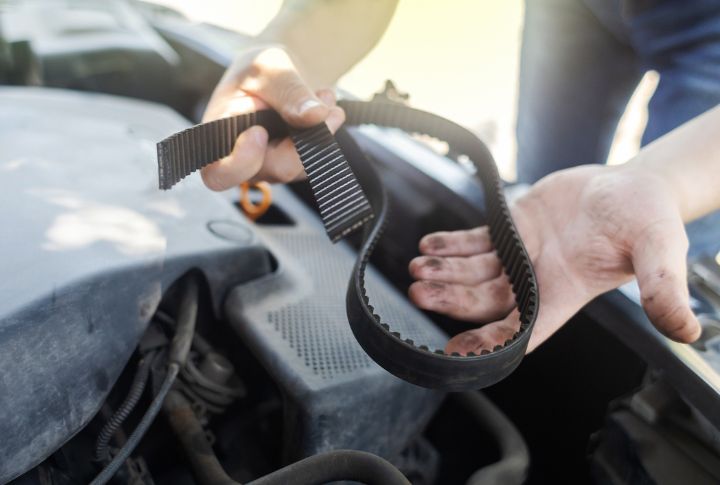
Belts drive components like the alternator and water pump, while hoses circulate coolant and other fluids. Since they’re made of rubber, they may crack, fray, overheat, or wear out over time. If you don’t inspect them this often, they may break down in the most unlikely places when you least expect them.
Examine and Clean Spark Plugs
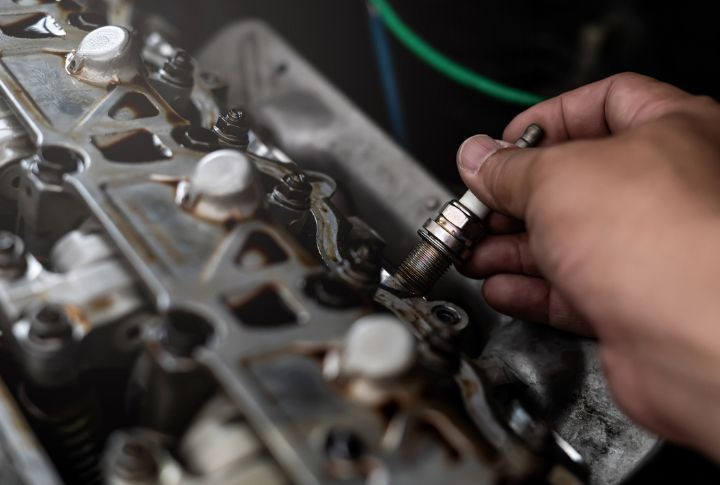
Spark plugs keep your car running smoothly by igniting the air-fuel mixture in your engine. If you leave spark plugs dirty, you might get engine misfires, reduced fuel efficiency, or hard starts because the engine works harder to get a spark. Thankfully, plugs are one of the easiest and cheapest parts to maintain in your car.
Inspect Battery and Clean Battery Terminals
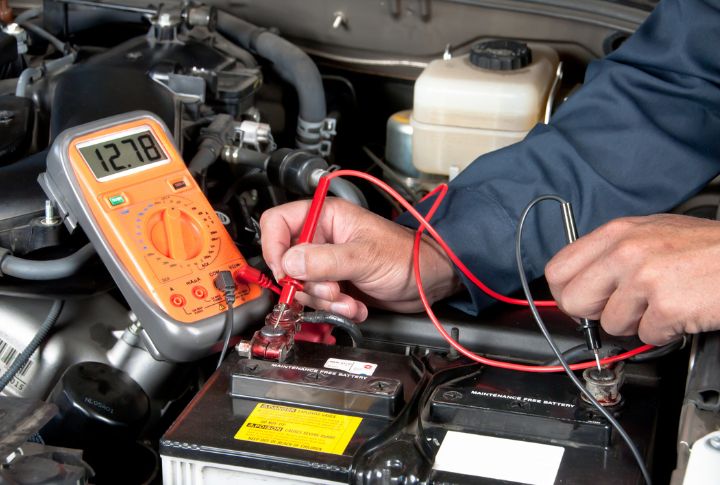
Typically, car batteries last 3-5 years, but terminals aren’t immune to corrosion. Rust can disrupt connections, leading to starting issues or electrical problems. To clean corroded terminals, unfasten the clamps (negative first) before scrubbing the clamps and posts with a battery-cleaning solution. Then, rinse slightly and add petroleum jelly or dielectric grease to the dried metallic parts.
Gauge Tire Pressure and Check Tire Tread
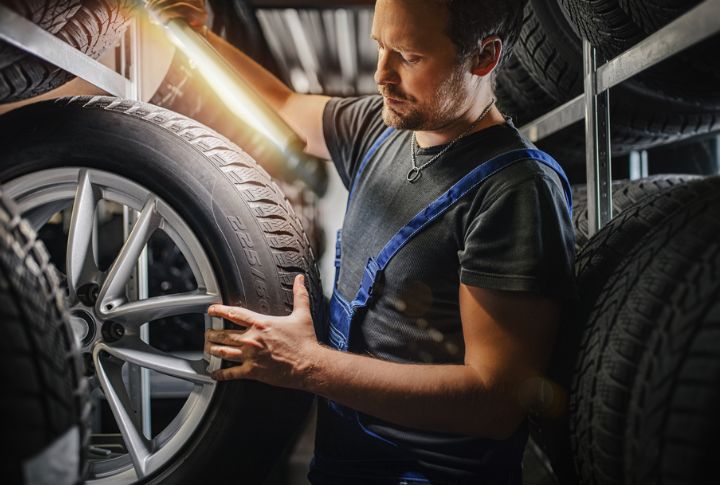
While tire pressure improves fuel efficiency and handling, good tread ensures traction. Ignoring these may lead to reduced grip or poor handling, which are unsafe driving conditions. You should consult your car’s manual to determine the correct PSI for your tires and invest in a gauge to help you ensure they remain in that range.
Clean or Replace the Cabin Air Filter
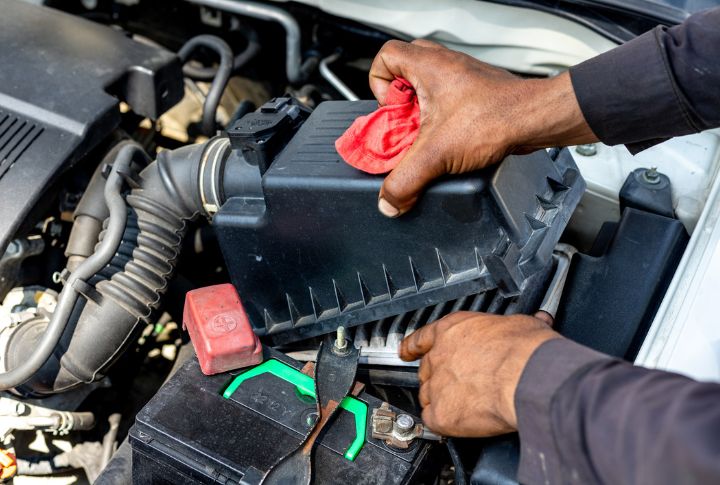
The cabin air filter ensures fresh air is always inside your car by removing dust, pollen, and pollutants. If you ignore it, the air quality deteriorates, and you might notice foul odors or reduced airflow. Depending on driving conditions, it’s good to check, clean, or replace it often.
Look For Dim/Dead Bulbs
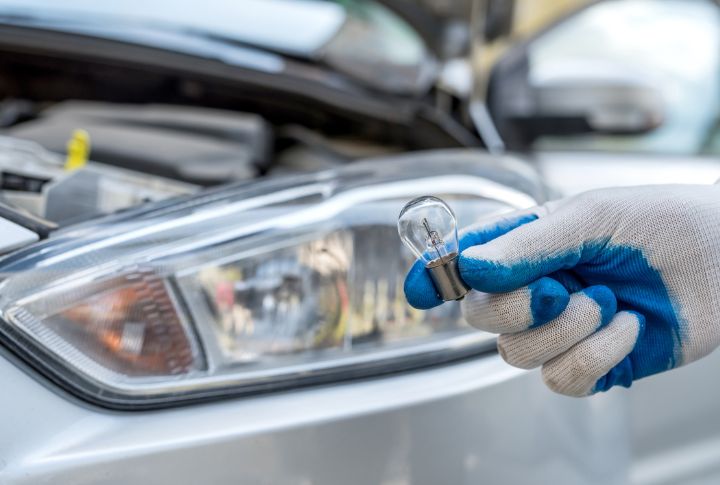
You can do this routine check with a friend! Ask them to get in the car and switch on the lights, including the marker, fog, hazard, brake, reverse light, and backup lights. These bulbs are essential for visibility and safety. If you ignore them, you risk accidents, tickets, and not spotting hazards. Regularly check and replace any burnt-out bulbs.
Ensure the Exhaust System is in Good Shape

The exhaust’s top job is to remove emissions from the engine and car passengers. With regular use, it can corrode or develop leaks. Without a working exhaust that directs harmful gasses away, these toxic chemical compounds would significantly threaten the environment. You can keep the exhaust in good condition by constantly cleaning and inspecting it for damage.
Lubricate Moving Parts
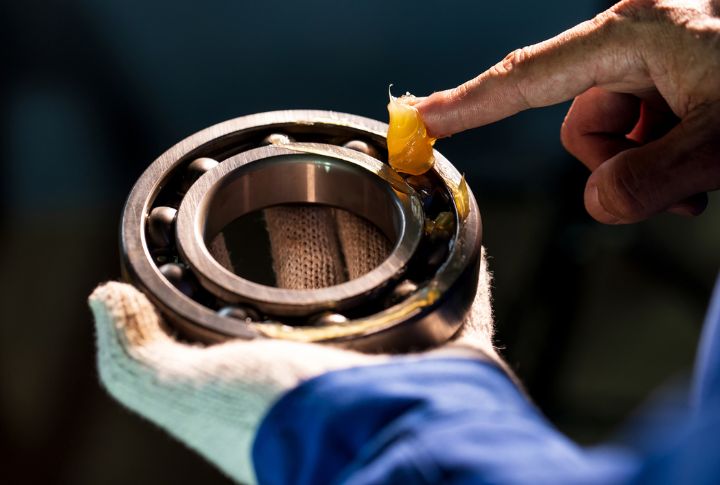
Lubricating moving parts in your car, like the hinges, bearings, and joints, reduces friction. If you skip this, these parts can wear out quickly, leading to costly repairs. You can oil them before you pass the 5,000-mile mark to enjoy your car better and extend the life of its components.
Inspect the Suspension System
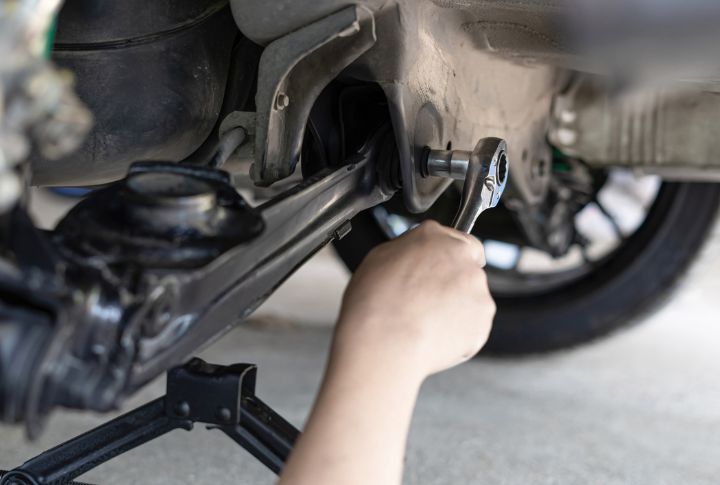
You should always pay attention to the part of your car that keeps your ride smooth and stable. The suspension system absorbs shocks from bumps and uneven roads. If you don’t inspect it often, the wear on worn-out parts may lead to strange noises, rough rides, and even accidents. Ensure you visit the mechanic before you drive past 3,000 miles.
Take a Look at Your Undercarriage
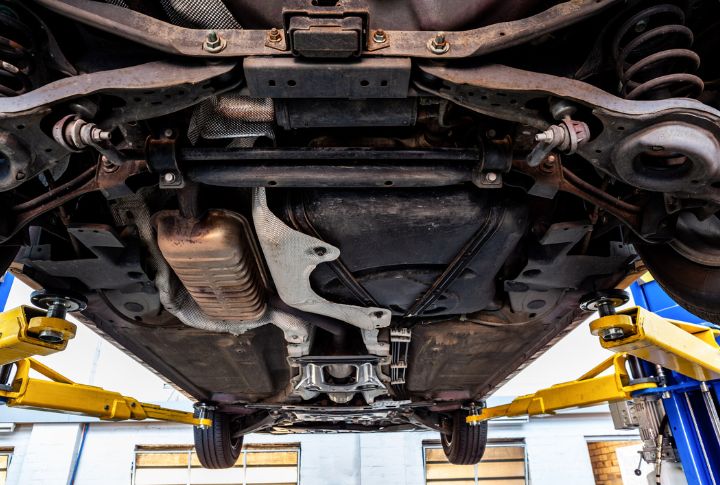
Your car’s undercarriage houses essential components like the exhaust system, suspension, and drivetrain. With constant use, some parts may wear and need repairs, especially if you’ve gone off-road a few times. You can regularly check for rust, leaks, or general damage. Although this maintenance tip doesn’t sound like a big deal, it can save you some cash.
Check for Recalls and Address Them Promptly
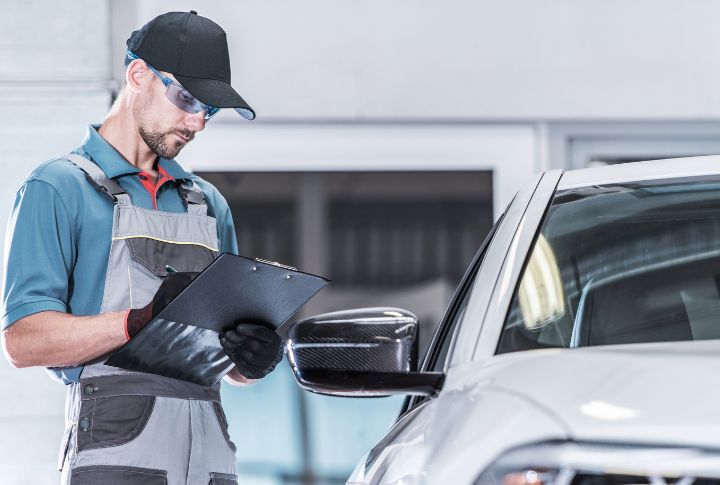
Carmakers couldn’t be better, so they may recall specific models because some of their functions could be better. You can only know when this happens if you check for vehicle recalls often. You can confirm with the National Highway Traffic Safety Administration (NHTSA) website or your car manufacturer’s site. Ignoring recalls means deciding to drive a potentially dangerous car.