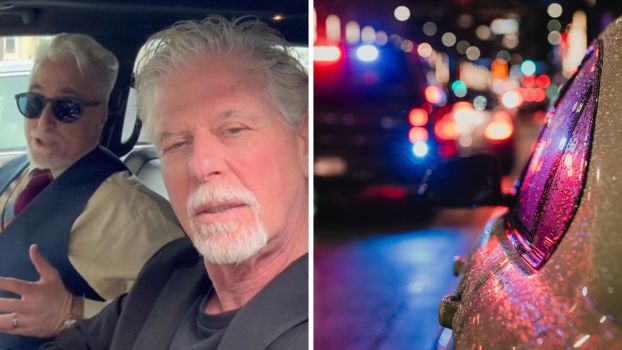
For more than three decades, Michigan-based attorney Steve Lehto has lived where drivers face some of their worst days. In the murky overlap of traffic law, car ownership, and courtroom reality, he’s handled thousands of consumer cases. He also authored “The Lemon Law Bible,” and spent years teaching future lawyers how not to sound like they got their legal advice from a barstool. Along the way, he’s heard every myth and half-baked theory motorists believe about driving laws, tickets, titles, and odometers. And he’s here to set the record straight.
Here are 10 of the biggest driving law myths Lehto says need to be put in the rearview mirror.
1. Reckless driving is “just a ticket”
Lehto explained that reckless driving isn’t just another traffic citation. It’s a misdemeanor crime.
In Michigan and many other states, that means potential jail time, a criminal record, and a jury trial. It’s not something you can pay online and forget about. If you’re charged, you’ll be standing before a judge, possibly facing six points on your license and much worse.
2. Certified pre-owned cars are “like new”
Plenty of buyers assume “certified pre-owned” is a magical third category of car that’s somehow, well, “not used.”
Lehto said that’s flat-out wrong. A car is new once: the moment it’s first sold. After that, no amount of dealership polishing or inspection checklists can reverse time. Certified or not, it’s a used car, and in most states that means you can’t use Lemon Law protections meant for new vehicles.
3. You can’t be ticketed for damaging your own property
Lehto reported that you can get cited in a property damage accident even if you smashed into your own car.
Police can still respond, write it up as a property damage incident, and in some cases, treat it as a crime. Especially if you leave the scene. Insurance companies may also scrutinize the claim to see if the damage was accidental or intentional. Ownership doesn’t make you immune from the law.
4. Rental car paperwork isn’t your problem
When you rent a car, you assume the company handled the boring stuff like registration. But Lehto warned that according to driving laws, if you’re pulled over and the tags are expired, the ticket goes to you, not the rental agency.
Drivers are legally responsible for ensuring the vehicle is properly registered. A quick glance at the plate sticker or paperwork before hitting the road can save you an expensive surprise.
5. You can’t get a speeding ticket below the speed limit
The posted limit isn’t a free pass if conditions are unsafe. Lehto explained that “basic speed laws” in many states make it illegal to drive faster than conditions allow. Even if that’s below the posted limit.
Snow, rain, or ice can make 70 mph reckless, and you can be cited for unsafe speed. The law also allows you to drive slower than a posted minimum if safety requires it.
6. Postponing a ticket means the cop won’t show
A favorite internet myth is that rescheduling your court date repeatedly will make the officer forget or stop showing up. Lehto said that’s not how it works.
Courts limit adjournments, and if the officer misses a date for legitimate reasons, they’ll just reschedule. Officers often handle dozens of tickets on the same court day, so they’re not coming in just for yours. Judges also notice when defendants abuse postponements.
7. Overpaying a ticket by $1 erases it
Lehto laughed at the persistent myth that overpaying a fine by a dollar tricks the system into never reporting your ticket.
In reality, the court cashes your check, sends you a $1 refund that eventually expires, and still records the violation. The whole scheme does nothing except make your checkbook look confused.
8. Odometer rollback is legal after 10 years
It’s true that federal driving law doesn’t require mileage reporting once a car is more than 10 years old. But Lehto explained that tampering with an odometer is still illegal at any age.
Rolling back mileage to boost resale value can lead to lawsuits or even criminal charges. The exemption is about paperwork, not permission to commit fraud.
9. Drunk driving laws don’t apply on private property
Lehto said drunk driving laws often apply anywhere open to vehicular traffic, including parking lots.
That means spinning donuts while intoxicated in a Walmart lot can get you charged even though it’s private property. The logic is simple: the law aims to protect the public, and if the public has access, the law applies. Your fenced-in backyard might be different, but most other places aren’t.
10. NASCAR cars are “stock”
Okay…this one’s more fun historical myth than legal point, but Lehto enjoys clearing it up. The early days of NASCAR truly involved stock cars. As in, the winning driver once drove his car to the race, competed, and drove it home.
Those cars had headlights, glass, and plates. Modern race cars share little more than a badge with their showroom cousins, and “stock” has long since left the building.
After spending more than 30 years battling bad information and bad actors in consumer law, he’s seen how myths like these lead drivers into trouble
Driving laws are often stricter, stranger, and more nuanced than people realize. Believing the wrong thing on the road can cost far more than just a fine.