10 Long-Serving Planes Still Taking To The Air
Some planes were never meant to hang in museums. Decades after the first takeoff, they’re still logging hours and proving their worth in the skies. These machines earned respect through sheer reliability, not headlines. Each flight tells a story of smart design and staying power. Here are 10 aircraft that simply refuse to stop flying.
Douglas DC-3
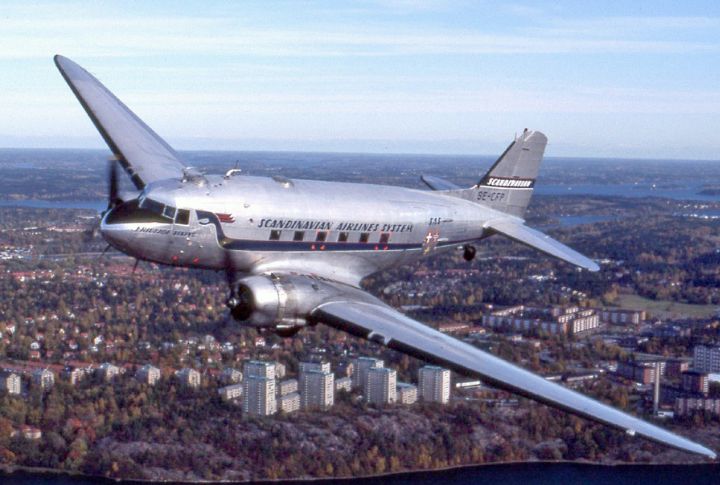
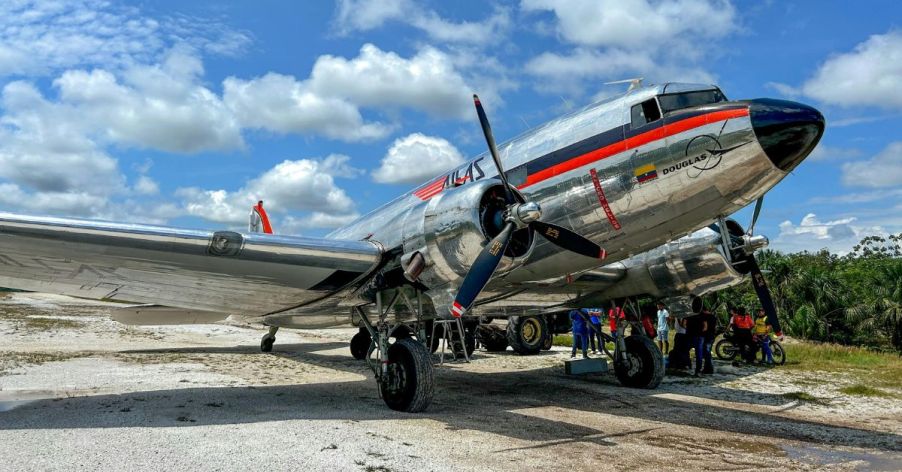
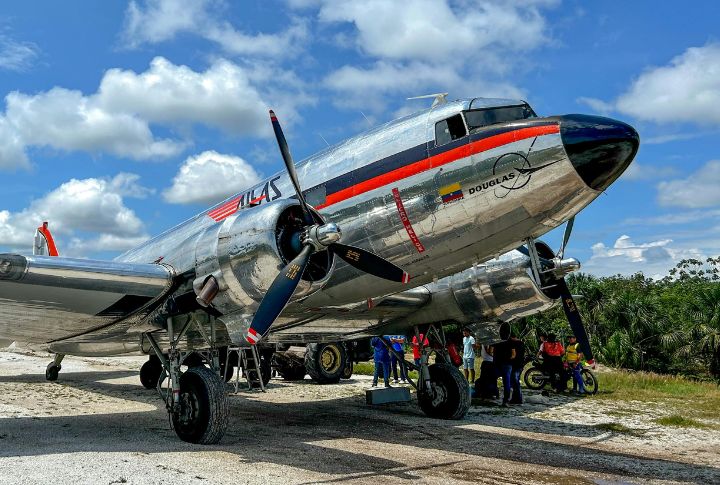
The Douglas DC-3 made flying feel like magic back in 1935, and somehow, it’s still earning its wings today in places like Colombia. In fact, pilots call it “The Plane That Changed the World.” For an aircraft built before TV went color, it sure knows how to stick around.
Boeing B-52 Stratofortress
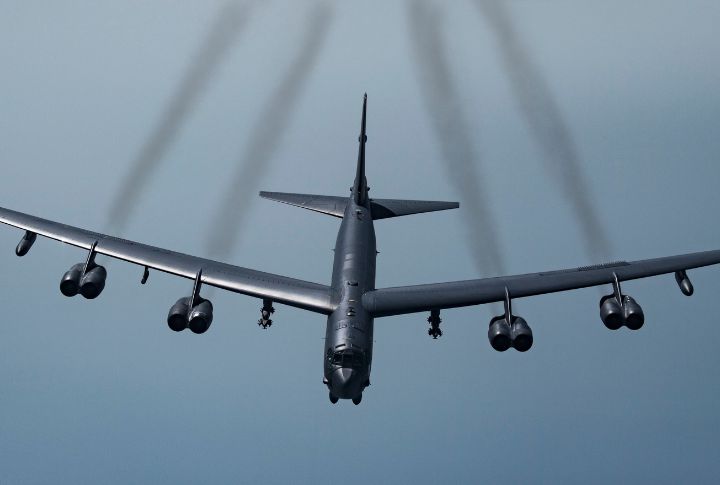
Not many planes outlive the people who fly them, but the B-52 has been doing just that since 1955. Moreover, it can haul up to 70,000 pounds of firepower and still perform active missions. It earned a fitting nickname over the years—”BUFF,” short for Big Ugly Fat Fellow.
Lockheed C-130 Hercules
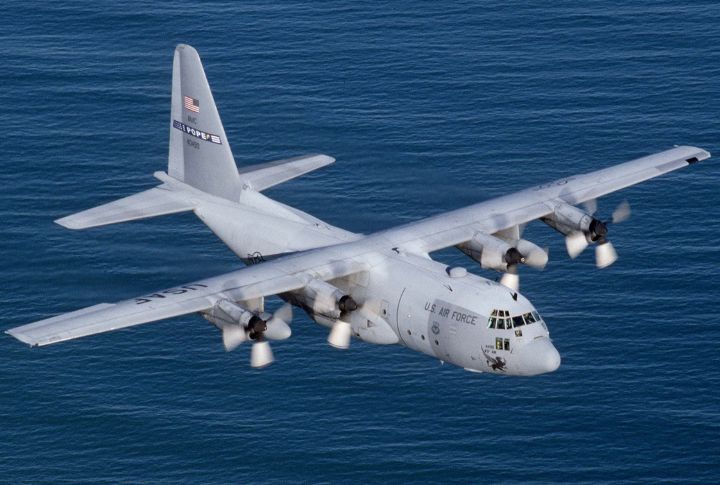
If there’s a plane that handles nearly anything, it’s the C-130 Hercules. From military missions to disaster relief, it has tackled global challenges since 1954. Impressively, it can even land on snow, sand, or moving ships. Aviation experts call it a real-life superhero in military boots.
Antonov An-2
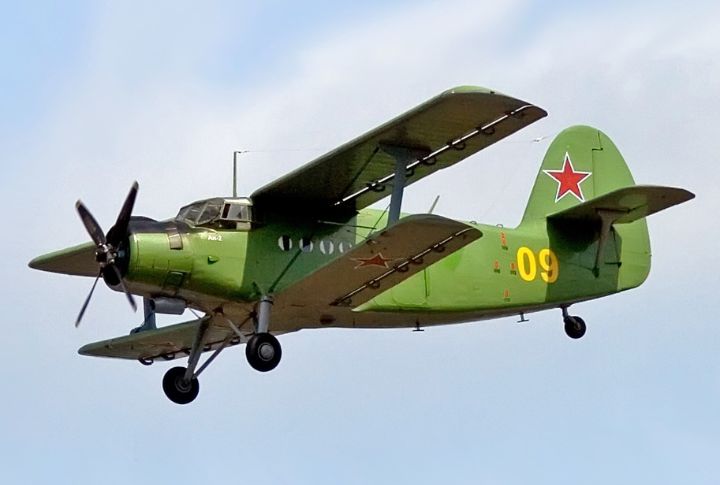
Introduced in 1947 by the Soviet Union, the Antonov An-2 is a single-engine biplane known for its durability. Designed for roles like crop dusting, parachute training, and cargo transport, it stands out for handling rough airstrips and having an extremely low stall speed.
Boeing 707
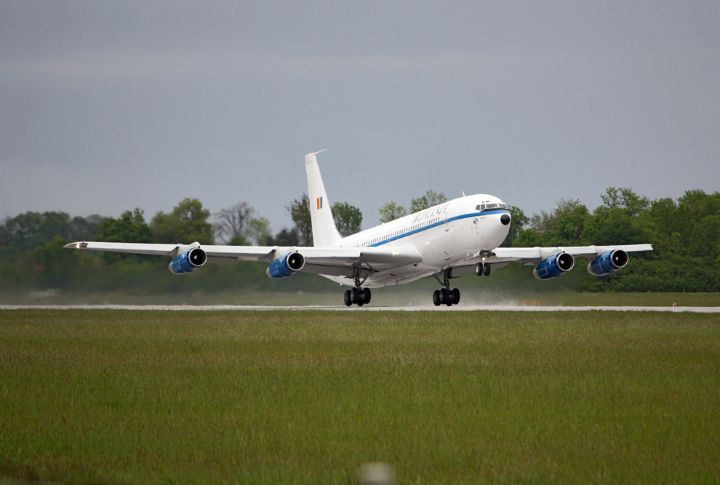
Before long-haul travel became common, the Boeing 707 was already crossing oceans. Think of it as the groovy grandparent of every jetliner you know. First launched in 1958, it brought jet power and still flies in some military fleets today. Notably, Iran continues using them.
Junkers Ju-52
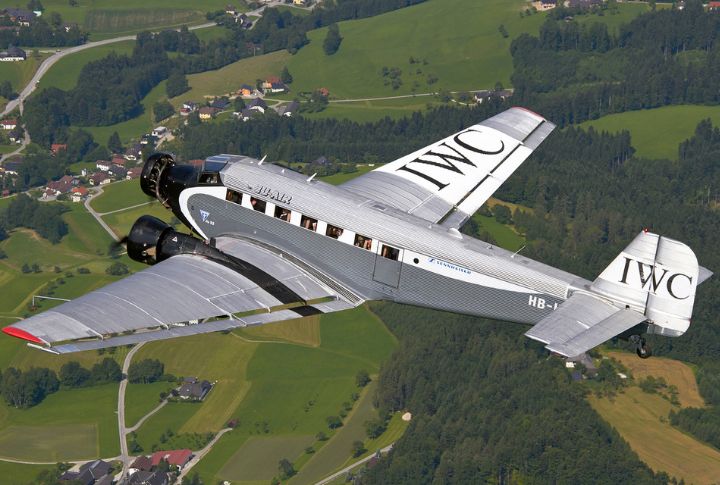
With its corrugated skin and loud engines, the Ju-52 looks and sounds like a relic from a forgotten era. Since its debut in 1930, it has remained airborne for sightseeing in Europe. Lufthansa even flew a restored one until 2019.
De Havilland DHC-2 Beaver
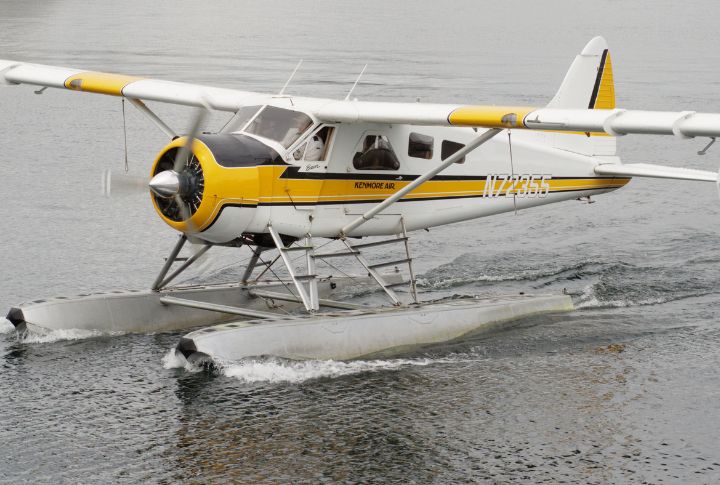
Built in 1947, the Beaver was made for the wild. Not only can it take off in under 1,000 feet, but it’s also loved by explorers and photographers alike. It’s no wonder they call it the “workhorse of the North,” which speaks to its legendary status among wilderness pilots.
North American T-6 Texan
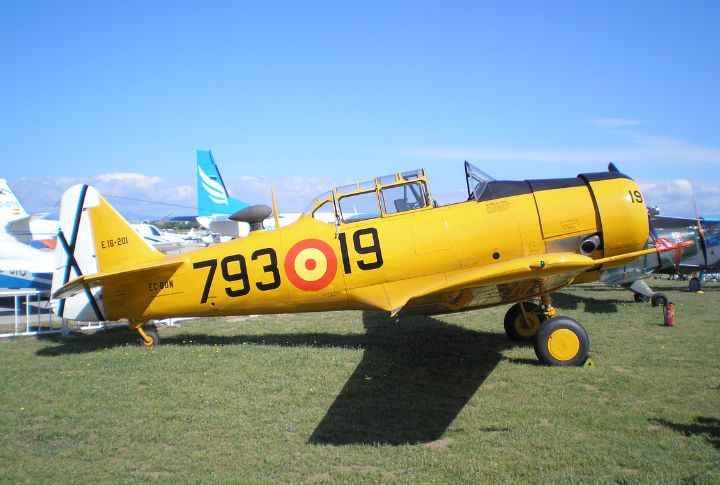
Over time, few aircraft have earned respect like the T-6 Texan. Born in 1935, it trained WWII pilots and now stars at airshows, buzzing crowds with its classic engine growl. The plane is still racing at Reno and is nicknamed “The Pilot Maker.”
Lockheed U-2
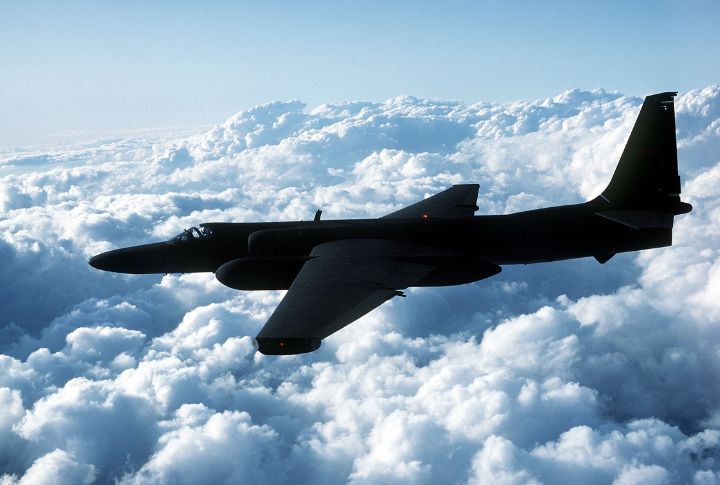
Built for Cold War surveillance, the Lockheed U-2 earned the nickname “Dragon Lady.” It first flew in 1955 and joined the U.S. fleet in 1956. Capable of flying above 70,000 feet, it escaped enemy radar to gather high-resolution images of military targets, becoming essential for American intelligence efforts.
Boeing 737-200
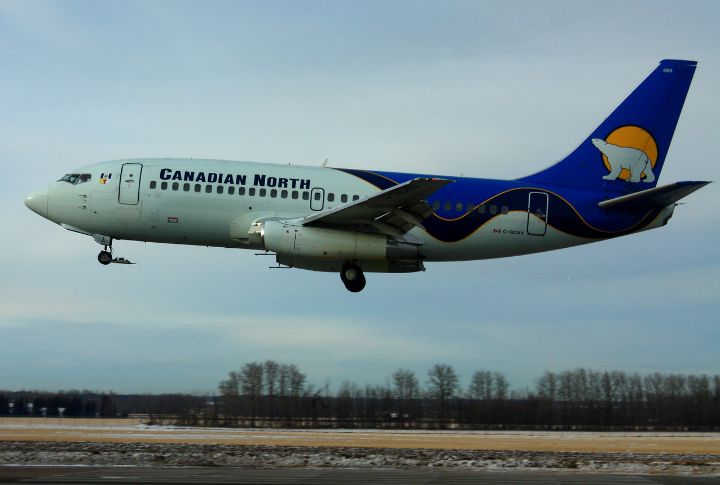
Despite being over 50 years old, the 737-200 still powers through some of the world’s toughest routes. Operating in Arctic regions, it’s fitted with gravel kits and trusted by remote airlines. One is even owned by an Inuit company today.