15 Little-Known Differences Between Airbus and Boeing
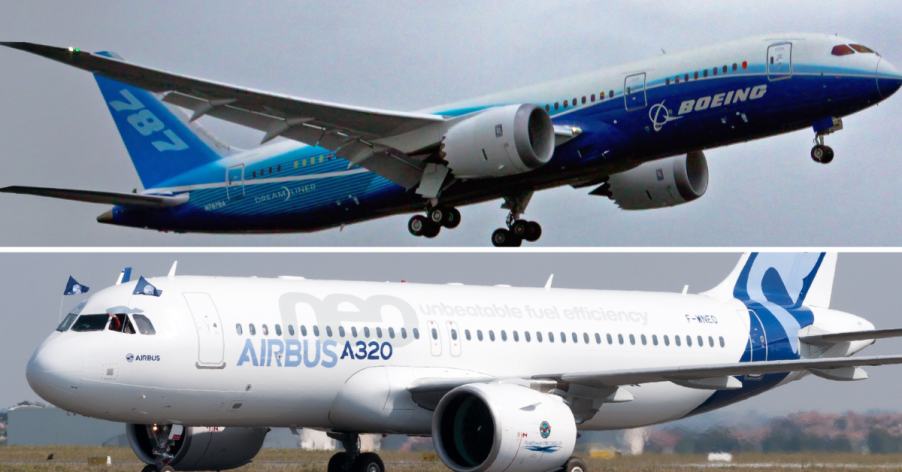
We take flying for granted. But how many of us really think about the type of aircraft we are traveling in? The two most well-known giants, Airbus and Boeing, have always dominated the aviation industry. But how do we tell them apart at a glance? Let’s take a look!
1. Size Variations
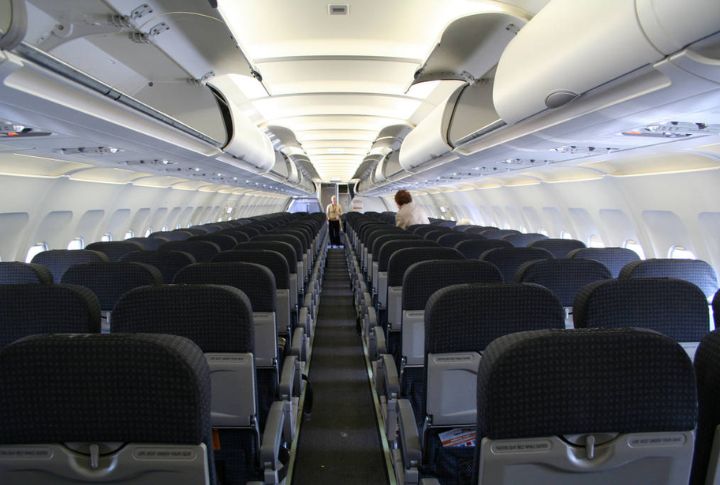
Right off the bat, the first major difference is in the size of the aircraft. Airbus typically offers wider seats and more spacious cabins in its A320 series compared to Boeing’s 737. This difference in cabin width affects passenger comfort and airline seating arrangements.
2. Nose Shape
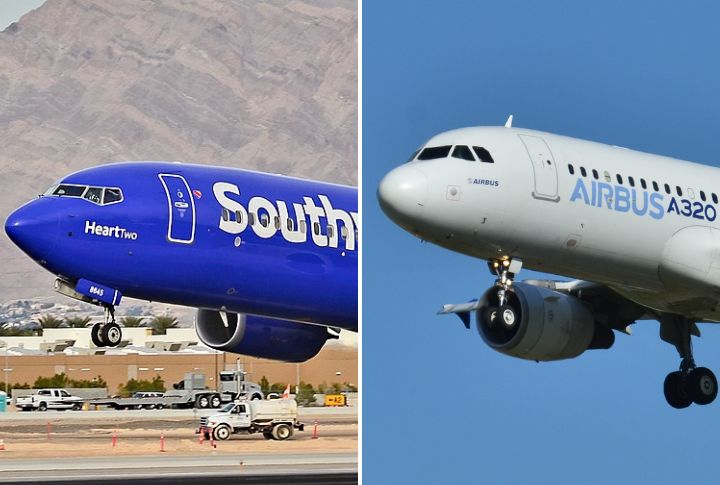
Laurent ERRERA from L’Union, France/Wikipedia
Generally, Airbus aircraft have a more rounded, bulbous nose. For example, the A320 family has a distinctively curved nose, which gives it a more “snub-nosed” appearance. Meanwhile, the Boeing aircraft often have a more pointed and streamlined nose, which gives it a sharper and more elongated appearance.
3. Wing Shape and Winglets
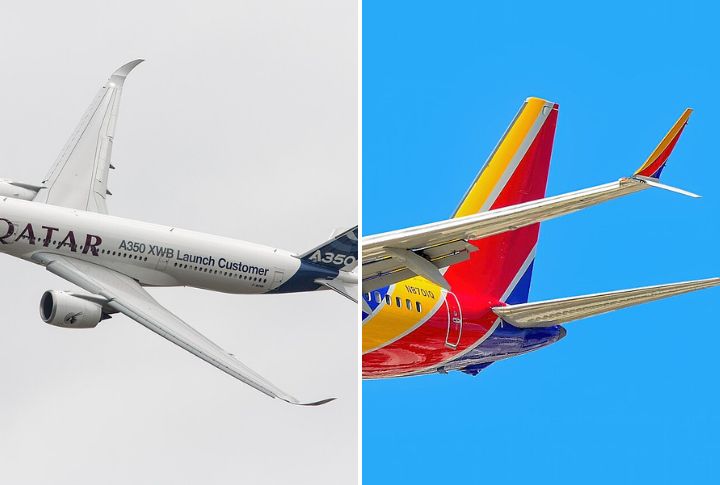
Tomás Del Coro/Wikipedia
The Airbus models use ‘sharklet’ winglets, given that they are curved structures that extend upward and slightly backward. Cute, right? On the other hand, the Boeing winglet designs have both upward and downward extensions, thus accurately termed as ‘split-tip’.
4. Engine Mounting
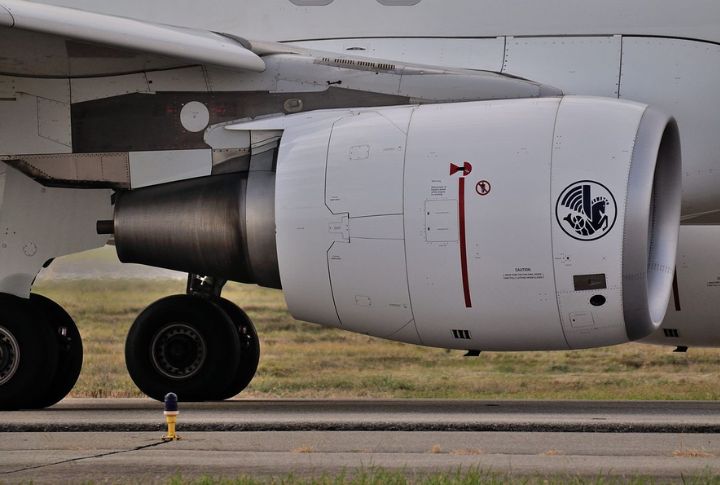
Boeing aircraft engines are typically mounted slightly further back on the wing, and the engine nacelles have a distinctive flat-bottom architecture to provide ground clearance. But if you notice closely, you’ll see that the Airbus engines are mounted further forward on the wings.
5. Tail Design
Swissair, Fotograf/Wikipedia
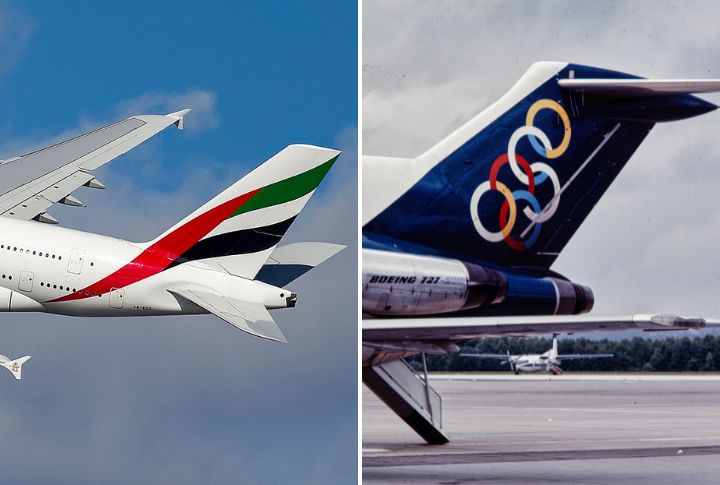
There is a simple way to tell the two aircraft apart, and that is by the shape of the tail. The Airbus features a more triangular tail fin, whereas the Boeing is distinctly rectangular with a somewhat curved edge.
6. Noise Levels and Cabin Comfort
Don-vip/Wikipedia
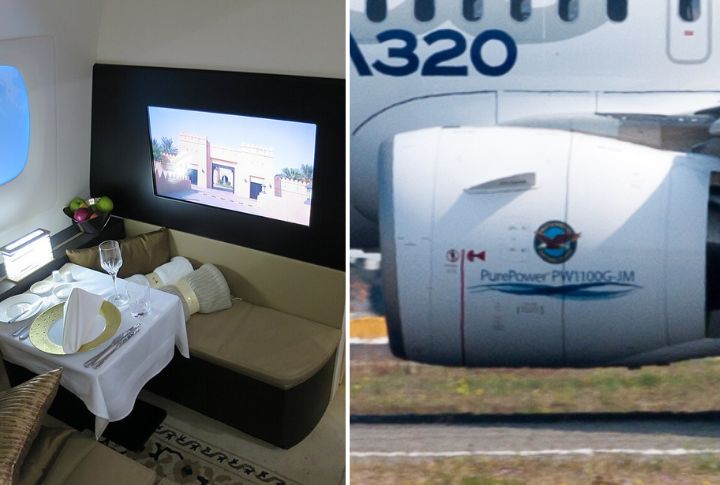
Apart from the appearance, there are several other contrasts between the two aircraft that reside on the interior. For example, the Airbus features quieter engines and advanced soundproofing materials to reduce noise levels along with more cabin space, creating a more comfortable experience when compared to the Boeing.
7. Design Philosophy
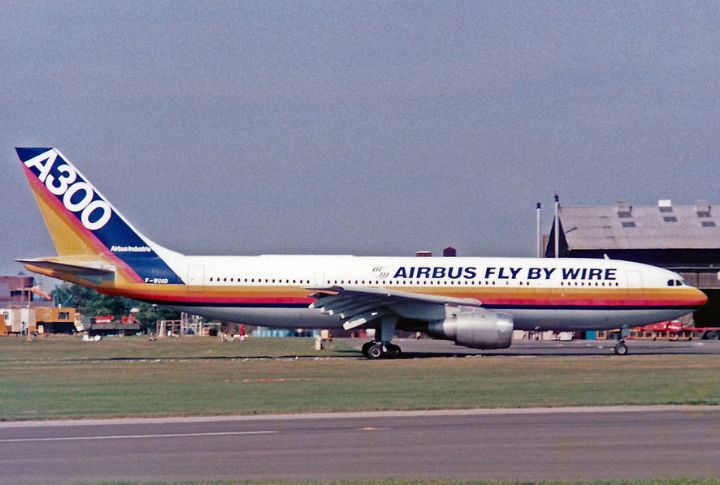
One of the more interesting differences between the two is the philosophy used to construct the aircraft. Boeing believes in a pilot-driven approach, where the pilot can make decisions independently from the aircraft. But the Airbus system automates and limits the plane’s actions to avoid accidents, featuring a fly-by-wire system that blocks dangerous maneuvers.
8. Technological Advancements
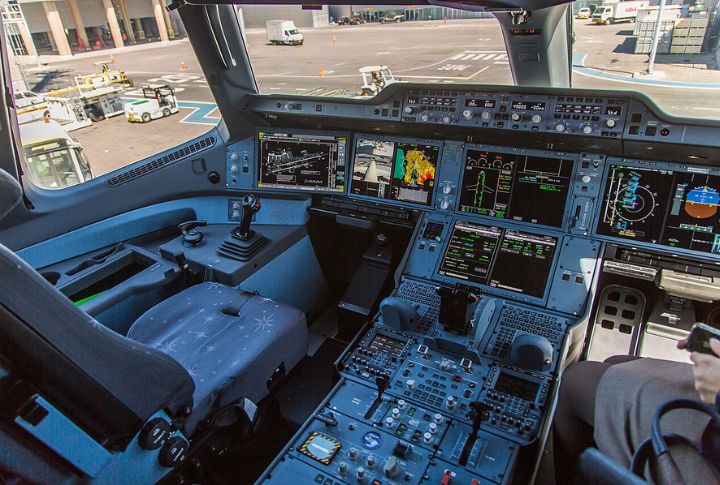
Airbus has been a pioneer in fly-by-wire technology and continues to innovate with systems like the A350’s touchscreen cockpit displays. Boeing, known for its durable and reliable designs, integrates technology that enhances safety, like the advanced avionics in the 787.
9. Fuel Efficiency and Range
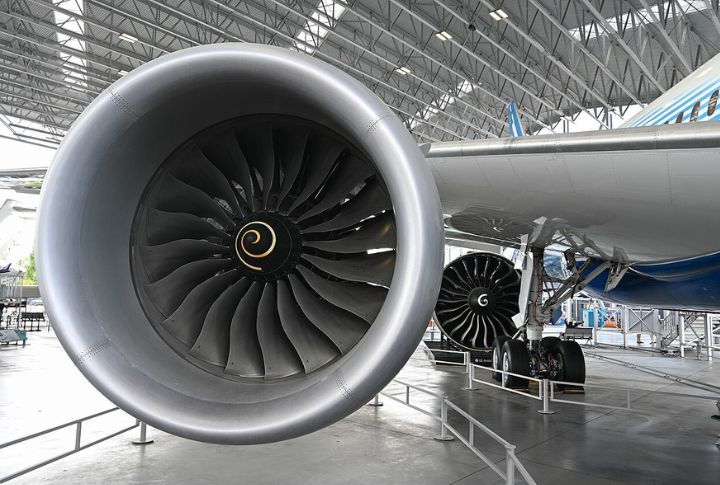
Both aircraft have impeccable range, but the Airbus is slightly ahead of the Boeing, boasting a flight range of up to 8,000 nautical miles. But Boeing takes the lead when it comes to fuel efficiency, using a composite fuselage and advanced engines that reduce fuel burn by up to 20%.
10. Cockpit Controls
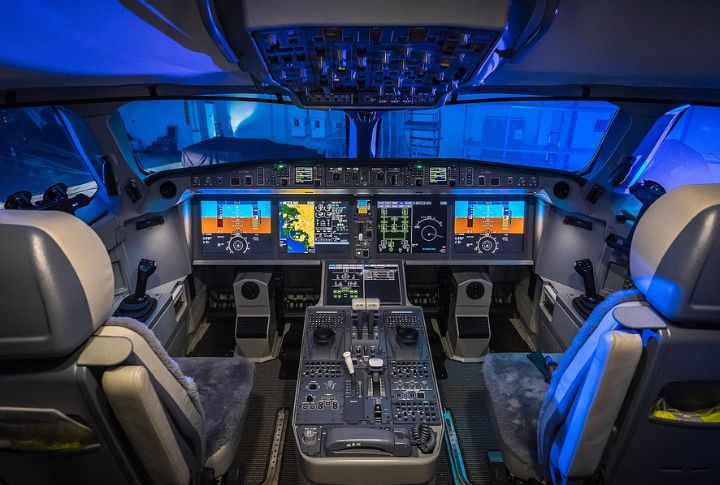
In Airbus aircraft, pilots use a sidestick to control the plane, allowing for more space and easier movement in the cockpit. In contrast, Boeing aircraft, like the 737, use a traditional control yoke, providing pilots with direct feedback from the aircraft’s movements.
11. Flight Control Systems
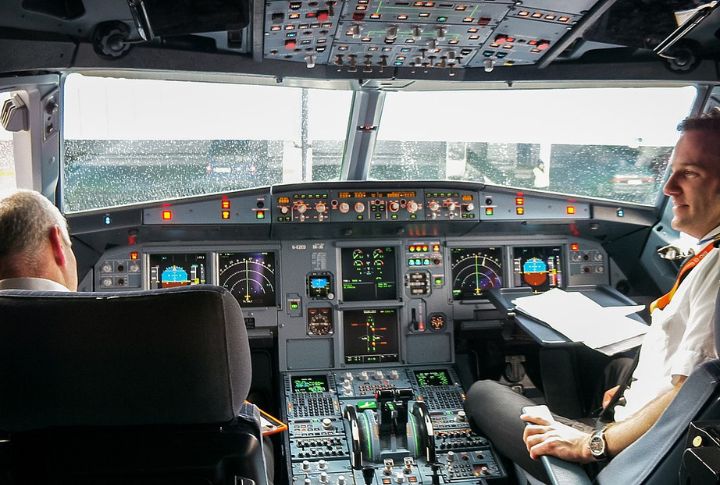
Sometimes, the limit of an aircraft is decided by the skill and precision of the pilot. However, not all aircraft allow that luxury. For instance, Airbus’s flight control system prevents pilots from exceeding the aircraft’s performance limits by automating stall recovery features. But the Boeing allows more manual control, letting pilots make decisions without software restrictions.
12. Pilot Training Requirements
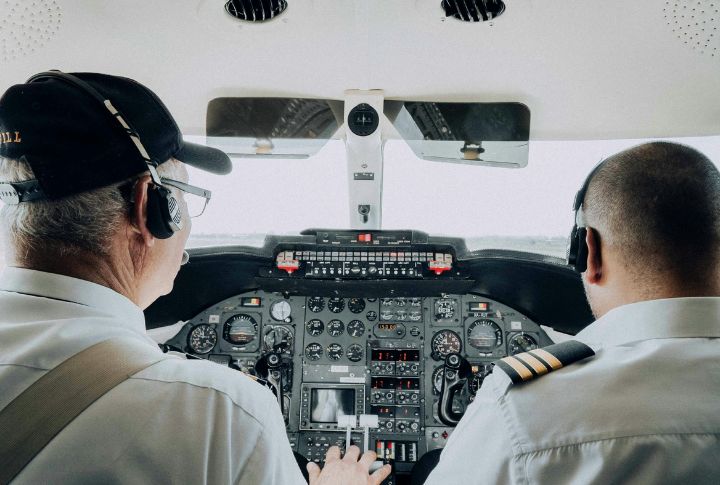
We all know that pilots go through a rigorous training period before they can command an aircraft. But the training also depends on the make and model of the machine. Airbus’s sidestick and fly-by-wire technology require pilots to learn specific automated systems, while Boeing’s traditional yoke and manual control systems focus more on hands-on flying skills.
13. Safety Features and Records
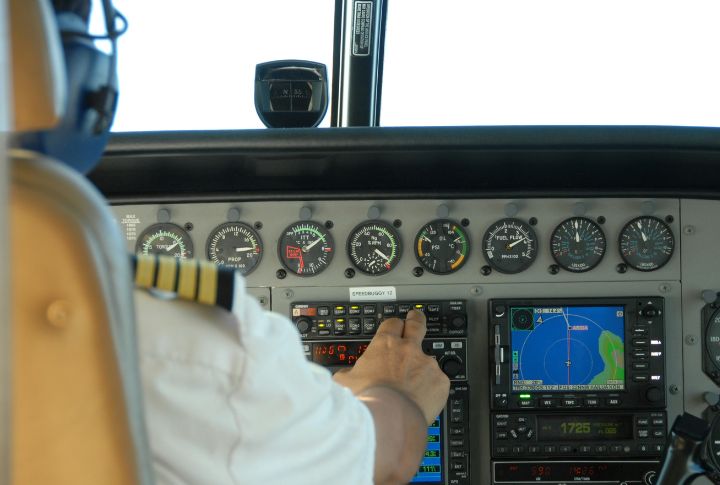
Both Airbus and Boeing have strong safety records, but their approaches differ. Airbus relies heavily on automated connections and multiple repetitions to prevent errors, while Boeing emphasizes pilot skill and judgment, putting more faith and effort into the pilots themselves.
14. Customer Preferences and Airline Partnerships
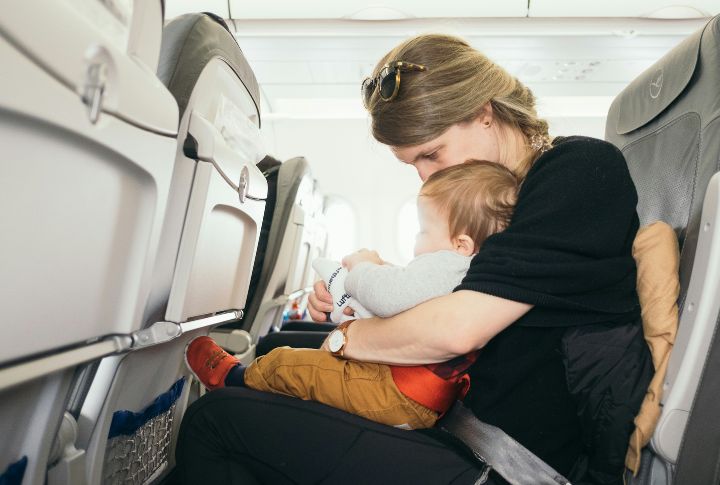
Boeing has long-term relations with a variety of US airlines, making it a favorite of long-distance international carriers. Comparatively, Airbus has a stronger presence in Europe and Asia and tailors its aircraft to meet the needs of airlines in those regions.
15. Impact on the Global Economy

Airbus and Boeing both play significant roles in the global economy, but their impacts are different. Airbus contributes to economic growth in Europe with its dispersed manufacturing model, while Boeing’s centralized production in the U.S. supports American jobs and the economy, particularly in the Pacific Northwest and South Carolina.