$18,358 License Plate Sock Scam Unraveled by Port Authority Police
The Port Authority Police Department was watching for toll evaders in the Holland Tunnel last Friday when officers noticed something truly bizarre. Was that white Mercedes hiding its New Jersey license plates with…old socks?
With so many toll plazas transitioning from live booth operators to license plate scanners, toll evasion is increasingly common. Drivers try all kinds of methods, from painting over certain letters or numbers to wrapping their plate in reflective tape in hopes of tricking the automatic license plate readers.
When these drivers successfully dodge the toll, it eventually just makes tolls more expensive for everyone else. So the PAPD monitors all six Hudson River crossings to “ensure fairness for all who travel through them.” And that’s how officers caught one driver pulling the wool over their eyes.
Port Authority Police officers unravel bizarre sock-based plot
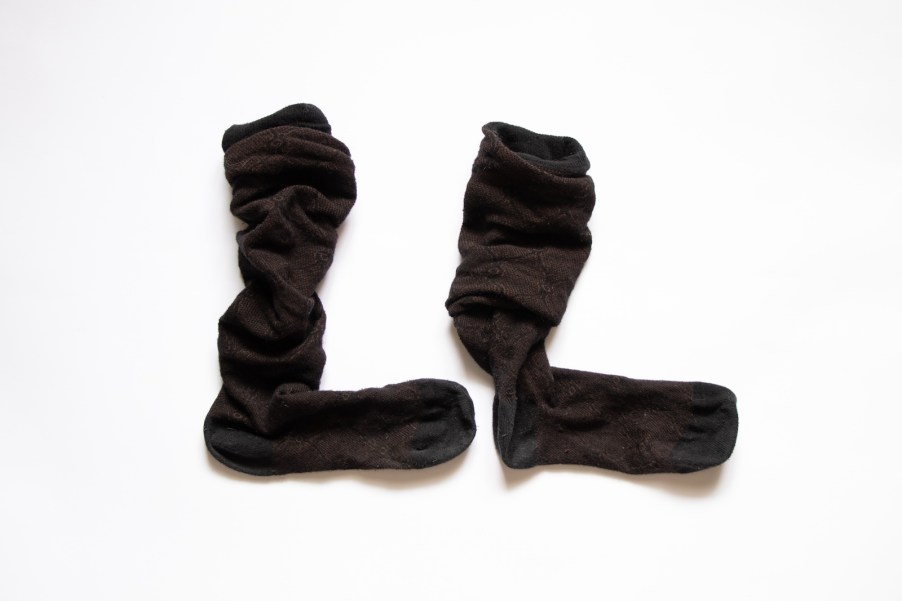
It appears the 51-year-old Jersey City man had removed his Mercedes-Benz’s license plate, wedged several black socks behind the plate so they hung in front of the numbers, then screwed the whole stitched-together mess back in place. He wasn’t exactly putting his best foot forward.
The man did not have an E-ZPass transponder, so the toll plaza had to rely on pictures of his plate. With half his plate covered, the photos came back inconclusive. Something smelled musty. So officers went through old footage to see how long he’d been socking it to the PAPD.
They caught 272 violations. That’s quite the load of dirty laundry. The entire bill, with late fees: $18,358.31.
Cops stop the footloose toll evader in his tracks
The officers weren’t having any of the man’s threadbare excuses. They arrested him on the spot and impounded his vehicle. His charges: theft of services, tampering with a government document, driving on a suspended license, and improper display of plates.
The PAPD said, “This incident is one of many that illustrate the PAPD’s ongoing effort to hold drivers accountable and protect the revenue that supports our vital regional infrastructure.”