12 Legendary Twin-Engine Fighters From WW2
Twin-engine fighters were known for the ability to carry heavier armament, making them versatile for various roles such as long-range escort, night fighting, and ground attack. Their dual-engine configuration provides a safety net, allowing one engine to bring the aircraft and its pilot back home if the other fails, which was critical in wartime aviation. Today, we rediscover 12 legendary machines that changed the course of battles and paved the way for advancements in military aviation.
Lockheed P-38 Lightning
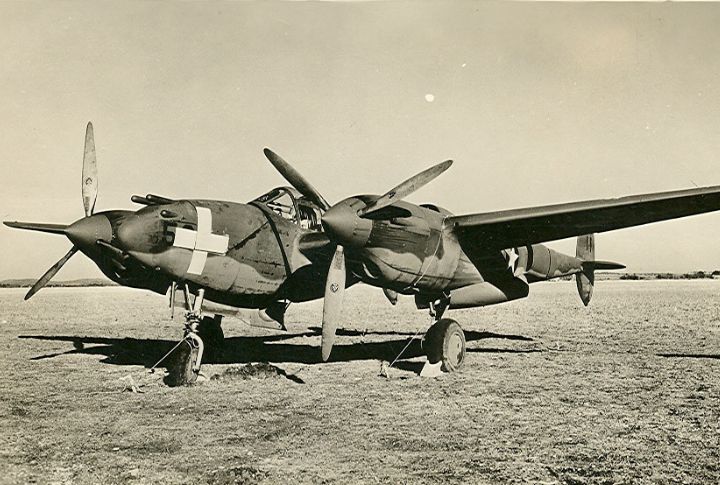
The Lockheed P-38 Lightning stands out as one of World War II’s most distinctive and effective twin-engine fighters. Its unique twin-boom design and central nacelle housing the cockpit made it easily recognizable. The P-38 excelled in various roles, including a long-range escort, reconnaissance aircraft, and ground attack platform.
Westland Whirlwind
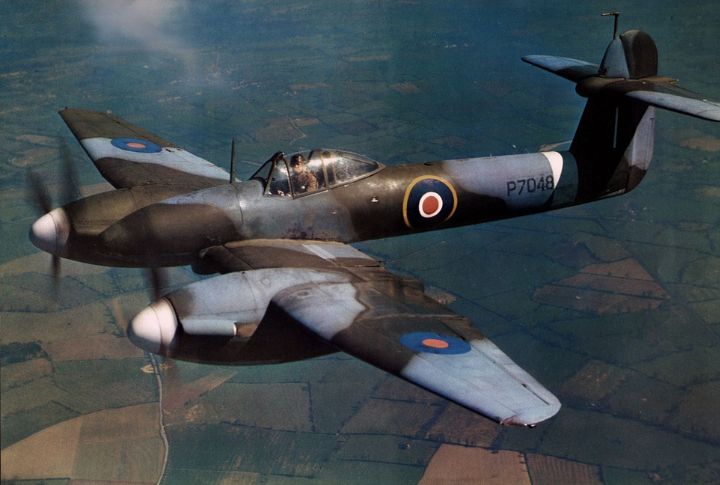
This British twin-engine fighter was one of the fastest aircraft of its time. Thanks to its exceptional speed and heavy armament of four 20mm cannons, it was a potent ground attack and anti-bomber weapon. The Whirlwind faced challenges like engine reliability issues and limited production due to competing priorities within the RAF. Despite setbacks, it played a crucial role in intercepting enemy bombers and providing close air support.
North American B-25 Mitchell
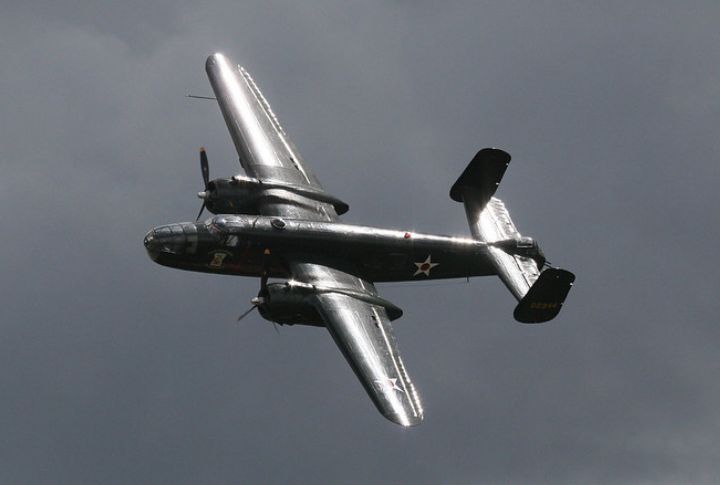
Making its first flight in 1940, the North American B-25 Mitchell was a medium bomber. Its versatility allowed it to perform a variety of roles, including bombing, strafing, and even as a gunship with heavily armed variants like the B-25H and B-25J. The Mitchell gained fame for its role in the Doolittle Raid, where it became the first American aircraft to bomb Japan, boosting American morale.
Messerschmitt Bf 110
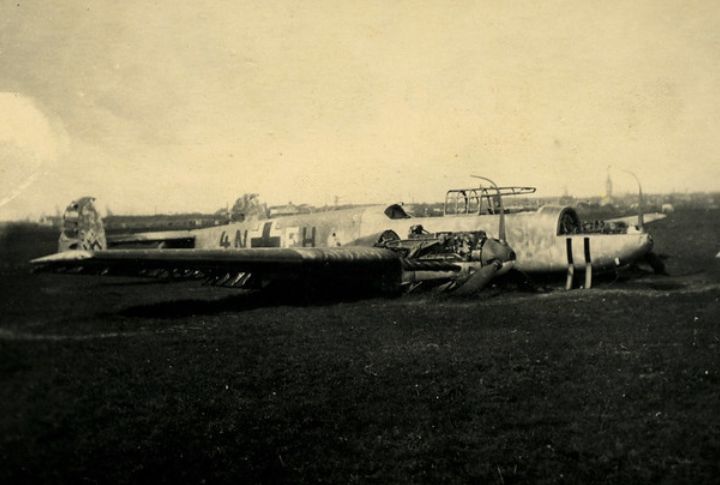
Designed as a “Zerstörer” or destroyer, the Bf 110 was a German twin-engine heavy fighter and fighter-bomber developed before World War II. It was made to be a long-range, heavily armed fighter capable of escorting bombers and engaging enemy aircraft. The Bf 110 initially succeeded in the early war years but struggled against more agile fighters like the Spitfire and Hurricane during the Battle of Britain.
Nakajima J1N1-S Gekko
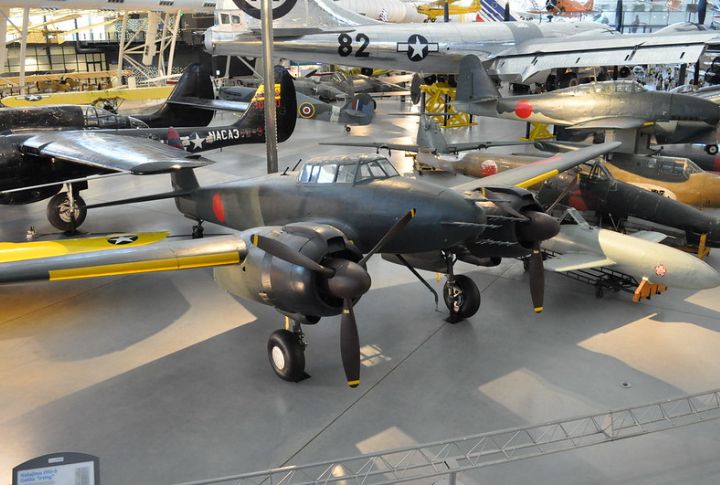
Originally designed as a long-range reconnaissance aircraft, the Nakajima J1N1-S Gekko was a Japanese twin-engine night fighter. The Allies called it the “Irving,” and it was later adapted to counter nighttime bombing raids. It was equipped with radar and upward-firing 20mm cannons, allowing it to attack enemy bombers from below—a tactic that effectively disrupted air operations.
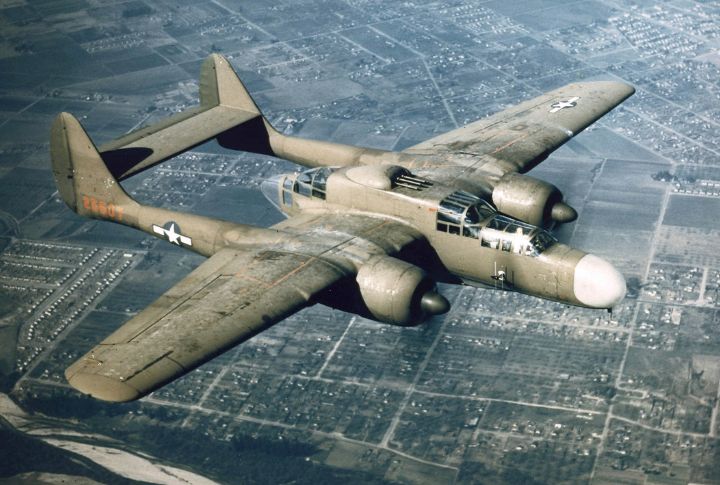
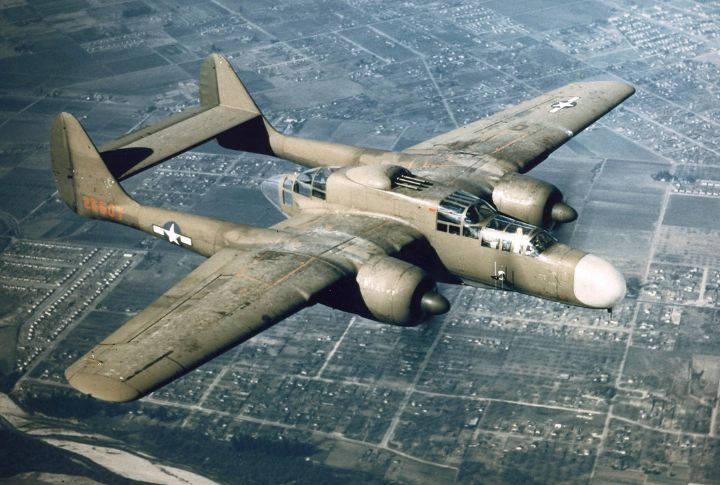
Northrop P-61 Black Widow
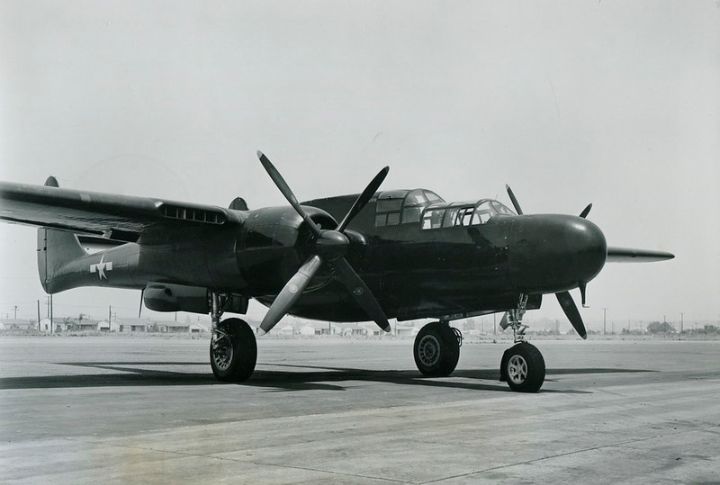
In 1942, the US launched the Northrop P-61 Black Widow as the United States’ first purpose-built night fighter and the only American aircraft specifically designed for night operations. This twin-engine fighter had advanced radar systems to locate and engage enemy aircraft in complete darkness. Its contributions to intercepting and destroying enemy aircraft during nocturnal missions helped secure air superiority and protect Allied ground operations.
Junkers Ju 88
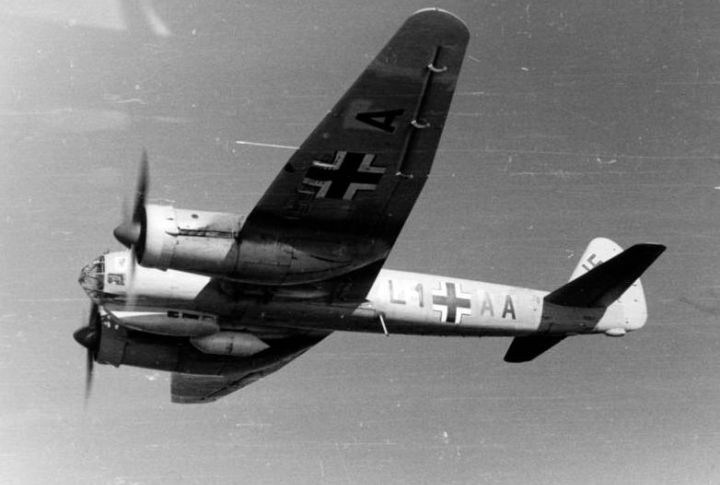
Germany developed the Ju 88 in the 1930s as a “Schnellbomber,” or fast bomber that fighters couldn’t intercept. The plane adapted to various roles, including dive bomber, night fighter, reconnaissance aircraft, and torpedo bomber, becoming one of the Luftwaffe’s most widely used aircraft. The Ju 88’s speed and maneuverability allowed it to strike at key targets deep within enemy territory.
Heinkel He 219 ‘Uhu’
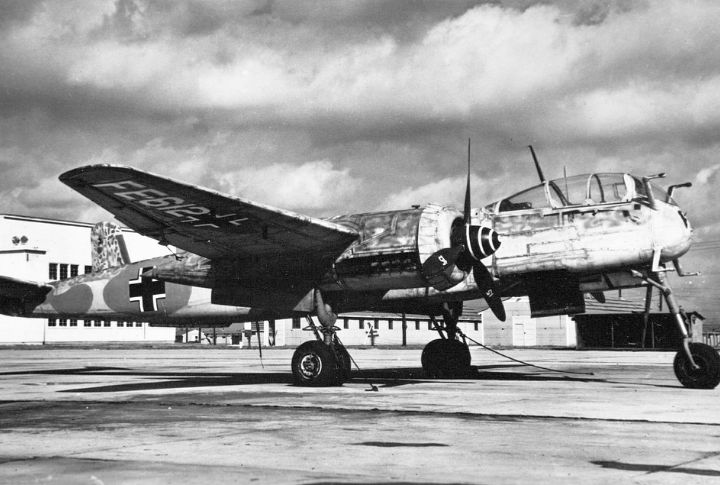
The “Eagle Owl” or Heinkel He 219 ‘Uhu’ was a sophisticated aircraft that took part in later German military operations. It was one of the most advanced models designed explicitly for nocturnal operations, with advanced radar systems and a potent armament of cannons and machine guns. The twin-engine configuration provided the power and reliability necessary for extended nighttime patrols.
Grumman F6F Hellcat
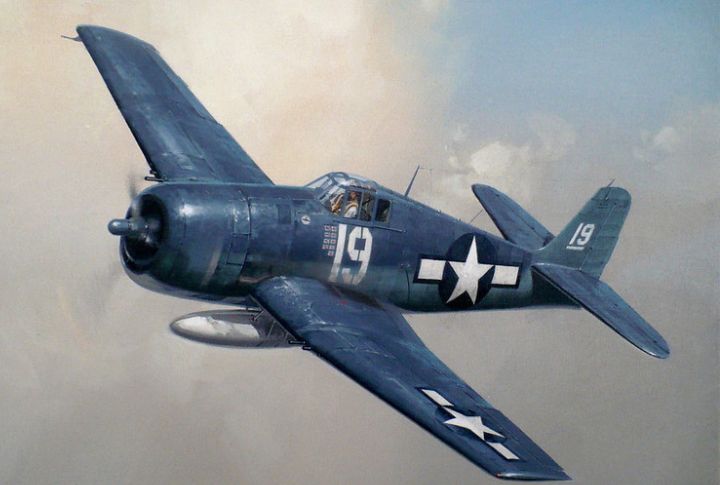
In the second half of the Pacific War, the US launched the Grumman F6F Hellcat to counter the Japanese Mitsubishi A6M Zero. It was a carrier-based fighter aircraft known for its ruggedness, firepower, and effectiveness in aerial combat. The design emphasized ease of maintenance and durability, allowing it to withstand the harsh conditions of naval warfare.
Kawasaki Ki-45 Toryu
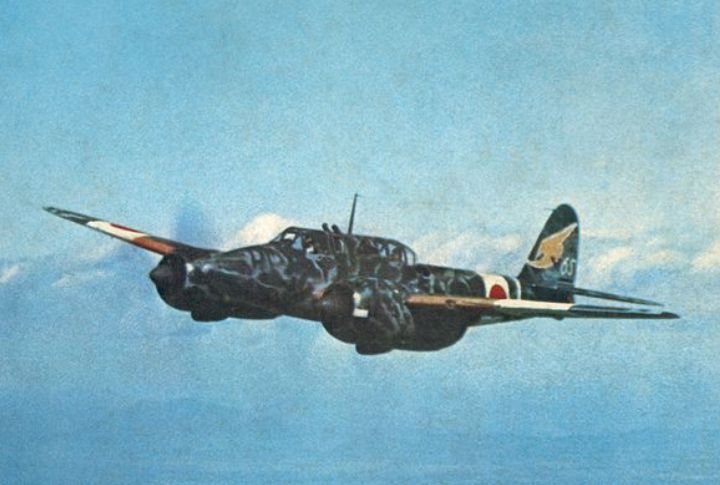
Known as the “Toryu” (Dragon Slayer) by the Japanese, it was a twin-engine heavy fighter and reconnaissance aircraft utilized by the Imperial Japanese Army Air Service. Noted for its firepower, including heavy machine guns and cannons, this was effective against air and ground targets. Its long range allowed it to operate effectively over vast distances, contributing to Japanese defense strategies in the Pacific and Southeast Asia.
Bristol Beaufighter
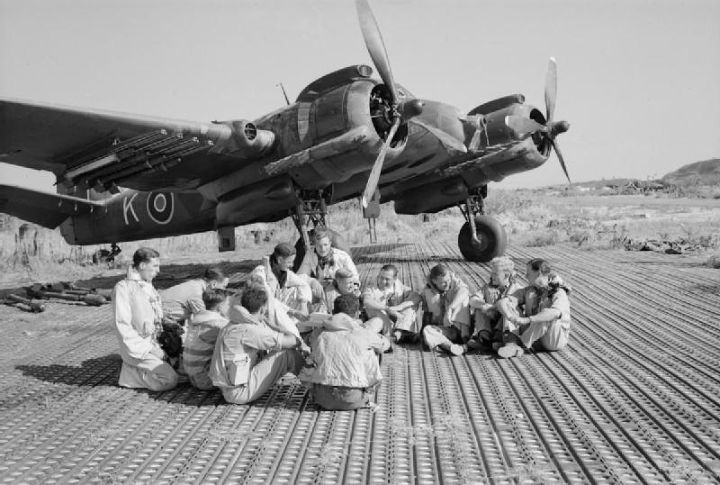
Making its first flight in 1939, the Bristol Beaufighter was used extensively by the RAF during World War II. This British twin-engine multi-role aircraft also took part in the Greek Civil War and was used by Portugal, the Dominican Republic, Turkey, and Israel air forces. The Beaufighter was originally developed as a heavy fighter but was also used as a night fighter, torpedo bomber, and ground attack aircraft due to its versatility.
de Havilland Mosquito
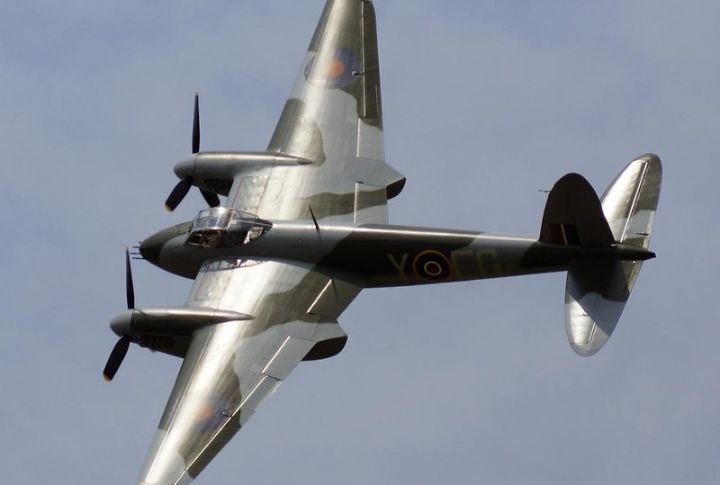
Britain designed the de Havilland Mosquito mostly of wood. It was a multi-role aircraft that gained popularity during World War II for its versatility and performance. Nicknamed the “Wooden Wonder,” the Mosquito was a bomber, fighter-bomber, night fighter, reconnaissance aircraft, and pathfinder. Its effectiveness stemmed from its combination of speed, maneuverability, and firepower.