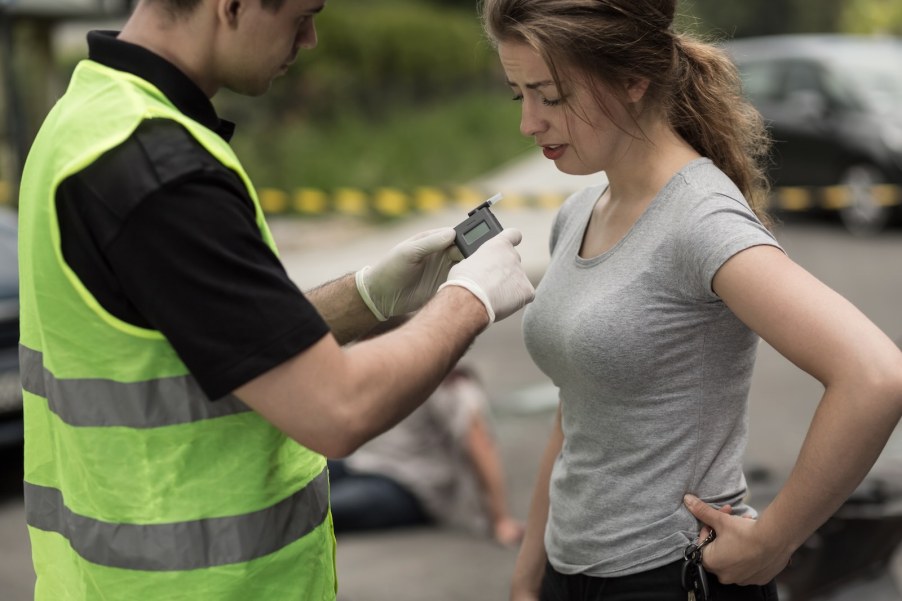
Lawyer reveals why you want to refuse a roadside breathalyzer test
So you get pulled over by the police late at night. The officer shines a light in your eyes and asks a bunch of pointed questions, then they stick a breathalyzer in your face. You must take the roadside breathalyzer test, right? Not so fast. Attorney Andrew Flusche explains that in most states, there are no penalties for refusing this test. “The entire point of roadside tests is for the officer to determine if he has enough probable cause to arrest you for a DUI,” Flusche says. Here’s what you need to know before you blow.
Two types of breathalyzer tests–and why it matters
If you’re looking for legal advice, consult a lawyer in your state. But here’s the basic breakdown: not all breathalyzer tests are created equal. Thus, the roadside test is rarely required.
1. Roadside breathalyzer test (handheld): These portable devices are less accurate because officers only calibrate them monthly at best. They help officers gather evidence for an arrest based on suspicion of a DUI.
2. Station breath test (desktop): Used after an arrest, these machines undergo strict testing before and after each use. They’re considered reliable enough to hold up in court.
Roadside breathalyzer tests are not designed to confirm guilt. Instead, officers use them to decide whether to arrest you. Flusche emphasizes, “If you agree to the roadside breath test, it’s one more piece of evidence they can use against you.” But in most states, refusing this test won’t lead to penalties.
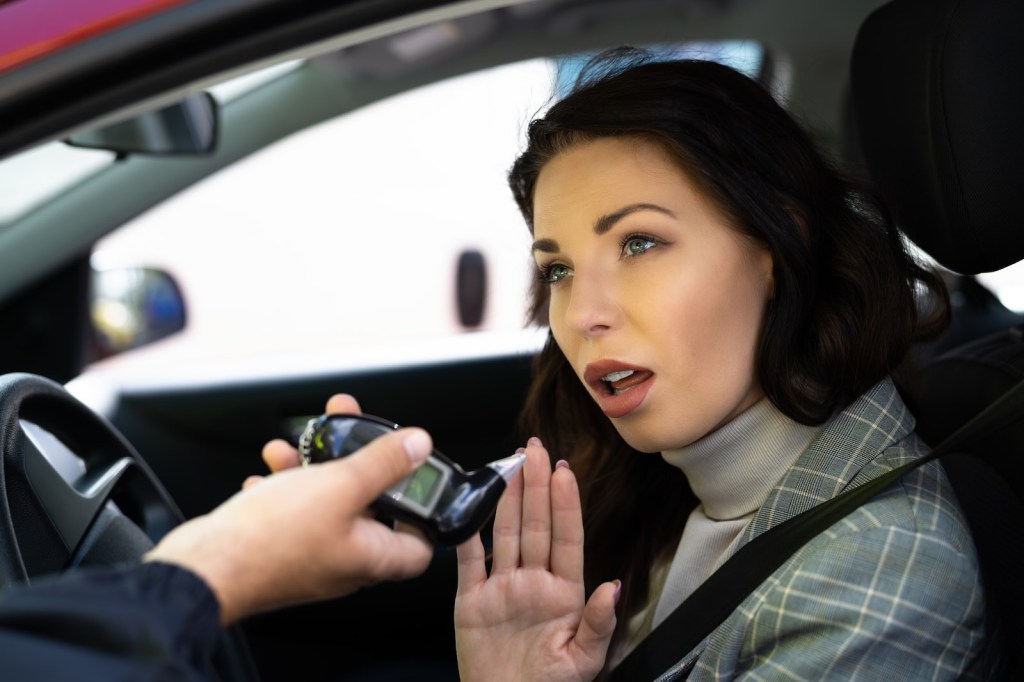
There are, however, exceptions. A few states—including Alaska, Michigan, Montana, and Indiana—penalize drivers for refusing roadside breath tests. “Many of these special states impose a very minor punishment for refusing the roadside breath test because they know the test is not very accurate,” Flusche notes. Indiana is unique: refusing the test becomes a criminal offense if the officer suspects you were involved in a fatal crash.
Note that even if you refuse a roadside test, you can still be arrested based on other evidence. This can include slurring your words, having alcohol on your breath, driving erratically, or just admitting you have been drinking.
The consequences of refusing a station test
Once you’ve been arrested, the stakes change. In every state, refusing a station-administered breathalyzer violates implied consent laws. These laws mean that by driving, you’ve already agreed to take the test if asked. Refusing can lead to license suspension, steep fines, or even jail time.
Stay calm and know your rights. In most states, refusing a roadside breath test is perfectly legal and can prevent officers from gathering unnecessary evidence. But if you’re arrested, refusing the station test will almost always make things worse. Flusche’s advice? “The best way to never get a DUI: don’t drink and drive.” Always consult a local lawyer for advice on handling DUI stops in your state.