Kia is working on PHEVs that can get 60 miles of electric range
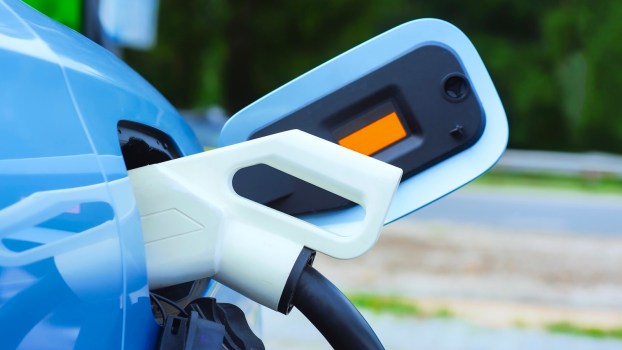
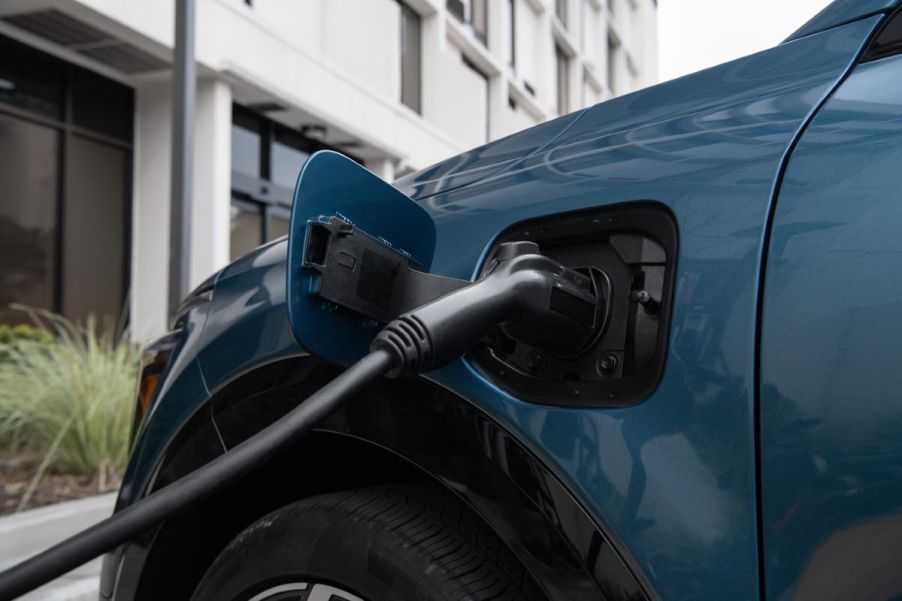
PHEVs, or “plug-in hybrid electric vehicles,” are a great way to experience both propulsion methods. On one end, plugging in and charging the EV battery helps people realize charging isn’t as difficult as people assume it is. To keep anxiety at bay, the gas-powered motor is there for peace of mind and to improve efficiency.
When both work in tandem, though, many PHEVs get over 40 miles to the gallon combined. Several have an all-electric mode where the driver can use the EV battery alone with a typical range of 20-25 miles of range. No one’s making any lengthy road trips on the EV battery, but it’s great for around town.
Kia has been making standard-setting changes to the typical PHEV setup you just read. For one, many of Kia’s PHEVs have up to 34 miles of all-electric range, and they’re working on producing models that can go up to 60 miles. That means Kia would beat the Toyota Prius Prime’s top score of 45 miles on the battery.
It all comes down to battery technology
Steve Center, the DEO and Executive Vice President for the Korean automaker, spoke with a Green Car Reports writer at the Los Angeles Auto Show. He told the reporter that it would only take “a couple of years” for the company to offer PHEVs with those range figures.
The secret sauce is the EV battery. Right now, the battery that generates the 34 miles of electric driving is heavy. As battery tech improves to make batteries lighter and more efficient, Kia’s hybrids can go further.
Center also said that while Kia is putting a lot of time, effort, and money into PHEVs and EVs, they’re continuing to refine standard hybrids and gas-powered engines, too. That’s because those models continue to lead the top of the sales board.
“We’re working on the supply chain to increase what we need for hybrids,” said Center. “Customers want them, dealers will have no trouble selling them, and it’s better for the environment.”
Russel Wager, Kia’s marketing director, reiterated that companies can push EVs on customers as much as they want – but the customer is always right.
“We don’t have a goal, and the reason we don’t have a goal is the customer is going to determine,” he said. “That’s why we have three choices so that if the customers are saying we want more hybrids, we’ll build more hybrids.”