‘All that metal is sitting in the engine’ Jeep owner shares his #1 longevity hack, but is it legit?
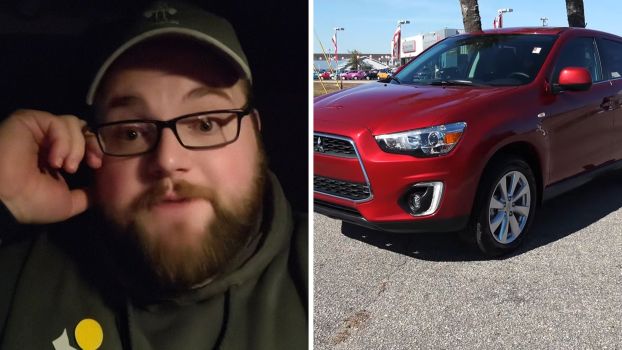
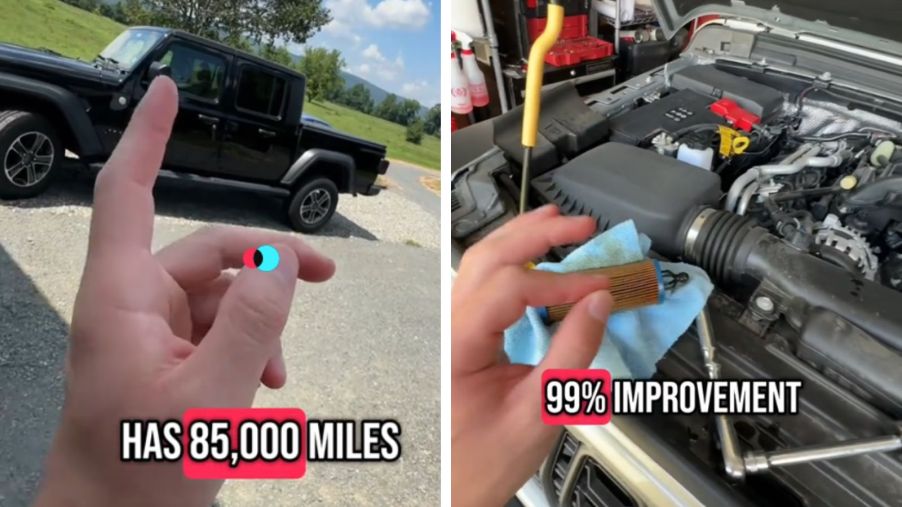
“That Gladiator already has 85,000 miles for a 2021.” Thomas is pointing at the Jeep truck sitting in the driveway. He credits its healthy engine, and the future health of his brand-new Gladiator Sport he just serviced in the garage, with a simple trick. But it might not actually make all that big of a difference.
TikToker says to change your new Jeep’s engine oil between 500 and 1,000 miles
Thomas explains via his TikTok handle, @carsrme2, that his secret to a long Jeep life is changing the oil and oil filter early and often. Really early. And really often.
In his video, Thomas says he swapped the filter and drained the oil at 1,000 miles. Then he did it again at 2,400 miles.
The logic is to “rid” the oil system of metal shavings created during the engine’s break-in period
According to him, this step protects the engine long-term and gives you a clean baseline for future maintenance. The thing is, Thomas is probably about 50 years behind the times, here.
Changing the engine oil that soon does sound logical
After all, Jeeps are not exactly pampered. They are built for off-road work, trail days, towing boats, and surviving things that would make a Camry cry.
Let’s break down what really affects Jeep engine longevity. Then we can figure out if this TikToker is onto something or just playing it safe.
The 3.6L Pentastar V6, used widely across Jeep’s lineup in 2025, is generally a durable engine
But it’s not without its sore spots. One of the most common long-term complaints centers around valvetrain noise and failure, particularly involving rocker arms and lifters.
When these components wear prematurely, they can cause ticking sounds that, if ignored, lead to camshaft damage.
Jeep has revised these parts over the years, but even the latest versions can be vulnerable if oil changes are delayed or the engine is run low on oil.
Another weak link is cooling system reliability, especially in Wranglers and Grand Cherokees.
The Pentastar’s water pump and thermostat housing have both been known to fail earlier than expected. Combine that with heat buildup from off-roading or stop-and-go traffic, and you have a recipe for early head gasket strain.
The engine bay packaging doesn’t help either. In tight compartments, heat soak worsens, and fluid leaks can go unnoticed.
Many of these issues trace back to neglected maintenance or using incorrect coolant and oil grades, not just bad design. But the margin for error is slimmer than many owners assume.
Is that early oil change really necessary?
In my opinion, no. Jeep and Stellantis don’t recommend it. There’s no mention of a 500-mile oil change in the owner’s manual.
However, it’s not unheard of for owners to do it between 2,000 and 3,000 miles, for the exact reason Thomas explains.
Still, most new Jeep engines are set for their first service between 7,500 and 10,000 miles. Even if you drive in severe conditions, the earliest you will be told to change the oil is around 3,500 miles.
Thomas probably got this “hack” from legacy habits or from build/rebuild culture. That early oil change is still a common step during engine break-in on hand-built or high-performance motors.
But most Jeep buyers are in factory versions, not driving crate builds.
A few commenters do support his theory
“When I got my ford maverick new in November, I changed the oil at 750 miles. The metal in the oil was ridiculous. The second oil change I did at 2500 & it was 98% better. I religiously change my oil every 4K miles now with synthetic. I’m at 9400 miles in 9 1/2 months w/o any problems.”
“Those initial chunks are from breaking it in, it is normal on a new engine that’s bedding into the block, head, crank etc… I have a 3.6L V6 and it’s awesome! Just gotta change the oil and maintain!”
“my 2019 cherokee has the 3.2L, I change oil religiously every 3-4k miles, currently have 192k miles and still runs great!!”
So, is he right? Maybe a little…
To be clear, early oil changes don’t hurt. If you plan to keep the Jeep for 15 years or more, changing it at 500 or 1,000 miles could be a form of cheap insurance. Some owners like having that fresh oil early just for peace of mind.
But for most people, it’s not necessary. The filters are good enough to catch any small particles. The factory oil is made to handle the break-in period. Skipping the 500-mile change probably won’t shorten your engine’s life.
Final verdict: He’s not wrong. Just a bit overcautious. But when it comes to Jeep owners, that is pretty normal. Speaking from personal experience, here.
MotorBiscuit reached out to @carsrme2 via TikTok direct message for comment.