15 Japanese-badged cars that will slip by Pr. Trump’s tariffs
Our roads are full of cars with Japanese badges on their hoods, but that doesn’t mean they’re a foreign import–or subject to tariffs. In fact, some of the most “American-made” cars on sale today come from Toyota and Honda. And yes—President Trump’s new tariff might give them a serious edge over the vehicles Detroit investors build in Mexico.
Which Japanese car models could dodge the Trump tariff?
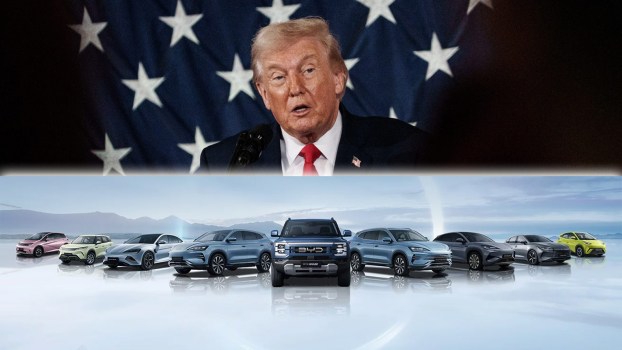
President Trump’s new policy slaps a 25% tariff on all foreign-assembled cars and key auto parts–including Japanese assembled vehicles. “We’ll effectively be charging a 25% tariff,” Trump told automakers from the Oval Office. “But if you build your car in the United States, there is no tariff.”
That means models built stateside—regardless of brand—could escape a price hike. And when it comes to Japanese brands, several of them are more “domestic” than you’d think. During past tariffs on vehicle segments such as midsize pickup trucks, most Japanese manufacturers invested in plants in the USA.
According to the 2024 Cars.com American-Made Index, the Honda Passport, Honda Ridgeline, Toyota Camry, and even the Toyota Tundra all rank among the top 15 most American-made vehicles. These are assembled in Alabama, Kentucky, Indiana, and Texas. Here’s the list of the top 15 most “American-made” vehicles with “Japanese” badges:
- Honda Passport (No. 2 overall) – Built in Alabama.
- Honda Odyssey (No. 5) – Built in Alabama.
- Honda Ridgeline (No. 6) – Built in Alabama.
- Toyota Camry (No. 7) – Built in Kentucky.
- Lexus TX (No. 10) – Built in Indiana.
- Honda Accord – Just outside the top 10, built in Ohio.
- Honda Pilot – Also made in Alabama.
- Acura RDX – Built in Ohio.
- Acura MDX – Built in Ohio.
- Acura Integra – Built in Ohio.
- Acura TLX – Built in Ohio.
- Toyota Highlander – Built in Indiana.
- Toyota Grand Highlander – Built in Indiana.
- Toyota Tundra – Ranked No. 20, built in Texas.
- Honda Civic – Some U.S. production (Indiana)
The Toyota Camry hails from Kentucky
So what’s the twist? The Toyota Camry, long crowned America’s favorite sedan, isn’t just reliable—it’s patriotic. Built in Georgetown, Kentucky, the Camry helped Toyota become one of the most U.S.-based Japanese automakers. According to Toyota, “The 9,000-plus team members at the plant can produce up to 550,000 vehicles and 600,000 engines a year.” In fact, it’s Toyota’s largest factory on the planet.
The White House fact sheet backing the new tariffs argues, “Only 25% of the vehicle content can be categorized as Made in America.” It warns that foreign car industries have grown thanks to “unfair subsidies and aggressive industrial policies,” while U.S. auto jobs shrank.
But Toyota and Honda don’t just sell here—they hire here. The CBS News report confirms, “About 50% of cars sold in the U.S. are manufactured within the country.” Many of those wear Japanese logos.
Pr. Trump’s tariffs might help Japanese cars–and American workers
The Japanese car tariff is supposed to punish foreign production. But brands like Toyota and Honda have spent decades building factories—and trust—in the U.S. That makes them less vulnerable than Detroit rivals like GM or Stellantis, who outsource many of their models.
In the words of the White House, the tariff “aims to ensure the U.S. can sustain its domestic industrial base.” Ironically, it might end up rewarding the very brands it once targeted.
So next time you see a Camry, remember that even though the badge says Toyota, the workforce says Georgetown. In a world of global supply chains, “Made in America” isn’t about the logo—it’s about where the rubber hits the road.