Is Your Car Battery Running Dry? These 10 Signs Might Confirm It
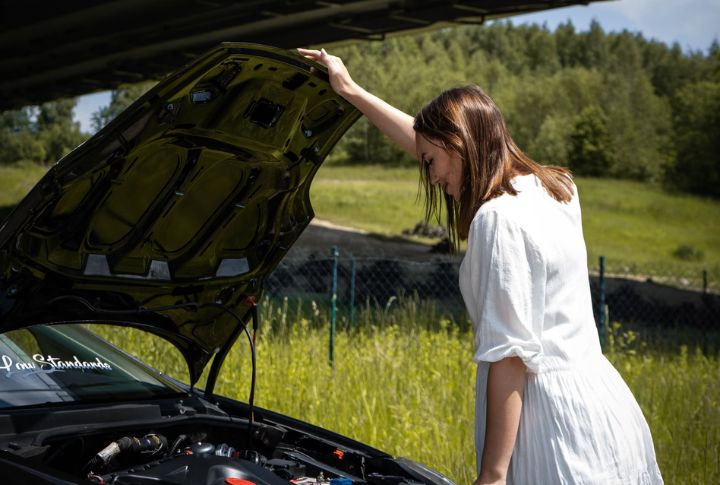
You know how some things just stop working smoothly, and you’re not exactly sure when it started? That’s what it feels like when your car isn’t acting quite right. And then you start noticing all the tiny details you usually ignore. So, if you suspect your battery’s drying out, these ten signs can tell you it’s time to add water.
Dimming Headlights
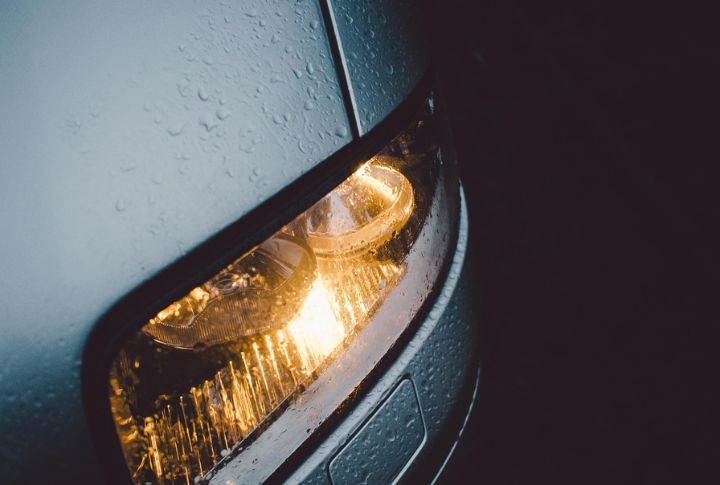
If your headlights seem unusually dim, it might not be your imagination. This is often one of the first signs that suggest your car battery is running low on fluid. Without enough fluid, the battery struggles to deliver proper power, leading to weaker lights.
Slow Engine Start
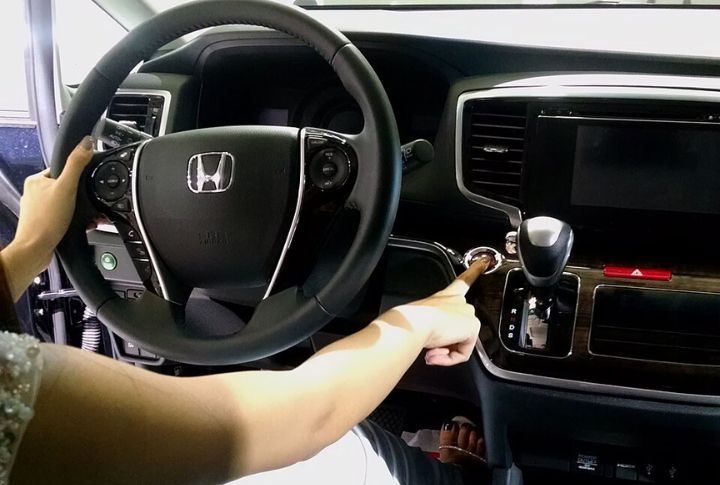
When turning the key feels more like a waiting game, your battery might be to blame. A sluggish engine points to a battery struggling with low fluid levels, as it cannot provide the kick your engine needs to fire up quickly.
Battery Leakage
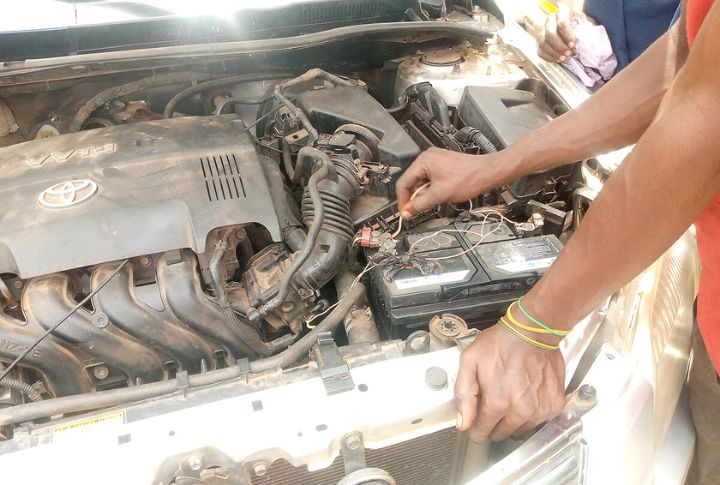
Battery leakage is a clear indication that something is wrong internally. It usually occurs when fluid levels drop too low, causing the battery to overheat and the casing to crack. Leaking acid can also corrode surrounding components and reduce battery efficiency.
Swollen Battery Case
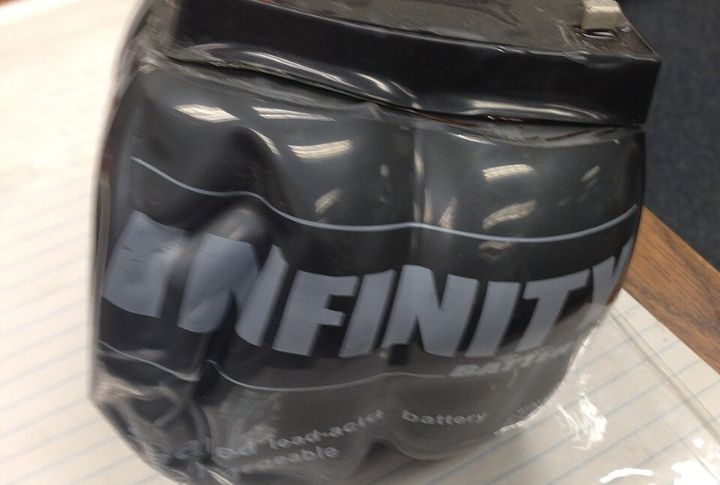
A bloated or swollen battery case typically signals internal overheating, which is caused by low fluid levels. This condition compromises battery integrity and performance. Hence, a swollen case should be addressed promptly to prevent further damage.
Frequent Jump Starts
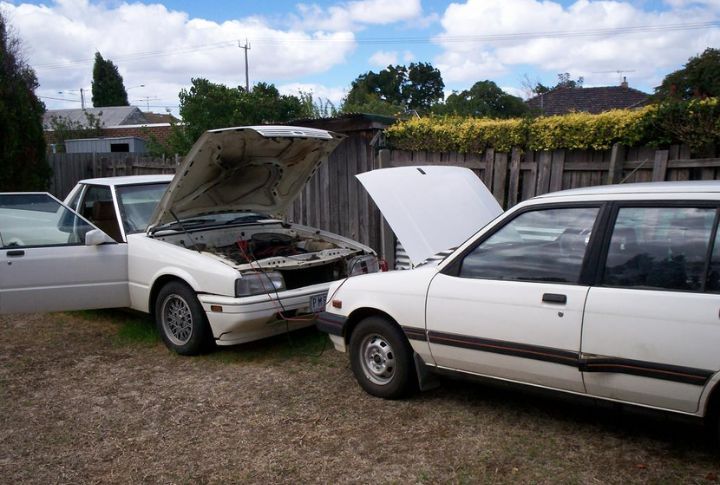
If your car needs a jump start, the battery needs to be checked. Insufficient fluid reduces the battery’s ability to hold, making engine starts unreliable. Repeated jump starts also signal a deeper issue that may require battery maintenance or replacement to restore reliability.
Weak Car Horn

That soft, unconvincing honk is not normal. Low fluid levels reduce voltage output, weakening accessories like the horn. Since the horn depends on a strong current, any drop in power is a clear hint your battery’s performance is slipping fast.
Flickering Interior Lights
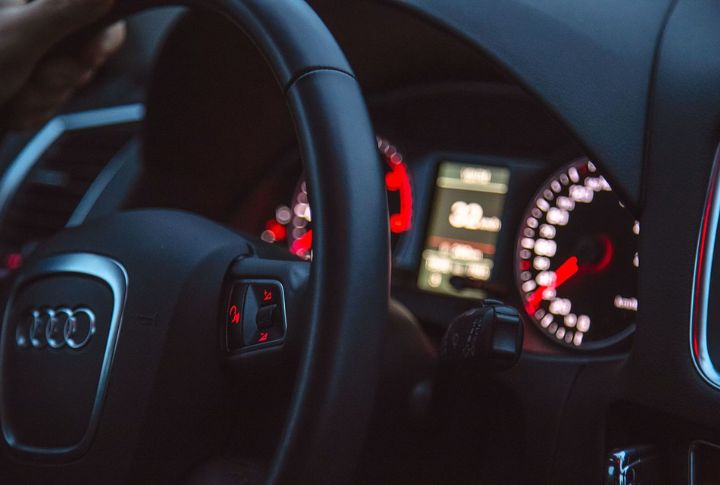
Low fluid levels can reduce the battery’s ability to regulate electrical output, causing disruptions in cabin lighting. Rather than wait for a full electrical failure, have your battery inspected and fluid levels checked. Addressing the issue early can prevent inconvenient breakdowns.
Slow Power Window Operation
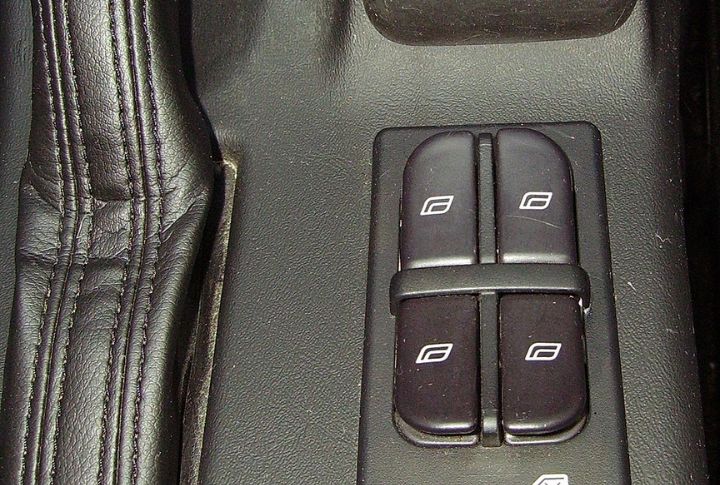
Since power windows require a brief but solid burst of electricity, any drop in battery performance becomes immediately noticeable in their sluggish movement. This symptom is often overlooked because it may appear alongside other red flags.
Low Battery Warning Light
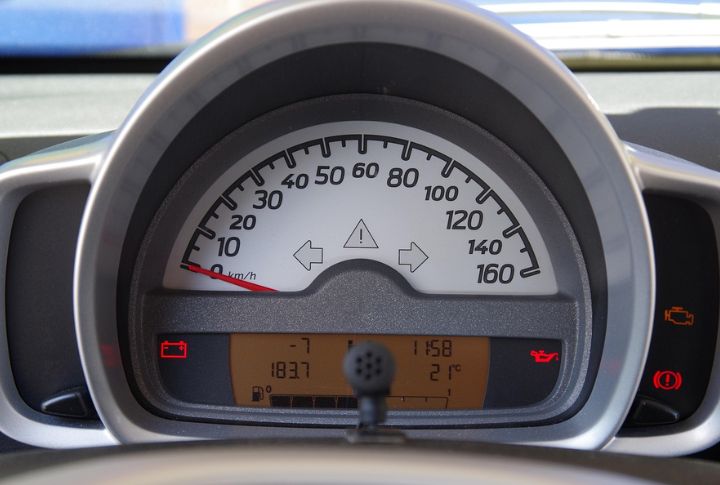
The warning light on the dashboard commonly appears in vehicles with flooded lead-acid batteries, especially when fluid levels drop below optimal. While the light might flicker at first, it typically stays on as the issue worsens. Over time, this warning can lead to poor vehicle performance.
Car Alarm Issues

Unexplained car alarm triggers or alarms that fail to activate altogether can be traced back to a weakening battery. Since the alarm system relies on consistent electrical output—even when the car is off—any power fluctuation caused by fluid loss or internal battery damage can disrupt its performance.