10 Interior Designs That Made Vintage Cars Feel Like Home
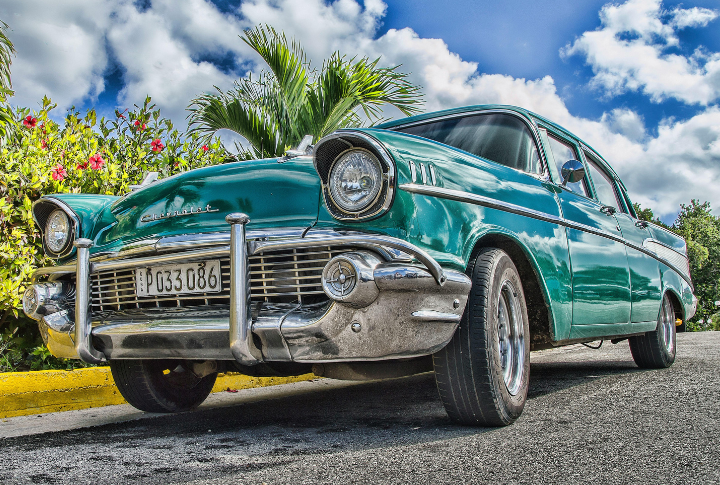
Some old cars made you feel like you belonged inside them, not only behind the wheel. That didn’t happen by accident. Elements like seat fabric and thoughtful extras gave those interiors a real sense of presence. Designers clearly had home life in mind. Maybe that’s why these 10 vintage features still leave a lasting impression.
Plush Velour And Leather Upholstery

Thick velour wasn’t just a material; it shaped the entire mood of 1970s family sedans like the Pontiac Bonneville by softening the ride and surrounding passengers with warmth. Unlike stiff vinyl, it offered a fabric that gently hugged the body during long drives, bringing the feel of a living room into everyday commutes.
Woodgrain Dashboard Accents
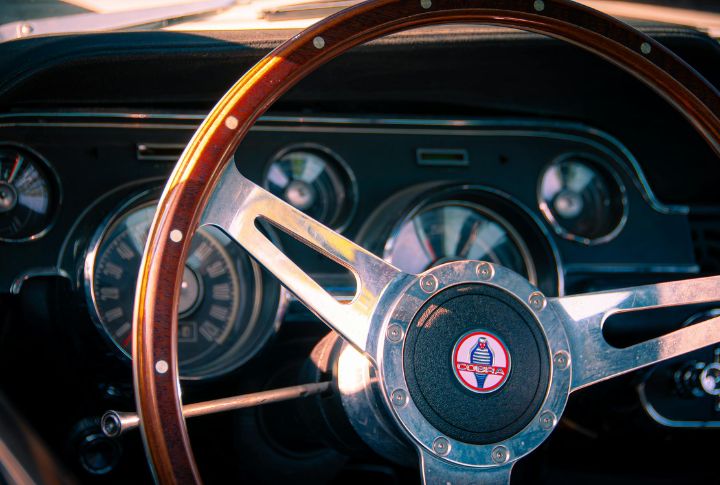
An upscale illusion of luxury came alive through dashboard designs that borrowed the warmth and style of handcrafted cabinetry. Brands like AMC favored molded plastics with printed woodgrain veneers that resembled walnut or oak. They turned otherwise modest sedans into spaces that looked far more refined than their price suggested.
Swivel Front Seats For Easy Access
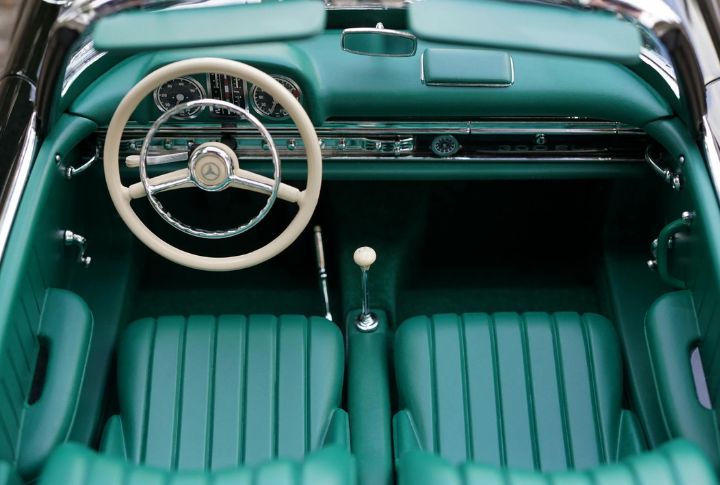
Swivel seats stood out for blending everyday convenience with a sense of elegance as they allowed the front chairs to rotate outward for smoother entry and exit. Popular in upscale Chrysler and Dodge models, this feature added a formal touch to driving that remains rare in today’s more utilitarian interiors.
Ambient Lighting Features
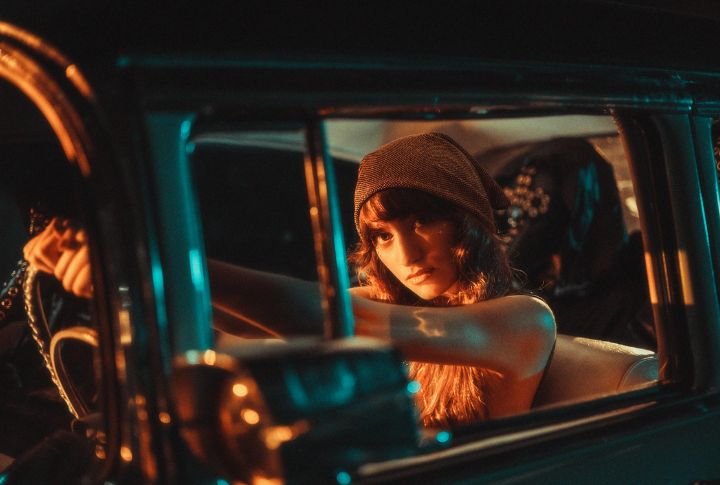
Soft lighting transformed the cabin experience in ways overhead bulbs never could. Chrysler’s Imperial offered a footwell glow that lit up gently beneath the dash. The light stayed soft and consistent and helped the interior feel calm and relaxed, especially during long drives at night.
Integrated Vanity Mirrors And Clocks

Often concealed within rear armrests or styled into visors, vanity mirrors with soft lighting brought a quiet convenience to passengers, while gold-accented analog clocks added rhythm and charm to the dashboard. These graceful details upgraded the ride with an unexpected sense of care and ceremony.
Reversible Seat Cushions For Versatility
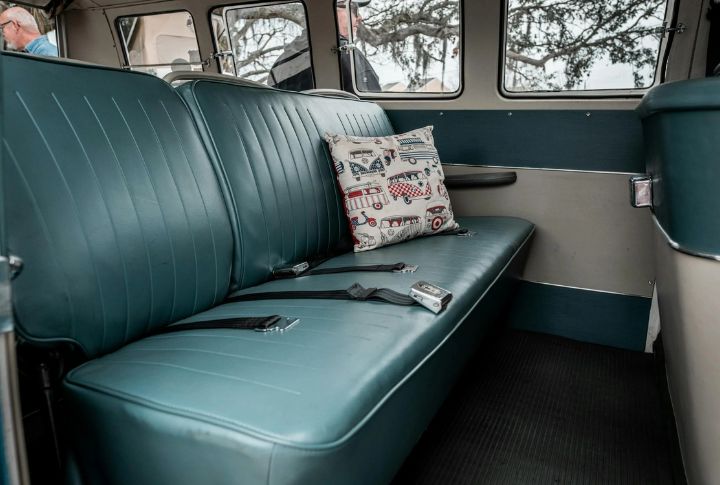
Few interior features demonstrated functional creativity as clearly as the reversible seat cushions introduced in the Packard Caribbean. Drivers could switch between leather and cloth surfaces based on weather conditions or seating preference for an experience that combines practical value with thoughtful design.
Lounge-Like Rear Compartment Amenities
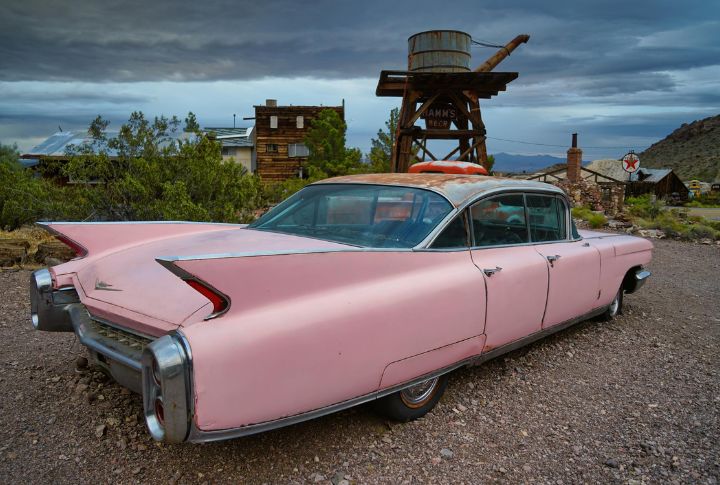
No radio? No problem. Fleetwood Broughams gave rear passengers fold-out tables and separate light switches. Features like these showed a growing respect for comfort and convenience, turning the rear cabin into something close to a rolling office where passengers could enjoy space and ease without feeling like an afterthought.
Attention To Interior Detailing
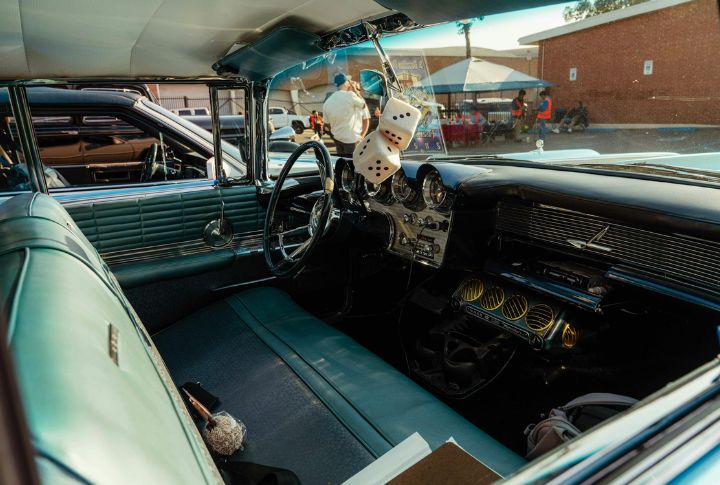
Details like patterned seat inserts and stitched leather-wrapped dashes revealed how much care went into car interiors. The 1965 Oldsmobile Toronado introduced textures drivers could recognize without even looking. Rather than producing bland uniformity, manufacturers offered personality in every panel by ensuring no two trims told the same story.
Use Of High-Quality Materials
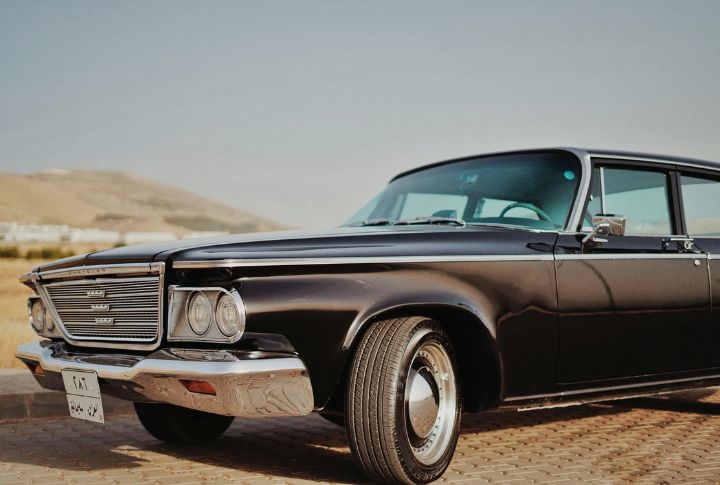
Luxury didn’t rely on flash but on thoughtful choices that made every surface feel intentional and enduring. Designers selected wool-blend carpeting and padded vinyl-wrapped door panels to craft interiors like those in the Chrysler Imperial, attracting collectors who value craftsmanship and lasting durability.
Incorporation Of Home-Like Fixtures
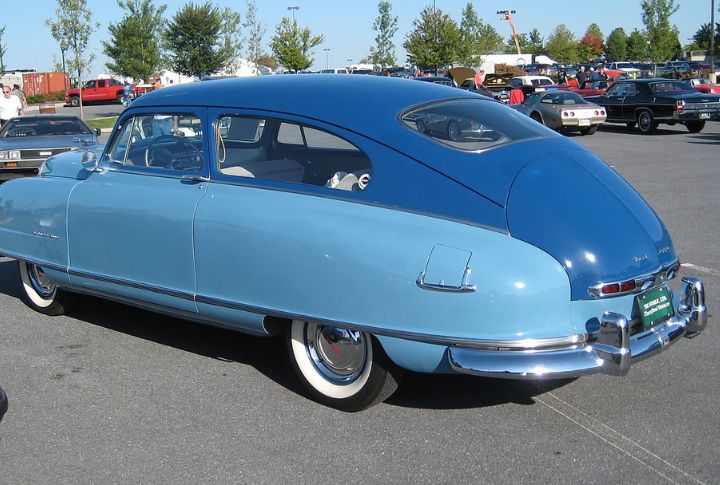
Beds in a car? The Nash Airflyte had drop-down seats that folded flat to create sleeping space for spontaneous getaways. Some versions came with portable stoves and picnic kits to turn the sedan into a rolling guest room. The feeling of home came built into the experience.