10 Iconic Plymouth Cars That Are Still Revered Today
More than machines, Plymouth’s creations became icons. Some packed brute force, while others delivered timeless beauty. These classics weren’t just driven; they made history. Let’s take a ride through ten Plymouth models that every car enthusiast dreams of owning.
1970 Plymouth HEMI ‘Cuda

The 1970 HEMI ‘Cuda was a muscle car legend. Its 426 HEMI V8, officially rated at 425 horsepower, likely produced more. The iconic Shaker hood, bold High-impact colors, and aggressive stance made it unforgettable. Today, well-preserved models sell for six to seven figures at auction.
1958 Plymouth Fury
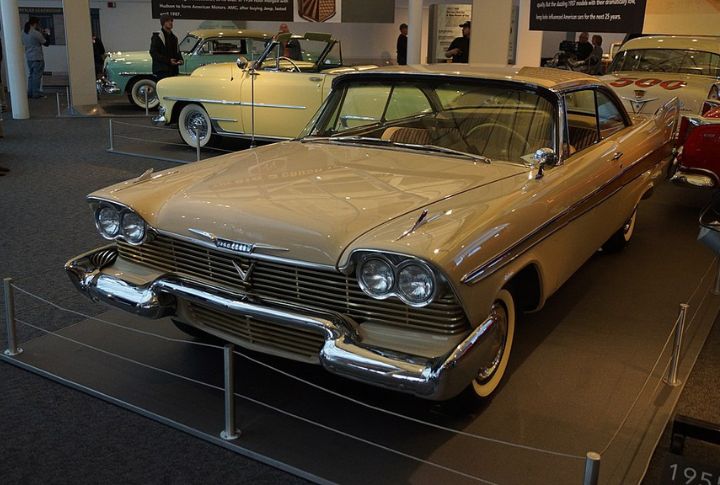
In 1958, the Plymouth Fury redefined American design and performance. It featured bold chrome accents and upgraded trim. The model offered a 318-cubic-inch V8 engine that could produce around 290 horsepower when equipped with dual four-barrel carburetors—a performance option. Immortalized in Stephen King’s “Christine,” the Fury still mesmerizes car enthusiasts.
1968 Plymouth Road Runner
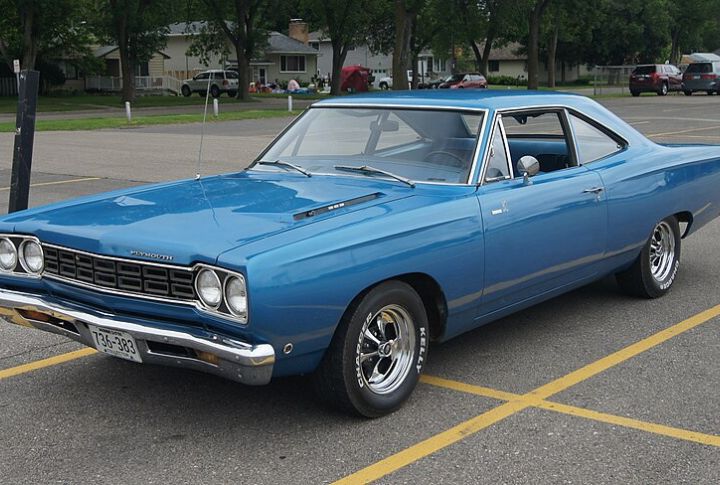
Plymouth built the Road Runner for speed without unnecessary luxury. With a standard 383 V8, optional 426 HEMI, and a straightforward design, it delivers muscle at a lower cost than premium models. Its aggressive stance and raw power made it an icon of affordable performance.
1971 Plymouth GTX

Some muscle cars had brute force, while others had refinement. The 1971 GTX offered both. Its 440 Super Commando V8 delivered thrilling acceleration while premium interiors added comfort. With its menacing grille and bold styling, the GTX proved that power and class could exist in the same machine.
1964 Plymouth Belvedere Max Wedge

Featuring a lightweight body and a brutally powerful 426 Max Wedge engine, the 1964 Plymouth Belvedere was built for drag racing. Though the HEMI soon took over, the Max Wedge still embarrassed rivals on the strip, cementing its reputation as a quarter-mile beast.
1970 Plymouth Superbird
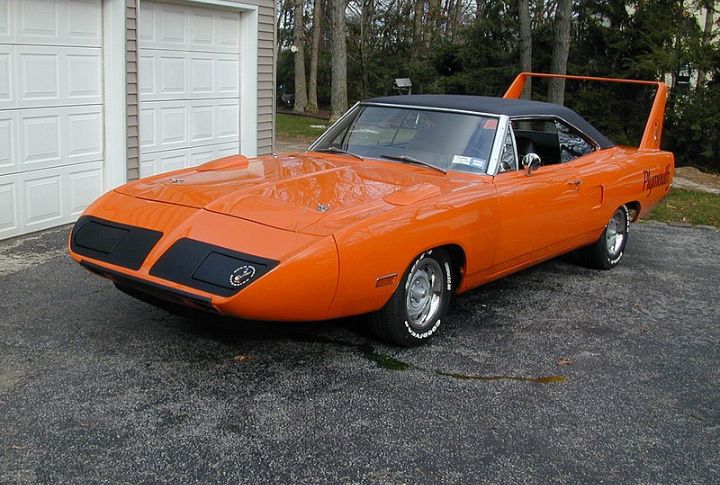
Designed to dominate NASCAR, the 1970 Superbird featured an outrageous aerodynamic nose and towering rear wing. Underneath, a 440 Six Pack or HEMI V8 made sure it wasn’t just for show. Though its looks divided opinions, its purpose was clear: win races and leave rivals in the dust.
1969 Plymouth Barracuda 440
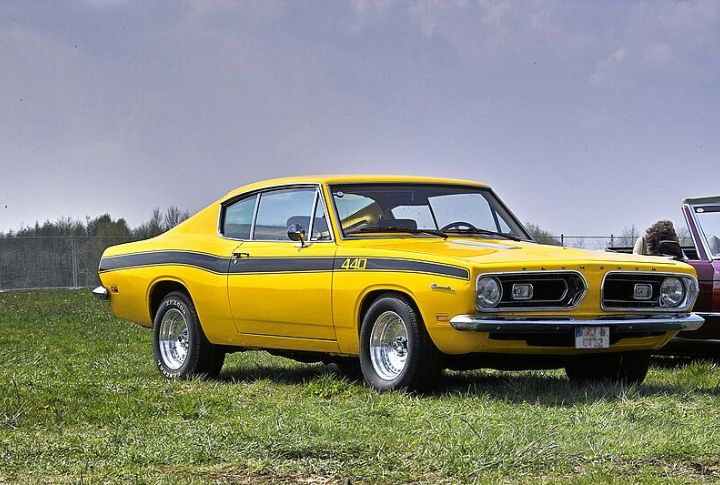
Sometimes, Plymouth threw caution to the wind. In 1969, it crammed a massive 440 V8 into the lightweight Barracuda body, creating a street-legal missile. Power overwhelmed the chassis, and traction was a challenge, but when driven right, it was pure muscle car madness. Only a few were built, making it a rare prize today.
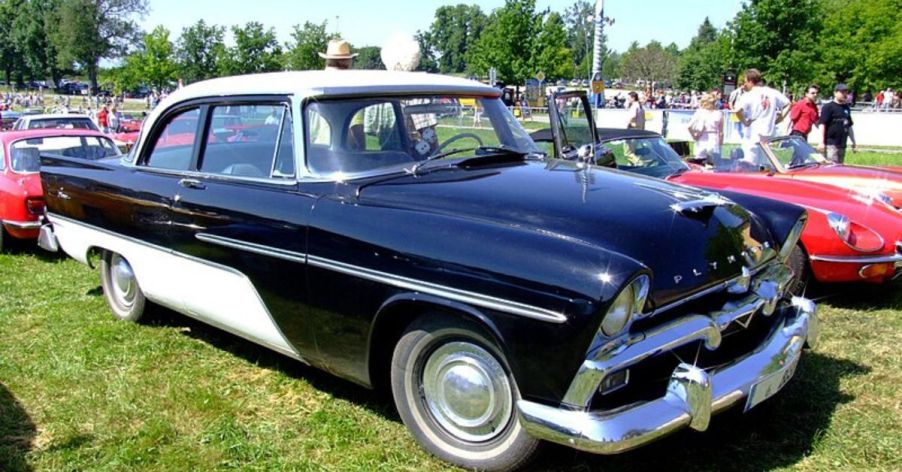
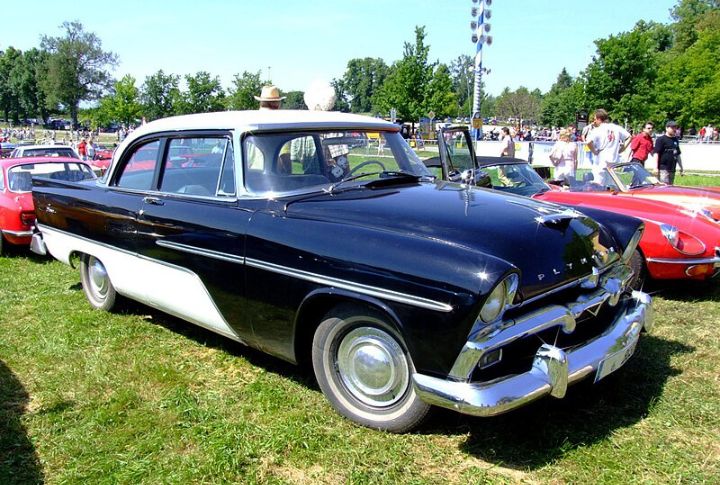
1956 Plymouth Savoy

Some classics don’t roar; they glide. The 1956 Plymouth Savoy offered a stylish, mid-century design and a range of reliable engines, including a V8 option. Although not a muscle car, its clean lines and vintage appeal make it a prized choice for collectors today.
1962 Plymouth Sport Fury
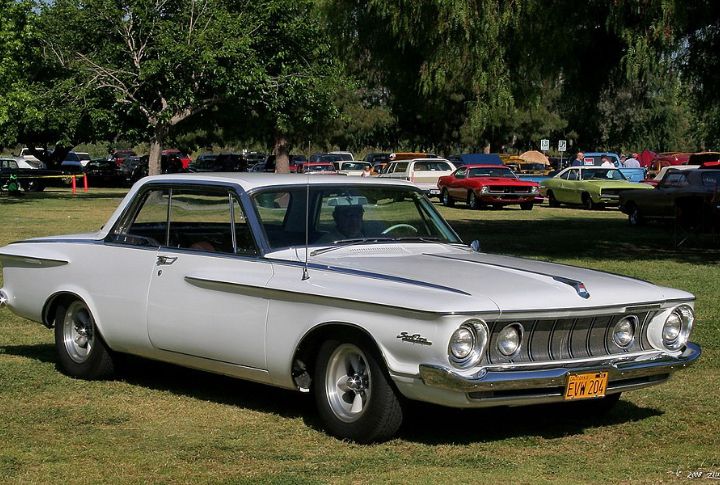
By 1962, Plymouth had figured out the formula for speed. The Sport Fury’s lightweight build and high-performance 413 Max Wedge V8 gave it quarter-mile credibility. With a distinctive grille and aggressive stance, it set the stage for Plymouth’s dominance in the muscle car wars.
1973 Plymouth Duster 340

Not all muscle cars came with a hefty price tag. The Duster 340 proved that power could be affordable. A lightweight design, small-block 340 V8, and quick acceleration made it a favorite among street racers. It didn’t need a HEMI to earn respect—just a heavy right foot and an open road.