15 Iconic Motorcycles from the Last Century
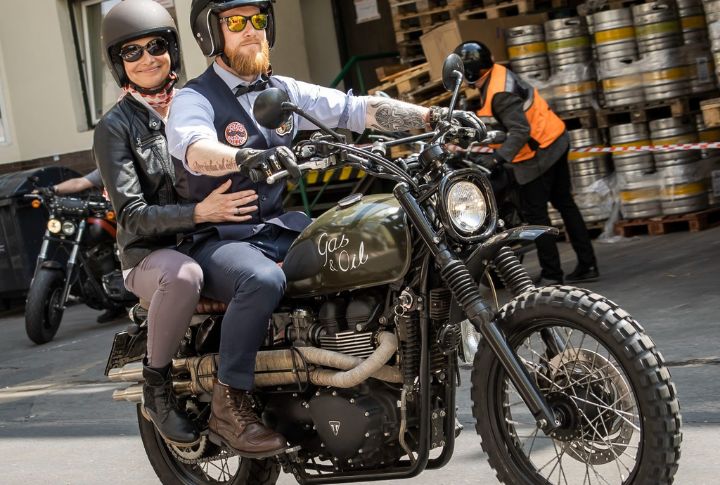
Do you remember the thrill of Steve McQueen’s memorable jump in “The Great Escape” or Marlon Brando’s wild and free spirit in “The Wild One”? These legendary bikes and their riders have fueled our passion for the open road. Let’s look at 15 of the most iconic motorcycles of the century.
Harley-Davidson Knucklehead (1936)
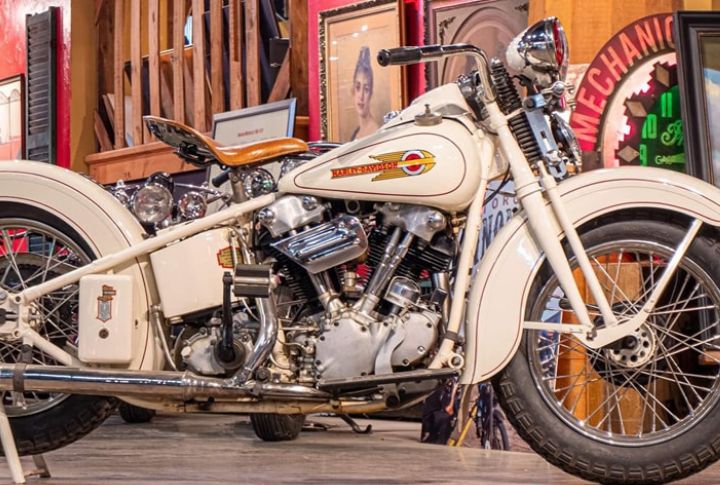
Officially known as the E/ES/EL, the Knucklehead was Harley-Davidson’s first model to feature overhead valves. It was produced from 1936 to 1947, and only about 41,000 units were made. The valve covers on the Knucklehead resembled the knuckles on a closed human fist, hence its name. The 1936 Knucklehead was developed during the Great Depression, and it helped Harley-Davidson stay afloat.
Indian Scout (1920)
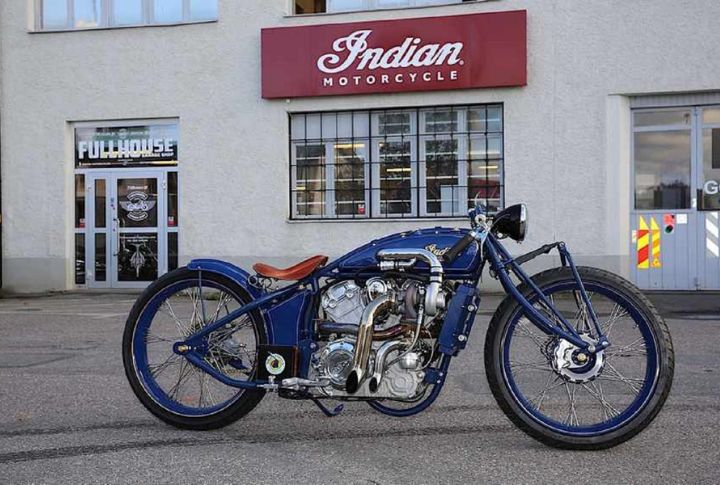
Built by Charles B. Franklin, the Scout debuted in October 1919 as a 1920 model. It had a side-valve V-twin engine with its transmission attached to the engine casing, allowing a geared primary drive. Between 1962 and 1967, New Zealander Burt Munro used a modified 1920 Indian Scout to set flying mile land speed records at the Bonneville Salt Flats in Utah.
Triumph Speed Twin (1938)
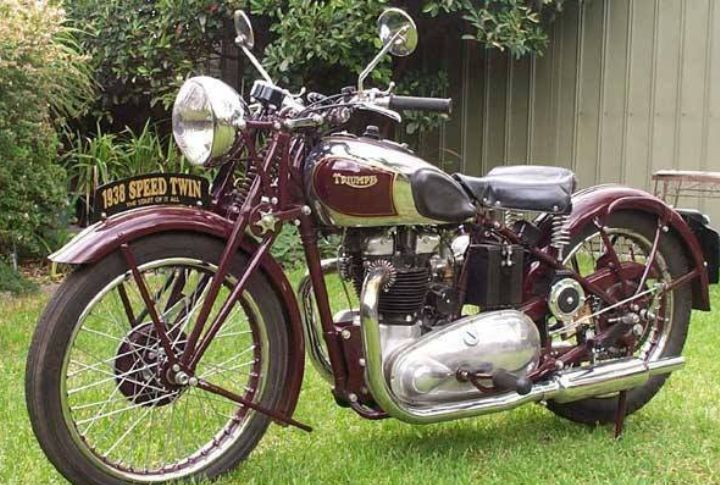
In 1937, the Managing Director of Triumph Motorcycles, Edward Turner, launched the revolutionary Speed Twin 5T. It was a 500CC OHV vertical twin in a lightweight frame that became the standard for many twins to follow. The Speed Twin was the first truly successful British parallel twin, lighter and more powerful than many contemporary singles.
Norton Commando (1968)
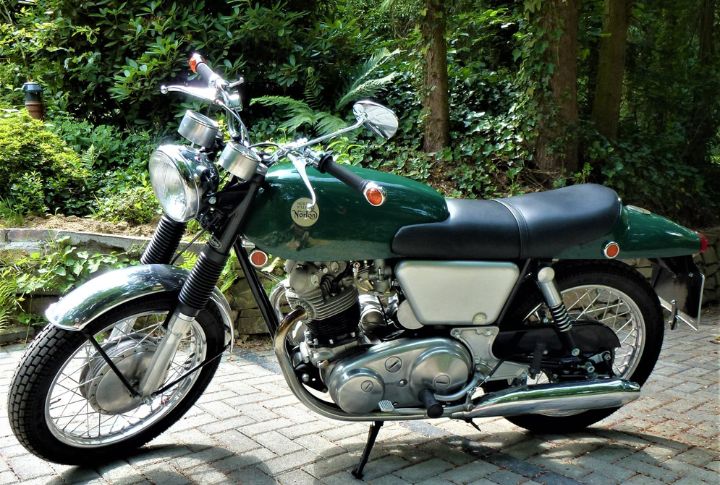
This bike was designed by Dr. Stefan Bauer, a former Rolls-Royce engineer, and Charles Udall, a former Velocette engineer. The Commando won the MCN “Machine of the Year” award for five consecutive years (1968-1972). It won a heat in a production event, placed second in the Grand Prix heat, and then won the Grand Prix main.
Honda CB750 (1969)
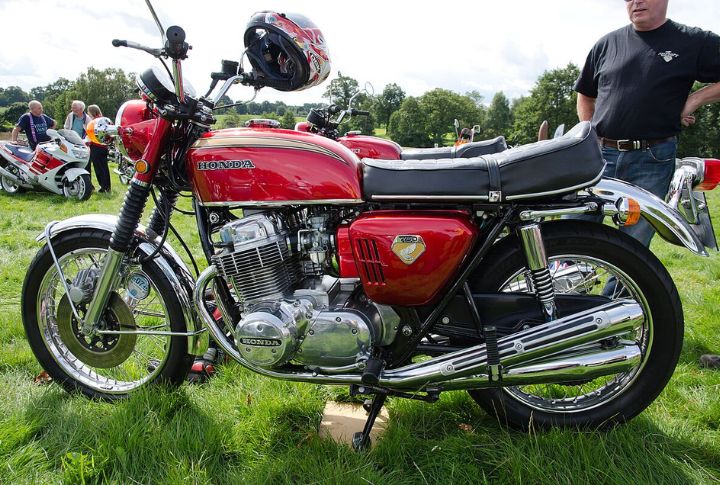
Considered one of the greatest motorcycles ever made, the Honda CB750 was built to be a superbike. It has a four-cylinder engine, electric start, and disc brakes, which started a new era of power braking at high speeds. The CB750 was marketed for everyday people at an affordable retail price of $1,495, reportedly half the cost of a Harley at the time.
Kawasaki Z1 (1972)
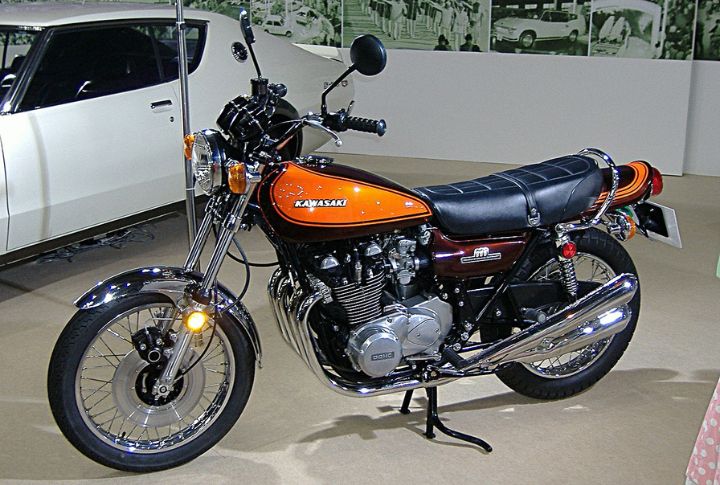
The Z1 was the first of Kawasaki’s Z models, with over 85,000 units sold around the world. It was developed under the project name “New York Steak.” The bike is a four-cylinder, air-cooled, double-overhead camshaft, carbureted, chain-drive motorcycle introduced in 1972. Kawasaki’s Z1 set the world FIM and AMA record for 24-hour endurance at an average speed of 109.64 mph.
Ducati 916 (1994)
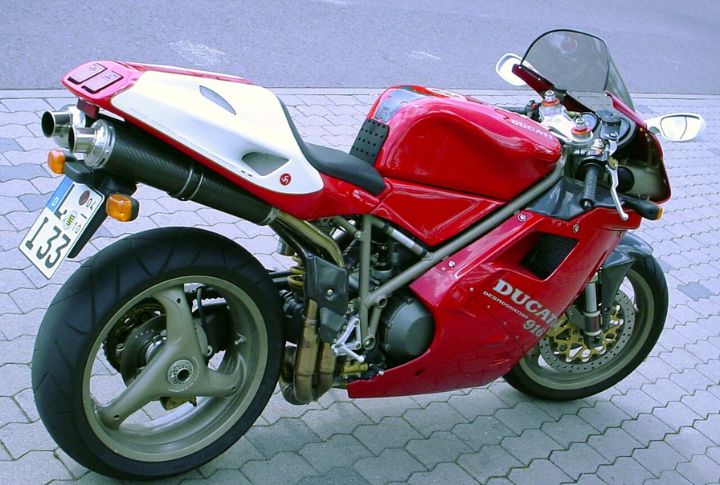
Recognized as every magazine’s “Bike of the Year” in 1994, Ducati sold out its entire first year’s 916 production run in the United States before any had arrived there. Ducati won 4 Superbike World Championships with the 916, in 1994–1996 and 1998, with riders Carl Fogarty and Troy Corser. The 916 was designed by Massimo Tamburini and Sergio Robbiano at the Cagiva Research Centre in San Marino.
BMW R90S (1973)
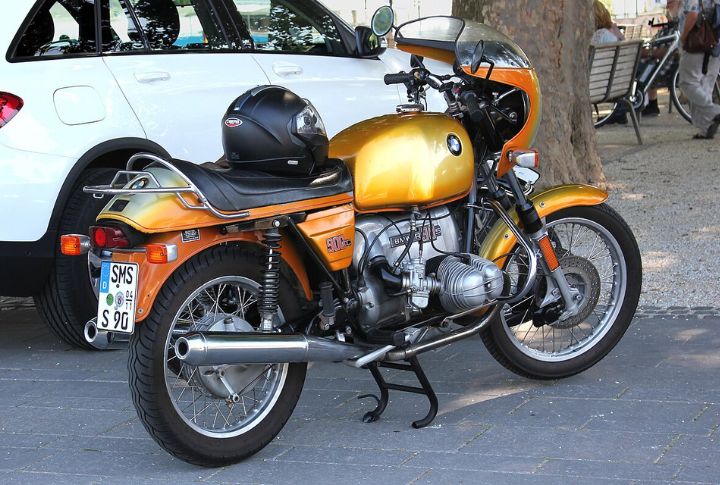
British rider Reg Pridmore won the first United States AMA Superbike Championship at Daytona International Speedway on an R90S. R90S is a 900CC sport motorcycle produced by BMW from 1973 to 1976. It had a five-speed gearbox with a shaft final drive, long-travel telescopic forks, and twin rear shocks whose dampers were adjustable for preload.
Vincent Black Shadow (1948)
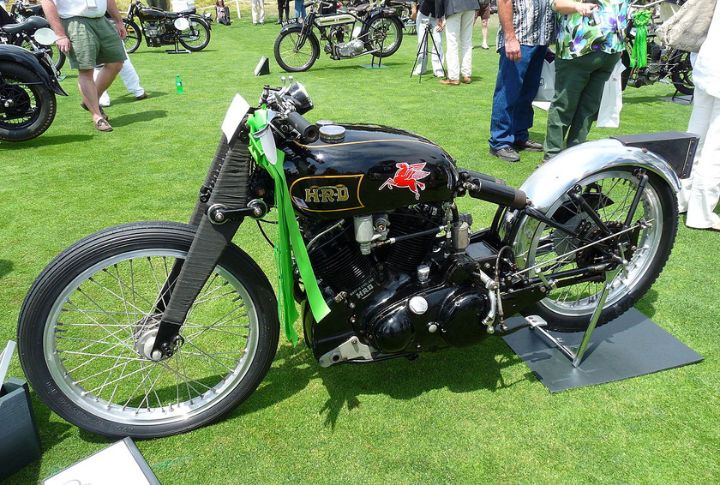
Philip Conrad Vincent, a young motorcycle enthusiast, purchased HRD, an established motorcycle manufacturing company, laying the groundwork for the Vincent Black Shadow. Australian engineer Phil Irving designed the motorcycle in 1934. Its 998CC V-twin engine produced a staggering 55 horsepower, making it a powerhouse in its time.
BSA Gold Star (1938)
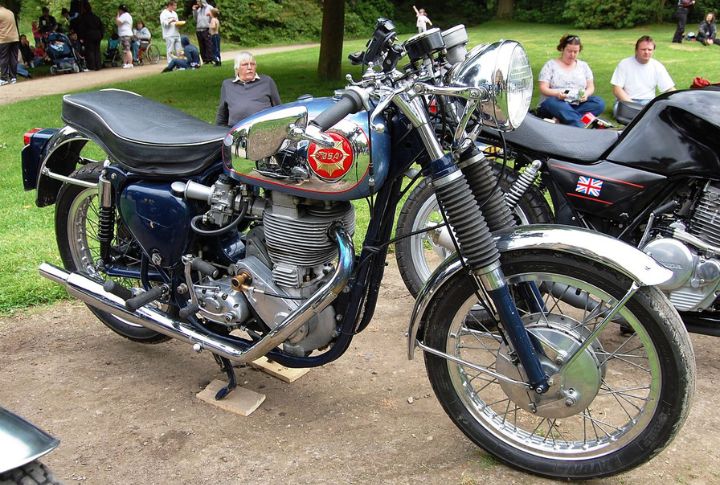
BSA named Gold Star after Wal Handley’s achievement of reaching 107.57mph on a lap, earning him a gold pin. Despite not being the fastest of its time, the Gold Star, with a 34 horsepower 496CC engine, was popular among British police forces.
Moto Guzzi V7 Sport (1969)
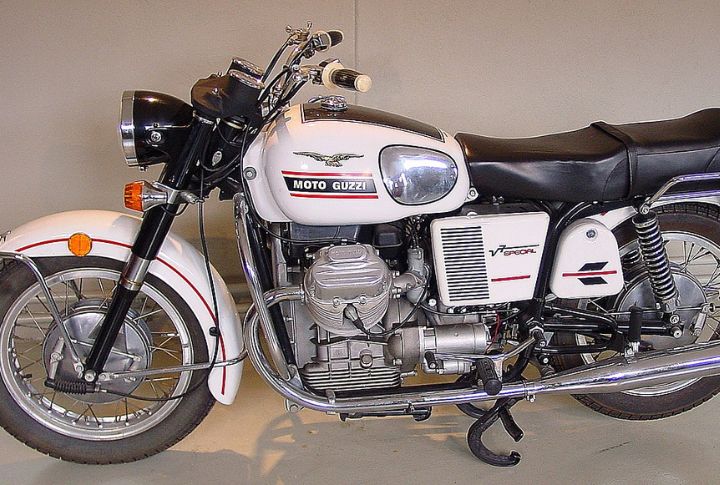
Moto Guzzi’s V7 Sport was designed by legendary Italian designer Lino Tonti and was first introduced in 1967. Only 182 units of the exclusive five-speed transmission V7 Sport were exported to the United States in 1969. Its sleek fuel tank and seat cowl were designed to reduce drag and improve aerodynamics.
Yamaha XS650 (1968)
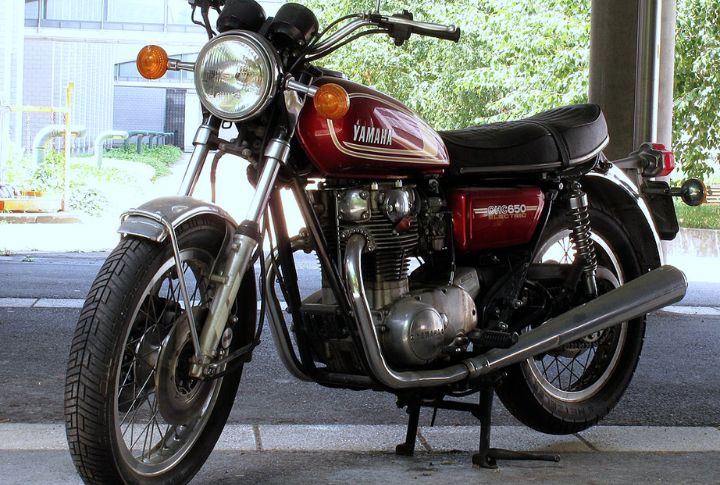
Launched in 1968, the Yamaha XS650 was an impressive motorcycle with an advanced parallel twin engine and innovative design features. Its unique horizontal crankcase split and unit construction made it a standout. Popular in dirt track racing, the XS650 was produced in 1985, leaving a lasting legacy in the motorcycling world.
Suzuki GT750 (1971)
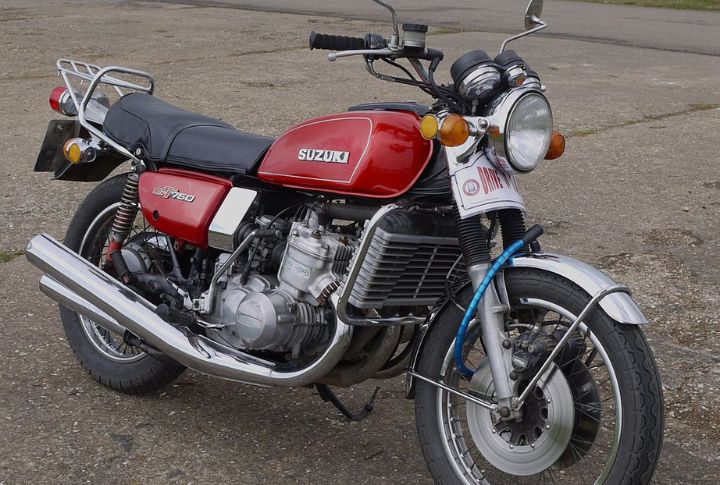
Developed from the Suzuki T500, the GT750 had an extra cylinder and innovative liquid cooling. Suzuki’s GT750 was a game-changer in 1971, introducing Japan’s first liquid-cooled motorcycle. The Society of Automotive Engineers of Japan recognizes the GT750 as one of the 240 Landmarks of Japanese Automotive Technology.
MV Agusta 750S (1970)
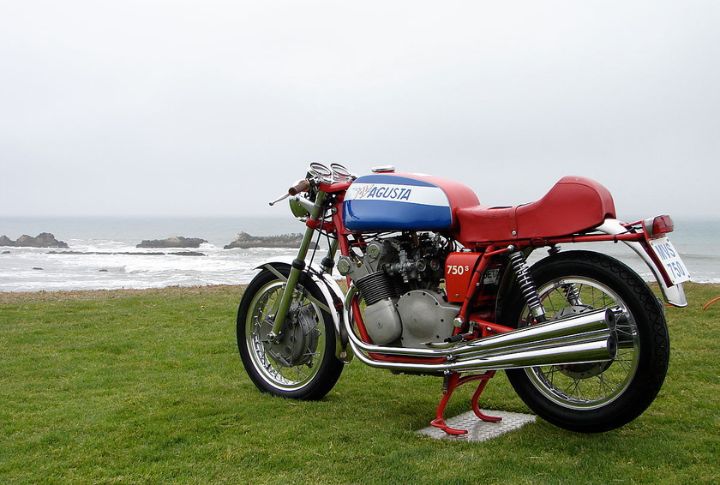
Motorcycle enthusiasts likened the 750S to Italian screen sirens Gina Lollobrigida and Sofia Loren, elevating its status to a superbike icon. The MV Agusta 750S was designed by the Italian company MV Agusta in 1970. With a built-up crankshaft supported by at least six bearings, the engine was race-tough.
Triumph Bonneville T120 (1959)
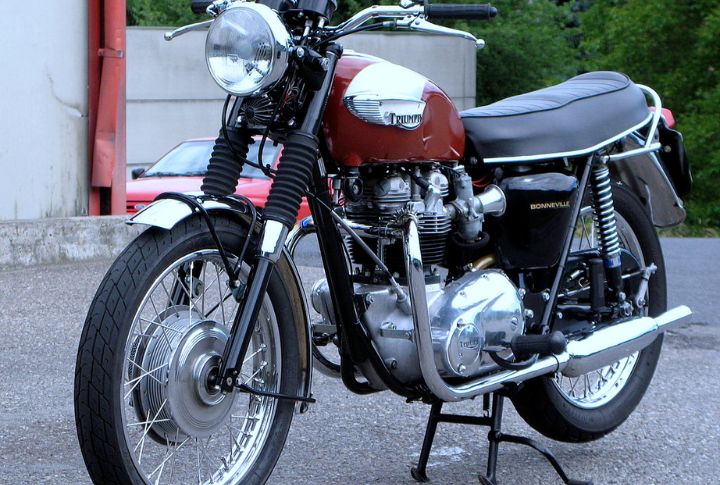
Steve McQueen, a racer and movie star, famously rode a Triumph Bonneville T120 in the 1963 International Six Days Trial. With a top speed of 115 mph, this British beauty was one of the fastest production bikes of its time. Edward Turner built it to commemorate Triumph’s 1956 win at the Bonneville Salt Flats.